
Review · STREET FOOD & TUK TUK TOURS
Bangkok: Chinatown Food Tour with Michelin Food Stalls
Bangkok’s Yaowarat is easiest to enjoy with someone who knows where to stop. This three-hour evening walk takes you from Wat Mangkon Kamalawat through Chinatown’s food lanes, with more than 10 tastings and at least one Michelin-recognized food stall along the way.
I like the generous amount of food, and I like the small group of no more than eight people. Guides such as Peak, Eve, Na, K, and Sunday also get high praise for keeping groups together in the crowds while explaining each dish and the Chinese influence on Bangkok’s cooking.
The main drawback is suitability. This is not a vegetarian or vegan tour, and the moderate walking, crowded streets, shared food, and evening heat may not suit everyone. Dietary needs can be handled with advance notice, but you should ask before booking.
In This Review
- Key points to know before you book
- Starting at Wat Mangkon Kamalawat
- How the Thai-Chinese food unfolds
- Following local stops instead of guessing
- The Michelin-recognized food stop
- History between bites
- The evening energy of Yaowarat
- Ending at the Chinatown Gate
- Is $36 a good value?
- Who should book this Chinatown food walk?
- Final verdict: book it if you want a guided first taste
- FAQ
- How long does the Bangkok Chinatown food tour last?
- Where does the tour start?
- Where does the tour finish?
- How many food tastings are included?
- Is a Michelin-recognized food stall included?
- Is the tour suitable for vegetarians or vegans?
- Is hotel pickup included?
- What should you bring?
Key points to know before you book
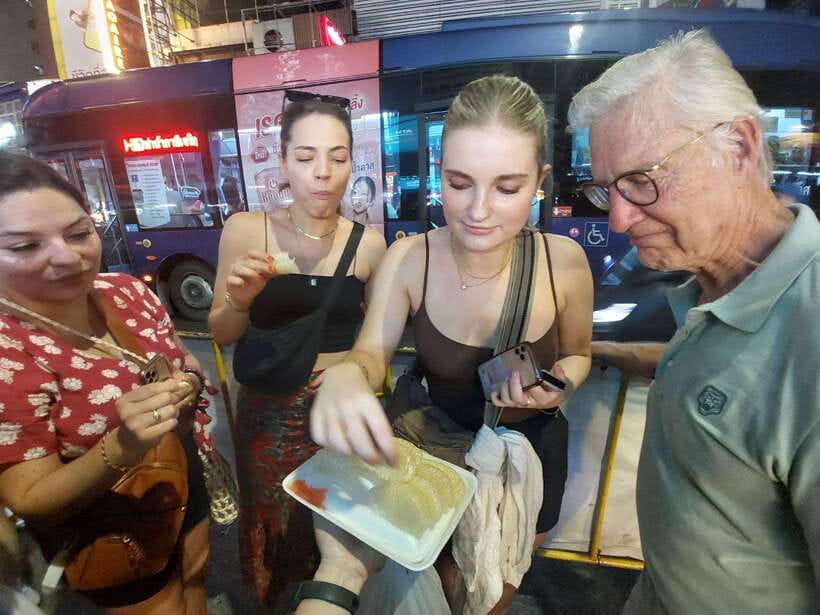
- More than 10 tastings: Expect a full meal’s worth of food, with some sessions serving 13 to 15 dishes and drinks.
- Small group format: A maximum of eight people makes it easier to hear the guide and cross crowded streets together.
- Michelin-recognized stop: The route includes an award-listed specialty, and some sessions include two Michelin-recognized vendors or restaurants.
- Strong guide element: Peak, Eve, Na, Sunday, K, and other English-speaking guides are praised for humor, care, and local food knowledge.
- Moderate evening walk: You start at Wat Mangkon Kamalawat and finish at the Chinatown Gate, without hotel pickup or drop-off.
- Best for hearty eaters: Come very hungry. Portions can be large, and the food keeps coming for most of the three hours.
Starting at Wat Mangkon Kamalawat
The tour begins at Wat Mangkon Kamalawat, also called Wat Leng Noei Yi. This gives you a useful introduction to Chinatown before the food starts in earnest. The temple is tied to Bangkok’s Chinese Buddhist community, so the meeting point fits the theme rather than feeling like a random place to gather.
From here, your guide leads you into Yaowarat, Bangkok’s famous Chinatown district. The evening setting matters. Neon signs, narrow lanes, motorbikes, shopfronts, and food carts create a noisy scene that is exciting but not always easy to read on your own.
I would arrive ready to walk and eat, not to admire the streets from a distance. The route has a moderate walking distance, and you need comfortable shoes. A camera is useful, but keep it handy without slowing the group at busy crossings.
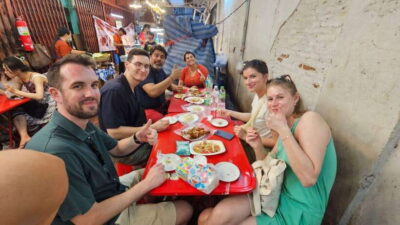
The group limit of eight is one of the tour’s practical strengths. A larger food group could easily become awkward in Yaowarat, where people are moving in every direction. With eight or fewer, the guide can check that everyone has crossed safely, explain the food at close range, and adjust when someone needs a little extra time.
More Street Food & Tuk Tuk Tours in Bangkok
- Bangkok: Backstreets Food Tour with 15+ Tastings
★ 4.9 · 2,880 reviews - Bangkok Midnight Food Tuk Tuk Tour
★ 5.0 · 2,542 reviews - Bangkok Backstreets Food Tour with 15+ Tastings
★ 5.0 · 1,926 reviews
How the Thai-Chinese food unfolds
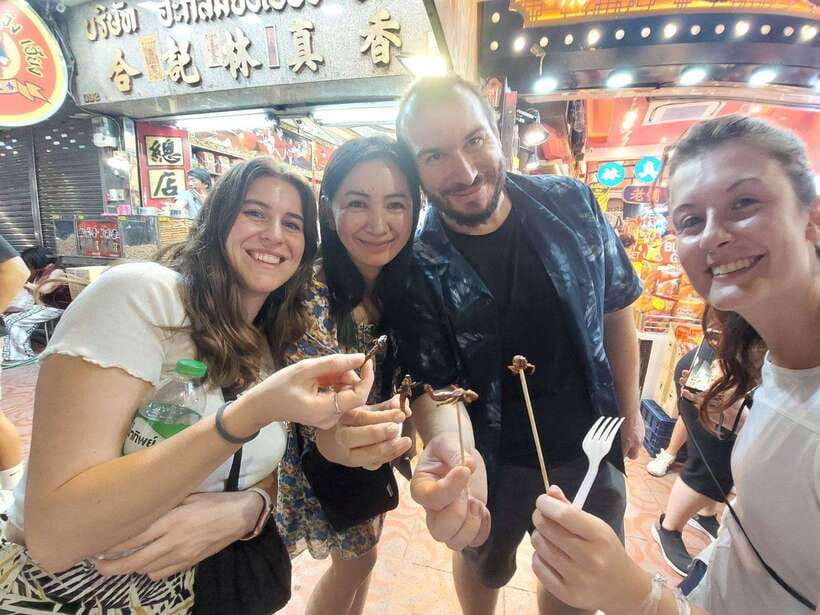
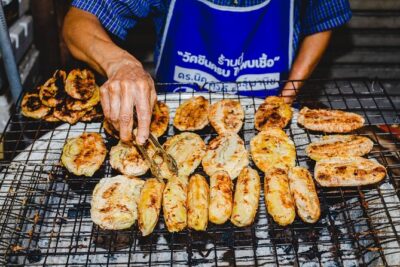
The tastings begin with familiar street food and then widen into dishes you may not think to order alone. The exact menu can vary, but the experience includes items such as crispy spring rolls, barbecued meats, steamed dumplings, stir-fried dishes, noodle soups, seafood, Chinese desserts, buns, local-style pancakes, and drinks.
This variety is more important than any single dish. Bangkok Chinatown is not simply a Thai food district with Chinese decoration. Its food reflects generations of Chinese immigration and the way Chinese cooking methods and ingredients became part of Bangkok’s everyday dining.
Your guide explains what you are eating and gives the dish a place in the neighborhood. That turns a quick snack into a useful lesson. You learn how Thai and Chinese flavors meet, why certain stalls matter, and how family food traditions continue in a modern street setting.
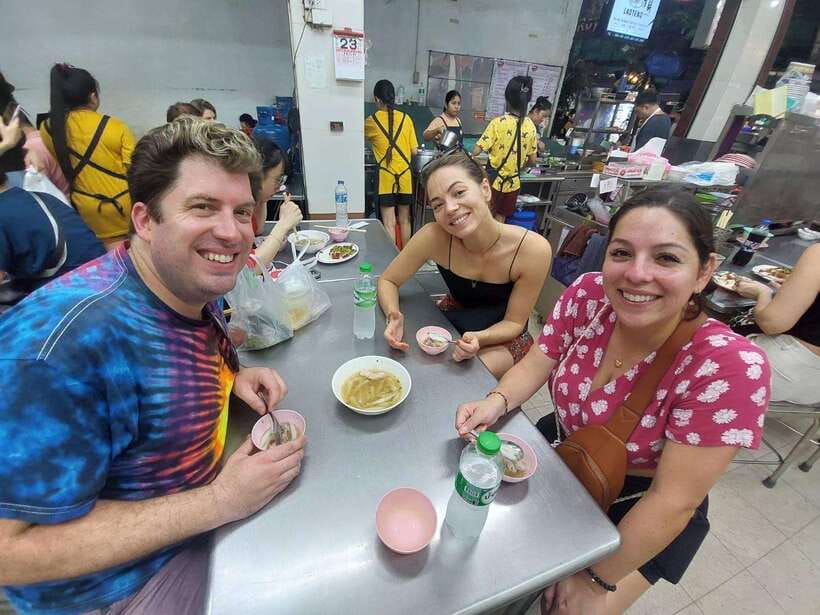
I especially like this format for people who want range rather than one large restaurant meal. You can compare textures and flavors across many small portions. You also avoid the usual problem of standing in front of an unfamiliar stall, trying to guess what to order while a line forms behind you.
The food is not all daring. One guest specifically found it delicious but fairly familiar. That is worth keeping in mind. The tour is best understood as a broad and well-guided introduction to Chinatown food, not a guaranteed parade of strange or extreme dishes.
Following local stops instead of guessing
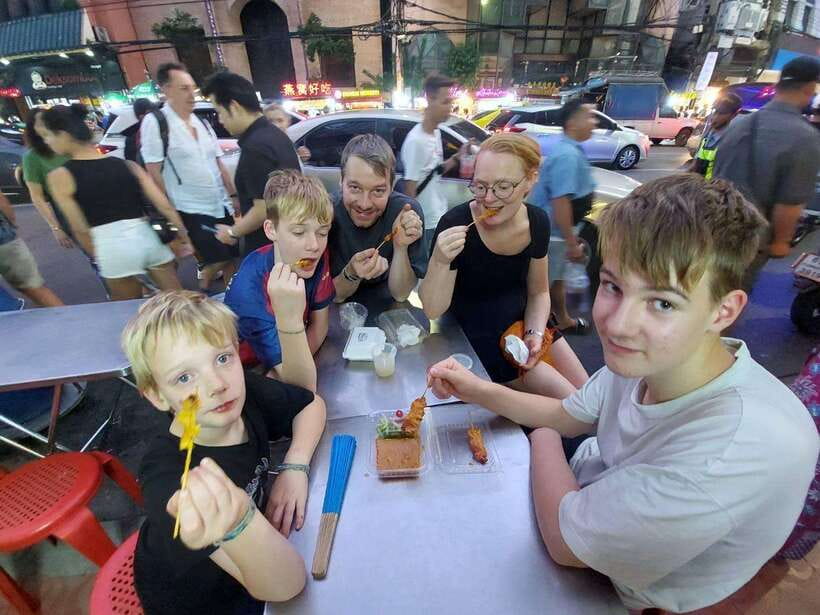
Some of the best value comes from the places you might pass without noticing. The route includes local vendors and small food stops that are not necessarily obvious to someone seeing Yaowarat for the first time.
I like having a guide make those decisions. Chinatown can feel overwhelming, especially at night, and every stall may look worth trying. A good guide removes the guesswork, manages the order of stops, and helps you understand what is worth saving room for.
The reviews of this experience repeatedly praise the guides’ personal care. Peak is described as funny, attentive, relaxed, and good at building rapport with the whole group. Eve is praised for explaining recipes and adapting stops to food preferences. Na is noted for checking that everyone was comfortable and well fed. K and Sunday also receive strong praise for history, food explanations, and group management.
Those details matter more here than they would on a quiet museum tour. Food arrives quickly, the streets are crowded, and the group may need to share dishes. A guide who watches the pace and checks in with each person can make the evening feel easy instead of hectic.
One useful example comes from a pescatarian who could not eat everything but still enjoyed the tour. Another guide helped a guest find gluten-free choices. These are encouraging signs, but they do not change the stated restrictions: the experience is not suitable for vegans or vegetarians. Give advance notice for other dietary needs, and do not assume every tasting can be replaced.
The Michelin-recognized food stop
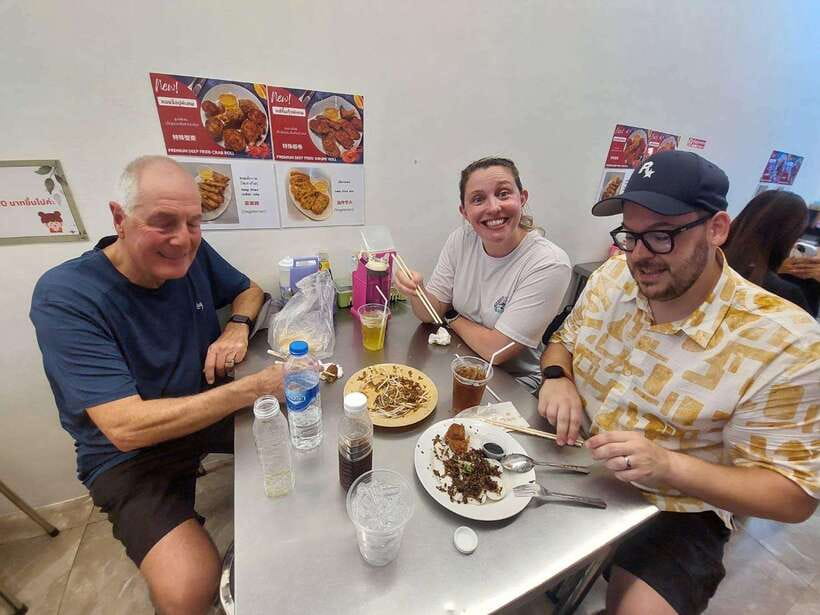
The Michelin connection adds a clear highlight, but it should be understood correctly. The tour includes a stop at a food stall recognized by Michelin, where you taste a specialty that has earned wider attention.
Some sessions have included two Michelin-recognized vendors or restaurants. At the same time, not every stop is Michelin-listed, and that is actually a good thing. If every bite came from an award-focused venue, you would miss the ordinary local food culture that gives Yaowarat its character.
The value here is the combination. You get one recognizable culinary name, then several other stops chosen for local appeal and variety. That gives you context: you can enjoy an award-winning dish without confusing it with the whole story of Chinatown’s food.
Portions may be larger than you expect. Several people finished completely full, and one account described huge portions alongside the exceptional dishes. I would eat lightly beforehand and avoid booking this as a gentle snack walk.
The Michelin label also does not guarantee that every dish will match your personal taste. You may prefer the dumplings, noodles, seafood, or sweets to the famous specialty. The guide’s explanation and the chance to compare many foods are the real strength.
Same coastline, a completely different day out:
- Bangkok: Damnoen Saduak Market and Maeklong Railway Market
★ 4.5 · 26,723 reviews - The Old Siam: Damnoen Saduak and Maeklong Railway Market
★ 4.5 · 10,992 reviews - From Bangkok: Ayutthaya Temples Guided Tour with Lunch
★ 4.7 · 10,535 reviews - Bangkok: Train Market & Floating Market with Boat Ride
★ 4.7 · 9,547 reviews
History between bites
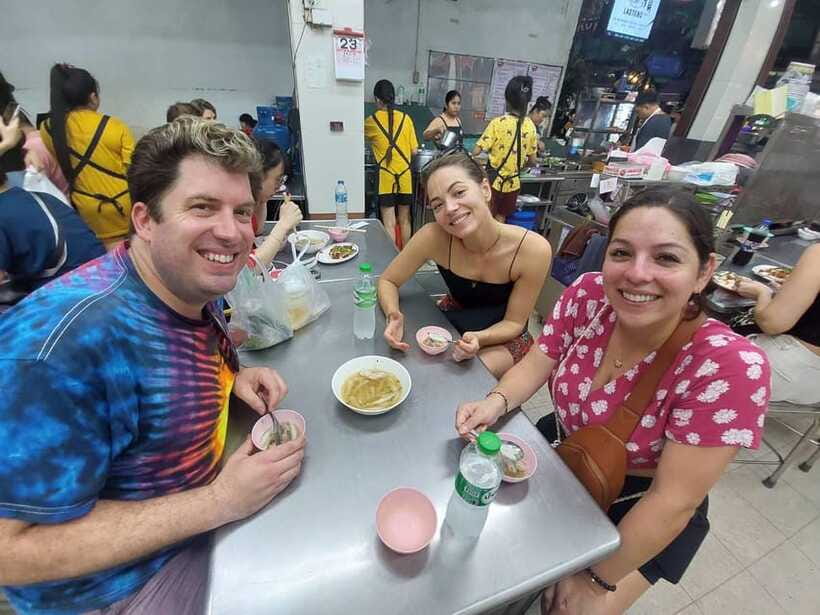
This is a food tour, but the neighborhood lesson gives it shape. As you walk, the guide discusses Chinese immigration, Chinatown’s role in Bangkok, and the way Chinese culinary traditions changed over time.
You should not expect a formal lecture. The history comes in short pieces between tastings, which works well in this setting. You might hear about the background of a dish, the people behind a food stop, or the Chinese and Thai elements that appear together on the plate.
I find that approach more useful than a long speech at the start. You see the shopfronts, kitchens, shrines, and signs while hearing how the district developed. Food becomes the thread linking the buildings and the people around you.
The strongest guides add humor and practical help. Peak is frequently praised for bringing the group together with warmth and fun, while Eve and Na are noted for clear explanations and careful attention. A guide’s style can vary by departure, but the format gives you a good chance to ask questions in a small setting.
The evening energy of Yaowarat
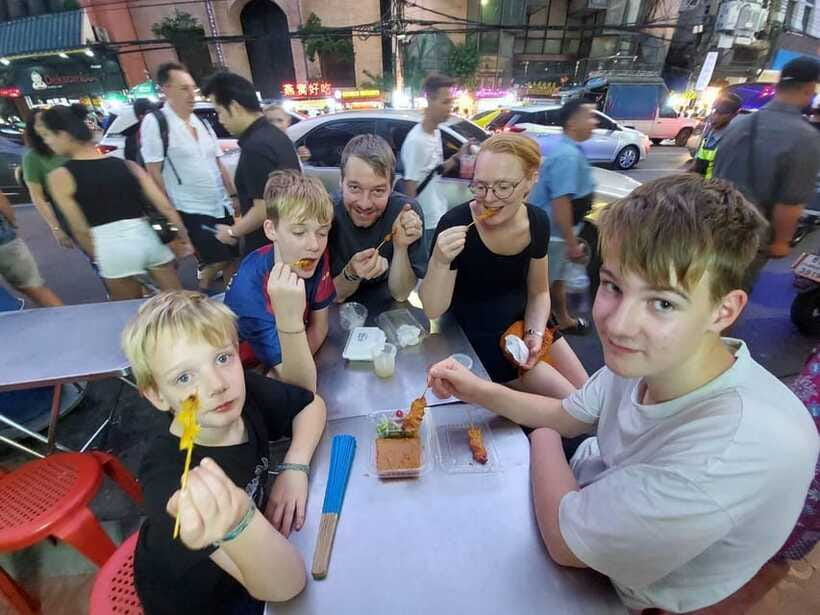
The evening is part of the meal. Chinatown’s streets fill with cooking smoke, sizzling pans, bright signs, pedestrians, and vendors working at speed. You will hear traffic and street noise as often as you hear the guide.
That atmosphere is a major reason to choose this tour instead of a restaurant-based food experience. You are not only tasting food. You are seeing how the neighborhood eats after dark and how public space becomes part kitchen, part dining room, and part social meeting place.
It can also be tiring. Crowds may make the group pause or compress, and you need to pay attention when crossing streets. One guide was praised for keeping everyone together on a particularly busy night, which is exactly the kind of small service that matters in Yaowarat.
Bring water, although bottled water is included. Hand sanitizer or wipes would also be sensible, especially since some foods may be shared or eaten by hand. One person specifically wished these had been provided, so pack your own rather than expecting them.
Ending at the Chinatown Gate
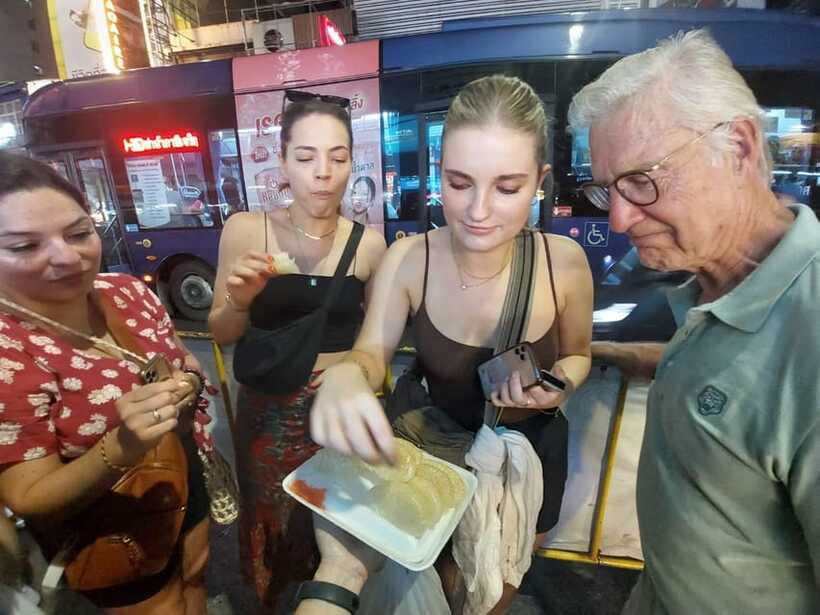
The tour ends at the Chinatown Gate, giving the route a clear finish in one of the district’s best-known areas. By then, you will have spent about three hours moving through food stops rather than simply viewing the neighborhood from a car or restaurant table.
The ending location is useful for anyone who wants to continue exploring independently. The tour does not include hotel pickup or drop-off, so plan your onward transport from the Chinatown Gate. One guide even helped arrange transport for a group afterward, but that should be seen as personal assistance, not a promised inclusion.
You may still be full at the end. That makes the finish better for a slow walk, a drink, or a ride back than for another major meal. If you have a favorite dessert or late-night dish in mind, save it for another evening.
The final tastings are sweet: traditional Chinese desserts, freshly made buns, local-style pancakes, and a refreshing drink from a classic Chinatown tea stall. The progression from savory food to sweets gives the tour a satisfying shape and prevents it from feeling like a random series of stops.
Is $36 a good value?
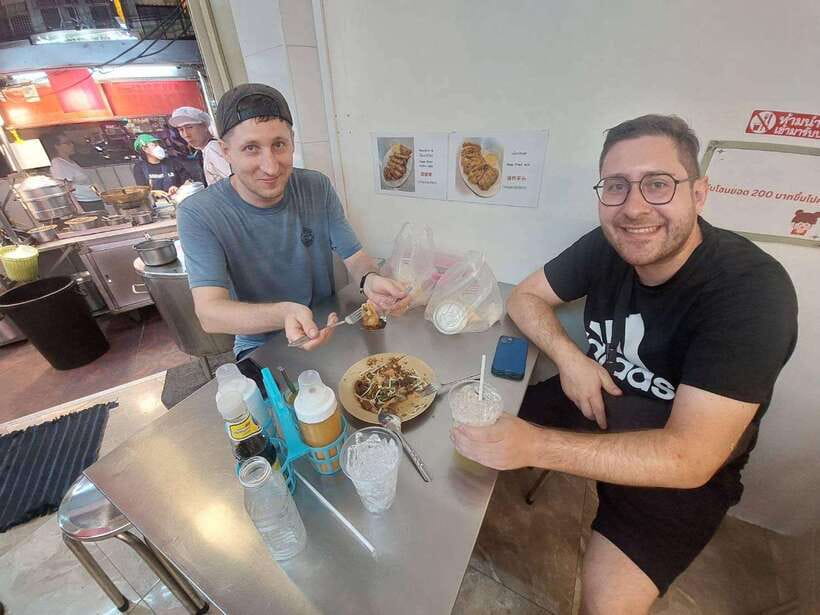
At $36 per person, the price is strong if you take advantage of the food. More than 10 tastings, bottled water, an English-speaking guide, and a small group are included. The amount of food can equal a substantial dinner, and some sessions provide 13 to 15 dishes.
You are also paying for judgment and access. A visitor on a first night in Chinatown may spend money on one or two dishes and still leave unsure about what else to try. This tour lets you sample widely without ordering full portions at every stop.
The value is less clear if you eat very little, avoid meat and seafood, or prefer to choose every dish yourself. Vegans and vegetarians are specifically excluded, and the experience is not designed around unusual foods or specialized diets.
I would compare it with the cost of a normal dinner in Bangkok, then add the guide’s time, neighborhood orientation, and food selection. For a first visit to Yaowarat, the combined price is reasonable. For a confident Chinatown eater who already knows the stalls, it may feel less necessary.
Who should book this Chinatown food walk?
I would recommend it to first-time Bangkok visitors, solo diners, couples, and small groups who want a social introduction to Yaowarat. It is also useful if you feel uneasy ordering from unfamiliar stalls or want to taste many things without committing to large portions at each stop.
Solo diners gain a lot here. One person noted that the tour made it possible to try far more dishes than would have been practical alone. The small group also gives you company without the feel of a large bus excursion.
The tour suits people who enjoy moderate walking, crowded streets, shared food, and an evening that keeps moving. It is less suitable for children under 10, wheelchair users, vegans, vegetarians, and anyone who wants a quiet seated meal.
I would book early in a busy season if the eight-person limit matters to you. The free cancellation policy allows a full refund up to 24 hours ahead, and reserve-now, pay-later booking keeps your plans flexible.
Final verdict: book it if you want a guided first taste
I would book this tour for a first evening in Bangkok’s Chinatown. The strongest points are the generous food selection, the small group, the Michelin-recognized stop, and the guides’ careful handling of a difficult neighborhood.
Go hungry, wear good shoes, bring hand wipes, and give advance notice about dietary needs. Choose another experience if you are vegetarian, vegan, unable to manage moderate walking, or mainly interested in rare foods rather than a broad introduction.
For $36, you get dinner, a neighborhood orientation, and a practical way to taste more than 10 dishes without guessing at every stall. That is a fair deal, especially with a guide such as Peak, Eve, Na, K, or Sunday helping you keep up, understand the food, and enjoy the chaos.
FAQ
How long does the Bangkok Chinatown food tour last?
The tour lasts three hours. Some sessions may run slightly over three hours depending on the pace and crowd conditions.
Where does the tour start?
The meeting point is Wat Mangkon Kamalawat, also known as Wat Leng Noei Yi.
Where does the tour finish?
The tour finishes at the Chinatown Gate.
How many food tastings are included?
More than 10 tastings are included. Some sessions have included about 13 to 15 dishes and drinks.
Is a Michelin-recognized food stall included?
Yes. The tour includes a stop at a Michelin-recognized food stall. Some sessions have included two Michelin-recognized vendors or restaurants, but not every stop is Michelin-listed.
Is the tour suitable for vegetarians or vegans?
No. The activity is not suitable for vegetarians or vegans. Dietary restrictions may be accommodated with advance notice, but the stated restrictions should be taken seriously.
Is hotel pickup included?
No. Hotel pickup and drop-off are not included. You need to reach Wat Mangkon Kamalawat for the start and arrange your own transport after finishing at the Chinatown Gate.
What should you bring?
Wear comfortable walking shoes and bring a camera. Bottled water is included. Hand sanitizer or wipes may also be useful because food can be shared and some dishes may be eaten by hand.
More Food in Bangkok
- Bangkok Authentic Tasting Thai-Chinatown Walking Food Tour
★ 4.9 · 852 reviews - Bangkok: Tuk Tuk Adventure Chinatown Michelin Food & Temples
★ 4.3 · 725 reviews - Bangkok Tuk-Tuk Tour by Night with Chinatown Street Food Meal
★ 5.0 · 635 reviews - Bangkok: Must-Try Hidden Bike & Food Experience
★ 4.9 · 613 reviews
More Food & Drink in Bangkok
- Bangkok: White Orchid Chao Phraya Dinner Cruise free Beer
★ 4.4 · 4,573 reviews - Bangkok by Night: Temples, Markets and Food Tuk-Tuk Tour
★ 5.0 · 3,752 reviews - Bangkok: Michelin Guide Street Food Tour by Tuk Tuk
★ 4.4 · 1,274 reviews - Old Siam Bangkok Food Tour with 15+ Tastings
★ 5.0 · 867 reviews
Just added around Bangkok
- Damnoen Saduak Floating Market Small Group Tour★ 4.0 · 107 reviews
- Angkor Wat 2-Day Tour from Bangkok★ 5.0 · 8 reviews
- Arrival Private Airport Transfer : Bangkok Airport to Hotel in Bangkok★ 4.5 · 142 reviews
- Private Best of Bangkok Full Day Highlights City Tour★ 4.5 · 13 reviews
- Ancient Wonders of Ayutthaya with Return Scenic River Cruise★ 4.0 · 31 reviews
- Private Ancient city of Ayutthaya Shore Excursion★ 5.0 · 9 reviews
- Ancient City (Mueang Boran) Entrance Tickets With Hotel Transfer★ 4.5 · 14 reviews
- Ancient City Ayutthaya Private Guided Day Tour★ 5.0 · 49 reviews
Street Food & Tuk Tuk Tours, compared.

Southern Flavors Phuket Food Tour with 15+ Tastings
Read our review →Bangkok Backstreets Food Tour with 15+ Tastings
Read our review →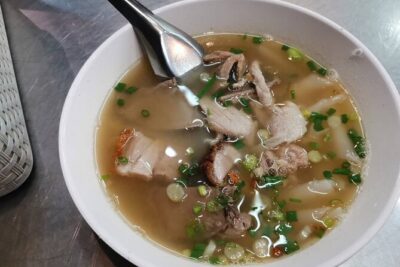
Bangkok Authentic Tasting Thai-Chinatown Walking Food Tour
Read our review →Browse the lists this tour appears in