
Review · STREET FOOD & TUK TUK TOURS
Bangkok Walking Tour : Mouthwatering Journey Food Tour
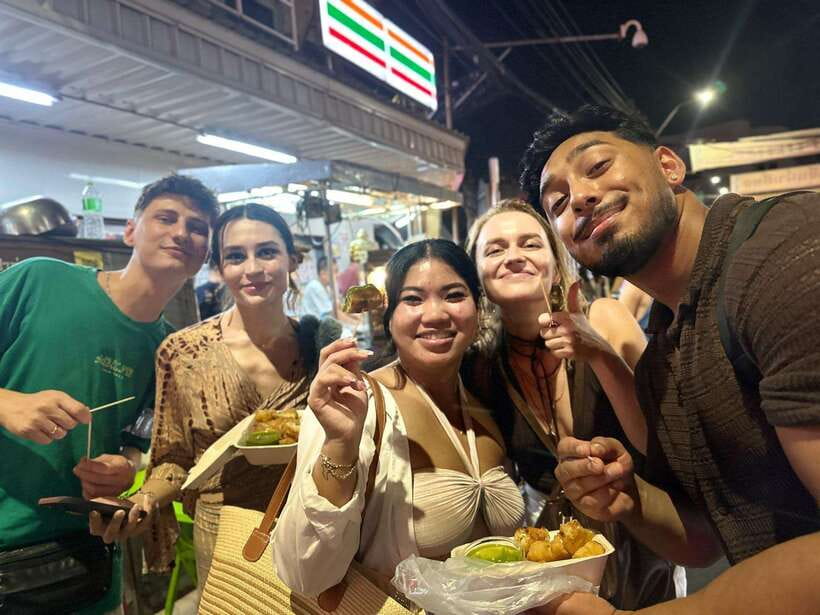
Bangkok Chinatown is best understood one bite at a time. This three-hour walk takes you from the meeting point at I’m Chinatown Mall into food stalls, markets, temples, and small local stops where Thai and Chinese cooking meet. Expect 10 to 12 tastings, not one formal meal.
I like the chance to try dishes you might skip on your own, and I like the way guides Kwan and Peak connect food with Chinatown’s communities and customs. The main drawback is serious: most vendors use pork, and there are no vegetarian, vegan, gluten-free, halal, or dependable pescetarian options.
In This Review
- Key points to know before you book
- A three-hour taste of Bangkok Chinatown
- Why the Thai and Chinese mix matters
- What happens at the food stops
- Temples and landmarks between bites
- The guides make the difference
- The major issue: strict food restrictions
- Is $43 fair for three hours?
- Who will enjoy this food walk?
- Practical tips for a smoother walk
- Should you book the Mouthwatering Journey Food Tour?
- FAQ
- Where does the Bangkok Chinatown food tour start?
- Where does the tour finish?
- How long does the tour last?
- How many foods are included?
- Is the tour suitable for vegetarians or people who need gluten-free food?
- Is hotel pickup included?
Key points to know before you book
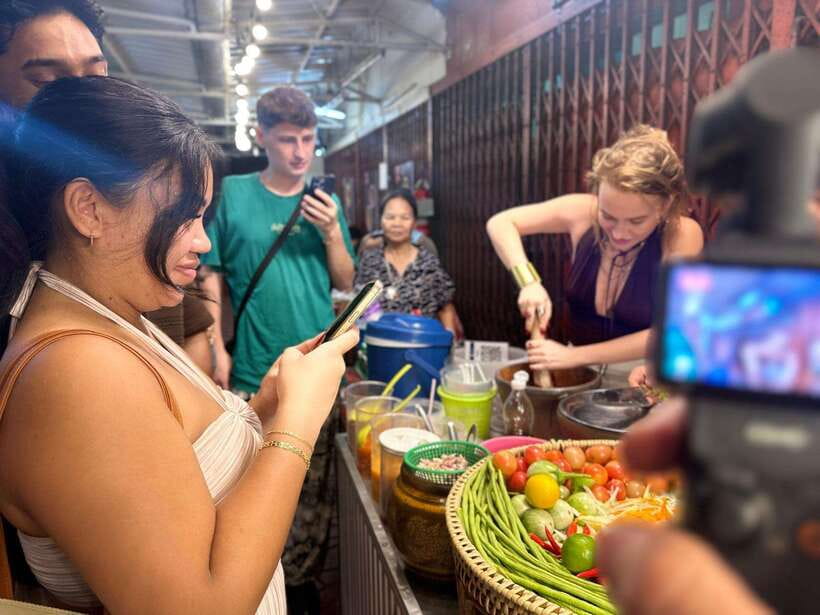
- Ten to 12 food stops: You may taste dumplings, dim sum, spring rolls, curries, and other freshly prepared dishes during the walk.
- Kwan and Peak lead the English tours: Both guides are named in guest feedback, with Kwan praised for organization and Peak for taking groups to less touristy places.
- I’m Chinatown Mall is the start and finish: You arrange your own way there, and hotel pickup is not included.
- Food comes with cultural context: The guide explains the background of dishes, markets, vendors, and Chinatown communities.
- This is a pork-heavy food tour: There are no replacement dishes for most vendors, so dietary restrictions are a deciding factor.
- You get a flexible booking policy: Cancel up to 24 hours ahead for a full refund, or reserve now and pay later.
A three-hour taste of Bangkok Chinatown
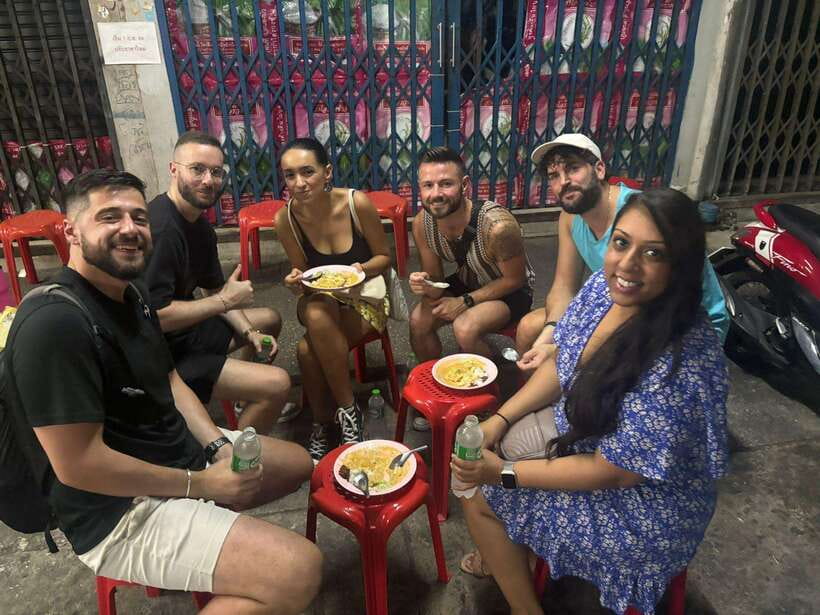
The tour begins in front of I’m Chinatown Mall. From there, you set out on foot through the Chinatown district and return to the same place at the end. Since the route lasts three hours and includes repeated food stops, wear comfortable shoes and arrive ready to eat in stages rather than expecting a single sit-down lunch.
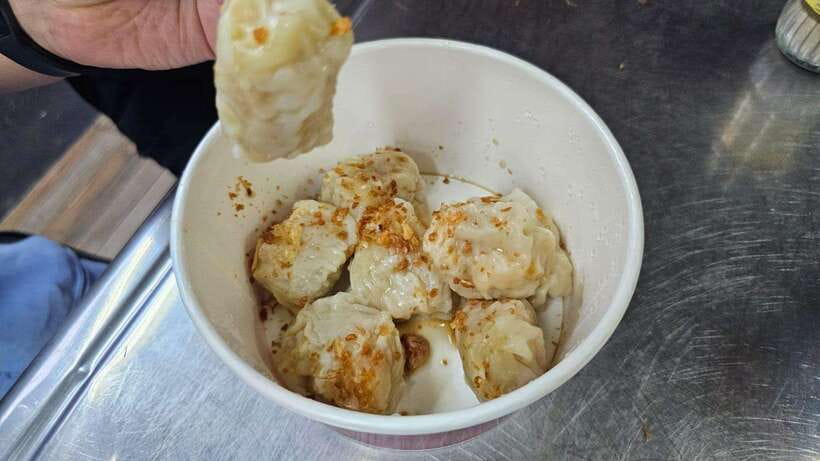
The appeal is variety. One stop may bring dumplings or dim sum, another a crisp spring roll, and another a Thai curry with stronger spice and herbs. The exact vendor sequence is not specified, so you should think of the tour as a guided tasting route rather than a fixed restaurant menu.
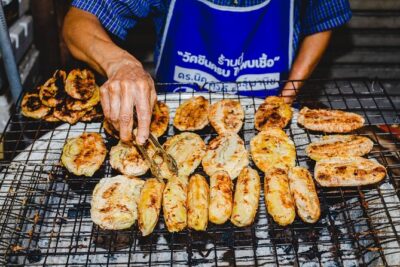
That format works well in Chinatown. You are not simply handed a plate and sent on your way. The guide introduces the food, explains its place in Thai or Chinese cooking, and helps you understand why these dishes belong in this neighborhood. You also have a chance to speak with vendors and watch traditional cooking methods.
The total amount of food matters. One guest described reaching the end more than full, and that fits the promised 10 to 12 tastings. If you normally eat lightly, pace yourself. You do not need to finish every bite at every stop to enjoy the route.
More Street Food & Tuk Tuk Tours in Bangkok
- Bangkok: Backstreets Food Tour with 15+ Tastings
★ 4.9 · 2,880 reviews - Bangkok Midnight Food Tuk Tuk Tour
★ 5.0 · 2,542 reviews - Bangkok Backstreets Food Tour with 15+ Tastings
★ 5.0 · 1,926 reviews
Why the Thai and Chinese mix matters
Bangkok Chinatown is a useful place to see how food traditions overlap. The tour focuses on that meeting point rather than treating Thai and Chinese dishes as separate subjects. Dumplings, dim sum, and spring rolls sit alongside Thai curries and other local preparations.
I like this approach because it gives you more than a checklist of popular snacks. The guide explains the cultural meaning behind dishes and the communities connected with the area. That makes a simple tasting more memorable: you learn not only what you are eating, but also why it belongs in Chinatown.
Food also provides a practical way to understand the district’s markets. Vendors, families, and long-running local businesses form part of the area’s character. The tour gives you a guide who can point out these connections and help you engage with sellers instead of passing through the streets without context.
The cooking demonstrations add another useful layer. You may try traditional techniques yourself, although the exact method and dish are not stated in advance. Treat this as a short interactive moment, not a full cooking class.
What happens at the food stops
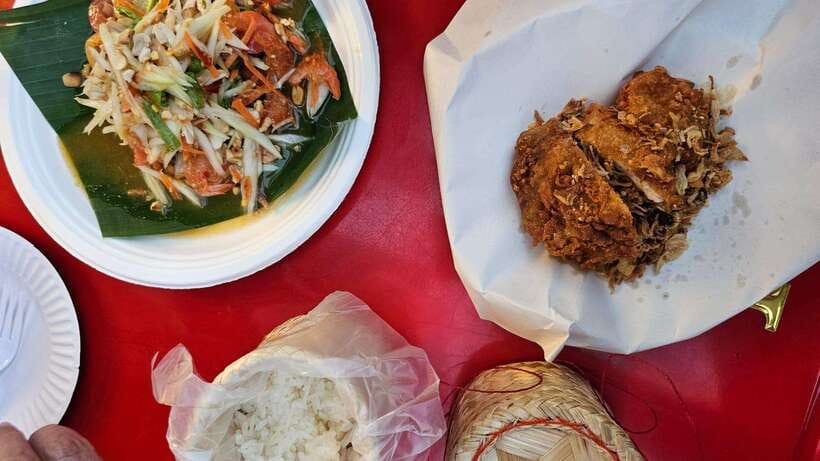
The tour promises 10 to 12 foods, with drinks and bottled water included. Expect a broad selection rather than large portions of a few dishes. The examples provided include:
- Dumplings and dim sum
- Thai curries
- Crispy spring rolls
- Freshly prepared local dishes
- Other Thai and Chinese street foods selected along the route
This variety is the strongest reason to choose the tour. You can sample foods that may not be obvious from a restaurant menu, and your guide can help explain what you are tasting. One Canadian guest, Marie-Christine, said the tour helped her try typical dishes she would not otherwise have ordered.
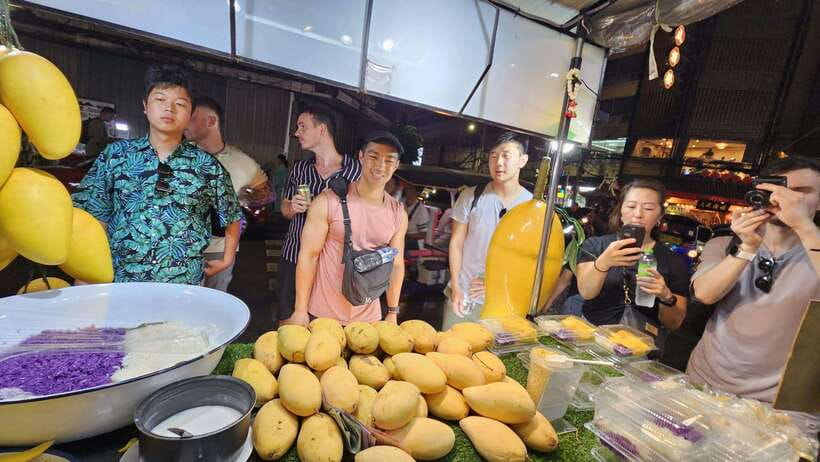
The food is also tied to the atmosphere of each stop. Some locations are described as local, less touristy places, particularly on Peak’s route. That does not mean every stop will be quiet or polished. Chinatown food stalls are part of the experience, and you should expect a street-based setting rather than restaurant comfort.
Fresh preparation is another plus. You may see food being assembled or cooked and can engage with vendors directly. Still, the tour is not presented as a food-safety class, and the information does not promise that every dish will be cooked to order in front of you. Bring an open mind, but use your own judgment about what you eat.
Temples and landmarks between bites
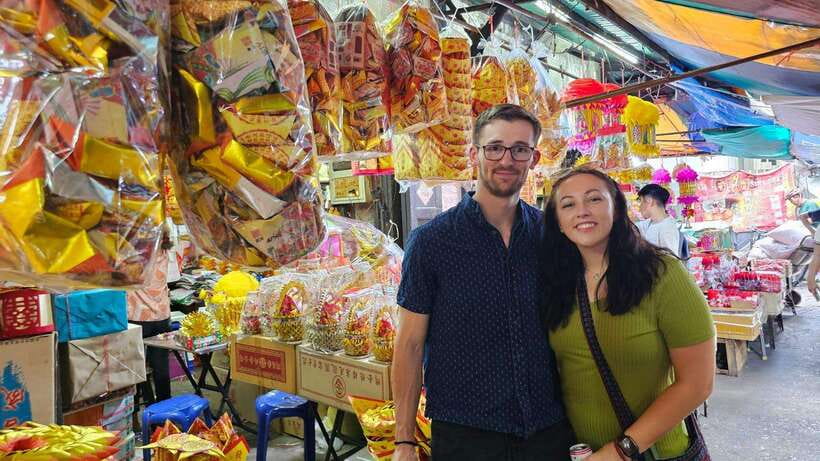
Food is the main event, but the route also includes landmarks and temples tied to Chinatown’s heritage. These visits break up the tasting and give you a better sense of the district beyond its stalls.
The tour information does not name each temple or promise entry into every landmark. You should expect sightseeing along the walking route, with the guide explaining the significance of places you pass or visit. That is valuable because the food makes more sense when you see the streets, religious sites, and market areas around it.
The balance is sensible. A full three hours of standing at food counters could feel repetitive, while a food walk with cultural stops gives you time to reset your appetite. The tradeoff is that this will not offer the same depth as a dedicated temple tour. If your priority is detailed architecture or extended temple visits, choose a separate cultural tour.
Bring a camera if you enjoy recording street scenes and food preparation. An umbrella, sunscreen, water, and rain gear are also recommended. Bangkok weather can make a walking route less comfortable, and the tour does not include hotel pickup or drop-off.
Same coastline, a completely different day out:
- Bangkok: Damnoen Saduak Market and Maeklong Railway Market
★ 4.5 · 26,723 reviews - The Old Siam: Damnoen Saduak and Maeklong Railway Market
★ 4.5 · 10,992 reviews - From Bangkok: Ayutthaya Temples Guided Tour with Lunch
★ 4.7 · 10,535 reviews - Bangkok: Train Market & Floating Market with Boat Ride
★ 4.7 · 9,547 reviews
The guides make the difference
The tour is led in English by a licensed local guide. Kwan and Peak are the two guide names connected with the experience. Kwan is noted for keeping the route well organized, while Peak is noted for taking a group to places away from the most tourist-focused stops and explaining Thai food culture.
Those details matter on a food walk. The number of tastings can become confusing if the timing is poor, and a guide has to keep the group moving while allowing enough time to eat and ask questions. Kwan’s organization is especially useful when you are visiting 10 to 12 locations in only three hours.
A local guide also helps with vendor interaction. You may learn how a dish is prepared, ask about ingredients, or watch a cooking method that would be easy to miss while walking alone. The experience allows private groups, which may suit you if you want a more personal pace or prefer not to share the outing with a larger crowd.
The available information does not give a standard group size, so do not book on the assumption that the tour will be intimate unless you select the private-group option. The live guide speaks English, and that is the only listed tour language.
The major issue: strict food restrictions
I would make the dietary warning your first booking check, not a footnote. Most food vendors contain pork, and there are no replacement dishes for most stops.
This tour is not suitable for:
- Vegans
- Vegetarians
- Pescatarians
- People seeking halal food
- People with gluten intolerance
- People with food allergies
Seafood may appear at some vendors, but the tour cannot promise fish or seafood alternatives at every stop. That makes it unsuitable for pescatarians, even if you occasionally eat shellfish or fish.
People with allergies should also avoid assuming that a dish can be adjusted. The information specifically says the tour is not suitable for people with food allergies. If you have a serious allergy, a food experience with known substitutions and ingredient controls would be a safer choice.
For diners without restrictions, the pork-heavy menu is not a minor detail. It shapes the whole route. If pork is a normal part of your diet and you enjoy trying several small dishes, the limitation may not bother you. If you prefer broad menu choice, this is the wrong tour.
Is $43 fair for three hours?
At $43 per person, the price includes the guided walk, 10 to 12 foods, drinks, bottled water, local history and cultural information, vendor interaction, cooking activities, and visits to landmarks and temples. You also avoid the guesswork of finding and ordering at a dozen unfamiliar stops.
That can be good value if you are hungry and want a structured introduction to Chinatown. Eating your way through this many places independently could cost less, but you would need to find each stop, understand the menu, manage portions, and learn the cultural background on your own. The tour fee pays for access, organization, and interpretation as much as it pays for the food.
The value is weaker if you want a quiet meal, a cooking course, or a specialist temple visit. It is also a poor use of money if you cannot eat pork or need dietary substitutions, since much of the included food would not work for you.
The reserve-now-and-pay-later option gives you flexibility, and cancellation is free up to 24 hours before the start for a full refund. Starting times vary, so check availability when choosing a date.
Who will enjoy this food walk?
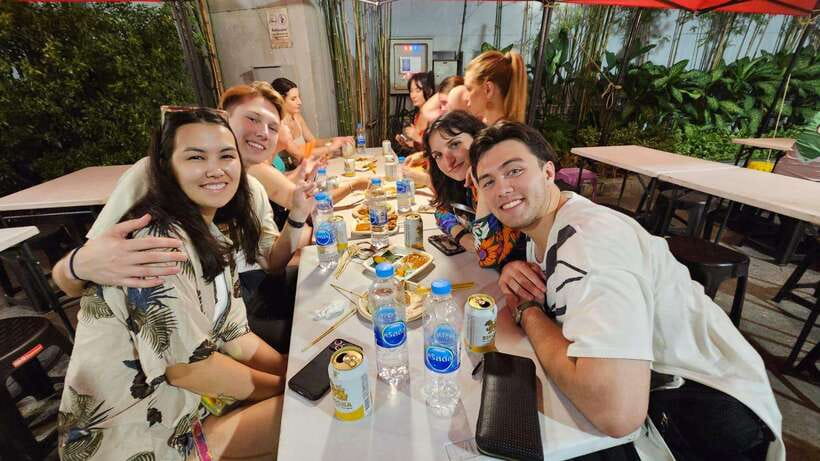
I would recommend it to first-time visitors who want a quick, food-led introduction to Chinatown. It suits curious eaters who like small portions, street food, and a guide who can explain what is happening around them.
It also works for people who want more than a list of dishes. The market visit, landmarks, temples, and vendor conversations give the walk a cultural purpose. You will leave with a better sense of how the district’s food and communities fit together.
The tour may suit private groups especially well. Friends or families with matching food preferences can set a more comfortable pace, ask more questions, and avoid the awkwardness of a shared group managing different appetites.
I would not choose it for wheelchair users. The activity is a walking tour through street-food areas, and it is explicitly listed as unsuitable for wheelchair users. I would also avoid it if you need a calm, air-conditioned setting or a carefully controlled meal.
Practical tips for a smoother walk
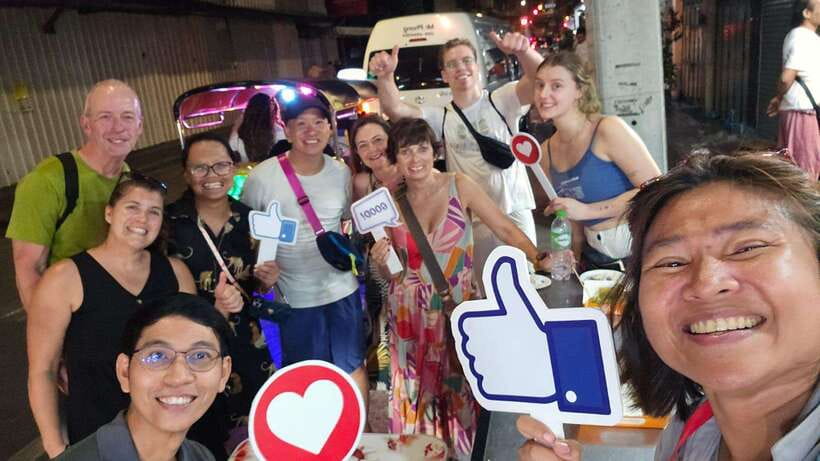
Meet in front of I’m Chinatown Mall, not at your hotel. Give yourself enough time to reach the meeting point because hotel transportation is not included.
Wear shoes that can handle three hours on foot. Bring sunscreen and water, even though bottled water and refreshments are supplied. An umbrella and rain gear are sensible additions, since the tour takes place outdoors and weather can change.
Arrive with room in your stomach. Ten to 12 tastings is a lot, and the total can be more filling than you expect. You do not need to treat every stop as a full serving.
Alcohol is not included. Plan your drinks around the included refreshments and bottled water unless you choose to buy something separately.
Finally, read the dietary rules before paying. The no-substitution policy is unusually firm, and the tour operator is clear that pork is common at the stops. That honesty is useful, but it also means you should not count on last-minute changes.
Should you book the Mouthwatering Journey Food Tour?
Book it if you want a focused three-hour introduction to Bangkok Chinatown, enjoy pork-based Thai and Chinese food, and like learning from a local guide while you eat. Kwan’s organized style and Peak’s local stops add confidence that the route is more than a random run through snack stalls.
The strongest features are the number of tastings, the mix of Thai and Chinese dishes, the vendor interaction, and the cultural stops. The price is reasonable for a guided route with food and drinks included, especially if this is your first visit to Chinatown.
Skip it if you are vegetarian, vegan, pescetarian, gluten-intolerant, seeking halal food, managing allergies, or using a wheelchair. For everyone else, bring comfortable shoes, a flexible appetite, and a willingness to try unfamiliar dishes. That is where this tour earns its place.
FAQ
Where does the Bangkok Chinatown food tour start?
The tour meets in front of I’m Chinatown Mall in Bangkok.
Where does the tour finish?
The walking route returns to I’m Chinatown Mall.
How long does the tour last?
The tour lasts three hours.
How many foods are included?
You can expect to try 10 to 12 foods, along with drinks, bottled water, and refreshments.
Is the tour suitable for vegetarians or people who need gluten-free food?
No. The tour does not provide vegetarian, vegan, or gluten-free options. Most vendors use pork, and replacements are not available at most stops.
Is hotel pickup included?
No. Hotel pickup and drop-off are not included, so you must make your own way to the meeting point.
More Food in Bangkok
- Bangkok Authentic Tasting Thai-Chinatown Walking Food Tour
★ 4.9 · 852 reviews - Bangkok: Tuk Tuk Adventure Chinatown Michelin Food & Temples
★ 4.3 · 725 reviews - Bangkok Tuk-Tuk Tour by Night with Chinatown Street Food Meal
★ 5.0 · 635 reviews - Bangkok: Must-Try Hidden Bike & Food Experience
★ 4.9 · 613 reviews
More Food & Drink in Bangkok
- Bangkok: White Orchid Chao Phraya Dinner Cruise free Beer
★ 4.4 · 4,573 reviews - Bangkok by Night: Temples, Markets and Food Tuk-Tuk Tour
★ 5.0 · 3,752 reviews - Bangkok: Michelin Guide Street Food Tour by Tuk Tuk
★ 4.4 · 1,274 reviews - Old Siam Bangkok Food Tour with 15+ Tastings
★ 5.0 · 867 reviews
Just added around Bangkok
- Damnoen Saduak Floating Market Small Group Tour★ 4.0 · 107 reviews
- Angkor Wat 2-Day Tour from Bangkok★ 5.0 · 8 reviews
- Arrival Private Airport Transfer : Bangkok Airport to Hotel in Bangkok★ 4.5 · 142 reviews
- Private Best of Bangkok Full Day Highlights City Tour★ 4.5 · 13 reviews
- Ancient Wonders of Ayutthaya with Return Scenic River Cruise★ 4.0 · 31 reviews
- Private Ancient city of Ayutthaya Shore Excursion★ 5.0 · 9 reviews
- Ancient City Ayutthaya Private Guided Day Tour★ 5.0 · 49 reviews
- Ancient City Bangkok and Erawan Museum Tickets★ 4.5 · 8 reviews
Street Food & Tuk Tuk Tours, compared.

Southern Flavors Phuket Food Tour with 15+ Tastings
Read our review →Bangkok Backstreets Food Tour with 15+ Tastings
Read our review →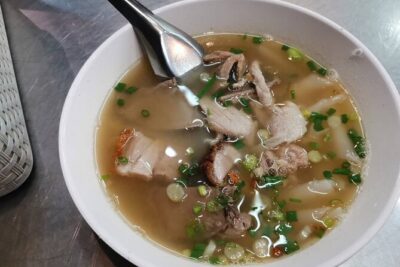
Bangkok Authentic Tasting Thai-Chinatown Walking Food Tour
Read our review →Browse the lists this tour appears in