
Review · TEMPLE TOURS
Chiang Mai: Doi Suthep & Wat Umong Twilight Tour with Pickup
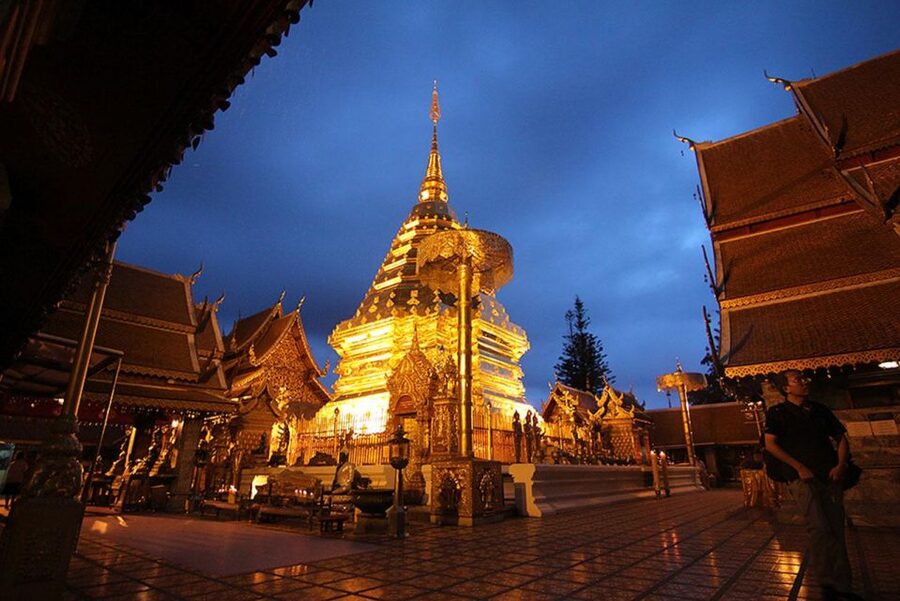
Wat Umong feels most appealing at twilight, when its old tunnels and forest paths grow quiet and the heat begins to fade. Then the tour carries you up Doi Suthep, where the golden temple glows after dark and Chiang Mai’s lights spread below. I like the cooler timing and the chance to see two very different temples in one evening. The main drawback is a tight schedule, especially at Wat Umong, and the van may feel hot or stuffy.
I also like the strong guide service, with guides such as New and Yoyo praised for clear English, good humor, and useful stories about Thai customs. You should know that this is not an easygoing stroll: both temples involve walking, and Doi Suthep requires more than 300 Naga-lined steps unless you use another access option available at the site.
In This Review
- Key points at a glance
- Why an evening visit changes Chiang Mai’s temples
- Wat Umong: tunnels, trees, and old Lanna art
- Doi Suthep after dark: Chiang Mai below the mountain
- What the guide adds to the evening
- The van ride and pickup details that matter
- What to wear and bring for a respectful visit
- Who gets the best value from this tour?
- Should you book the Doi Suthep twilight tour?
- FAQ
- How long does the tour last?
- Where is hotel pickup available?
- What languages does the guide speak?
- Are temple entry fees included?
- What should I wear to the temples?
- Is the tour suitable for people with mobility impairments?
- Can I cancel the booking?
Key points at a glance
- Wat Umong after sunset: Explore a 700-year-old forest temple, its tunnels, and old Lanna wall paintings during the cooler part of the day.
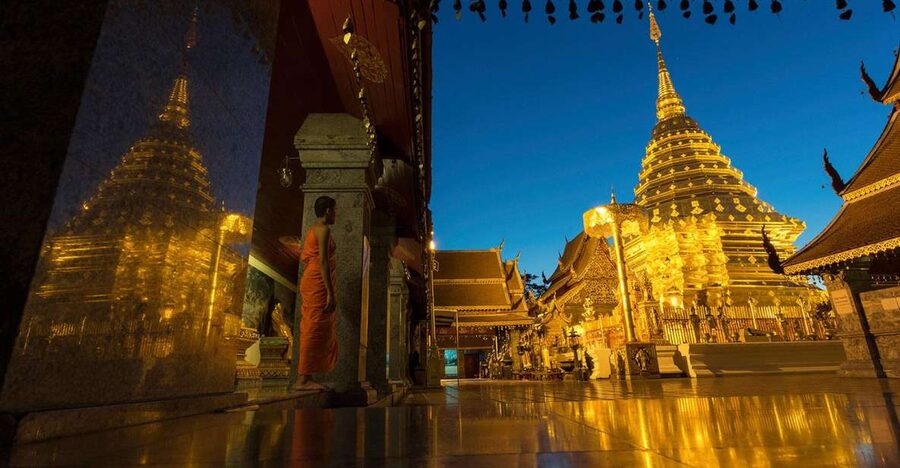
- Doi Suthep under the stars: See the famous gold-covered temple lit at night, with views over Chiang Mai.
- A cultural evening: Your guide explains the serpent staircase, northern Thai design, temple customs, and monk ceremonies.
- Useful timing: Pickup begins around 5 to 5:30 PM, leaving your daytime free for markets, museums, or a cooking class.
- Good value at $26: Transport, entry fees, hotel pickup in Chiang Mai’s old town, and a live Thai or English guide are included.
- A few practical limits: The schedule allows about 1.5 hours at each temple, and the tour is not suited to people with mobility impairments.
Why an evening visit changes Chiang Mai’s temples
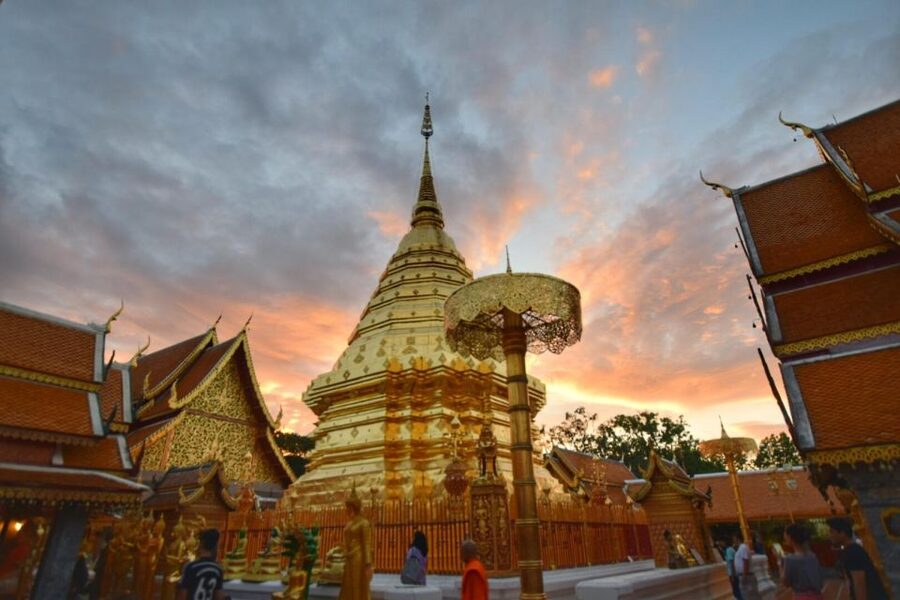
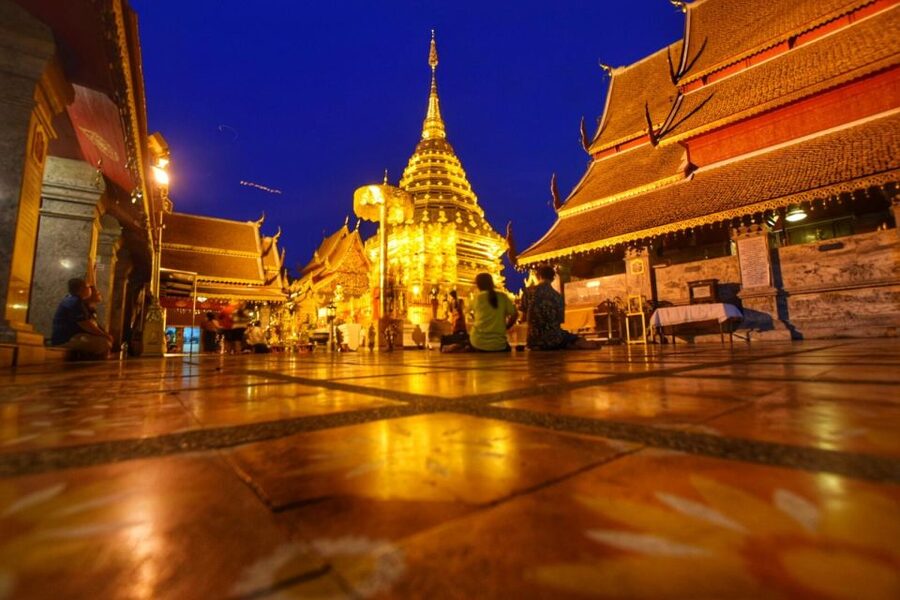
Chiang Mai’s best-known temple, Wat Phra That Doi Suthep, can feel very different after the sun drops. Daytime heat and crowds are replaced by cooler air, dimmer corners, and the warm glow of the temple’s gold facade. You still see an active place of worship, though, not a museum closed for the night.
That distinction matters. You may see monks praying or taking part in a ceremony, and you should treat the visit as a religious experience first and a sightseeing stop second. The evening setting gives the temple a quieter mood, but it does not make the place empty.
This tour also pairs Doi Suthep with Wat Umong, which gives you two contrasting views of northern Thai Buddhism. Wat Umong is low, wooded, and inward-looking. Doi Suthep sits high above the city and opens your view outward. I like that contrast more than a tour that simply strings together several similar temples.
The twilight start is practical, too. You keep your morning and early afternoon free, then meet the guide in the old town between 5 and 5:30 PM. For a short stay in Chiang Mai, that can make the tour easier to fit around other plans.
More Temple Tours in Chiang Mai
- Chiang Rai White Temple and Blue Temple Day Tour
★ 4.6 · 3,366 reviews - Chiang Mai: Doi Suthep and Wat Umong Enchanting Evening Tour
★ 4.6 · 1,811 reviews - Chiang Mai: Doi Suthep, Wat Umong, and Pha Lat Sunrise Tour
★ 4.7 · 1,425 reviews
Wat Umong: tunnels, trees, and old Lanna art
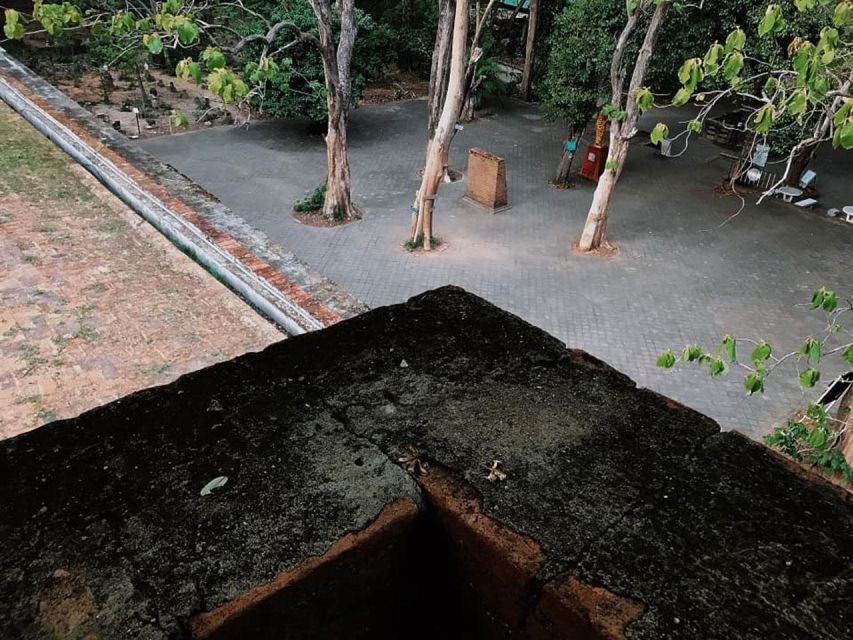
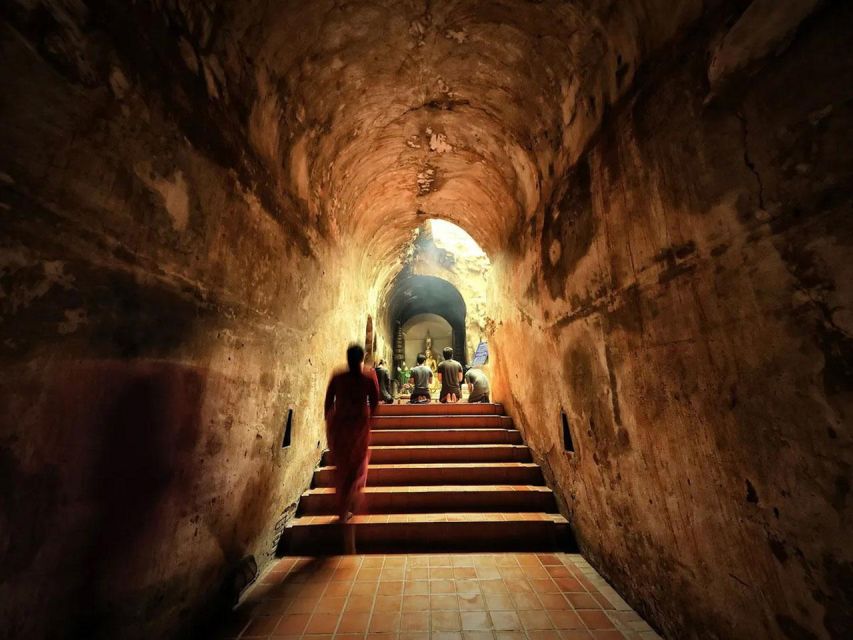
The first stop is Wat Umong, about 30 minutes from Chiang Mai by van. The temple is around 700 years old and is known for its tunnel complex and forest setting. You spend about 1.5 hours here, including a guided visit and walking time.
The tunnels are the star of the stop. They give Wat Umong a close, enclosed feel, while the surrounding trees soften the noise of the city. As daylight fades, the setting becomes calm and atmospheric without needing elaborate entertainment. You are there to look carefully, listen, and let the place work at its own pace.
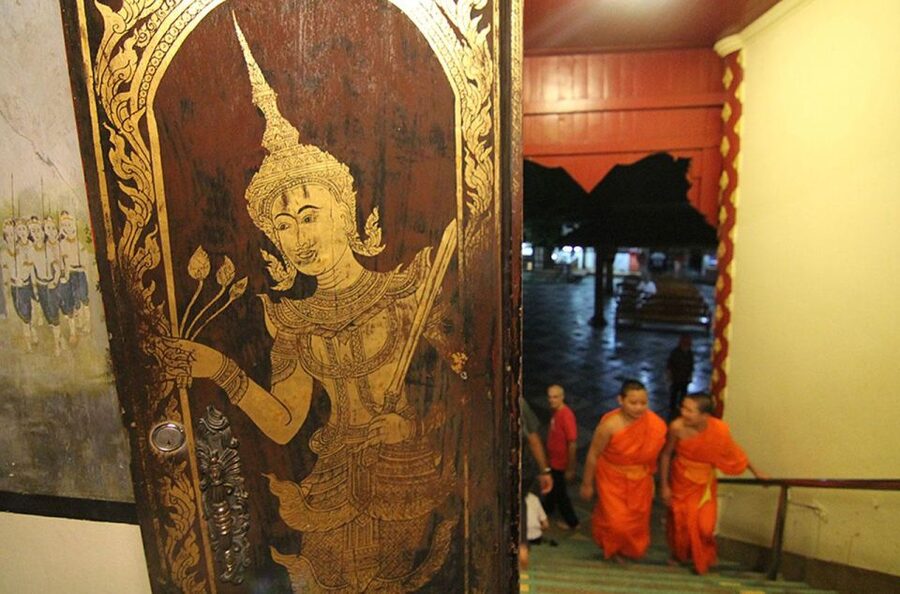
Your guide can point out the Lanna Dynasty wall paintings and explain the role of the temple within northern Thailand’s Buddhist tradition. The paintings are old, so do not expect bright, polished decoration. Their value lies in their age and connection to the region’s past.
I would set your expectations carefully here. Wat Umong may not make the same immediate visual impact as Doi Suthep. One guide may spend more time on the tunnels and art, while another may move through the grounds quickly to protect time for the mountain temple. One person who joined the tour felt this stop deserved more time, and I can see why.
You should also be ready for changing conditions. After rain, large numbers of moths can appear around the temple at night. This is not a regular attraction, and it can be unpleasant if insects fly into your eyes or face. If the weather has been wet, carrying a light mask may be sensible, especially if someone in your group is sensitive to insects.
Wat Umong works best for you if you enjoy atmosphere over spectacle. If you want the most dramatic temple view and the strongest photographs, Doi Suthep will probably be the high point. If you enjoy older details, shadowy passages, and a forest setting, give Wat Umong your full attention rather than treating it as a warm-up.
Doi Suthep after dark: Chiang Mai below the mountain

After Wat Umong, the van takes you toward Wat Phra That Doi Suthep. The second transfer is part of the tour’s appeal, since you move from a quiet city temple into the hills as evening settles in.
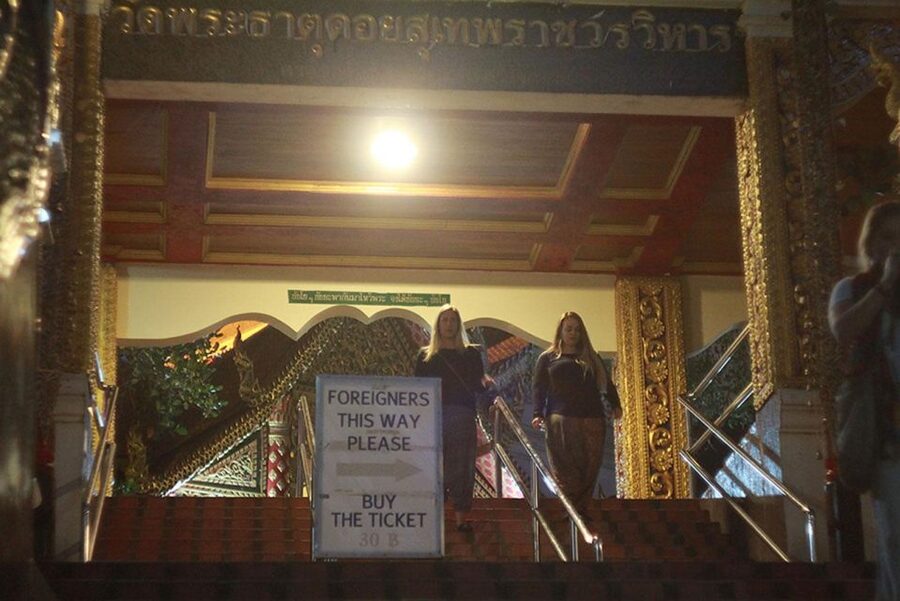
Doi Suthep is reached by more than 300 steps decorated with Naga, the serpent figures common in Thai religious art. Your guide explains why the staircase uses these creatures and how they connect to local beliefs. The climb is a real part of the visit, so wear shoes with a secure grip and do not arrive in stiff clothing or sandals that slip.
At the top, the gold temple catches the light in a way it cannot during the middle of a hot afternoon. The facade glows against the darker sky, and the city below becomes a spread of lights. Several people found the view especially striking, and it is easy to understand why this is usually the evening’s main reward.
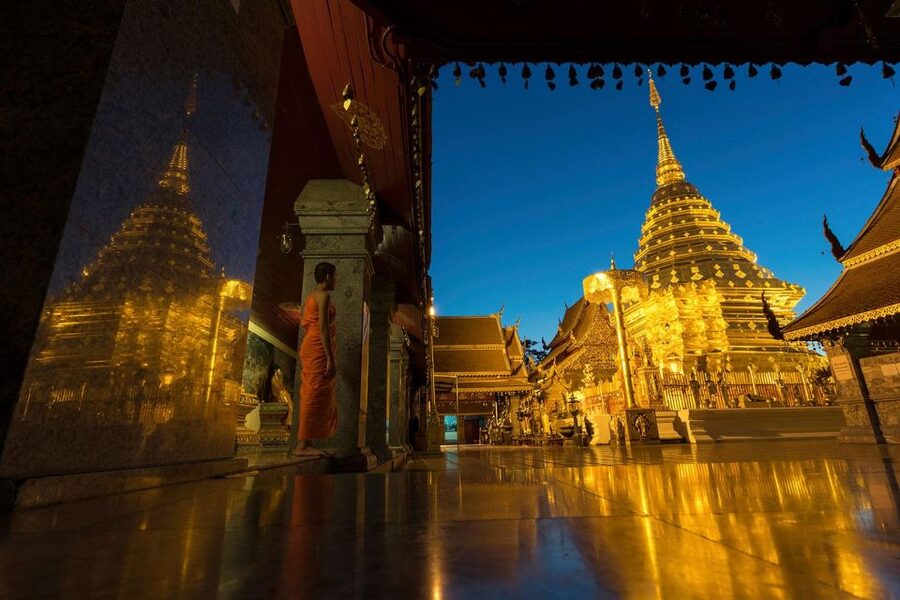
The temple grounds remain a place of prayer. You may see monks carrying out a ceremony, people making offerings, or worshippers sitting quietly. Your guide can help explain what is happening, but you should avoid turning a ceremony into a photo session. Dress modestly, cover your shoulders and knees, and follow instructions about footwear and temple behavior.
The timing gives Doi Suthep a cooler feel than a daytime visit. That can make the stairs and open temple areas easier to handle, though the tour does not remove the physical effort. You have around 1.5 hours here, enough to climb, hear the explanation, look around the main temple, and take in the city view.
There can be occasional visual distractions. At one point, scaffolding and gold cloth partly covered areas of Doi Suthep, which reduced the impact for one visitor. Temple maintenance is normal, but it is worth keeping your expectations flexible. Even with some repair work, the nighttime setting and mountain view remain the main reasons to choose this tour.
What the guide adds to the evening
This experience depends heavily on the person leading it. The best guides do more than identify a statue or repeat dates. They explain why the Naga staircase matters, how Lanna design differs from other Thai styles, and what you are seeing during a monk ceremony.
Guides named New and Yoyo received especially strong praise for their clear English, friendly manner, humor, and ability to answer questions about Chiang Mai. New was also noted for projecting her voice so the whole group could follow. That is useful in temple courtyards, where soft explanations can disappear under footsteps and conversation.
The guide also manages the evening’s rhythm. You need enough time at Wat Umong to understand the tunnels, but you do not want to reach Doi Suthep after the best light has gone. A good guide keeps the group moving without making the visit feel rushed.
Still, the experience will not be identical every night. Guide style, traffic, weather, temple activity, and crowd levels can change the feel. The supplied score of 4.4 from 112 ratings suggests a strong overall experience, but not a perfect one. The mixed points are clear: Wat Umong may feel short, transport comfort can vary, and conditions such as moths or scaffolding can affect the evening.
Same coastline, a completely different day out:
- Half-Day Thai Cooking Class at Organic Farm in Chiang Mai
★ 5.0 · 19,087 reviews - Chiang Mai: Elephant Sanctuary, Waterfall & Bamboo Rafting
★ 4.9 · 9,160 reviews - Chiang Mai: Doi Inthanon National Park Eco-Friendly Tour
★ 4.6 · 6,667 reviews - Chiang Mai: Elephant Sanctuary & Waterfall Group Tour
★ 4.9 · 5,780 reviews
The van ride and pickup details that matter
Hotel pickup and drop-off are included for hotels within Chiang Mai’s old town. Pickup begins between 5 and 5:30 PM, and you should wait in the hotel lobby at least 10 minutes before the scheduled time. If you are more than 10 minutes late, you may be treated as a no-show after the guide moves on.
The drive to the first temple takes about 30 minutes, with another 30 minutes back to Chiang Mai at the end. That leaves roughly three hours for the two temple visits, walking, explanations, and the mountain climb.
The van is convenient, especially if you do not want to bargain with a songthaew or arrange separate transport to Doi Suthep. It also keeps the evening simple: pickup, two major sites, and return to your hotel. For $26 per person, the included transfers and entry fees make the price fair.
Comfort is less certain. One person found the van stuffy and hot because the cooling was not strong enough. You may want to carry water and avoid wearing heavy layers. The route also includes mountain roads, so anyone who gets carsick should plan accordingly, though no specific motion-sickness provision is included.
The tour is offered with Thai or English-speaking guides. If you need a language other than English, this is not the right choice based on the available information.
What to wear and bring for a respectful visit
Bring your passport or an accepted copy of your ID. The operator also advises modest clothing for the temples. Cover your shoulders and knees, and choose clothing that lets you climb stairs comfortably.
Shoes matter more than style here. Wat Umong includes walking through and around tunnels, while Doi Suthep involves a long Naga staircase. Comfortable shoes with a good grip will make the evening easier.
A small bottle of water is useful, especially if Chiang Mai remains warm after sunset. If there has been daytime rain, a face covering may help with moths at Wat Umong. This is a precaution, not a standard requirement.
The route is not suitable for people with mobility impairments. Families can take the tour, but the stairs, walking, and fixed schedule may be demanding. One person completed it with a baby but found the experience difficult. If you are traveling with a young child, think carefully about carrying arrangements and how your child handles evening temple visits.
Who gets the best value from this tour?
I would choose this tour if you want a simple introduction to Chiang Mai’s two major temple settings and prefer sightseeing after the worst heat has passed. It suits first-time visitors, short-stay visitors, and anyone who has daytime plans already booked.
It is also a good match if you value explanation. The sites are easy to photograph on your own, but the Lanna art, tunnel design, Naga staircase, and monk ceremony mean more when someone explains their purpose.
The tour is less suited to you if you want long, quiet time at each temple. The schedule gives approximately 1.5 hours per stop, and the guide must keep the group moving. It is also not ideal if you need a highly comfortable vehicle, have difficulty with stairs, or want guaranteed clear views and perfect photo conditions.
At $26, the value is strongest when you use the included transport and guide. Hiring separate transport to both places could take more planning, especially for Doi Suthep at night. You are not paying for a luxury outing, but you are getting a useful route, entry fees, hotel pickup in the old town, and cultural context at a modest price.
Should you book the Doi Suthep twilight tour?
Book it if the thought of seeing Doi Suthep glowing after sunset appeals to you more than spending a full day at the mountain. The cooler air, city lights, and chance to witness temple life in the evening make this a smart use of four hours.
I would book with three expectations: Wat Umong may feel brief, the van may not be especially cool, and weather or maintenance can change the mood. Bring respectful clothing, arrive early in the lobby, and leave room for the evening to be atmospheric rather than perfectly controlled.
The strongest reason to go is the pairing. Wat Umong gives you tunnels and forest silence. Doi Suthep gives you gold, mountain air, prayer, and a view over Chiang Mai. If you can manage the walking and prefer a guided visit, this is a well-priced evening with a clear sense of place.
FAQ
How long does the tour last?
The tour lasts four hours, including approximately 30 minutes of travel to the first temple, visits to Wat Umong and Doi Suthep, and about 30 minutes returning to Chiang Mai.
Where is hotel pickup available?
Pickup and drop-off are available at hotels within Chiang Mai’s old town. Pickup begins between 5 and 5:30 PM.
What languages does the guide speak?
The tour is available with a live guide speaking Thai or English.
Are temple entry fees included?
Yes. Temple entry fees are included in the tour price, along with the guide and hotel transportation.
What should I wear to the temples?
You should dress modestly when visiting the temples. Clothing should cover the shoulders and knees, and comfortable footwear is recommended for the walking and staircase at Doi Suthep.
Is the tour suitable for people with mobility impairments?
No. The experience is not considered suitable for people with mobility impairments because it includes walking and more than 300 steps at Doi Suthep.
Can I cancel the booking?
You can cancel up to 24 hours in advance for a full refund. You can also reserve now and pay later, subject to the booking terms.
Just added around Chiang Mai
- Taste of Chiang Mai: Michelin Guide & Street Food Tour★ 4.9 · 159 reviews
- Red, Blue, White Temples & Hot Spring Trip from Chiang Mai★ 4.4 · 143 reviews
- From Chiang Mai: Mae Taeng Valley and Waterfalls Cycle Tour★ 4.9 · 159 reviews
- Long Neck Village, Silver Temple & Chiang Mai Top Sites★ 4.7 · 17 reviews
- Chiang Mai: Local Northern Thai Cooking Class at Grandma’s★ 5.0 · 33 reviews
- Chiang Mai: Khum Khantoke Northern Thai Cuisine and Show★ 4.3 · 38 reviews
- Private : Sticky Waterfall & Secret Temple & Karen Village.★ 5.0 · 9 reviews
- Half-day with CHIANGMAI ELEPHANT CARE program (12pm-6pm.)★ 5.0 · 27 reviews
Temple Tours, compared.
City Highlights Temple and Market Walking Tour
Read our review →
Grand Palace, Wat Pho, and Wat Arun Guided Tour
Read our review →
Tiger Cave Temple, Emerald Pool and Hot Springs Tour
Read our review →
Chiang Rai White Temple and Blue Temple Day Tour
Read our review →
Grand Palace and Wat Phra Kaew Guided Walking Tour
Read our review →
Grand Palace, Wat Pho, Wat Arun Sacred & Local Tour
Read our review →
Doi Suthep and Wat Umong Enchanting Evening Tour
Read our review →
Browse the lists this tour appears in