
Review · HISTORICAL TOURS
Chiang Mai: Historical and Culture Exploration Walking Tour
Chiang Mai’s story makes the most sense on foot, and this tour takes you straight to its historic core: the Three Kings Monument, Wat Phra Singh, and the huge ruined chedi of Wat Chedi Luang. I especially like the small group limit of eight, which gives you a fair chance to ask questions, and the focus on Lanna culture rather than temple snapshots alone.
I also like that the $15 price includes temple entrance fees, water, insurance, and an English-speaking guide. Guides including Bim, Bin, Emmy, Farm, and Amy have been singled out for friendly, lively teaching. The main drawback is that this is a walking tour in Thailand’s heat, and the clothing rules mean you need to plan your outfit before leaving your hotel.
In This Review
- Key points at a glance
- Why this short walk is a useful first look at Chiang Mai
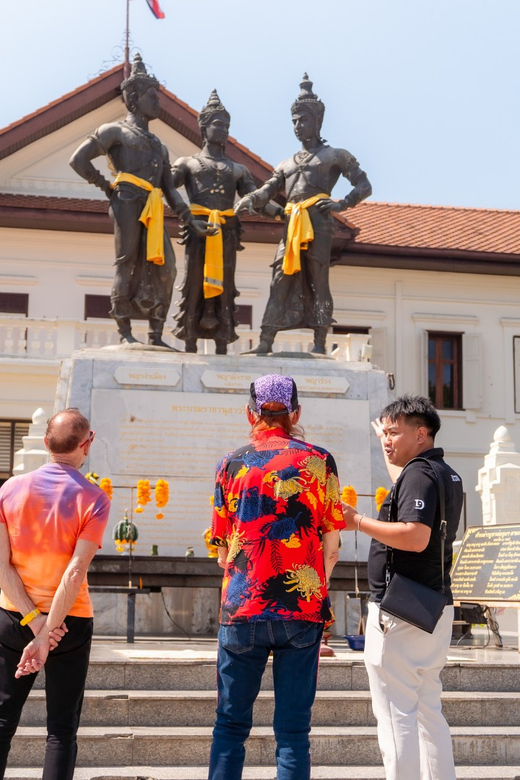
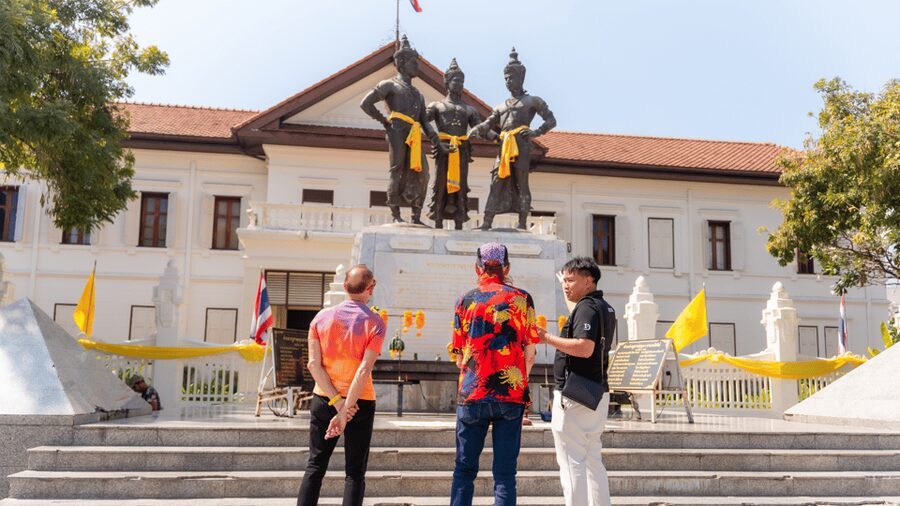
- Starting at the Three Kings Monument
- Walking 20 minutes to Wat Phra Singh
- Reading Wat Phra Singh’s northern Thai design
- The 15-minute walk to Wat Chedi Luang
- Seeing the ruins and the Buddha inside
- What the guide adds to the temple visits
- Is $15 good value?
- Clothing, comfort, and temple manners
- Who will get the most from this tour?
- Should you book the Chiang Mai old city walk?
- FAQ
- How long does the tour last?
- Where does the tour begin?
- Where does the tour finish?
- Which places does the tour visit?
- Are temple entrance fees included?
- What languages are available?
- What should I wear and bring?
Key points at a glance
- Three Kings Monument sets the story: Begin with King Mangrai, the founder of Chiang Mai and first king of the Lanna Kingdom.
- Wat Phra Singh offers fine northern Thai detail: See the Lai Kam Assembly Hall, woodcarving, murals, and a pagoda linked with the Year of the Dragon.
- Wat Chedi Luang brings scale and drama: Walk around a 600-year-old temple site and view the Buddha inside.
- Lanna culture gets more attention than sightseeing alone: The guide explains spiritual customs, art, traditions, and daily life.
- A small group keeps the tour personal: The maximum is eight people, with time for questions.
- The $15 cost is strong value: Tickets, water, insurance, and guiding are included, but hotel transfers are not.
Why this short walk is a useful first look at Chiang Mai
Chiang Mai can seem easy to understand at first. There is a square old city, a moat, plenty of temples, and cafés tucked into old lanes. The harder part is seeing how those pieces fit together. This tour gives you that framework in about two and a half hours.
You begin at the Three Kings Monument, then walk to two of the old city’s most important temples. That route is compact, but it covers the essentials: the founding of Chiang Mai, the religious life of the Lanna kingdom, northern Thai design, Buddhist practice, and the city’s continuing connection with its past.
I would choose this experience early in a Chiang Mai visit. Once you know who King Mangrai was and why the old city’s temples matter, later sightseeing becomes easier to read. You will recognize the Lanna style, understand why certain images appear in temple buildings, and have a better sense of why Chiang Mai feels different from Bangkok or Thailand’s southern resort towns.
The published information contains one odd timing detail: the summary lists a duration of three minutes, while the detailed route adds up to roughly two and a half hours. Treat the tour as a 2.5-hour walking experience and check the actual starting time when booking.
A few more Chiang Mai trips to weigh up
- Chiang Mai: Historic Temples and City Guided Walking Tour
★ 4.7 · 650 reviews - Chiang Mai: Historic Old City Bike Tour – Morning or Night
★ 4.7 · 263 reviews - Chiang Mai: Private Historic Old City Bike Tour – Night
★ 4.7 · 143 reviews
Starting at the Three Kings Monument
The Three Kings Monument is a practical meeting point in the heart of the old town. It gives the tour an immediate sense of place, rather than beginning at a hotel or on the edge of the city.
The opening visit lasts about 30 minutes. Your guide gives a safety briefing and introduces King Mangrai, the first king of the Lanna Kingdom and the founder of Chiang Mai. This is more than a quick historical footnote. Mangrai’s role explains why Chiang Mai became the center of a northern kingdom and why Lanna culture remains such an important part of the city’s identity.
I like this beginning because it gives you a story before you enter the temples. Without that context, a chedi can look like an impressive old structure and little more. With it, the buildings become part of a royal and religious center that has shaped the city for centuries.
The monument itself is also a useful orientation point. You are already inside the old town, close to museums, temples, food stalls, and narrow streets. Since the tour finishes at Wat Chedi Luang rather than returning to the starting point, you can continue exploring from there afterward.
Arrive on time. The guide will be waiting at the monument, and this is a small-group tour, so a late arrival could be more disruptive than it would be on a large coach outing.
Walking 20 minutes to Wat Phra Singh
The walk from the Three Kings Monument to Wat Phra Singh takes about 20 minutes. That distance is short enough for most people who are comfortable walking, but it is still worth wearing proper shoes. The tour moves through the old city rather than simply transporting you from gate to gate, so you get a better sense of the area’s layout.
This is also where the weather matters. Chiang Mai can be hot, and a 20-minute walk followed by temple visits may feel different at midday than it does in late afternoon. One group chose a 5 p.m. departure and found the cooler timing helpful, with golden light around the temples. Starting later may suit you if heat is a concern, but available times need to be checked before booking.
The tour information says the experience is conducted on foot and does not include hotel pickup or drop-off. One booking experience included tuk-tuk rides arranged during the outing, but I would not treat that as a guaranteed part of every departure. Plan to meet at the Three Kings Monument and arrange your own return from Wat Chedi Luang.
Reading Wat Phra Singh’s northern Thai design
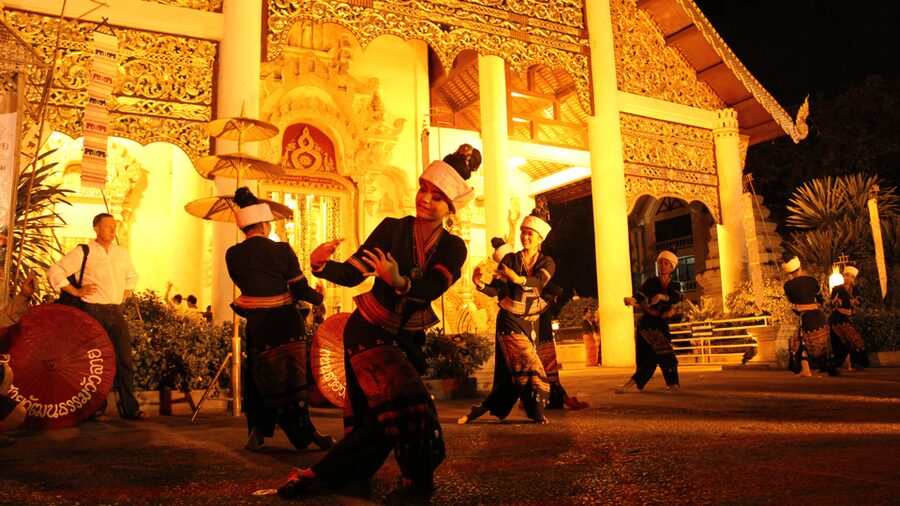
Wat Phra Singh is the second most revered temple in Chiang Mai, and the tour allows about 40 minutes for a guided visit. That is enough time to look closely at the buildings and hear why they matter, though it is not a leisurely museum-style exploration.
The temple is known for northern Thai architecture, intricate woodcarving, and murals. These details are worth slowing down for. The woodwork shows how decoration can carry religious meaning, while the murals offer a window into stories, customs, and artistic ideas associated with northern Thailand.
The Lai Kam Assembly Hall is a major focus. Its name is associated with gold decoration, and the hall is noted for its careful woodwork and northern Thai style. Your guide can help you notice the details that are easy to miss when you are simply walking around with a camera.
The pagoda here also has a special connection with people born in the Year of the Dragon. That small detail adds a personal angle to the visit. You are not only hearing about a building from the past. You are learning how temple symbolism can connect with the beliefs and identities of people today.
I would pay attention to the guide’s explanations about Buddhist rituals and local tradition. Past guide-led outings have included discussions of history, art, culture, traditions, and Buddhist practices. The best guides named in the feedback, including Bim and Bin, were praised for making these subjects clear and engaging rather than turning the visit into a string of dates and names.
The limitation is time. Forty minutes goes quickly at a major temple. If you enjoy photography, you may need to choose between taking many pictures and listening closely. I would listen first, then use the final few minutes for photographs.
Same coastline, a completely different day out:
- Half-Day Thai Cooking Class at Organic Farm in Chiang Mai
★ 5.0 · 19,087 reviews - Chiang Mai: Elephant Sanctuary, Waterfall & Bamboo Rafting
★ 4.9 · 9,160 reviews - Chiang Mai: Doi Inthanon National Park Eco-Friendly Tour
★ 4.6 · 6,667 reviews - Chiang Mai: Elephant Sanctuary & Waterfall Group Tour
★ 4.9 · 5,780 reviews
The 15-minute walk to Wat Chedi Luang
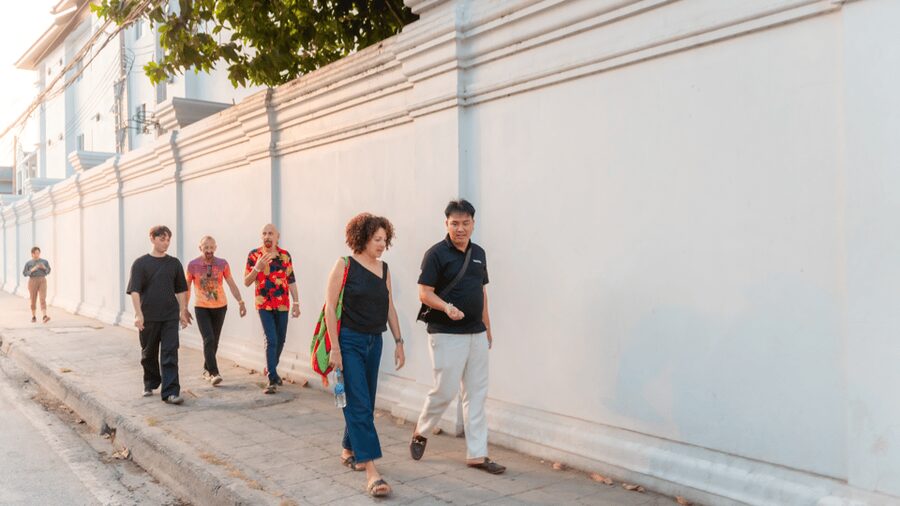
The route then continues on foot for about 15 minutes to Wat Chedi Luang. Again, comfortable shoes and modest clothing make the experience easier. The walk is not long, but two walking sections plus temple floors and courtyards add up.
Wat Chedi Luang is the larger, more dramatic stop. The site includes a 600-year-old chedi, or stupa, with major ruins that give the place a sense of age and scale. It was originally built by King Mangrai, tying the final stop back to the opening history lesson.
This progression works well. Wat Phra Singh shows you refined northern Thai design and religious decoration. Wat Chedi Luang gives you massive masonry, visible damage, and the remains of a powerful royal-era religious center. You get two different ways to understand Chiang Mai’s past without spending a full day visiting temples.
Seeing the ruins and the Buddha inside
The guided visit at Wat Chedi Luang lasts about 45 minutes. You will have time to walk around the temple grounds, see the chedi ruins, and view the Buddha inside.
The ruins are the visual centerpiece, but the guide’s explanation is what gives them meaning. The tour is designed to connect the temple to Chiang Mai’s spiritual life, not just point out an old wall. You may hear about Buddhist customs, temple practice, and how religion continues to influence local culture.
There is also an opportunity to listen to talks by monks. The supplied details do not promise a private conversation or a scheduled monk session, so I would think of this as an opportunity rather than a guaranteed extended discussion. Still, it adds a human element that a self-guided visit may not provide.
This final stop is also where you finish. That is convenient if you want to continue around the old city, but it means you should know your onward plan. Hotel drop-off is not included, and the tour does not return to the Three Kings Monument.
What the guide adds to the temple visits
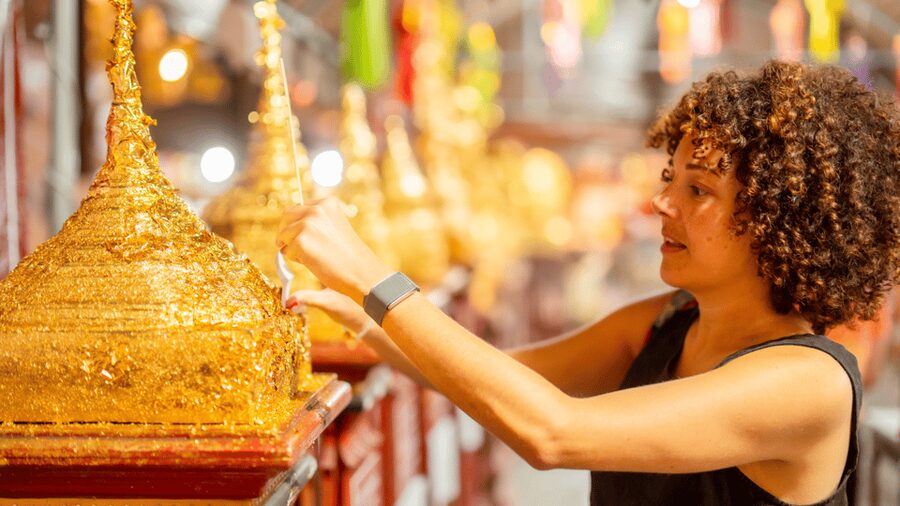
The guide is the main reason to choose this experience over visiting the same temples alone. You can walk into Wat Phra Singh and Wat Chedi Luang without a tour, but it is easy to miss the meaning behind the layout, imagery, and rituals.
The strongest guide feedback centers on warmth, clear teaching, and a relaxed manner. Bim has been praised for answering questions, sharing Lanna heritage, helping with photographs, and making a very small group feel like a personal outing. Bin was praised for explaining history, art, culture, traditions, and Buddhist rituals. Emmy, Farm, and Amy were also praised for enthusiasm, friendliness, and strong local explanations.
Guide names and quality can change with the date, so you cannot book with a promise that one particular person will lead your tour. The listed languages are English and Thai. If English is your preferred language, confirm the departure details at booking.
The group limit of eight matters here. At a temple, a large group can turn every explanation into a struggle to hear. With a small group, you can ask why a building looks a certain way, what a ritual means, or how Lanna traditions relate to modern Chiang Mai.
Is $15 good value?
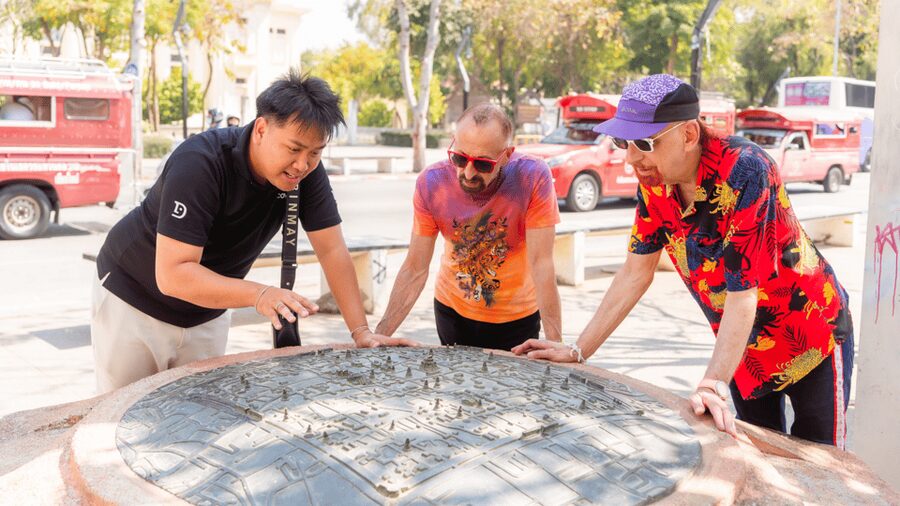
At $15 per person, I consider this a good-value introduction to Chiang Mai’s old city. The price includes the guide, temple entrance tickets, water, and tour insurance. Those inclusions remove several small costs and make the price easier to compare with a self-guided visit.
The real value is the structure. You are not paying only to enter two temples. You are paying for a route that links the Three Kings Monument, Wat Phra Singh, and Wat Chedi Luang into one understandable story.
A self-guided visit can cost less if you already know the sites and are happy to read signs or use your own guidebook. This tour makes more sense if you are visiting Chiang Mai for the first time, want cultural context, or prefer to ask questions as you go.
Hotel transport is not included. You need to reach the Three Kings Monument yourself and make your own arrangements after finishing at Wat Chedi Luang. That is a minor issue if you are staying in or near the old city, but it matters more if your accommodation is outside the center.
Clothing, comfort, and temple manners
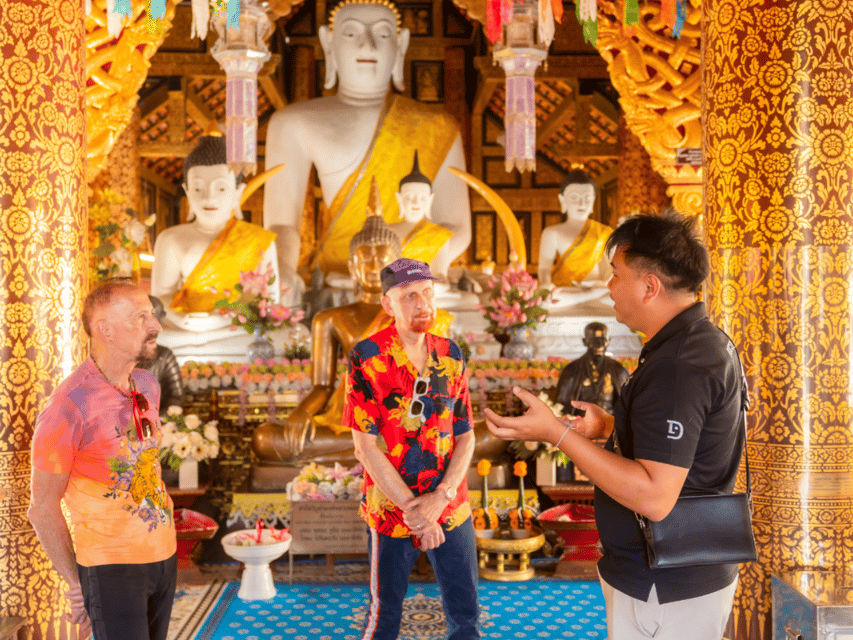
The clothing rule is clear: shorts and short skirts are not allowed. Wear clothing that covers your legs appropriately, and choose comfortable clothes for walking. It is also wise to bring a camera and water, although water is included.
Comfortable shoes are more important than stylish ones. You will walk for roughly 35 minutes between the main stops, then spend time standing and moving around temple grounds. Anyone who finds extended walking difficult should consider another format.
The experience is not suitable for wheelchair users. The supplied information does not provide detailed surface or step information, so do not assume the route can be adapted.
Dress respectfully and follow the guide’s instructions inside the temples. The tour centers on active religious places, not abandoned monuments. A calm manner and suitable clothing help you enter the sites in the right spirit.
Who will get the most from this tour?
I would recommend it to first-time visitors who want a clear introduction to Chiang Mai’s old city. It suits you if you like history, architecture, Buddhist culture, and short walks with regular stops.
It is also a good fit for solo visitors and couples who want company without joining a big group. The eight-person limit keeps the experience more personal, and the small size makes questions easier.
Families with older children may also find the format useful, especially if a guide can connect the monuments and temples into one story. The heat, walking, and clothing requirements may be less suitable for very young children.
I would be less likely to recommend it to someone who has already spent several days studying Chiang Mai’s temples or who wants a long, slow photography session at each site. The schedule is focused and informative, not unhurried.
For the best chance of avoiding the strongest heat, consider an afternoon departure if one is available. A 5 p.m. start has worked well for some bookings, bringing cooler conditions and softer light. You should still check the actual time and allow enough time to reach the monument.
Should you book the Chiang Mai old city walk?
Book this tour if you want the essentials explained by a local guide in a small group, especially at the start of your Chiang Mai stay. The route covers the city’s key historical and religious sites, the price includes admission, and the guides have earned repeated praise for being friendly, clear, and fun.
Skip it if you dislike walking, need wheelchair access, want hotel transport, or prefer to explore each temple at your own pace. Also check the duration carefully when booking, since the detailed schedule describes a 2.5-hour tour despite the separate three-minute duration note.
For $15, I think this is an efficient and worthwhile way to get your bearings in Chiang Mai. It will not cover every old-city temple, but it gives you the historical foundation and cultural context to make the rest of your stay more rewarding.
FAQ
How long does the tour last?
The detailed schedule describes a 2.5-hour experience, including visits and walks between the three main locations. A separate activity summary lists three minutes, which appears inconsistent, so check the confirmed duration when booking.
Where does the tour begin?
The tour begins at the Three Kings Monument in Chiang Mai’s old city. The guide will be waiting there, and you should arrive on time.
Where does the tour finish?
The tour finishes at Wat Chedi Luang. Hotel drop-off is not included.
Which places does the tour visit?
The route includes the Three Kings Monument, Wat Phra Singh, and Wat Chedi Luang. It includes guided visits to all three locations.
Are temple entrance fees included?
Yes. All listed temple entrance tickets are included in the price.
What languages are available?
The tour is offered with a live guide in English or Thai.
What should I wear and bring?
Wear comfortable clothes and shoes, and bring a camera. Shorts and short skirts are not allowed. Water is included.
Just added around Chiang Mai
- Taste of Chiang Mai: Michelin Guide & Street Food Tour★ 4.9 · 159 reviews
- Red, Blue, White Temples & Hot Spring Trip from Chiang Mai★ 4.4 · 143 reviews
- From Chiang Mai: Mae Taeng Valley and Waterfalls Cycle Tour★ 4.9 · 159 reviews
- Long Neck Village, Silver Temple & Chiang Mai Top Sites★ 4.7 · 17 reviews
- Chiang Mai: Local Northern Thai Cooking Class at Grandma’s★ 5.0 · 33 reviews
- Chiang Mai: Khum Khantoke Northern Thai Cuisine and Show★ 4.3 · 38 reviews
- Private : Sticky Waterfall & Secret Temple & Karen Village.★ 5.0 · 9 reviews
- Half-day with CHIANGMAI ELEPHANT CARE program (12pm-6pm.)★ 5.0 · 27 reviews
Historical Tours, compared.
UNESCO’s Ayutthaya Historical Park: Full-Day Tour from Bangkok
Read our review →
Historical City of Ayutthaya – Unesco Full Day Tour From Bangkok
Read our review →
Private Excursion to Floating Market and Ayutthaya World Heritage
Read our review →
Private Excursion to Ayutthaya, UNESCO World Heritage site with Boat Tour
Read our review →Browse the lists this tour appears in