
Review · CANOES & KAYAKS
Chiang Mai:Explore kayaking through Mae Ping River on sunset
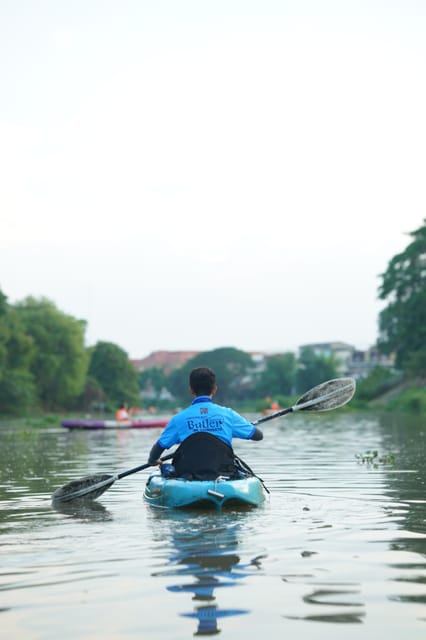
The best part of this outing comes when Chiang Mai changes shifts. In late afternoon, you paddle past Warorot Market, bridges, riverside homes, hotels, and restaurants. Then the sun drops, birds cross the sky, and city lights begin to glow on the Mae Ping River. It is a simple way to see Chiang Mai from a quieter angle.
I like the small group size, limited to 10 people, and the practical hotel pickup. I also like the guides, especially Son, Koh, Tiger, Toni, and Tono, who are praised for patience, local knowledge, photography, and helping first-time paddlers.
The main caution is the river itself. This is an urban waterway, not a clear mountain stream. One guest found the water dirty and saw dead fish, a dog, and rubbish. Heavy rain can also make the current stronger, so this is not the right choice if you want polished scenery or a completely gentle paddle.
In This Review
- Key points to know before you book
- Why paddle the Mae Ping at sunset?
- Pickup at 4:30 p.m. keeps the afternoon useful
- Warorot Market from the water
- Three or four bridges, bird nests, and city traffic
- Riverside restaurants, hotels, and lights after dark
- What the paddling feels like
- The guides make a real difference
- How good is the value at $24?
- The river is urban, and you should know that
- What to bring and who should book
- Should you book this Mae Ping sunset paddle?
- FAQ
- Where does the kayaking experience take place?
- How long does the experience last?
- How far do you kayak?
- What time is hotel pickup?
- What time do you return to Chiang Mai?
- Do I need previous kayaking experience?
- Are single and double kayaks available?
- Is equipment included?
- Is transportation included?
- What does the price include besides kayaking?
Key points to know before you book
- Sunset timing works well: Pickup is around 4:30 to 5 p.m., with paddling continuing into the early night.
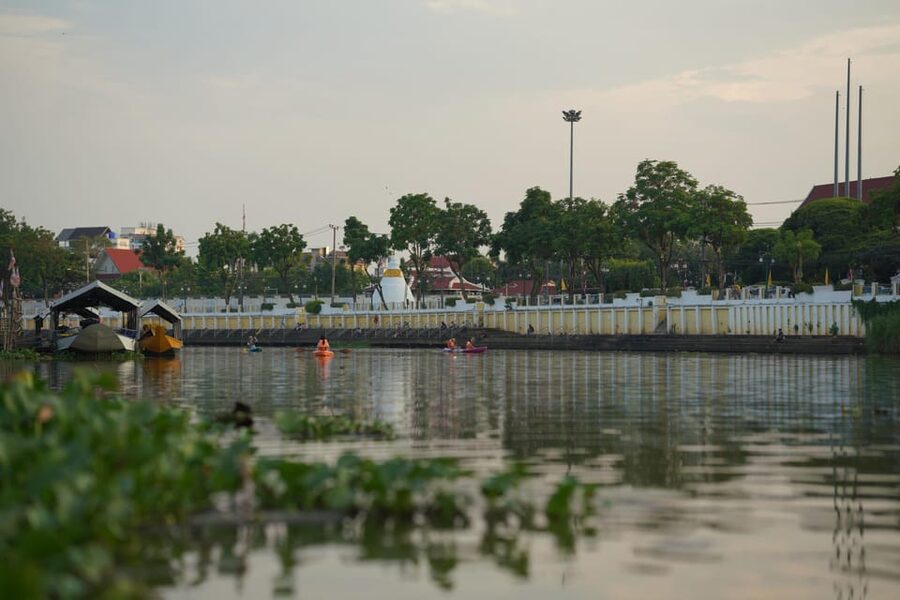
- Kad Luang gives the trip a local focus: You pass Warorot Market, Chiang Mai’s famous old market, from the river.
- Expect about 5 to 6 kilometers of paddling: One account recorded closer to 4 kilometers, so the exact distance can vary.
- Guides are a major strength: Son, Koh, Tiger, Toni, and Tono are praised for kindness, English, local insight, and help on the water.
- The river is peaceful but not pristine: Rain can strengthen the current, and rubbish may be visible.
- The $24 price buys convenience: Transport, kayak, life jacket, guide, water, and insurance are included, though independent kayak rental can cost much less.
Why paddle the Mae Ping at sunset?
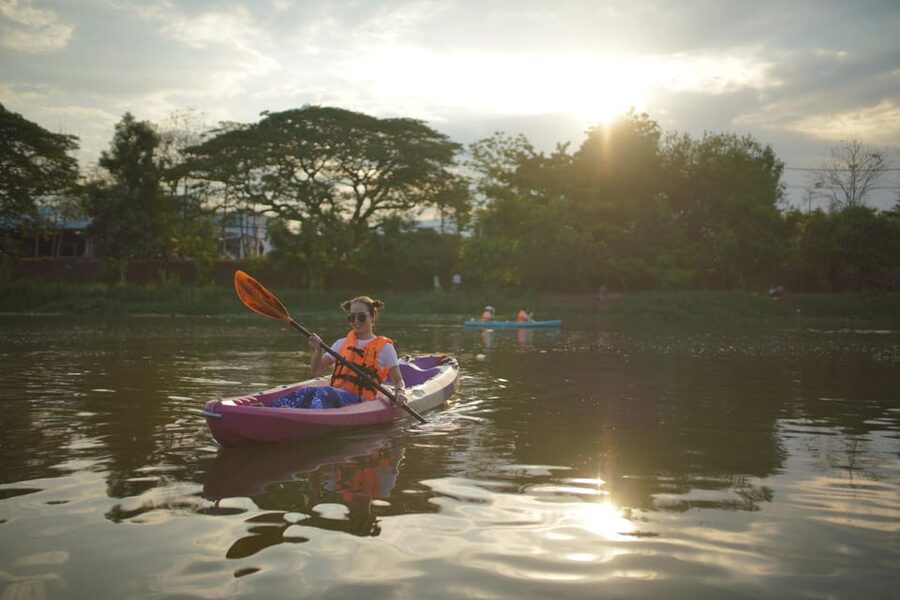
Chiang Mai is usually experienced on foot, by songthaew, or from a temple courtyard. The Mae Ping offers a different view. From a kayak, you watch the city slide past at water level, with fewer engines and fewer people around you.
The paddle covers the main river for roughly 5 to 6 kilometers. One account measured about 4 kilometers, so think of the distance as an estimate rather than a fixed athletic challenge. The water section lasts about two hours, with the full experience taking roughly three hours from pickup to return.
This is not a wilderness trip. You will see city buildings, traffic on bridges, riverside businesses, fishing activity, bird nests, and signs of everyday Thai life. That mix is the point. The river is both a transport route and a working part of the city, not just a pretty backdrop.
The timing is especially good. You start while there is still daylight, paddle through the sunset, and continue as lights appear along the banks. The changing light gives the trip more variety than a daytime paddle, when the city can look flatter and the heat can be more noticeable.
A few more Thailand trips to weigh up
- Phang Nga Bay Sea Cave Canoeing & James Bond Island by Big Boat
★ 5.0 · 4,666 reviews - Koh Samui: Mu Ko Ang Thong Park Cruise with Kayaking Option
★ 4.3 · 3,728 reviews - From Phuket: Phang Nga Bay and Canoeing Tour by Big Boat
★ 4.7 · 3,528 reviews
Pickup at 4:30 p.m. keeps the afternoon useful
Hotel pickup in Chiang Mai is scheduled between 4:30 and 5 p.m. The drive to the launch point takes about 20 to 30 minutes. That makes this easy to add after a morning temple visit, market stroll, or relaxed afternoon.
The transport is one of the stronger practical features. It is included in the price, and several accounts describe a clean, air-conditioned minivan and a smooth pickup. That matters in Chiang Mai, where arranging a ride to an unfamiliar launch point can take more effort than expected.
You should be ready before the pickup window begins. The exact pickup time may vary by accommodation and traffic, so do not plan a tightly timed dinner reservation immediately afterward. The paddle finishes around 7:30 p.m., and the return transfer is expected around 8 p.m.
At the river, the guide explains what to expect and helps you get set with the kayak and life jacket. You can choose a single or double kayak. If you have never paddled before, tell the guide at the start. Koh, Son, and the other guides are specifically praised for helping beginners and keeping the mood relaxed.
Warorot Market from the water
One of the most interesting sections takes you past Warorot Market, known locally as Kad Luang. This is Chiang Mai’s biggest old market and one of the city’s best places to see daily commerce, food, clothing, and local shopping.
You will not be stopping for a market walk during the paddle. Instead, you see the area from the river, where the view connects the market to the city’s older trading life. It is a useful contrast with a standard market visit. On land, you focus on stalls and smells. On the water, you see how the market sits within the wider city.
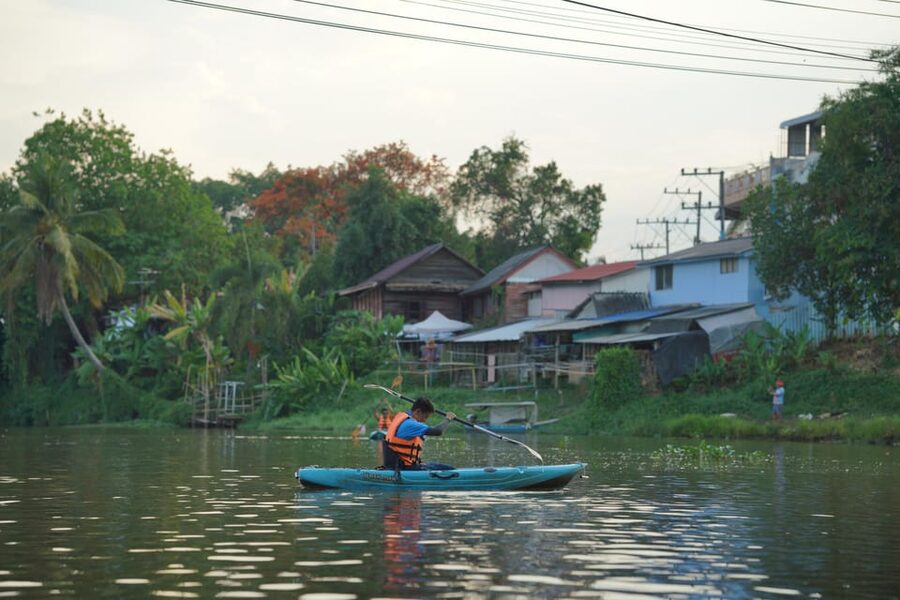
The riverfront here is not dressed up for sightseeing. That is part of its value. You might see working riverbanks, buildings, bridges, and local activity rather than a carefully staged attraction. Bring an open mind. The scenery is interesting because it is ordinary and lived in.
Three or four bridges, bird nests, and city traffic
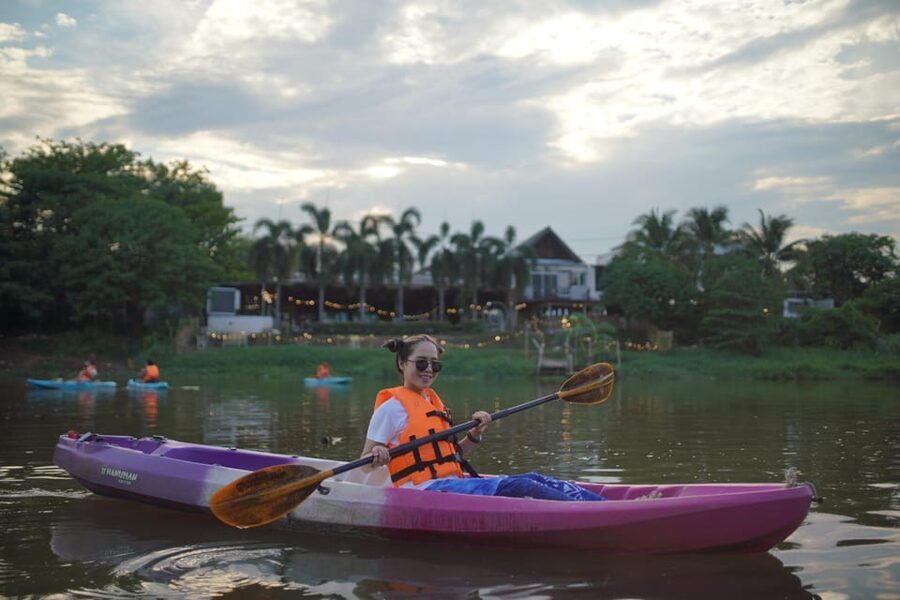
The route passes beneath three or four large bridges. Cars and motorbikes cross overhead, giving you a clear sense of how the river fits into Chiang Mai’s transport network.
The bridge sections add a little excitement without turning the trip into an extreme sport. Traffic is busy above, while you move below at a slower pace. Bird nests can be seen around the bridges, and noisy birds often fly across the river near sunset.
The bird activity is one of the small details that makes the evening feel less like a standard city sightseeing ride. The sound can be surprisingly loud. If you are hoping for total silence, this may not be your kind of calm. If you like watching a city settle toward night, the noise adds character.
The river current deserves attention. After heavy rain, it can become stronger. One account described the paddle as more adventurous than expected because of recent rain, while another described it as peaceful and leisurely. Both impressions can be true. Conditions matter, and you should be comfortable with basic paddling before booking during wet weather.
Same coastline, a completely different day out:
- Bangkok: Damnoen Saduak Market and Maeklong Railway Market
★ 4.5 · 26,723 reviews - Half-Day Thai Cooking Class at Organic Farm in Chiang Mai
★ 5.0 · 19,087 reviews - The Old Siam: Damnoen Saduak and Maeklong Railway Market
★ 4.5 · 10,992 reviews - From Bangkok: Ayutthaya Temples Guided Tour with Lunch
★ 4.7 · 10,535 reviews
Riverside restaurants, hotels, and lights after dark
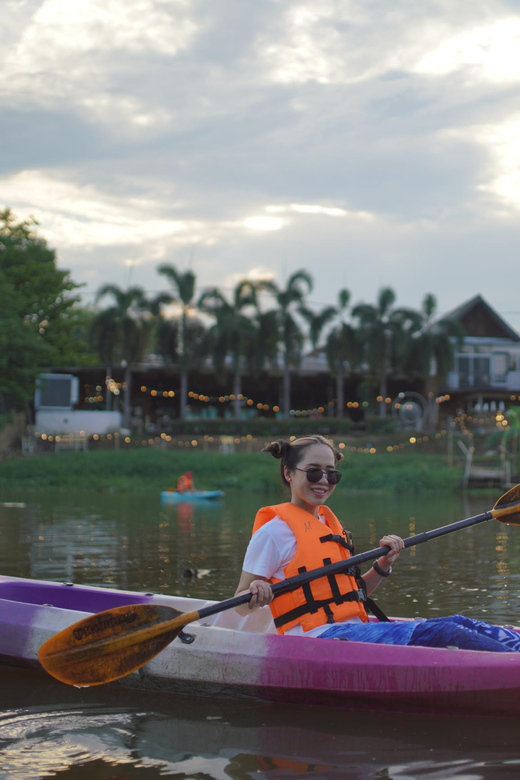
As daylight fades, the banks become more colorful. The route passes restaurants, hotels, bars, and other riverside businesses. Their lights reflect on the water, creating the most attractive part of the trip for many people.
The view is not a grand sunset panorama. Buildings and bridges remain part of the scene. But that urban setting gives the evening a local feel. You are seeing Chiang Mai’s social life from the river, with restaurants serving customers and lights coming on as the sky darkens.
Some accounts highlight the contrast between the sunset, flowering trees, houses, and city lights. You can expect the best views to come during the transition from late afternoon to night, rather than at one fixed moment. Keep your sunglasses and hat for the first part, then enjoy the lights once the sun drops.
Guides may take photos and videos while you paddle. This is useful because handling a phone from a kayak is awkward, especially when the light is changing. Louise received help with photos aimed at the setting sun, and other guests appreciated having pictures taken on the river.
What the paddling feels like
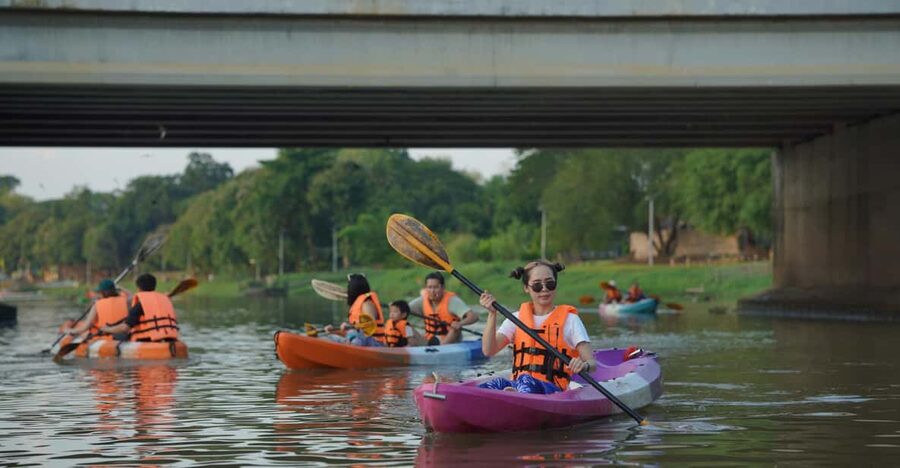
The kayaks are described as comfortable, with good back support. That is important because two hours on the water can feel long if the seat is hard or your posture is poor.
The activity is suitable for people who want a calm outing, but you still need to paddle. You may encounter current, fishing lines, and the occasional awkward moment. One paddle caught on someone’s fishing line, turning a minor problem into a funny part of the outing. That example also shows why you should pay attention to the guide and your surroundings.
The route is not presented as a technical kayaking course. You receive equipment, a life jacket, instruction, and an English-speaking guide. Still, basic coordination helps, especially in a double kayak where both people need to paddle together.
If you want a vigorous workout, this may feel too easy. If you want a scenic way to spend an afternoon without committing to a full-day excursion, the pace is a good fit. The strongest experiences seem to come from taking your time rather than racing down the river.
The guides make a real difference
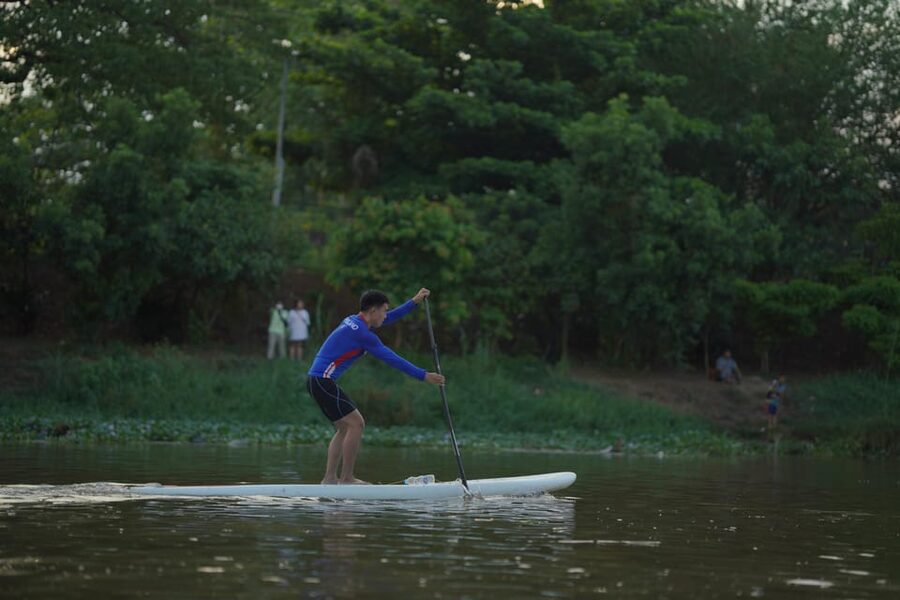
The guides receive the warmest praise, and that is not surprising. On a small water outing, the guide controls the pace, explains what you are seeing, helps with the kayaks, and sets the tone.
Son is described as sweet and helpful, while Koh is praised for patience with a novice paddler and for sharing information about Thai life and Chiang Mai. Tiger is noted for giving an especially personal experience when only one person joined. Toni and Tono are also praised for clear help, good English, and local information.
That personal attention matters more here than a long scripted explanation. You are moving through a changing environment, so a good guide can point out market areas, farming, houses, bird activity, or local customs at the right moment.
The group limit is 10 people. That is small enough for practical help without promising a private trip. Some departures may have only a few people, and one departure was completely private because no one else joined. You should not assume that will happen, but the small format gives the guide room to work with different ability levels.
How good is the value at $24?
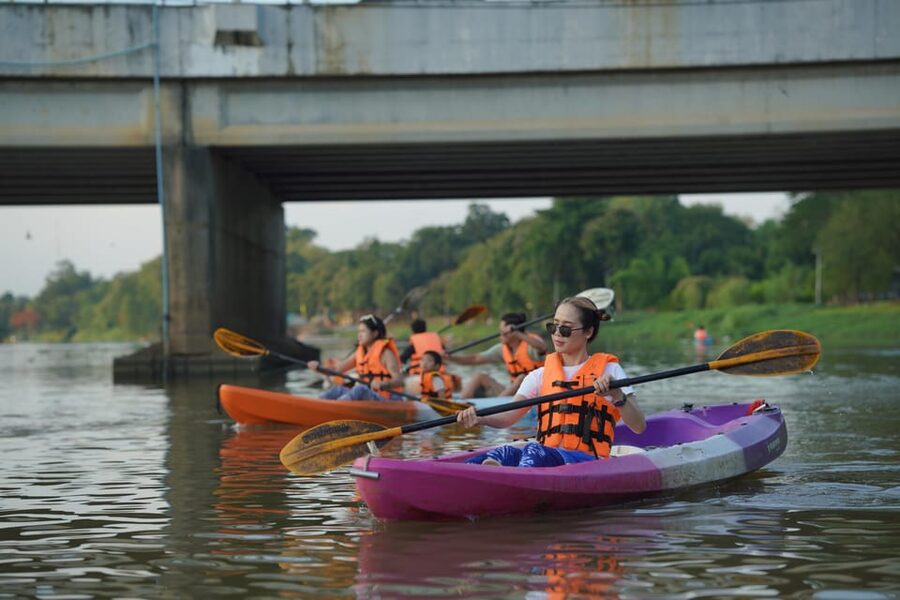
At $24 per person, the experience is reasonably priced if you value convenience. The fee includes round-trip hotel transfer, kayak, life jacket, English-speaking guide, drinking water, and insurance. For a first-time visitor, having transport and equipment arranged removes several small hassles.
The value is less clear if you are already near the launch point and only want to paddle. One person noted that direct kayak rental from the dock could cost about 50 baht per kayak, with local transport also costing far less than the package price. That comparison is fair.
You are paying for more than the boat. You are paying for the pickup, return ride, instruction, guide, local explanation, and sunset timing. If you are confident finding the dock and arranging your own ride, independent rental may be cheaper. If you want an easy afternoon with someone handling the details, $24 is a sensible price.
The 4.6 rating from 76 ratings suggests a consistently strong experience, but it is not a promise of perfect water conditions. The clearest pattern is that people value the guides, transport, peaceful pace, and sunset. The main complaints concern the river’s cleanliness and the cost compared with doing it independently.
The river is urban, and you should know that
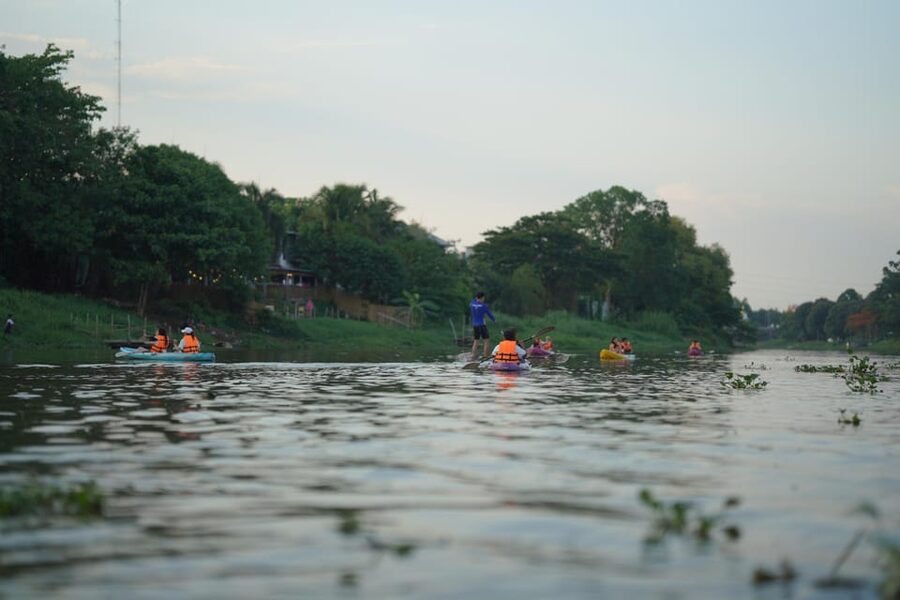
This point deserves plain language. The Mae Ping through Chiang Mai is not a pristine natural waterway. You may see rubbish, murky water, or unpleasant objects. One account described seeing a dead dog, a dead fish, and trash. The guide cannot control those conditions.
You should also be prepared for the possibility of stronger current after rain. A rainy day does not automatically ruin the outing, and one paddle went ahead in wet weather with helpful staff. But the water can feel more active, and the experience may be less gentle than the sunset photographs suggest.
For some people, the city river is exactly what makes the trip useful. You see an honest part of Chiang Mai, including its problems. For others, dirty water will overshadow the sunset. If clean water and untouched nature are your main goals, choose a rural kayaking trip instead.
What to bring and who should book
Bring sunglasses, a sun hat, and sunscreen. The first part of the trip takes place in late afternoon, before the sun has fully weakened.
You should also wear clothing you can move in and expect to get close to the water. The supplied information does not specify a dress code or dry bags, so keep valuables to a minimum and ask the operator about protecting phones or cameras.
This outing suits you best if:
- You want a quiet break from Chiang Mai’s streets.
- You enjoy sunset views with city lights rather than remote nature.
- You are new to kayaking and want an English-speaking guide.
- You value hotel pickup and return transport.
- You have a free afternoon and evening.
- You are comfortable with an urban river that may contain rubbish.
It is not suitable for children under 2. Single and double kayaks are available. The activity is listed as wheelchair accessible, but kayaking still involves getting into and out of a boat, so confirm the exact arrangements if that affects your booking.
Free cancellation is available up to 24 hours before the start for a full refund, and you can reserve now and pay later. Those terms are useful if your Chiang Mai plans are still changing.
Should you book this Mae Ping sunset paddle?
I would book it if you want a relaxed, fairly priced way to see Chiang Mai from the water and you do not mind an imperfect city river. The sunset, bridges, birds, market area, and evening lights give the three-hour outing a clear sense of place.
I would skip it if you want crystal-clear water, wild scenery, or a guaranteed easy current. I would also compare prices if you are comfortable arranging your own transport and renting directly at the dock.
For most visitors, the strongest reason to book is not the distance covered. It is the combination of a calm evening, thoughtful guides, simple logistics, and a view of local life that you will not get from a minivan. Keep your expectations realistic about the river, then this can be one of Chiang Mai’s more pleasant half-day activities.
FAQ
Where does the kayaking experience take place?
It takes place on the Mae Ping River in Chiang Mai Province, Thailand.
How long does the experience last?
The total experience lasts about 3 hours. The kayaking portion lasts around 2 to 2.5 hours, with the return transfer following afterward.
How far do you kayak?
The planned route covers about 5 to 6 kilometers. The exact distance can vary, and one account recorded approximately 4 kilometers.
What time is hotel pickup?
Pickup is scheduled between 4:30 and 5 p.m. The drive to the port takes about 20 to 30 minutes.
What time do you return to Chiang Mai?
Kayaking generally finishes around 7:30 p.m., with the return transfer expected around 8 p.m.
Do I need previous kayaking experience?
Previous experience is not stated as a requirement. English-speaking guides provide an introduction and help beginners, including assistance with paddling technique and getting into the kayak.
Are single and double kayaks available?
Yes. You can choose between a single kayak and a double kayak.
Is equipment included?
Yes. The price includes the kayak, life jacket, and other required equipment.
Is transportation included?
Yes. Round-trip transfer from your Chiang Mai accommodation is included.
What does the price include besides kayaking?
The $24 price includes hotel transfer, equipment, an English-speaking guide, drinking water, and insurance.
Just added around Thailand
- Damnoen Saduak Floating Market Small Group Tour★ 4.0 · 107 reviews
- Arrival Private Airport Transfer : Bangkok Airport to Hotel in Bangkok★ 4.5 · 142 reviews
- Private Best of Bangkok Full Day Highlights City Tour★ 4.5 · 13 reviews
- Angkor Wat 2-Day Tour from Bangkok★ 5.0 · 8 reviews
- Ancient Wonders of Ayutthaya with Return Scenic River Cruise★ 4.0 · 31 reviews
- Private Ancient city of Ayutthaya Shore Excursion★ 5.0 · 9 reviews
- Ancient City Ayutthaya Private Guided Day Tour★ 5.0 · 49 reviews
- Ancient City Bangkok and Erawan Museum Tickets★ 4.5 · 8 reviews
Canoes & Kayaks, compared.

Phang Nga Bay Sea Cave Canoeing & James Bond Island by Big Boat
Read our review →
Mu Ko Ang Thong Park Cruise with Kayaking Option
Read our review →
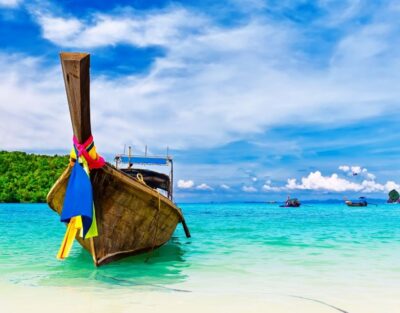
James Bond Island Longtail Boat and Sea Canoe Tour
Read our review →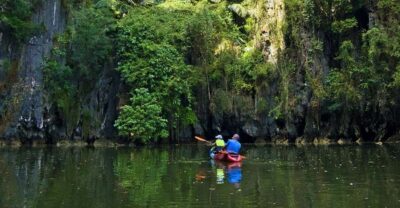
Kayak Adventure through Ao Thalane Mangrove Forest
Read our review →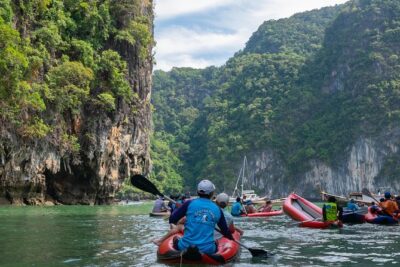
Hong by Starlight: Sea Cave Kayaking and Loy Krathong Floating
Read our review →
James Bond Island with Canoeing and Lunch by Speedboat
Read our review →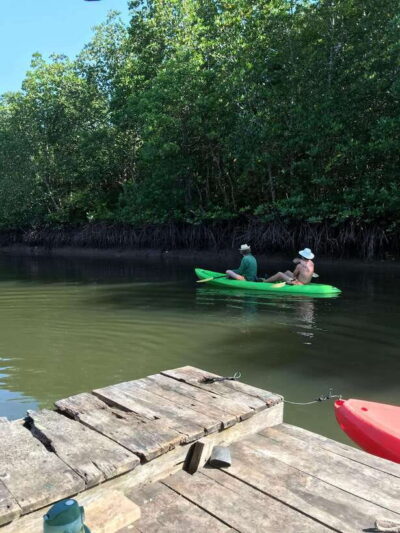
Browse the lists this tour appears in