
Review · HISTORICAL TOURS
Colors of Ayutthaya: UNESCO Heritage 6 hour Bicycle Tour
Ayutthaya is easiest to understand from a bicycle. You move from rice paddies and quiet village roads into the broken brick towers of the old capital, then finish beside the Chao Phraya River. The contrast is the point: this is not just a temple checklist, but a look at how the ruins fit into everyday life.
I like the small group of no more than nine, which keeps the ride manageable and gives you a better chance to ask questions. I also like the mix of major sights and ordinary places, especially the local market, the possible school visit, and the riverside lunch. The main drawback is that six hours in the Thai heat takes some stamina, and one recent participant found the guide’s English difficult to follow.
In This Review
- Key points at a glance
- Why a bicycle is the right way to see Ayutthaya
- The school visit and Phaniat Elephant Kraal
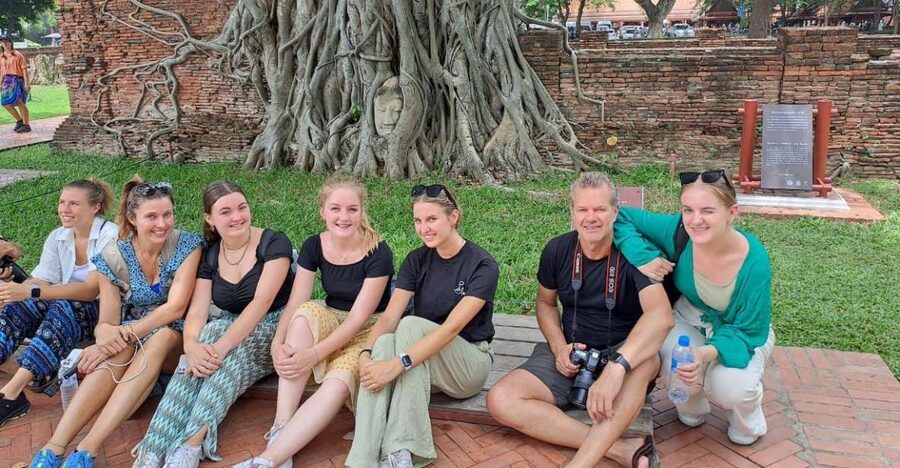
- Wat Mahathat and the Buddha in the tree roots
- Lunch beside the river at about 12:30
- Wat Phra Si Sanphet and the royal center
- The market and Ayutthaya’s reclining Buddha
- Wat Chaiwatthanaram on the Chao Phraya
- The river crossing and the final ride
- What the $70 price really covers
- Who should book this bicycle tour
- Should you book it?
- FAQ
- Where does the Ayutthaya bicycle tour meet?
- How long does the tour last?
- What languages are available?
- How many people are in the group?
- What age is required to join?
- Is a bicycle provided?
- Are temple entrance fees included?
- Is lunch included?
- Does the tour include a boat ride?
Key points at a glance
- A countryside start: Ride north from the station through villages and rice paddies before reaching the ancient capital.
- Three major temple stops included: Entrance fees cover Wat Mahathat, Wat Phra Si Sanphet, and Wat Chaiwatthanaram.
- A famous Buddha head: See the stone Buddha face held in the roots of a tree at Wat Mahathat.
- Local food along the way: Lunch is served at a riverside restaurant, followed by a stop at a market for baked and fried treats.
- History with human scale: The guide explains kings, temples, elephants, monks, and daily Thai life rather than leaving you to read signs.
- A practical finish: Cross the Chao Phraya by boat and return to the city without retracing the whole route.
Why a bicycle is the right way to see Ayutthaya
Ayutthaya was once the capital of Siam, and its temple ruins spread across a broad area rather than sitting in one compact park. You can see several by car or tuk-tuk, but a bicycle gives you a better sense of the old city’s scale.
The route begins at the meeting point near PomPhet Fort on Uthong Road, a short walk from Ayutthaya train station. After a bike fitting and helmet check, you head north. The early part of the ride takes you through rural roads, villages, and rice paddies.
That opening section matters. It lets you see Ayutthaya as a living province before you reach the royal monuments. You may pass homes, small roadside businesses, and farmland, though the exact feel of the ride will depend on the day and traffic. The tour information describes the pace as suitable for a group ride, and one participant specifically found it well paced.
The route is not a wilderness ride. You are cycling on roads, and the tour includes riding through traffic. A guide and, on some tours, a second escort help keep the group together. If you are comfortable on a bicycle but dislike busy roads, keep that in mind before booking.
A few more Bangkok trips to weigh up
- From Bangkok: Ayutthaya Historical Park Guided Day Trip
★ 4.6 · 3,020 reviews - UNESCO’s Ayutthaya Historical Park: Full-Day Tour from Bangkok
★ 4.5 · 1,559 reviews - From Bangkok: Historical Day Tour to River Kwai
★ 4.6 · 868 reviews
The school visit and Phaniat Elephant Kraal
If the local elementary school is open, the group stops there to interact with the children. This is one of the more unusual parts of the day because it connects you with present-day Ayutthaya, not only its royal past.
The visit is not guaranteed, so you should treat it as a possible extra rather than a fixed attraction. School schedules and local circumstances can change. If it happens, your guide will help make the interaction appropriate and understandable.
The ride then passes Phaniat Royal Elephant Kraal. During Ayutthaya’s height, this enclosure was used to trap wild elephants driven down from the north. Ayutthaya’s kings traditionally presided over the roundups and selected strong elephants for war and labor.
That detail adds useful context. Elephants were not simply ceremonial animals in the old kingdom. They were tied to military power, transport, and royal authority. Seeing the kraal before the central temple ruins helps you picture the machinery of the former capital, including the animals and labor that supported it.
Wat Mahathat and the Buddha in the tree roots
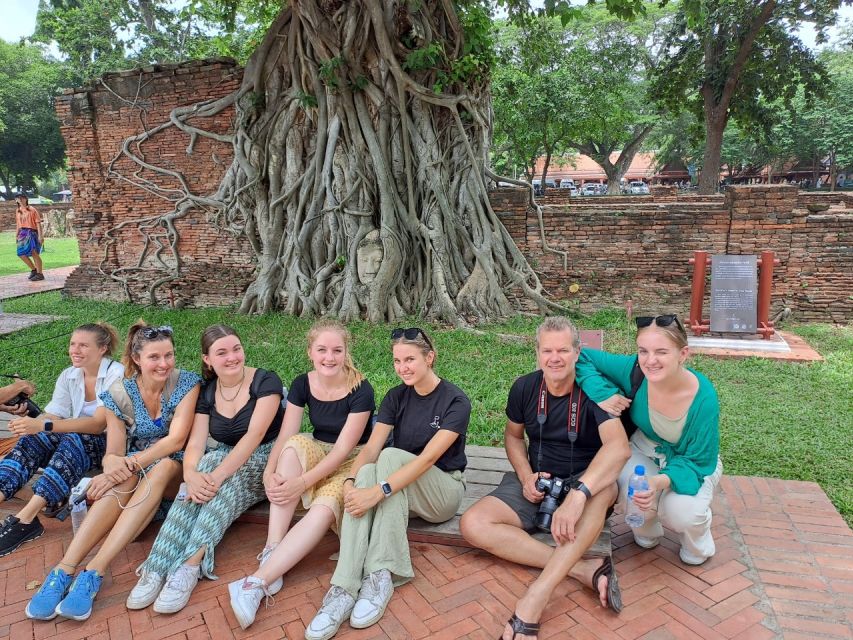
As the ride moves closer to the old capital, temple ruins become more frequent. Wat Mahathat is the first major paid stop, and it contains Ayutthaya’s most recognizable image: a Buddha head framed by the roots of a tree.
The image is memorable, but the wider temple deserves your attention too. Wat Mahathat was one of the important religious centers of Ayutthaya, and its damaged brick structures show the scale of the old city before war and time reduced it to ruins.
Your guide provides the story behind the temple and helps place the Buddha head within the site. That is useful because the famous photograph can easily become the whole visit if you see it alone. Here, you get a wider explanation of Ayutthaya’s temples and kings.
This is also one of the busiest and most familiar stops on the route. You will want to allow time for photographs, but do not spend the entire visit looking at the single best-known feature. The nearby towers, prang-style forms, and weathered brickwork give you a better sense of the site.
Lunch beside the river at about 12:30
Around 12:30, you stop for Thai lunch at a local riverside restaurant. The setting is a welcome change after the bicycle ride, and the river helps explain why Ayutthaya became such a successful capital. Water supported trade, transport, farming, and defense.
The meal is included in the $70 price, along with drinking water. Several people especially liked the food and setting, with one describing it as the best meal of their Thailand trip. Another found the portion rather small, so do not book this expecting a large feast.
I see the lunch as good practical value rather than a separate food tour. You get a proper pause, a local meal, and a chance to cool down before the afternoon temples. Cold drinks are also provided, which matter more than they sound on a long ride.
Same coastline, a completely different day out:
- Bangkok: Damnoen Saduak Market and Maeklong Railway Market
★ 4.5 · 26,723 reviews - The Old Siam: Damnoen Saduak and Maeklong Railway Market
★ 4.5 · 10,992 reviews - From Bangkok: Ayutthaya Temples Guided Tour with Lunch
★ 4.7 · 10,535 reviews - Bangkok: Train Market & Floating Market with Boat Ride
★ 4.7 · 9,547 reviews
Wat Phra Si Sanphet and the royal center
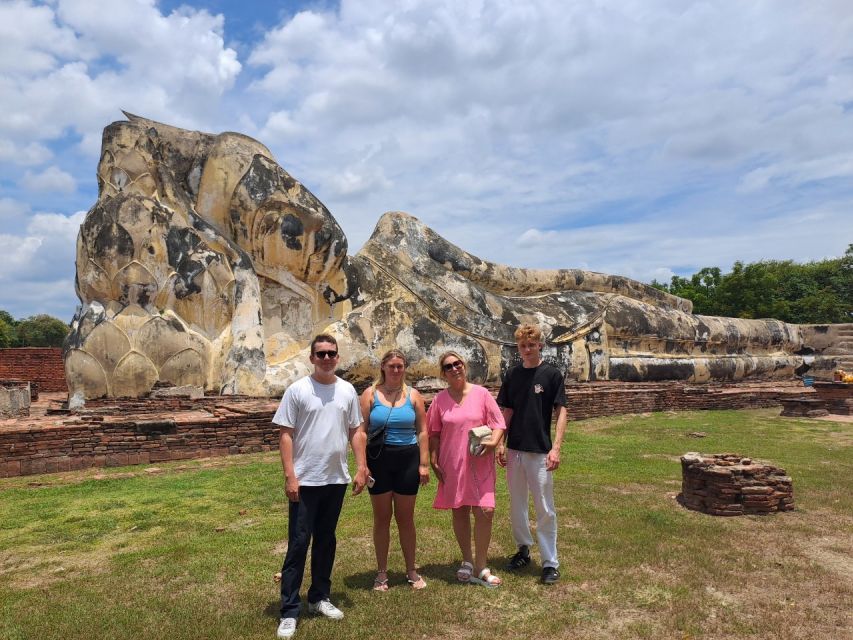
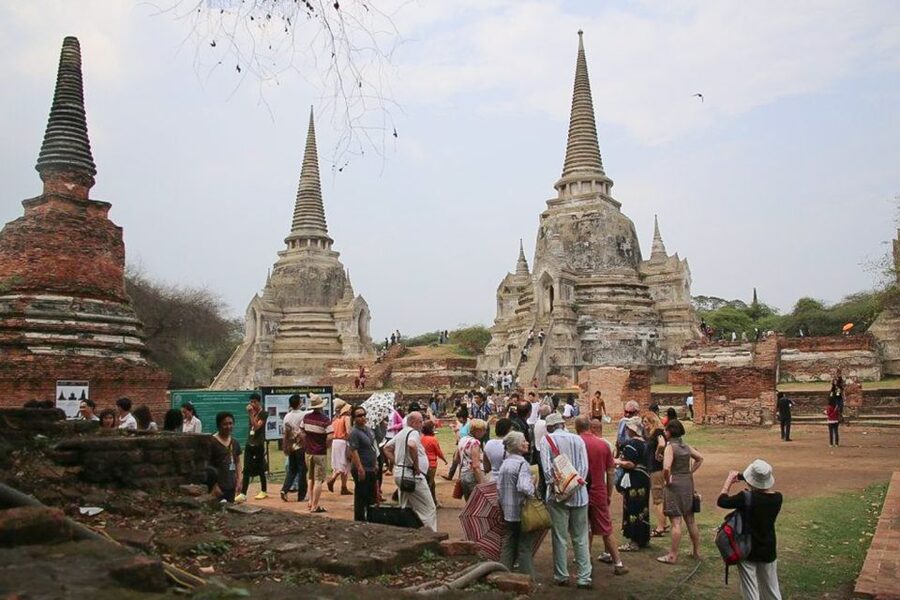
After lunch, you enter the old capital’s royal zone and visit Wat Phra Si Sanphet. Its three distinctive pagodas are the visual anchor of the site.
Wat Phra Si Sanphet served the royal palace complex and was not an ordinary neighborhood temple. The three pagodas are associated with Ayutthaya’s royal tradition, and their repeated shape gives the site a strong, orderly appearance even in its ruined state.
This stop is included in the entrance fee, so you do not need to weigh up an extra ticket on the day. The guide’s explanation is important here because the ruins can look similar from one temple to the next. A good explanation helps you separate a royal temple from a monastery and understand why certain structures mattered.
The tour’s language is English or Thai. Most of the direct feedback about guides is very positive, with particular praise for Bung, Beam, and Spike. Beam was singled out for explaining traditions, Thai daily life, and local history, while Spike was described as helpful with family needs. Still, one German-speaking participant had trouble following the English clearly, so communication may vary by guide and by your own listening comfort.
The market and Ayutthaya’s reclining Buddha
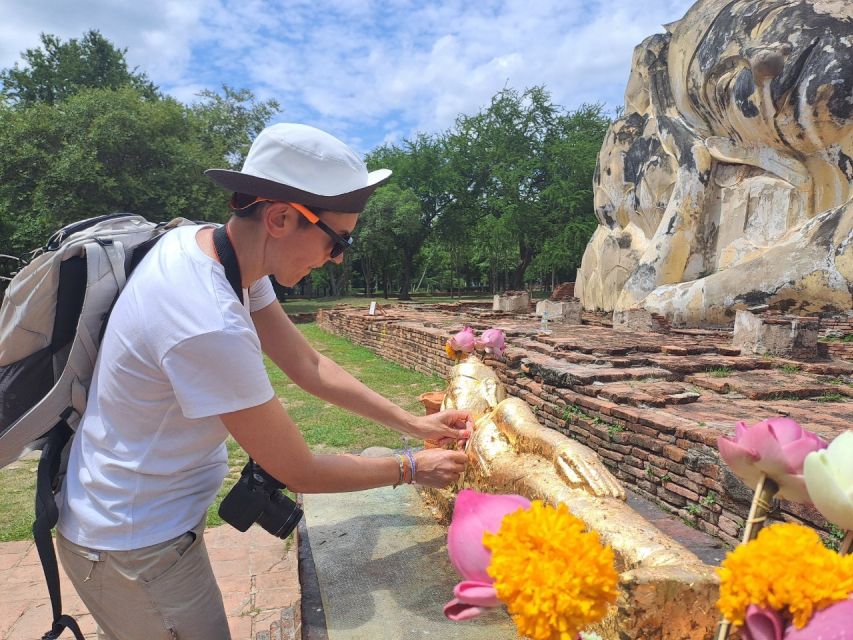
Next comes a short ride to a local market. The purpose is simple: see typical baked and fried delicacies and get a glimpse of ordinary food culture between major historic sites.
This is a small stop, not a full market excursion. You might find it most useful as a pause from monuments, especially if you enjoy seeing what people buy and eat locally. The tour description does not promise tastings or shopping time, so consider any purchase or sampling an optional extra rather than part of the included meal.
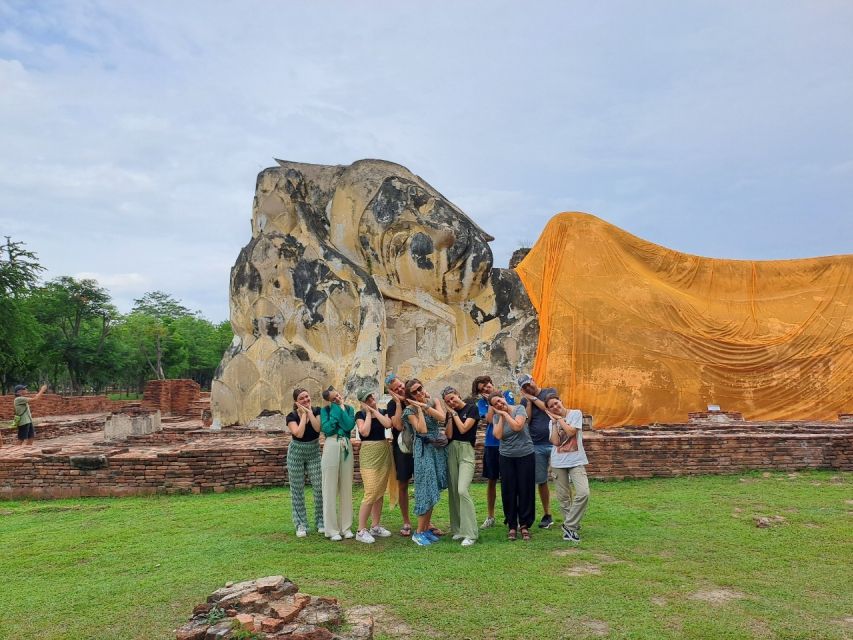
The route continues to Luang Phor Lokayasutharam, home to a huge reclining Buddha. It is described as the largest Buddha statue in Ayutthaya, and its size gives the stop a different mood from the brick temple ruins.
The reclining pose carries its own Buddhist meaning, but even without a long explanation, the scale is striking. This is an open, spacious sight where the statue becomes the focus. You will likely appreciate the change after the more enclosed remains at Wat Mahathat and Wat Phra Si Sanphet.
Wat Chaiwatthanaram on the Chao Phraya
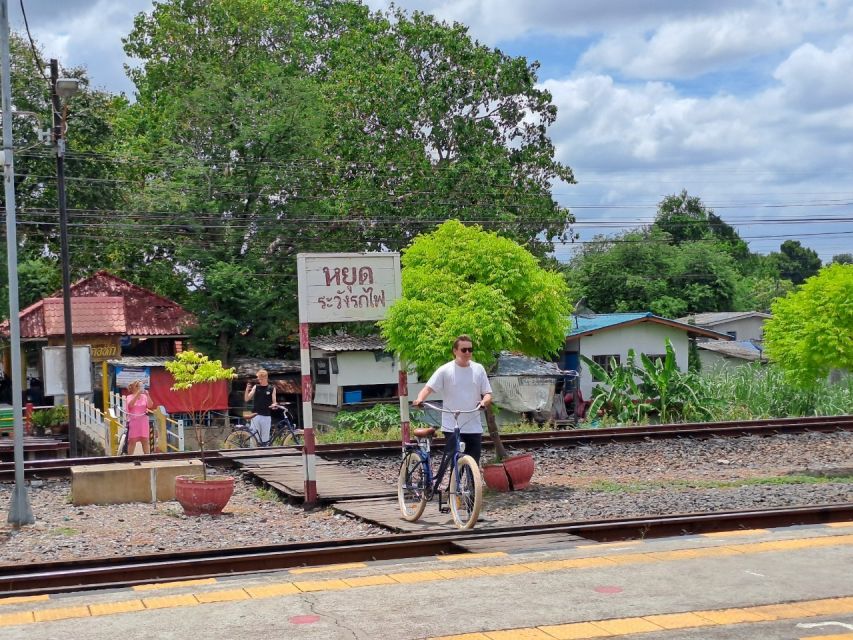
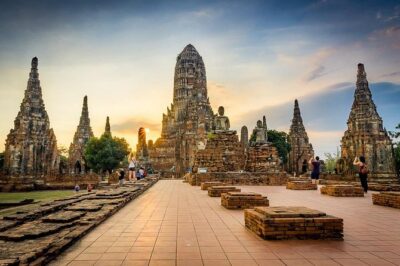
The final major temple is Wat Chaiwatthanaram, on the west bank of the Chao Phraya River. It is often considered one of Ayutthaya’s most impressive temples, and the position beside the water gives it a strong sense of place.
King Prasat Thong built the temple in 1630 as a memorial to his mother’s residence in the area. That makes the site more than a pretty ruin. Its design and purpose connect royal memory, religious architecture, and the river setting.
The temple’s towers and surrounding structures are especially rewarding after you have heard the day’s earlier stories. You have already seen the royal center, a major religious site, a giant Buddha, and the elephant kraal. Wat Chaiwatthanaram brings those threads together in a grand final stop.
Entrance is included. Give yourself a moment to look beyond the central structure. The riverbank position, the repeated smaller towers, and the open space are part of what makes this temple feel different from the earlier ruins.
The river crossing and the final ride
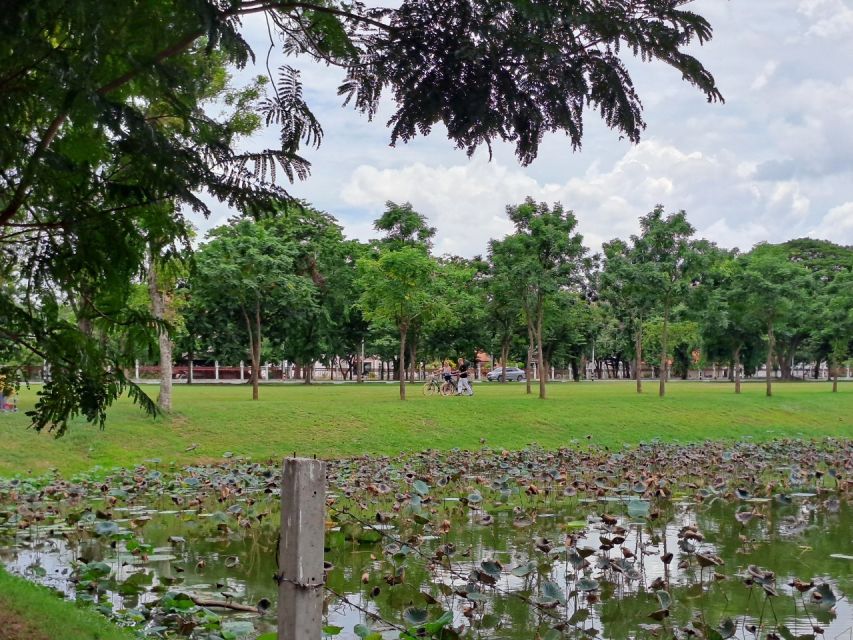
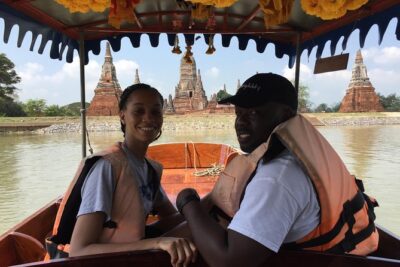
From Wat Chaiwatthanaram, you continue along the west bank of the Chao Phraya to a pier. A boat carries the group across the river, and you cycle back toward the city.
The crossing is a practical ending, but it also completes the geographic story. You have seen Ayutthaya from rural roads, temple grounds, market lanes, riverbanks, and finally the water itself. It avoids sending you back over every road you already used.
The full outing lasts 330 minutes, or five and a half hours, and tours begin at 10:00. That timing places the hottest part of the day in the middle of the ride, around lunch and the afternoon temples. Bring clothing suitable for cycling and temple visits, and expect the helmet and drinking water provided by the operator to be useful.
The minimum age is 12. The tour is best for people who can comfortably cycle for several hours and manage ordinary road conditions. It is less suitable if you want a slow, air-conditioned sightseeing day or if you prefer to spend a long time at one temple.
What the $70 price really covers
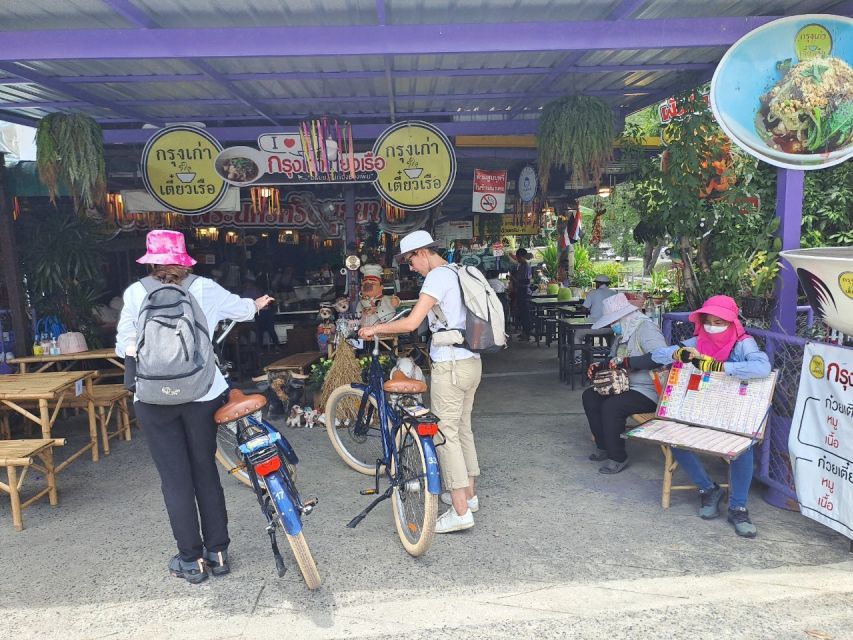
At $70 per person, this is not the cheapest way to see Ayutthaya. The price includes the bicycle, helmet, guide, water, Thai lunch, boat crossing, and entrance fees at three important temples.
Those inclusions make the cost easier to justify. Buying temple tickets separately, arranging a bike, finding lunch, and working out the river crossing would take time and add small expenses. You are also paying for a route that links countryside and ruins rather than simply renting a bicycle at the station.
The value depends on how much explanation you want. If you are happy to cycle independently and read about the temples yourself, a self-guided day will cost less. If you want the route organized and the history explained in English or Thai, the small group and included logistics make the price fair.
Lunch portions may not satisfy a very hungry cyclist, so you may want to budget for a market snack or another meal later. The tour does include drinking water and cold drinks have been appreciated on the ride.
Who should book this bicycle tour
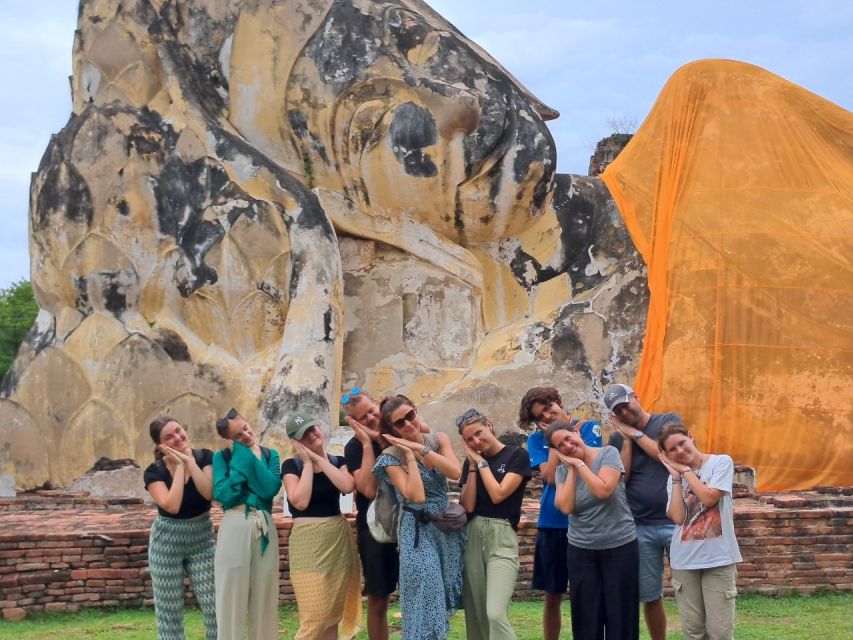
I would choose this for an active first visit to Ayutthaya, especially if you want more than the famous temple photographs. The countryside, school possibility, elephant kraal, market, riverside lunch, and boat ride give the day a wider range than a standard temple loop.
It is also a good match for couples, friends, and families with children aged 12 or older. The small group helps, and the guide can adjust to family needs when possible. Spike, in particular, was praised for being accommodating with a family.
You should think twice if you need guaranteed school access, a large lunch, or perfectly clear English at every moment. The guide quality appears strong overall, but language clarity can differ. Also check the cancellation conditions carefully when booking. The supplied terms conflict slightly: one section says free cancellation up to 24 hours before departure, while another says cancellation is free up to 48 hours, with a 50 percent fee between 24 and 48 hours. Confirm the exact policy shown for your booking.
Should you book it?
Book this tour if you want Ayutthaya to feel like a real place rather than a collection of ruins. The route gives you major temples, rural roads, food, local life, and a boat crossing in one well-organized day.
Skip it if you dislike cycling in the heat or prefer complete control over how long you spend at each temple. For most reasonably fit visitors, though, the combination of countryside riding and royal ruins is worth the effort, and the included tickets, lunch, water, and guide make the $70 price sensible.
FAQ
Where does the Ayutthaya bicycle tour meet?
The meeting point is the operator’s office near PomPhet Fort on Uthong Road. It is a short walk from Ayutthaya train station.
How long does the tour last?
The tour lasts 330 minutes, or five and a half hours. Tours run daily from 10:00, with availability determining the exact starting time.
What languages are available?
The live guide service is available in English and Thai.
How many people are in the group?
This is a small-group tour limited to nine participants.
What age is required to join?
The minimum age is 12 years old.
Is a bicycle provided?
Yes. Bicycle rental and a helmet are included in the tour price.
Are temple entrance fees included?
Yes. Entrance fees are included for Wat Mahathat, Wat Phra Si Sanphet, and Wat Chaiwatthanaram.
Is lunch included?
Yes. Thai lunch at a local restaurant and drinking water are included. Lunch is served at a riverside restaurant at about 12:30.
Does the tour include a boat ride?
Yes. The group crosses the river by boat near the end of the tour before cycling back toward the city.
Just added around Bangkok
- Damnoen Saduak Floating Market Small Group Tour★ 4.0 · 107 reviews
- Angkor Wat 2-Day Tour from Bangkok★ 5.0 · 8 reviews
- Arrival Private Airport Transfer : Bangkok Airport to Hotel in Bangkok★ 4.5 · 142 reviews
- Private Best of Bangkok Full Day Highlights City Tour★ 4.5 · 13 reviews
- Ancient Wonders of Ayutthaya with Return Scenic River Cruise★ 4.0 · 31 reviews
- Private Ancient city of Ayutthaya Shore Excursion★ 5.0 · 9 reviews
- Ancient City Ayutthaya Private Guided Day Tour★ 5.0 · 49 reviews
- Ancient City Bangkok and Erawan Museum Tickets★ 4.5 · 8 reviews
Historical Tours, compared.
UNESCO’s Ayutthaya Historical Park: Full-Day Tour from Bangkok
Read our review →
Historical City of Ayutthaya – Unesco Full Day Tour From Bangkok
Read our review →
Private Excursion to Floating Market and Ayutthaya World Heritage
Read our review →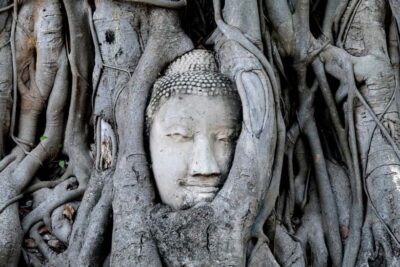
Private Excursion to Ayutthaya, UNESCO World Heritage site with Boat Tour
Read our review →Browse the lists this tour appears in