
Review · TEMPLE TOURS
DON’T miss It ! Doi suthep temple+ Hmong village
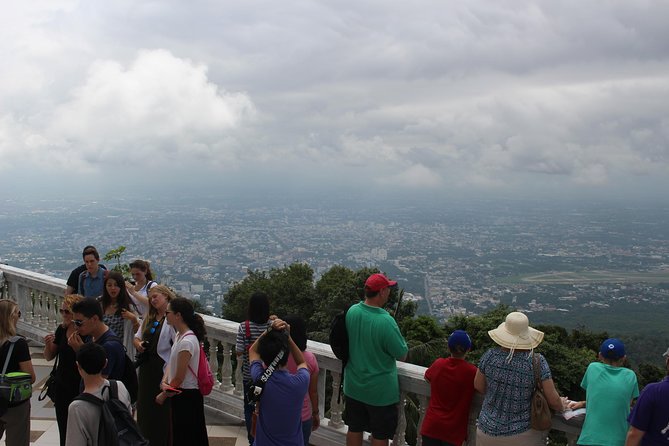
Wat Phra That Doi Suthep is the star here, with a gold-covered pagoda, mountain air, and wide views over Chiang Mai. I like the included cable car, which saves you the climb up 306 Naga-lined steps, and the easy hotel pickup in an air-conditioned van. The Hmong stop adds local color, though it can feel more like a market than a village visit.
This is a good half-day introduction for first-time visitors who want the temple without arranging transport. Guides such as New and Yo Yo have earned praise for clear explanations and thoughtful timing. Just keep your expectations in check at Doi Pui, where shopping may take more space than cultural insight.
In This Review
- Key points to know before booking
- Why Doi Suthep makes this four-hour trip worthwhile
- The climb to Wat Phra That Doi Suthep
- What you really get at Doi Pui Hmong Village
- Guide quality can shape the whole morning
- Is $22.75 a good deal?
- Rain, clothing, and other practical details
- Who should choose this morning tour?
- Should you book Doi Suthep and the Hmong village?
- FAQ
- How long does the Doi Suthep and Hmong village tour last?
- What time does hotel pickup begin?
- Is the cable car to Doi Suthep included?
- What should I wear to Doi Suthep?
- Is the Hmong village museum included?
- Can I bring luggage on the van?
Key points to know before booking
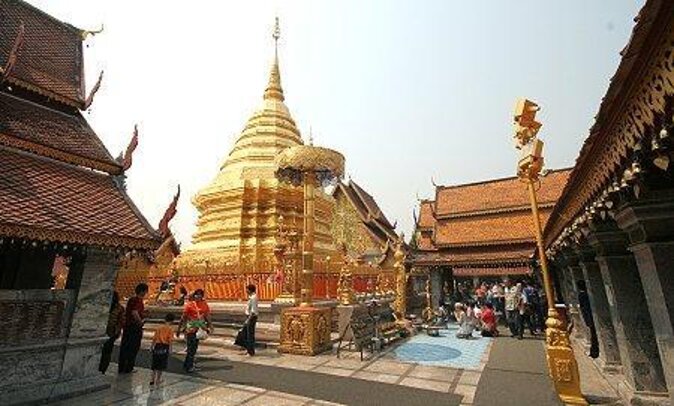
- The golden Doi Suthep temple is the main event, with Lanna design, Buddhist shrines, and city views from the mountain.
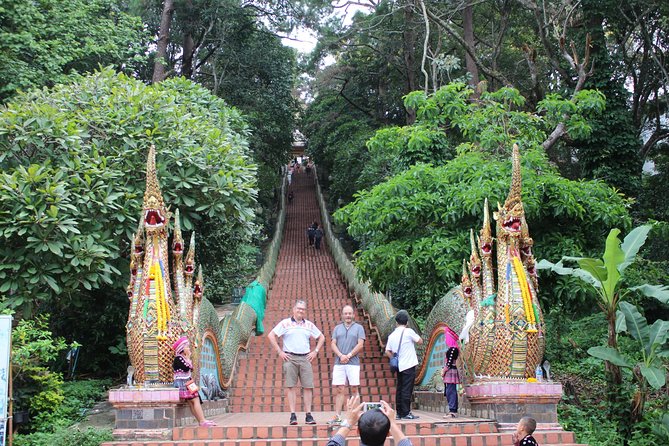
- Cable car fare is included, or you can climb the 306-step Naga staircase if you want the traditional approach.
- The Doi Pui Hmong stop is partly commercial, with textiles, ornaments, handicrafts, coffee, and optional museum access.
- Hotel pickup runs roughly from 8:00 to 8:30 a.m., but a shared van may arrive later if earlier pickups run behind.
- The $22.75 price covers the basics, including transport, guide, admissions, cable car, insurance, and downtown hotel transfer.
- Temple clothing rules matter: cover your shoulders and knees, though sandals and flip-flops are allowed.
Why Doi Suthep makes this four-hour trip worthwhile
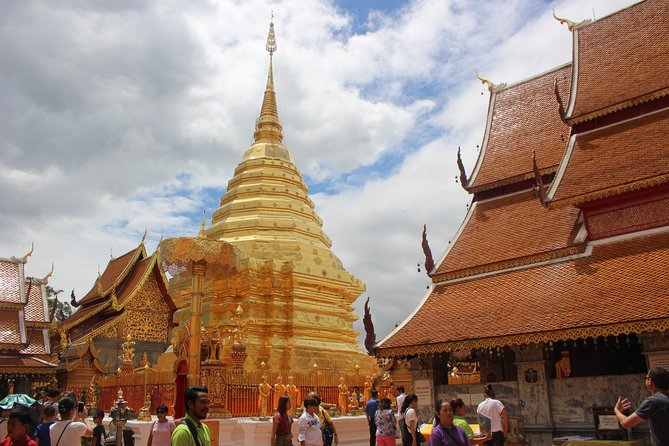
If you have only a few days in Chiang Mai, Doi Suthep is a sensible place to spend a morning. The temple sits above the city, reached by winding mountain roads and surrounded by forested scenery. You get a change from Chiang Mai’s streets quickly, without giving up half a day to transport planning.
The tour begins with pickup from your hotel lobby. The stated window is 8:00 to 8:30 a.m., with some locations assigned a slightly later range. Since this is a shared tour, you should wait in the lobby from the start of your window. The van visits several accommodations, so a modest delay is possible.
That shared arrangement is both the strength and weakness of the trip. You pay a low price and avoid finding a driver, negotiating a fare, or working out the mountain route. On the other hand, you do not control the departure time, and a group of up to 70 people can make the morning less intimate than a private outing.
The vehicle is air-conditioned, an important comfort on Chiang Mai’s warm days. Round-trip transfer is included for hotels in the downtown area. Large luggage and carry-ons cannot go in the van, so bring only what can sit on your lap.
More Temple Tours in Chiang Mai
- Chiang Rai White Temple and Blue Temple Day Tour
★ 4.6 · 3,366 reviews - Chiang Mai: Doi Suthep and Wat Umong Enchanting Evening Tour
★ 4.6 · 1,811 reviews - Chiang Mai: Doi Suthep, Wat Umong, and Pha Lat Sunrise Tour
★ 4.7 · 1,425 reviews
The climb to Wat Phra That Doi Suthep
The drive to Wat Phra That Doi Suthep is part of the appeal. As the road bends uphill, the city gives way to mountain scenery. Your English-speaking guide introduces the temple and explains features of Buddhism and local design before giving you time to look around.
You have two ways to reach the upper temple area. The included cable car is the easy choice and is particularly useful if you do not want to tackle the full staircase. The other option is the famous 306-step stairway, lined by a long Naga, the dragon-headed serpent seen in Thai religious art.
The stairs give you a stronger sense of arrival, but they are still 306 steps. If you choose them, allow extra energy for the temple itself. The cable car gets you up with less effort and keeps the morning moving, which is useful on a four-hour schedule.
At the top, the golden pagoda is the visual focus. It uses Lanna architectural forms and is covered with engraved gold plates. This is an active sacred place, not simply a viewpoint with a photo stop, so dress and behave accordingly. Shoulders and knees must be covered before entering the temple areas. Sandals and flip-flops are permitted.
The temple visit is scheduled for about one hour. That is enough for an introduction, photos, a look at the pagoda, and the city views, but it is not a slow, scholarly visit. One guide, New, received particular praise for knowing how much time to give each part of the site. That kind of pacing matters here because the temple contains enough detail to occupy much longer than an hour.
Another guide, Yo Yo, was praised for clear information and a friendly manner. With either a strong guide or a smaller group, you can get more from the visit than you would by simply arriving, taking a few pictures, and leaving. The explanations help connect the gold, serpent stairway, Lanna forms, and Buddhist setting.
Still, the schedule can feel quick. One account described the temple visit as being handled at a fast pace, while another found the guide’s explanations excellent. That difference probably depends on the day’s group size, pickup delays, and the guide assigned to your van. If Doi Suthep is your top priority, stay close to the guide and use your free moments carefully.
What you really get at Doi Pui Hmong Village
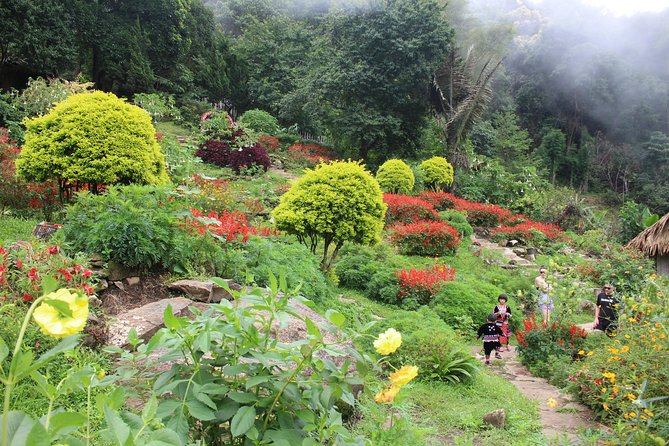
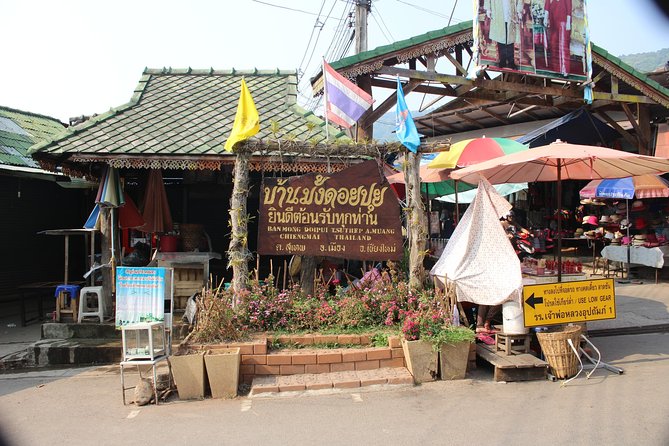
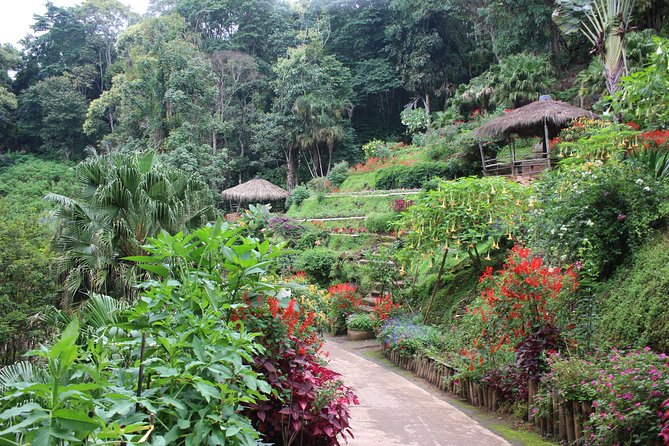
After Doi Suthep, the van continues to Doi Pui Mong Hill Tribe Village. The planned visit lasts about 50 minutes. The setting is quieter than central Chiang Mai, and the stop gives you a look at Hmong clothing, handicrafts, textiles, ornaments, and small items offered for sale.
This is where you should set realistic expectations. The stop is presented as a chance to learn about traditional Hmong life, but the experience can feel more like a market than a living cultural visit. Some people find the colorful goods and local setting worthwhile. Others feel they have been dropped at a commercial area with too little explanation.
You may have time to browse, buy textiles, or bargain for ornaments and handicrafts. One useful detail is that the optional Hmong village museum costs extra. The museum is not included in the listed price, so bring that into your decision if you want more cultural context than the market area provides.
The time limit is the main drawback. Around 50 minutes passes quickly if you want to look at goods, drink coffee, hear about village life, and visit the museum. One account found there was barely enough time for coffee, while another wanted longer to browse souvenirs. If shopping interests you, keep an eye on the clock and ask your guide how much time remains.
The best way to approach this stop is as a short hill village and handicraft visit, not as a full study of Hmong culture. You might find a peaceful setting, useful souvenirs, and a pleasant contrast with the temple. You should not book this tour mainly for an extended village exchange.
Guide quality can shape the whole morning
The guide is important on a short tour because the amount of context you receive depends on a few explanations given at the right moments. A good guide can make the temple’s architecture and Buddhist details easier to understand, then explain what you are seeing at Doi Pui instead of leaving you to wander through stalls.
New was praised for informative explanations, good timing, and taking helpful photos. Yo Yo was described as friendly and well prepared, while a guide named Yo Yo also worked with a professional driver called Mr Hoi on one especially smooth half-day outing. These names do not guarantee who will lead your departure, but they show the level of service you can hope for.
The driver matters too. You spend time on winding mountain roads, and a calm, professional driver makes the transfers more comfortable. The tour supplies an air-conditioned vehicle and a licensed English-speaking guide, but the shared format means your experience can vary with the day’s group and traffic.
Do not expect a private guide who follows your pace at every stop. This is a join-in excursion. If you need extra time at the pagoda, want a long conversation about Hmong traditions, or prefer to stop for photos whenever you wish, a private arrangement would give you more control.
Same coastline, a completely different day out:
- Half-Day Thai Cooking Class at Organic Farm in Chiang Mai
★ 5.0 · 19,087 reviews - Chiang Mai: Elephant Sanctuary, Waterfall & Bamboo Rafting
★ 4.9 · 9,160 reviews - Chiang Mai: Doi Inthanon National Park Eco-Friendly Tour
★ 4.6 · 6,667 reviews - Chiang Mai: Elephant Sanctuary & Waterfall Group Tour
★ 4.9 · 5,780 reviews
Is $22.75 a good deal?

At $22.75 per person, the tour is priced for convenience. You receive downtown hotel transfer, an air-conditioned vehicle, a licensed English-speaking guide, admission fees, the cable car, and travel accident insurance. The price also covers the two main stops, so you are not paying separate admission at the temple or for the ride up.
That makes the tour good value for a visitor who does not already have transport. Doi Suthep is outside the central city and up a mountain road. Hiring a car or driver for a half day may cost more, especially if you are alone or traveling as a couple.
The value is less clear if you are comfortable arranging your own ride. Going independently may allow you to spend longer at the temple and choose how much time to give the Hmong village. Some people also prefer to skip the market atmosphere altogether.
The tour’s low price reflects the group format. Up to 70 people may be accommodated, although the number on a particular departure can be much smaller. A small group can feel almost personal, while a full departure will likely involve more waiting at pickup, the cable car, and meeting points.
The included cable car is a particularly useful part of the deal. You can still choose the stairs, but you do not need to pay extra just to avoid them. The optional museum at Doi Pui is the main listed cost that remains outside the package.
Rain, clothing, and other practical details
Chiang Mai’s rainy season runs from May through October, and the tour operates even on wet days. Bring an umbrella or raincoat. Rain can change the views from Doi Suthep and make the steps slippery, so the cable car becomes an even better choice in poor weather.
Wear clothing that covers your shoulders and knees for the temple. This rule is easy to handle with loose trousers or a longer skirt and a shirt with sleeves. Sandals and flip-flops are allowed, but sturdy footwear may feel more comfortable if you choose the 306-step staircase.
Do not bring large bags or luggage. The van can take only items that fit on your lap. A small day bag, phone, water, rain protection, and a modest amount of cash for optional purchases are more practical than a suitcase.
All times are approximate. Weather and other interruptions can change the order or length of stops. The morning generally runs for about four hours and ends back at the meeting point, but you should avoid booking a tight onward connection immediately afterward.
The cancellation policy is forgiving if your plans change early. You can cancel for a full refund up to 24 hours before the local start time. Changes or cancellations inside that window are not accepted for a refund.
Who should choose this morning tour?
I would choose this for a first visit to Chiang Mai, especially if I wanted Doi Suthep without spending time arranging a driver. It suits solo visitors, couples, and anyone who values included transport and a guide more than complete freedom.
It also works well for a short stay. In four hours, you see one of Chiang Mai’s most important temples, reach a mountain viewpoint, and add a hill village stop. You still have most of the day available for the old city, markets, museums, or a meal.
Families and older visitors may appreciate the cable car. The staircase is optional, and the air-conditioned van cuts down on the strain of getting to the mountain. Most people can participate, but the uneven temple setting and 306 steps remain worth considering if you have mobility concerns.
I would hesitate if the Hmong village is your main reason for booking. The market and handicraft element is clear, while the cultural explanation may be brief. If you want a serious, longer visit focused on Hmong life, look for an experience built around that subject alone.
I would also think twice if you dislike fixed schedules. The temple stop lasts about an hour, and the village stop about 50 minutes. Pickup can run late because of other hotels, but the group still has to keep moving.
Should you book Doi Suthep and the Hmong village?
Book it if you want an affordable, organized morning with Doi Suthep as the centerpiece. The golden pagoda, mountain setting, cable car access, and city views give you the strongest part of the experience. A friendly guide such as New or Yo Yo can add useful Buddhist and architectural context, and the included transfer removes the usual transport hassle.
Book with more caution if you expect an in-depth Hmong cultural visit. Doi Pui may feel worthwhile for handicrafts, coffee, and a quick look at local clothing, but it can also feel commercial and rushed. For most people, the right reason to book is the temple, with the village treated as an extra stop rather than the main attraction.
FAQ
How long does the Doi Suthep and Hmong village tour last?
The tour lasts approximately four hours, with about one hour at Wat Phra That Doi Suthep and about 50 minutes at Doi Pui Mong Hill Tribe Village.
What time does hotel pickup begin?
Pickup begins around 8:00 a.m. and may run until 8:30 a.m., depending on your location. Since the van collects people from several accommodations, it may arrive later if earlier pickups are delayed.
Is the cable car to Doi Suthep included?
Yes. The cable car ticket is included, along with temple admission fees. You may also choose to climb the 306-step Naga staircase instead.
What should I wear to Doi Suthep?
Your shoulders and knees must be covered when entering the temple. Sandals and flip-flops are allowed.
Is the Hmong village museum included?
No. The Hmong village museum is optional and is not included in the tour price.
Can I bring luggage on the van?
No large luggage or carry-ons can be accommodated. Only items that can be placed on your lap are allowed.
Just added around Chiang Mai
- Chiang Mai Zipline White Water Rafting and Elephant Sanctuary★ 4.0 · 11 reviews
- Chiang Mai Airport Private Transfer – Hotel or Airport★ 4.5 · 51 reviews
- Zipline Adventure at Skyline Jungle Luge Chiang Mai★ 5.0 · 102 reviews
- Trek to a Jungle Waterfall★ 5.0 · 14 reviews
- Long Neck Village, White & Blue Temple, Black House Day Tour From Chiang Mai★ 4.0 · 14 reviews
- 2 Hours Wow hatcha lanna package – Free transportation★ 5.0 · 31 reviews
- Zipline+Sticky waterfall+Long Neck Village Private Tour★ 5.0 · 22 reviews
- Authentic Thai Cooking Class and Farm Visit in Chiang Mai★ 5.0 · 66 reviews
Temple Tours, compared.
City Highlights Temple and Market Walking Tour
Read our review →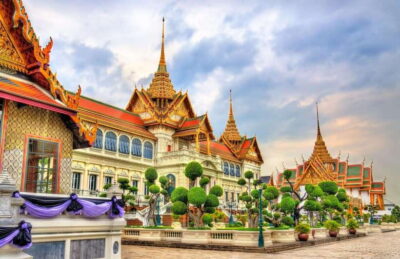
Grand Palace, Wat Pho, and Wat Arun Guided Tour
Read our review →
Tiger Cave Temple, Emerald Pool and Hot Springs Tour
Read our review →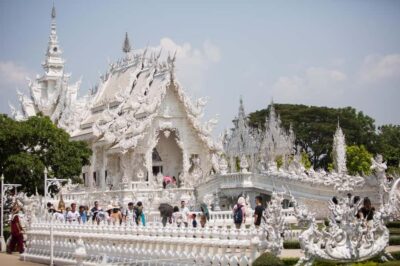
Chiang Rai White Temple and Blue Temple Day Tour
Read our review →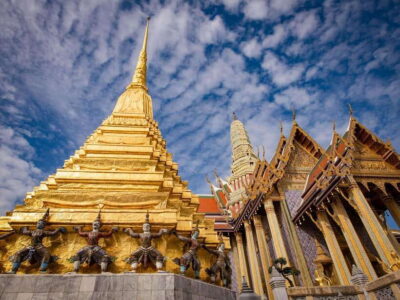
Grand Palace and Wat Phra Kaew Guided Walking Tour
Read our review →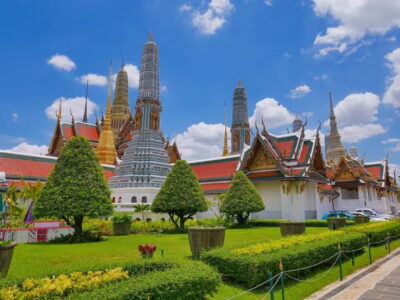
Grand Palace, Wat Pho, Wat Arun Sacred & Local Tour
Read our review →
Doi Suthep and Wat Umong Enchanting Evening Tour
Read our review →
Browse the lists this tour appears in