
Review · THAILAND
Exclusive experience half day with family giant animals
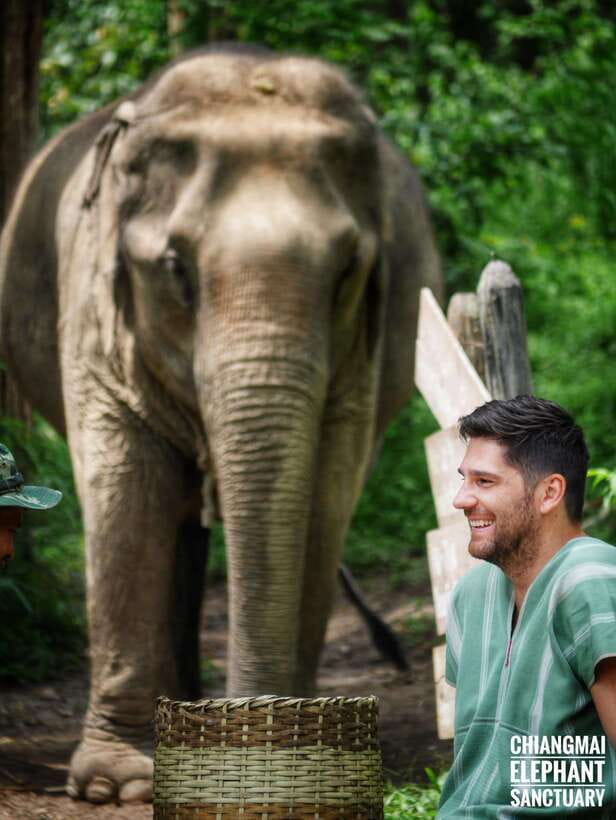
The heart of this Chiang Mai outing is time spent at ground level with elephants: feeding them by hand, walking beside them, and helping bathe them in a river. I like the small-scale feel, with one detailed account describing three elephant females and four caretakers, and I like that the animals are not used for riding.
I also like the natural setting, which includes a jungle waterfall and river rather than a staged show. The main drawback is the road trip. One account describes a roughly two-hour ride into the mountains in an open-backed pickup, so this is not a quick city excursion, and the advertised half-day wording does not match the full schedule of transport, elephant time, lunch, and return.
In This Review
- Key points to know before booking
- A long mountain ride leads to the elephants
- Getting ready at the sanctuary
- Feeding the elephants by hand
- Walking beside the elephants
- River bathing and swimming
- Saying goodbye and taking final photos
- A jungle waterfall without elephants
- Thai lunch before the ride back
- Is $48 a fair price?
- What to bring and what to skip
- Who will enjoy this Chiang Mai outing?
- Should you book the elephant sanctuary experience?
- FAQ
- Where does the experience begin?
- Is hotel return included?
- How long does the experience last?
- What language does the guide speak?
- What activities can I do with the elephants?
- Is elephant riding included?
- Is lunch included?
- What should I bring?
- Can I use regular sunscreen?
- Can I cancel for a refund?
Key points to know before booking
- Three hands-on elephant activities: Feed the elephants, walk alongside them, then bathe and swim with them in the river.
- A jungle waterfall is included: The waterfall walk takes place without the elephants and adds a short nature stop to the day.
- Hotel transfers save planning time: Pickup and return in Chiang Mai are included.
- You will get wet and dirty: Bring swimwear, a towel, dry clothes, and shoes or clothing suited to mud and water.
- The animal contact is active but not built around riding: The experience focuses on feeding, walking, and bathing.
- The price is $48 per person: That includes transport, uniform, guide, lunch, elephant activities, and the waterfall stop.
A long mountain ride leads to the elephants
Your day starts with hotel pickup in Chiang Mai. You are asked to wait in the lobby 10 minutes before the scheduled time, a small but useful rule in a city where a late departure can affect the whole day.
The drive takes you out of the city and into Chiang Mai Province. One detailed account puts the mountain ride at about two hours and describes an open-sided pickup truck. That kind of vehicle can make the journey feel like part of the adventure, but it also means you should prepare for a bumpy, exposed ride. If you prefer smooth highway transport, ask about the vehicle before booking.
There is a timing detail worth checking. The experience information says to check availability for starting times, while the detailed account describes a 7 a.m. pickup instead of the 6 a.m. time expected from the booking. Confirm your pickup time after reserving, and do not assume every departure follows the same schedule.
The drive matters because the sanctuary is not a quick stop near central Chiang Mai. You are paying for the full outing, not just a short animal encounter. The return transfer is included, so you do not need to arrange a taxi or negotiate a ride back from a rural area.
Other Thailand days people book alongside this one:
- Bangkok: Damnoen Saduak Market and Maeklong Railway Market
★ 4.5 · 26,723 reviews - Half-Day Thai Cooking Class at Organic Farm in Chiang Mai
★ 5.0 · 19,087 reviews - The Old Siam: Damnoen Saduak and Maeklong Railway Market
★ 4.5 · 10,992 reviews
Getting ready at the sanctuary
On arrival, you change into the uniform provided by the sanctuary. That is practical, not just a photo opportunity. Mud, river water, and elephant food are all part of the day, so you should wear clothes you do not mind getting dirty underneath or around the uniform.
The guide gives you basic information about elephants and the sanctuary before you meet the animals. The supplied language is English, and the guide leads a safety briefing as part of the visit. This introduction is important because close contact with an elephant requires calm movements and attention to the people caring for the animals.
The information available does not give the guides’ names, group size, or a detailed lesson about elephant behavior. You should expect a basic orientation rather than a long wildlife lecture. That may suit you if the main goal is time with the animals, but readers looking for a detailed conservation course should ask what the briefing covers.
The experience is described as wheelchair accessible, though the river, waterfall path, and mountain transport may still make some parts difficult depending on your mobility. Ask the provider to explain how access works for your specific needs before you go.
Feeding the elephants by hand
The first close meeting begins with hand-feeding. This is one of the simplest ways to interact with the elephants, and it gives you a chance to watch their behavior before the walking and river activities begin.
You should expect the animals to be large, curious, and close enough that calm behavior matters. Follow the guide’s instructions, keep your hands where you are told, and avoid sudden movements. The supplied information does not specify the food, so do not arrive expecting to bring your own treats.
The elephants are described as being cared for in a large jungle area, without riding as part of the activity. A detailed account also describes the animals as not chained or shut in. Those points fit the program’s focus on walking, feeding, and bathing rather than performances or rides, but you should still watch how the animals are handled during your visit. Good signs include patient caretakers, room for the elephants to move, and no pressure to force contact.
A particularly positive detail is the reported ratio of four caretakers to three adult female elephants on one morning. That does not guarantee the same arrangement every day, but it suggests that the staff can pay close attention to both animal behavior and visitor safety.
Walking beside the elephants
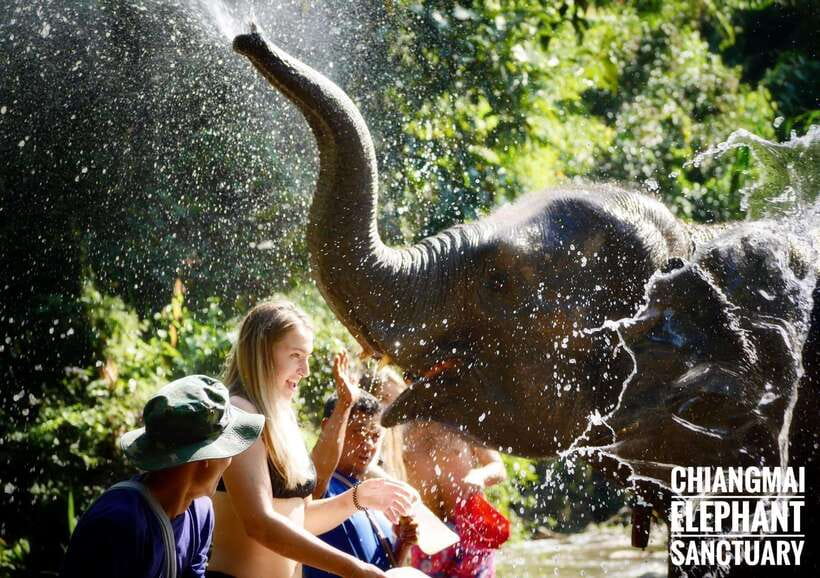
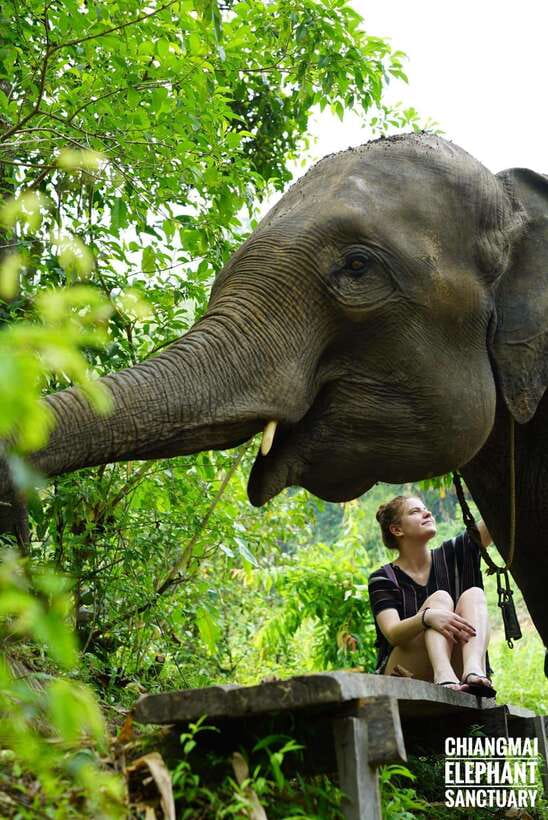
After feeding, you walk with the elephants through the sanctuary area. This is different from sitting on an elephant or watching one from a platform. You remain on foot, matching the animals’ pace while the caretakers guide the group.
The walk gives you a better sense of the elephants as animals with their own rhythm. The experience is not built around making them perform a trick for a camera. You may spend as much time watching them stop, eat, or move at their own speed as you do taking photographs.
That slower pace is a strength, but it can test your patience if you expect constant action. The schedule may also change with weather, water conditions, or the animals’ behavior. The provided details do not promise a fixed walking distance, so treat this as guided time alongside the elephants rather than a measured hike.
Take your camera, but keep it secure. You will be near water later, and your hands may be occupied with food or mud. A waterproof phone pouch would be sensible, although it is not listed as an included item.
Same coastline, a completely different day out:
- From Bangkok: Ayutthaya Temples Guided Tour with Lunch
★ 4.7 · 10,535 reviews - Bangkok: Train Market & Floating Market with Boat Ride
★ 4.7 · 9,547 reviews - Chiang Mai: Elephant Sanctuary, Waterfall & Bamboo Rafting
★ 4.9 · 9,160 reviews - Chiang Mai: Doi Inthanon National Park Eco-Friendly Tour
★ 4.6 · 6,667 reviews
River bathing and swimming
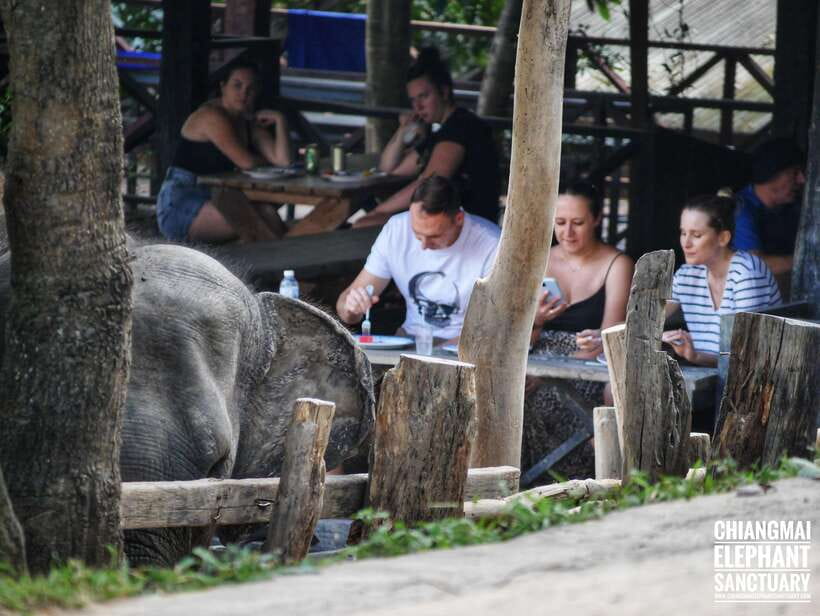
The most playful part of the day comes at the river. You bathe the elephants and swim with them in a natural setting. This is the experience’s biggest draw, and it is also the point where you should expect to get thoroughly wet.
Bring swimwear, a towel, insect repellent, sunscreen, and a full change of clothes. Comfortable clothing is essential, and biodegradable sunscreen is specifically requested to reduce harm to the elephants and their surroundings. Do not rely on a quick rinse after the activity. Your clothes, hair, bag, and camera may all need attention.
The river setting makes this feel less like an animal show and more like a shared outdoor activity. Still, bathing with elephants is not a passive photo stop. You must listen closely to the caretakers and give the animals room. The exact water depth, current, and swimming conditions are not provided, so follow the day’s instructions rather than assuming the river will suit every swimmer.
The animal welfare details deserve a careful look. The program describes close interaction, but it does not explain every handling rule or how often the elephants are asked to bathe. I would choose the respectful option during the visit: let the elephants move away, avoid crowding them, and do not push for a better photograph if an animal seems uninterested.
Saying goodbye and taking final photos
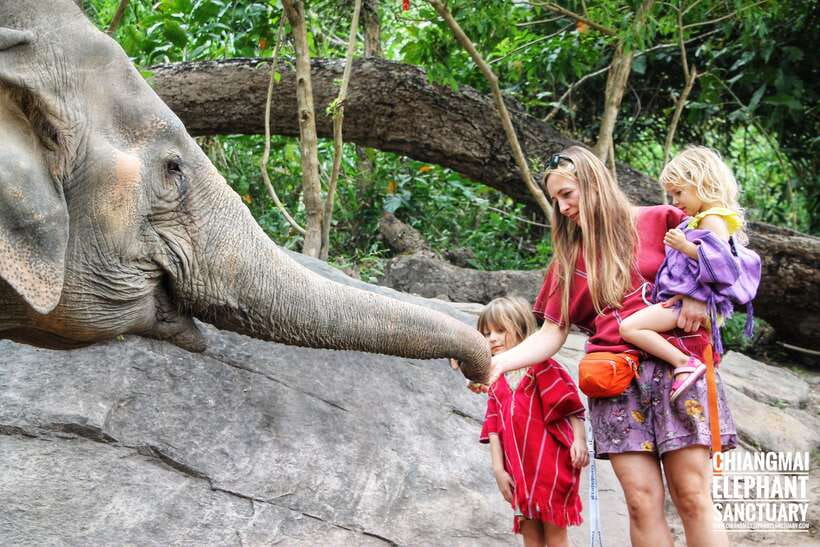
After the river, you walk back to the sanctuary and feed the elephants again. This second feeding gives the visit a natural ending. You can say goodbye, take more photographs, and enjoy a final close look before changing or settling in for lunch.
One detailed account mentions three female elephants, aged 53, 19, and 18, and notes that a young elephant had recently moved to a youth camp at age three. That is a useful reminder that the group of animals can change. If seeing a baby elephant is important to you, do not book on the assumption that one will be present.
The repeated feeding also means the day is not one long continuous bath-and-photo session. There is a clear rhythm: learn, feed, walk, bathe, return, feed again. I like that structure because it gives you time to settle into the experience instead of rushing from one staged moment to the next.
A jungle waterfall without elephants
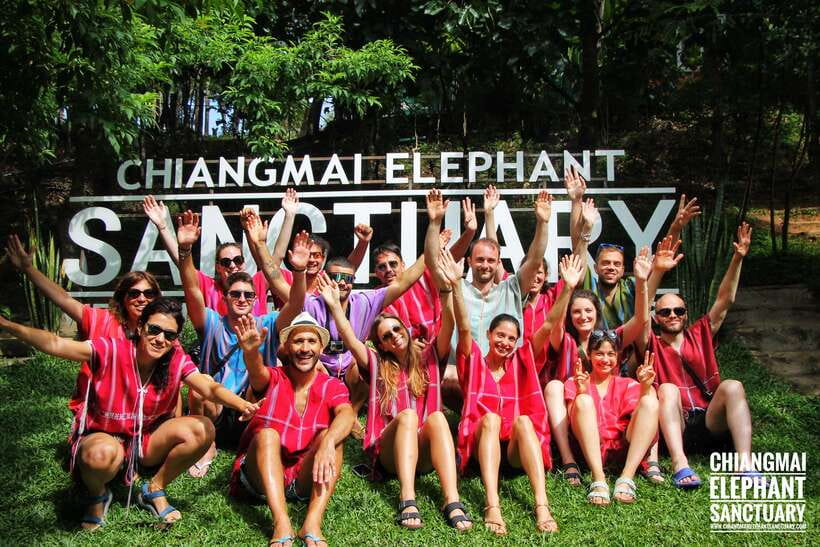
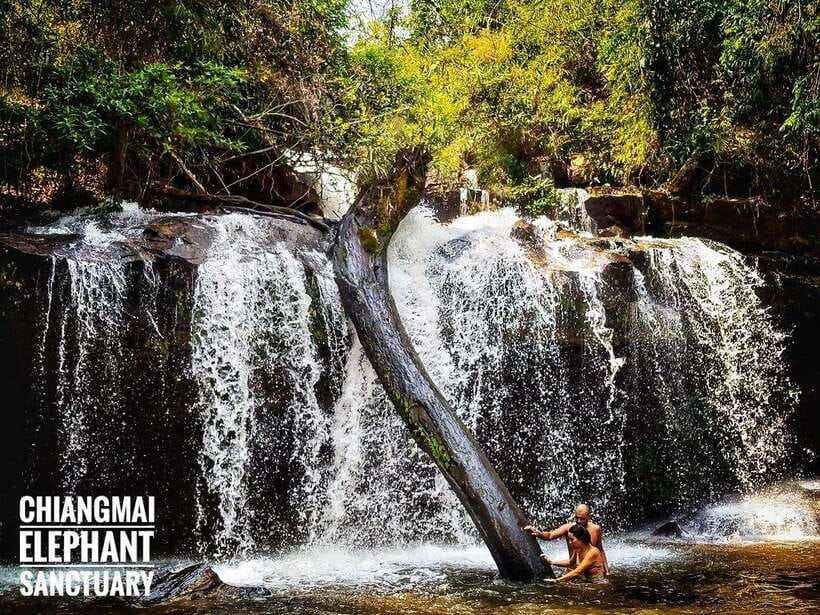
The included waterfall walk takes place after the elephant activities and without the animals. It adds a separate nature stop to the day, which is a good use of the rural setting.
The waterfall is described as an unseen waterfall in the jungle, but no height, trail length, or swimming rules are provided. You should expect a walk rather than a guaranteed major attraction. Wear practical shoes and watch your footing, especially after rain or after you have already spent time in the river.
This stop may be the quietest part of the program. If you want more than elephant contact, it gives the day some variety. If you are mainly booking for the animals, it may feel like an extra walk at the end of a tiring morning, particularly after the long drive and wet activities.
Thai lunch before the ride back
A traditional Thai lunch is served at the sanctuary before you return to Chiang Mai. The food is included, and one detailed account calls it tasty. No menu is specified, so tell the provider about dietary needs when you book rather than assuming that suitable alternatives will be available.
Lunch is more valuable here than it might sound. After a wet morning, you will want time to dry off, eat, and change before the return journey. It also keeps the schedule self-contained. You do not need to search for a restaurant in a rural area or pay for another meal.
The return to your Chiang Mai hotel is included. Since the drive out may take around two hours, plan for a full day away from the city even though the product title calls this a half-day experience. The provided duration also says one day, and the schedule clearly includes pickup, mountain transport, the sanctuary program, lunch, and the ride home.
Is $48 a fair price?
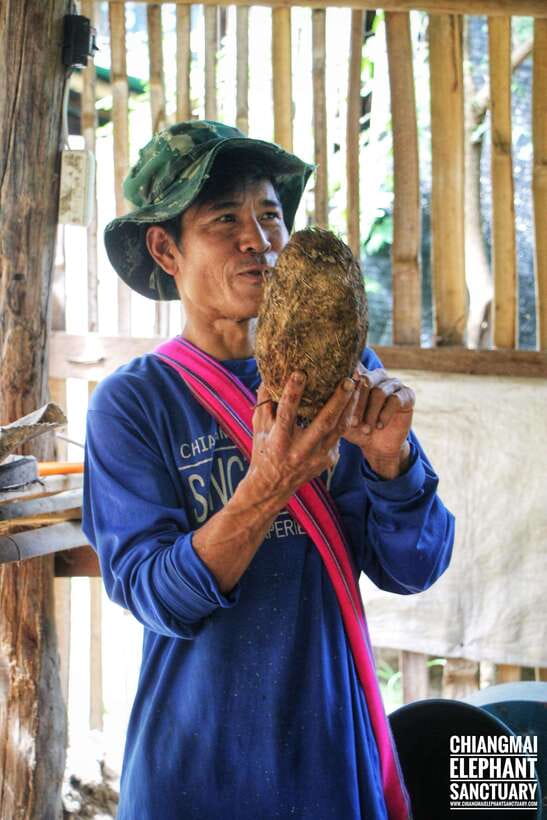
At $48 per person, this is a strong package if you want an all-in-one elephant outing from Chiang Mai. Your price covers hotel pickup and drop-off, the uniform, an English-speaking guide, the safety and elephant briefing, close interaction, walking, river bathing, the waterfall, and lunch.
The value depends on how you measure time. You are not paying for a short city attraction. A large part of the day may be spent on the road, and one account describes a two-hour journey each way. If you count the transport, staff, meals, and rural access, the price is reasonable. If you want only a quick elephant feeding session, the long transfer may not feel like good value.
The program also says it supports local people by providing jobs. That gives the cost a local economic purpose, although the information does not explain how the funds are distributed or the exact ownership structure. You can ask the provider about the sanctuary’s care standards and community employment if those details matter to your decision.
The average rating is 4.7 from 25 ratings, with praise focused on the elephant interaction, careful handling, food, and punctual pickup. That is a useful sign, but it cannot answer every question about daily group size, transport comfort, or animal welfare practices. Use the price as a starting point, not as proof that every part will suit you.
What to bring and what to skip
Pack light, but pack for water and mud. The useful list is:
- Hat and comfortable clothes
- Swimwear and a change of clothes
- Towel
- Sunscreen, preferably biodegradable
- Insect repellent
- Camera
You may want a waterproof bag for dry clothes and electronics. That is practical advice based on the river activities, not a supplied inclusion.
Alcoholic drinks are not allowed in the vehicle. The rule is simple, and it is sensible on a long mountain ride. Arrive at the hotel lobby 10 minutes before pickup, and confirm the exact departure time because the recorded pickup time did not match the time shown in one booking.
Who will enjoy this Chiang Mai outing?
I would choose this for you if you want hands-on elephant time without riding. The feeding, walking, and bathing activities offer more contact than a sanctuary visit where you only observe from a distance.
It also suits families and small groups who do not mind a long drive and getting wet. The word family appears in the experience title, and the program is designed around guided interaction rather than a strenuous trek. Still, children should follow the caretakers’ instructions closely around the elephants, and adults should be ready to manage clothing, cameras, and river safety.
This may not suit you if you want a short morning activity, a polished coach ride, or a precise schedule. It may also disappoint if you expect a baby elephant, since the young animal described in the detailed account had moved to another camp.
The program is listed as wheelchair accessible, but ask about the open-backed mountain vehicle, riverbank, and waterfall walk before paying. Accessibility can vary by section of the day even when the activity is marked accessible.
Should you book the elephant sanctuary experience?
Book it if you value close but guided contact, a natural river setting, included transport, and a simple Thai lunch. The strongest parts are the hand-feeding, the walk beside the elephants, and the bath in the river. The reported lack of riding and the calm, caretaker-led format are also good reasons to consider it.
Skip it if the thought of a rough mountain ride, wet clothes, jungle walking, or an uncertain schedule bothers you. Confirm the pickup time, ask about the vehicle and group size, and raise any mobility or dietary needs before the day.
For $48, this is a practical way to spend a full day outside Chiang Mai. Go with realistic expectations: the elephants set the pace, the road is long, and the best moments come from watching rather than demanding constant contact.
FAQ
Where does the experience begin?
Pickup begins in Chiang Mai, with hotel pickup included.
Is hotel return included?
Yes. The package includes transfer from your Chiang Mai hotel to the sanctuary and return to your hotel.
How long does the experience last?
The information describes the activity as valid for one day, although the title calls it a half-day experience. The schedule includes transport, sanctuary activities, a waterfall walk, lunch, and the return ride, so you should plan for a full day.
What language does the guide speak?
The live guide speaks English.
What activities can I do with the elephants?
You can learn basic information about elephants and the sanctuary, feed the elephants by hand, walk alongside them, and bathe and swim with them in the river.
Is elephant riding included?
No elephant riding is listed. The included activities are feeding, walking, bathing, and swimming with the elephants.
Is lunch included?
Yes. A traditional Thai lunch is included.
What should I bring?
Bring a hat, swimwear, a change of clothes, a towel, a camera, sunscreen, comfortable clothes, and insect repellent.
Can I use regular sunscreen?
Biodegradable sunscreen is recommended to help protect the elephants.
Can I cancel for a refund?
You can cancel up to 24 hours in advance for a full refund. The activity also offers reserve now and pay later booking.
Just added around Thailand
- Damnoen Saduak Floating Market Small Group Tour★ 4.0 · 107 reviews
- Angkor Wat 2-Day Tour from Bangkok★ 5.0 · 8 reviews
- Arrival Private Airport Transfer : Bangkok Airport to Hotel in Bangkok★ 4.5 · 142 reviews
- Private Best of Bangkok Full Day Highlights City Tour★ 4.5 · 13 reviews
- Ancient Wonders of Ayutthaya with Return Scenic River Cruise★ 4.0 · 31 reviews
- Private Ancient city of Ayutthaya Shore Excursion★ 5.0 · 9 reviews
- Ancient City Ayutthaya Private Guided Day Tour★ 5.0 · 49 reviews
- Ancient City Bangkok and Erawan Museum Tickets★ 4.5 · 8 reviews