
Review · CANOES & KAYAKS
Ko Lanta: Mangrove Kayaking, Ko Talabeng, & Skull Island
Skull Island is the surprise here. This is not a gentle paddle followed by a quick photo stop. You climb through a narrow cave and up steep rock to reach the island’s famous skull-like openings, then kayak among cliffs, caves, mangroves, and monkeys. The mix of adventure and quiet nature gives the day far more character than a standard beach cruise.
I especially like the small-scale, family-run feel and the homemade lunch served beside the sea. Guides such as Faris and Forest bring plenty of energy, help carefully with the climb, and often take photos along the way. The main caution is simple: this is a physical outing. The Skull Island section involves steep footing, a long descent, and exposure to height, so it is not suitable for everyone.
In This Review
- Key points at a glance
- Why this Ko Lanta trip feels different
- The longtail boat ride from Baan Loh Yai Pier
- Skull Island requires confidence and careful feet
- Mangrove kayaking reveals a quieter side of Ko Lanta
- Ko Talabeng Noi brings lunch, swimming, and room to breathe
- Sea kayaking around Ko Talabeng
- The sea cave is beautiful, but not effortless
- Wildlife is part of the day, not a guarantee
- Guide style and group atmosphere
- Is $63 good value?
- What to bring for a smoother day
- Who should book this experience?
- Should you book it?
- FAQ
- How long does the Ko Lanta kayaking and Skull Island tour last?
- Is hotel pickup included?
- What language does the guide speak?
- Is lunch included?
- Do I need kayaking experience?
- Is the Skull Island climb difficult?
- What should I wear and bring?
- Can the itinerary change because of weather?
Key points at a glance
- Skull Island is a real climb: Expect steep rock, narrow passages, and a descent that requires care.
- Two kinds of kayaking: Paddle through a living mangrove forest, then switch to open-water kayaking around Ko Talabeng.
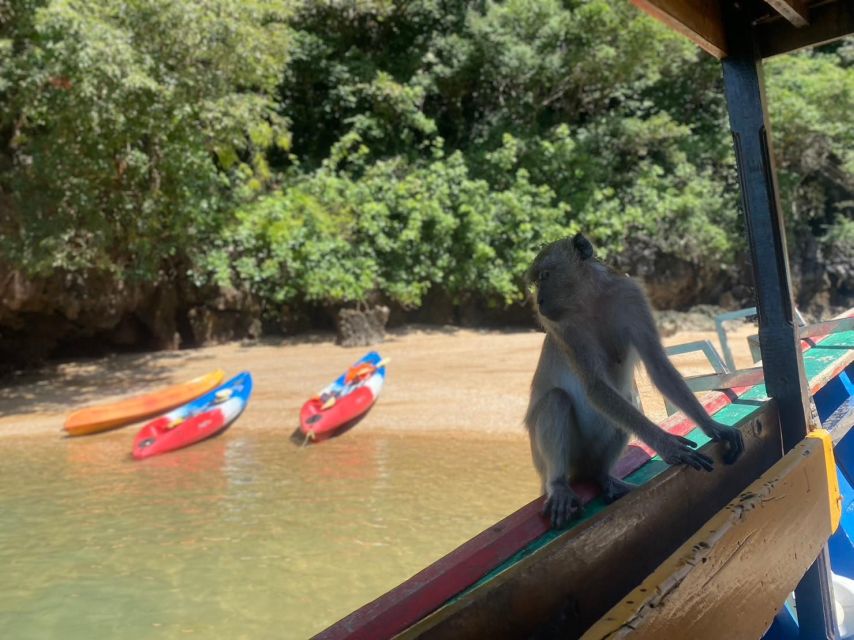
- Monkeys appear at close range: The isolated beaches and islands can bring you near local macaques.
- Lunch is part of the pleasure: A filling homemade picnic, fresh fruit, soft drinks, and a swim break make a welcome pause.
- Quiet routes away from the main crowds: The eastern islands and mangroves often feel much calmer than Ko Lanta’s better-known day trips.
- Bring proper footwear: Trainers or sturdy water sandals are far better than flip-flops or loose beach shoes.
Why this Ko Lanta trip feels different
Many island trips from Ko Lanta follow a familiar pattern: boat ride, beach, swim, lunch, repeat. This one keeps changing pace. You start with a longtail boat and sightseeing, move into mangrove channels, tackle a cave climb, paddle around Ko Talabeng, and finish with swimming and more coastal scenery.
That variety is the biggest reason I would choose it. You get active moments, quiet water, wildlife, dramatic rock, and time to sit down and eat. It feels like a day spent exploring the islands rather than being moved from one photo stop to the next.
The route also reaches the less visited side of the Ko Lanta area. Several recent outings had only a small group, and some groups found themselves alone at the mangroves, cave, or beach. That can change with the season and sea conditions, but the setting is generally less crowded than Phi Phi or the Four Islands tours.
A few more Ko Lanta trips to weigh up
- Ko Lanta: Half-Day Mangrove Kayaking Tour with Lunch
★ 4.7 · 806 reviews - Ko Lanta: Half-Day Kayaking, Talabeng, Sea Cave & Mangrove
★ 4.6 · 153 reviews - Koh Lanta: Sea Cave Kayaking and Talabeng Island Tour
★ 4.3 · 50 reviews
The longtail boat ride from Baan Loh Yai Pier
Pickup begins at your hotel in Ko Lanta District, followed by a short transfer to Baan Loh Yai Pier. From there, a longtail boat carries the group toward the islands, with time for sightseeing and photographs.
This first ride matters because it gives you a sense of the area before the active parts begin. Ko Talabeng is known for tall limestone cliffs, sea caves, and small beaches tucked along its edges. The boat lets you see those rock walls from the water before you get close by kayak.
The boat ride is also a useful breather. You are not paddling from the moment you leave your hotel, and the guides use the journey to explain the day. Keep your camera ready, but protect it carefully. You receive a waterproof bag, yet a phone lanyard or dry pouch is still sensible if you are nervous about dropping valuables.
Skull Island requires confidence and careful feet
The first major challenge is Skull Island, identified locally as Ko Daeng or Ko Phee. The name comes from the shape of the rock and its cave openings. The route takes you through the island rather than simply around it, with sections of climbing, narrow passageways, and a steep descent.
This is the part you need to understand before booking. It is not a paved walk or a simple scramble over a few rocks. The climb can feel exposed, especially for anyone who dislikes heights, and the footing becomes more demanding as you move farther inside. Some people find it exciting; others may decide that reaching the lower area is enough.
The guides are an important part of this section. Faris, Forest, and the supporting team are described as patient and encouraging, showing you where to place your feet and helping anyone who feels unsure. That support makes a difference, but it does not remove the physical demands. You still need balance, leg strength, and comfort with a steep route.
Wear sports shoes or secure closed-toe sandals with good grip. Flip-flops are a poor choice. You may also want to leave bulky bags behind, since your hands are more useful for steadying yourself. The tour supplies kayaking equipment and a waterproof bag, but it does not turn the cave climb into a guided climbing course with technical safety gear.
If you are reasonably fit and curious about an unusual island experience, this can be the day’s most memorable section. If you are pregnant, have heart problems, are afraid of heights, are over 70, or weigh more than 95 kilograms, this outing is not suitable according to the operator’s restrictions.
Mangrove kayaking reveals a quieter side of Ko Lanta
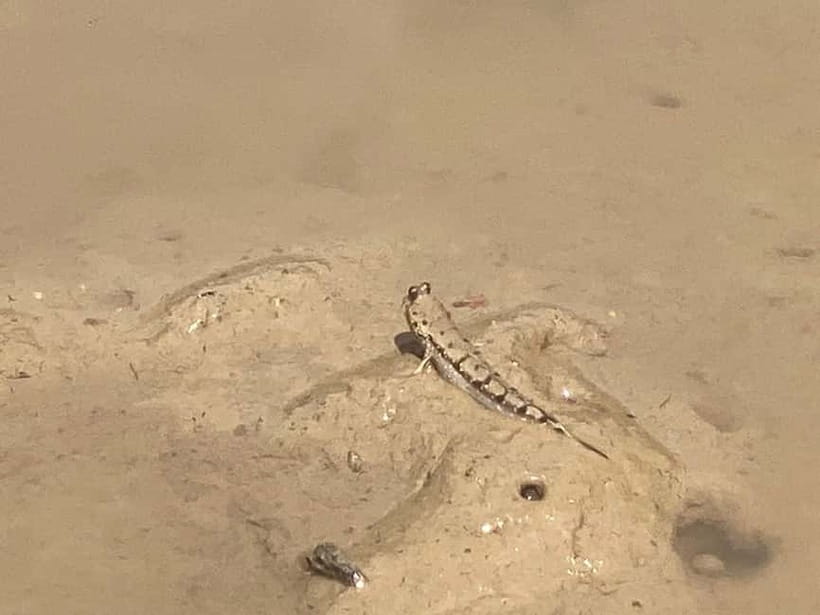
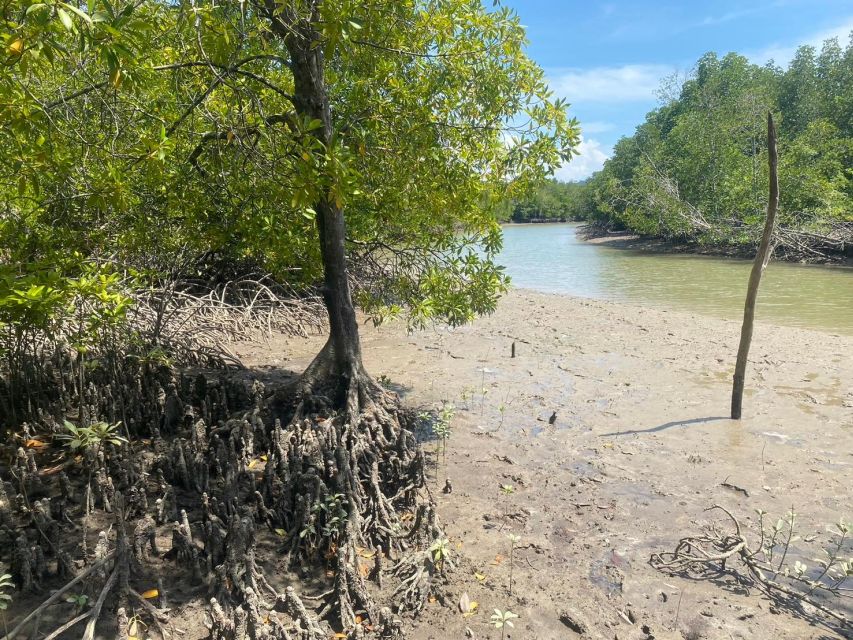
After basic paddling instructions, you can use a single kayak in shallow coastal water or choose a double kayak with a guide. The route through the mangroves is calmer than the open sea and gives you time to notice small details.
Mangroves are not just pretty trees beside the water. Their tangled roots shelter young marine life and help hold the muddy shoreline together. As you paddle beneath the branches, look for crabs, mudskippers, lizards, and birds. Monkeys may also appear along the banks, although wildlife is never guaranteed on a particular morning.
The atmosphere changes with the tide. One outing found the mangrove section less satisfying at low tide because some channels could not be reached. That is a useful warning. The program can change with weather and sea conditions, and low water may shorten or redirect parts of the route.
Still, the mangrove section earns its place in the day. It slows everything down after the rock climb and gives you a close view of a coastal ecosystem that is easy to miss from a sightseeing boat. If you enjoy nature, this part may be more rewarding than another crowded beach stop.
Same coastline, a completely different day out:
- Koh Lanta: Adventure Sea Tour to Koh Rok and Koh Haa
★ 4.7 · 828 reviews - Koh Lanta: 4 Islands, Emerald Cave & Koh Kradan by Longtail
★ 4.4 · 766 reviews - Koh Lanta: 4 Islands and Emerald Cave Tour by Longtail Boat
★ 4.5 · 507 reviews - From Koh Lanta: Koh Haa & Koh Rok Snorkel Tour by Speedboat
★ 4.7 · 403 reviews
Ko Talabeng Noi brings lunch, swimming, and room to breathe
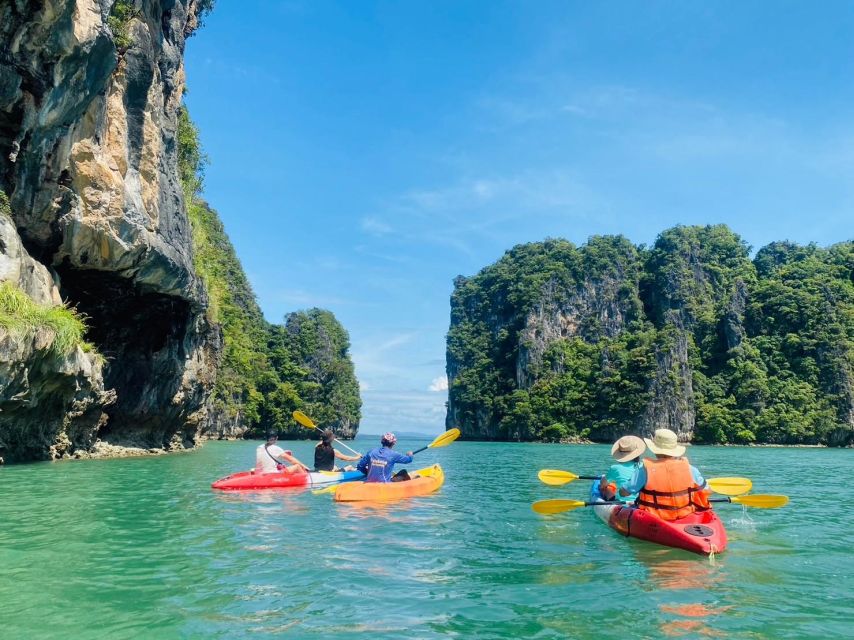
The group pauses at Ko Talabeng Noi for a picnic lunch on the beach. The meal includes fresh seasonal fruit, soft drinks, and drinking water, with the food described as filling and homemade. Several guides are part of local family-run operations, and that personal touch comes through in the meal.
Lunch is well timed. Kayaking and climbing can leave you hungry, and a beach picnic gives you a proper pause rather than a rushed snack between activities. You can eat, dry off, and swim in the turquoise water before getting back in the kayak.
The beach is one of the day’s strongest points because it combines practical comfort with a good setting. You are not simply stopping to take a photograph. You have time to relax, and the schedule generally allows a decent swim after eating.
Bring a towel and a change of clothes. You can expect to get wet from the kayaks, spray, rain, or swimming. The tour operates rain or shine, so a light rain shower does not automatically end the day. Sea conditions can affect the exact order or location of stops.
Sea kayaking around Ko Talabeng
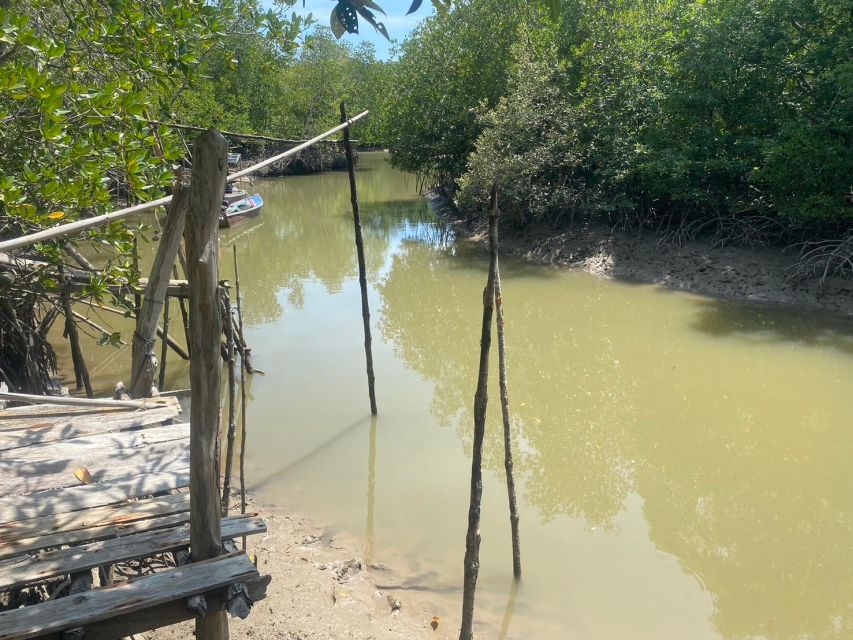
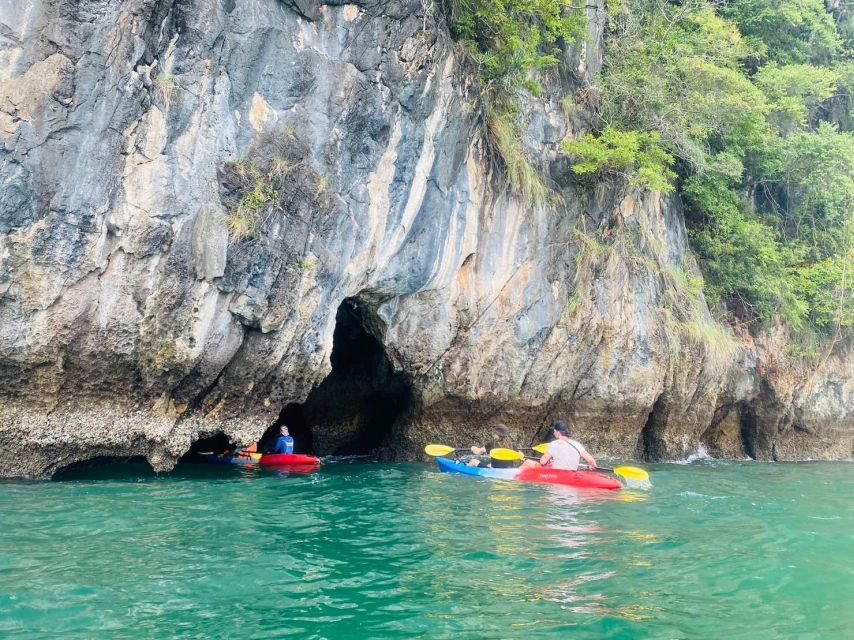
The open-water kayaking around Ko Talabeng is different from the mangrove paddle. Here, you move beside limestone cliffs, small beaches, and sea caves, with wider views and more exposure to wind and waves.
This is where hard-shell kayaks are used, and the setting is particularly scenic. You may paddle past striking rock walls, pause for photographs, or rest at a quiet beach. The pace is usually relaxed, but the sea can make paddling more demanding than the mangrove route.
For many people, this becomes the favorite part of the trip. You are low on the water, close to the cliffs, and moving under your own power instead of looking at the islands through a boat window. The route also gives you a chance to see Ko Talabeng at close range, including sections that are difficult to appreciate from the main boat.
You do not need to be an expert kayaker. Basic instruction is provided, and a guide can join you in a double kayak if you prefer extra help. Even so, you should be comfortable with several hours of activity, getting in and out of a boat, and handling some sun and sea spray.
The sea cave is beautiful, but not effortless
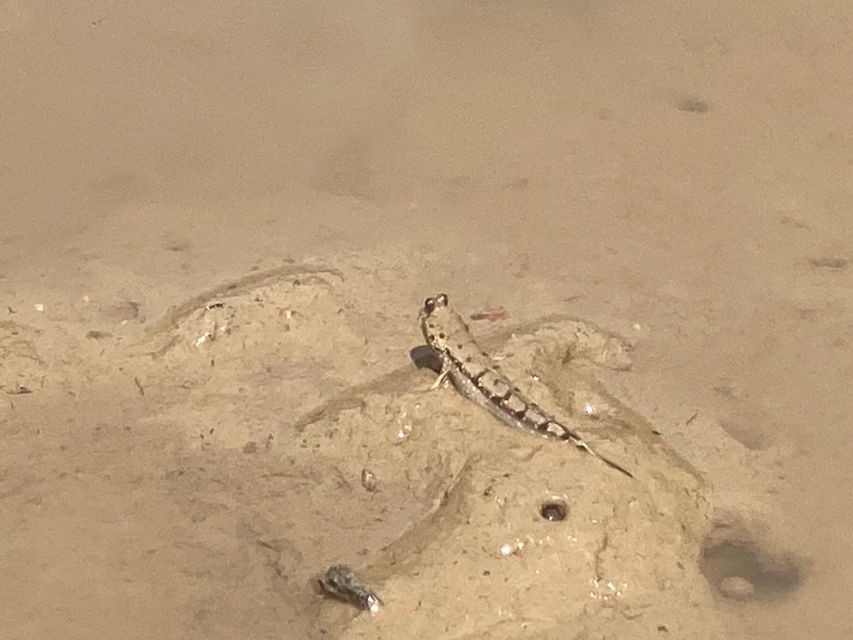
At some point during the Ko Talabeng route, you enter a clear-water sea cave. Inside, stalactites and stalagmites create the kind of strange shapes that make the cave feel much older and wilder than the beaches outside.
The cave is reached from the water, so you should expect another wet section. The contrast is excellent: bright sea, dark rock, cool water, and mineral formations overhead. It is one of the more unusual stops on Ko Lanta’s island excursions.
Do not picture a large tourist cave with walkways and lights. The supplied information describes a natural cave experience, and the wider trip includes rock climbing through Skull Island. Conditions inside can vary, so listen closely to the guide and follow instructions.
Wildlife is part of the day, not a guarantee
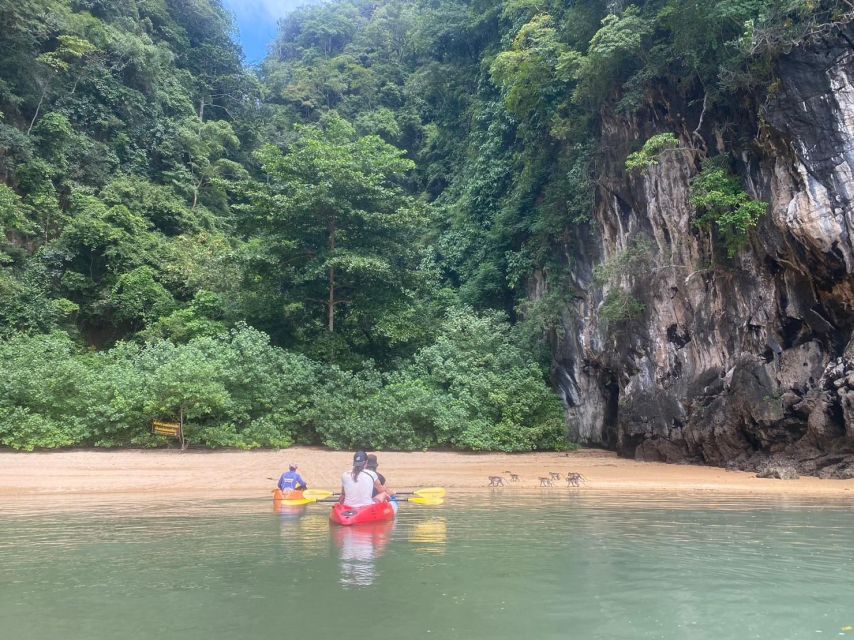
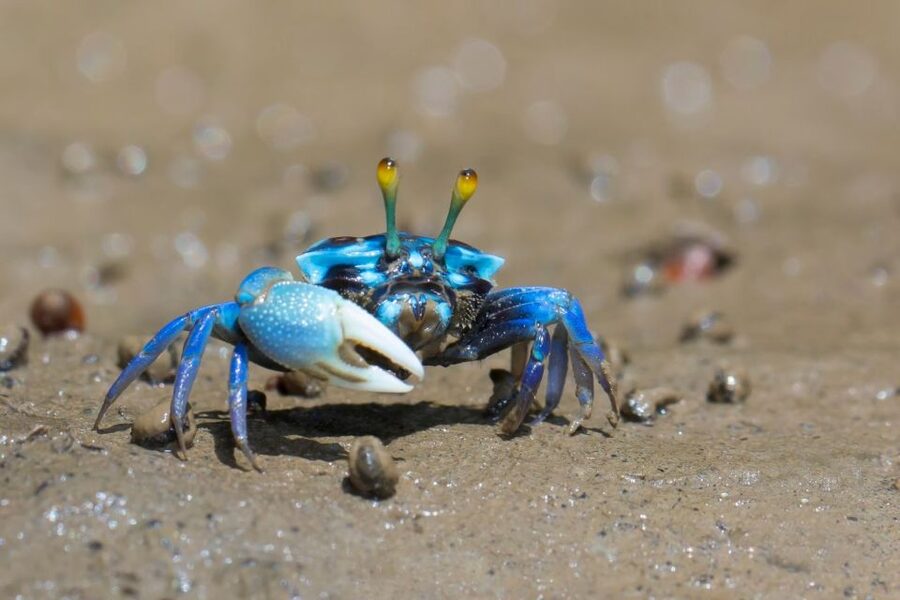
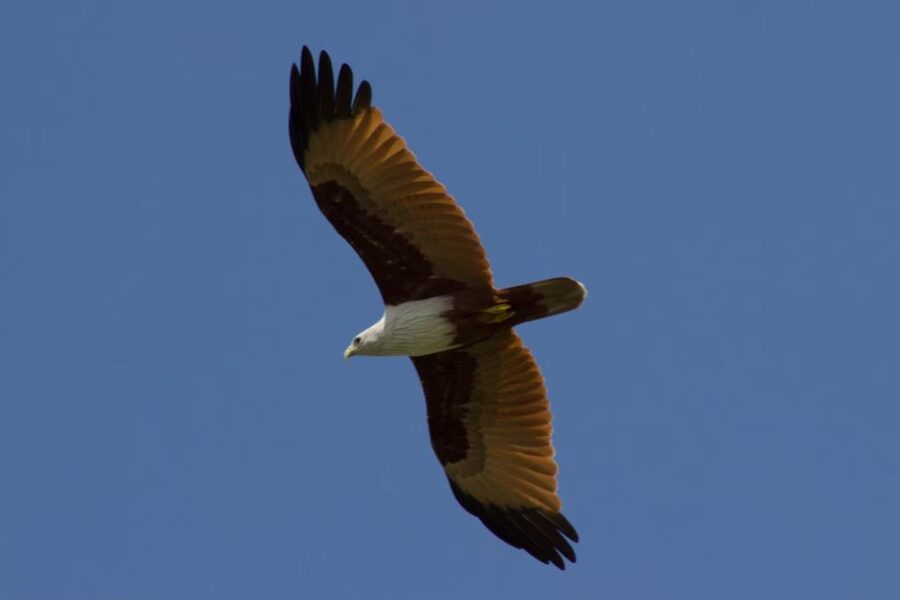
The mangroves and islands support a useful range of wildlife. You might see birds overhead, crabs and mudskippers near the mud, lizards on the shore, and monkeys around the quieter beaches.
The monkeys can come quite close, especially when the guides know the usual places to find them. That makes for memorable photographs, but you should still treat them as wild animals. Keep food secure and follow the guide’s instructions rather than reaching toward them.
The animal sightings are best viewed as a bonus. The tour is worthwhile without monkeys appearing, since the main draw is the combination of mangroves, limestone islands, caves, and swimming. Tides, weather, and chance all affect what you see.
Guide style and group atmosphere
The guide can make or break an active day, and this operation receives especially strong praise for its personal approach. Faris and Forest are names associated with the experience, and the guides are known for humor, singing, nature explanations, and steady encouragement during the climb.
The repeated phrase Easy Banana has become part of the day’s playful mood. It is not a substitute for clear instruction, but the guides appear to use humor to calm nervous people and keep the group moving.
The family-run character is another plus. You get more than transport and equipment. The team helps with tricky footing, takes photographs, serves lunch, and keeps an eye on less confident participants. If you prefer a quiet, formal tour with little conversation, the lively guide style may feel like a lot. Most people booking this outing are likely to enjoy the warmth and energy.
Is $63 good value?
At $63 per person, the price is strong for a seven-hour day that includes hotel pickup and drop-off, a longtail boat, guide services, kayaking equipment, lunch, fruit, soft drinks, water, a waterproof bag, wharf fees, and parking.
The value comes from the number of separate experiences packed into one outing. A basic mangrove kayak trip might give you one ecosystem. A standard island cruise might give you beaches and swimming. This combines both, then adds a cave climb, sea cave, wildlife, and a meal.
I would not choose it purely because it is cheap. The physical work is real, and the transport may feel basic. One account described an uncomfortable truck-style transfer with fumes, while the normal description refers to a minibus. Either way, do not expect luxury transportation.
For an active person who wants a quieter alternative to the famous island routes, the cost is fair. It is also good value if you want one day that covers several sides of the Ko Lanta area without arranging separate trips.
What to bring for a smoother day
Pack light, but bring the items that protect you from wet clothes and awkward footing.
- Closed-toe sports shoes or secure sandals with grip
- A towel and a full change of clothes
- Camera or phone in a waterproof case
- Cash for personal spending or a tip
- Sandals for the beach, if your main shoes are uncomfortable when wet
- Sun protection, even though it is not listed among the required items
You need to wait in your hotel lobby 15 minutes before pickup. Alcohol and drugs are not allowed, and pets cannot join the tour.
Who should book this experience?
You should consider it if you like active sightseeing, small-group outings, natural scenery, and a day with several different activities. It is especially well suited to people who want to see Ko Lanta’s quieter side and do not mind getting wet or working up a sweat.
Families with older children may enjoy it, but the cave climb needs an honest fitness check. The operator specifically excludes pregnant women, people with heart conditions, people afraid of heights, people over 70, and anyone above 95 kilograms. Younger children may find the descent frightening.
If you want a soft beach day, luxury boat, or fully accessible route, choose another excursion. The lower area of Skull Island may offer an alternative to the climb, but the tour as a whole still involves boats, kayaks, uneven ground, and swimming.
Should you book it?
I would book this tour if your idea of a good island day includes effort, laughter, wildlife, and a few moments that make you think carefully about where to put your feet. The Skull Island climb and Ko Talabeng kayaking are the main reasons to choose it, while the homemade lunch and quiet beaches round out the day.
Skip it if you dislike heights, struggle with uneven terrain, or want a predictable schedule unaffected by tides and weather. For everyone else, $63 buys a varied and genuinely local-feeling outing, with enough time in each setting to make the day feel worthwhile rather than rushed.
FAQ
How long does the Ko Lanta kayaking and Skull Island tour last?
The experience lasts seven hours, including hotel pickup and return transfer within Ko Lanta District.
Is hotel pickup included?
Yes. Hotel pickup and drop-off are included. You should wait in the hotel lobby 15 minutes before the scheduled pickup time.
What language does the guide speak?
The live tour guide speaks English.
Is lunch included?
Yes. The tour includes lunch, seasonal fresh fruit, soft drinks, and drinking water. Lunch is served as a picnic at Ko Talabeng Noi.
Do I need kayaking experience?
No previous experience is stated as a requirement. Your guide provides basic kayaking instructions, and you can choose a double kayak with a guide.
Is the Skull Island climb difficult?
Yes. It includes steep sections, narrow passages, a long descent, and exposure to height. You need reasonable fitness and good footwear. A lower area may be available if you do not want to climb all the way up.
What should I wear and bring?
Bring sports shoes or closed-toe shoes with good grip, sandals, a towel, a change of clothes, a camera, and cash. A waterproof bag is provided.
Can the itinerary change because of weather?
Yes. The program may change because of weather and sea conditions. The tour operates rain or shine.
Just added around Ko Lanta
- Koh Lanta: Sea Cave Kayaking and Talabeng Island Tour★ 4.3 · 50 reviews
- Koh Lanta: Ultimate Kradan Island Escape by Longtail Boat★ 4.5 · 19 reviews
- Koh Lanta: Koh Rok and Koh Haa Snorkeling Adventure★ 4.3 · 57 reviews
- Koh Lanta: Lunch Course at Lanta Thai Cookery School★ 4.9 · 139 reviews
- Koh Lanta: 4 Islands Tour by Speedboat with Snorkeling★ 3.9 · 21 reviews
- Koh Lanta: Evening Course at Lanta Thai Cookery School★ 4.9 · 202 reviews
- Koh Lanta: 4 Islands and Emerald Cave Snorkeling Trip★ 3.6 · 28 reviews
- Koh Lanta: 4-Island Adventure Tour to Emerald Cave★ 4.6 · 128 reviews
Canoes & Kayaks, compared.

Phang Nga Bay Sea Cave Canoeing & James Bond Island by Big Boat
Read our review →
Mu Ko Ang Thong Park Cruise with Kayaking Option
Read our review →
James Bond Island Longtail Boat and Sea Canoe Tour
Read our review →
Kayak Adventure through Ao Thalane Mangrove Forest
Read our review →
Hong by Starlight: Sea Cave Kayaking and Loy Krathong Floating
Read our review →
James Bond Island with Canoeing and Lunch by Speedboat
Read our review →
Browse the lists this tour appears in