
Review · KRABI TOURS
Krabi: Highlights Tour with Krabi Elephant Shelter
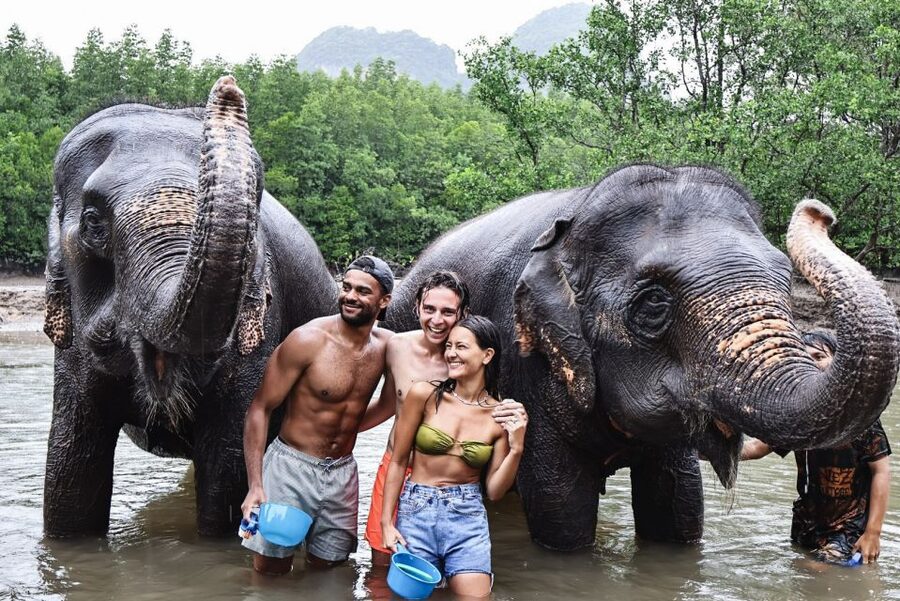
The best part of this Krabi outing is that you meet the elephants on their terms. There is no riding. Instead, you prepare food, feed the animals, join them in the mud, and help wash them afterward. I like the natural river bath and the fact that professional photos are included, so you can keep your phone dry while still getting good pictures.
I also like the short, well-shaped two-hour schedule. It gives you plenty of contact without turning the visit into an all-day production. The main drawback is simple: you will get wet and dirty, and the shelter is not suited to wheelchair users or people with animal allergies.
In This Review
- Key things to know before you book
- Meeting elephants at Krabi Elephant Shelter
- What happens during the two-hour visit
- Preparing treats and feeding
- Rolling in the mud
- Washing in the river
- Photos, lockers, and the practical extras
- Hotel pickup around Ao Nang and Klong Muang Beach
- How much value do you get for $54?
- What ethical care looks like here
- Who should book this experience?
- Booking and preparation tips that matter
- Should you book Krabi Elephant Shelter?
- FAQ
- How long does the Krabi Elephant Shelter tour last?
- How much does the experience cost?
- Is hotel pickup included?
- Where do island and Railay visitors meet the tour?
- Is elephant riding included?
- Can I bathe the elephants in a river?
- Are towels and clothes included?
- Do I need water shoes?
- Are photos included?
- What languages does the guide speak?
- Do I need to bring my passport?
- Can wheelchair users join?
- Can people with animal allergies participate?
- What is the cancellation policy?
Key things to know before you book
- The elephants come from forestry and riding camps: The shelter gives them a second home after difficult working lives.
- Bathing is the main event: Expect mud, a natural jungle river, and a shower area rather than a quick photo stop.
- No elephant riding is offered: The activities focus on feeding and gentle care.
- Free photos are included: Images are shared through a link after the visit, and staff can also take pictures on your phone.
- Hotel pickup covers Ao Nang and Klong Muang Beach: Krabi Town pickup costs extra, while island and Railay arrivals meet at a pier.
- Bring old swimwear and water shoes: Mud, water, and uneven ground are part of the experience.
Meeting elephants at Krabi Elephant Shelter
Krabi Elephant Shelter was created as a second home for elephants formerly used in forestry operations and riding camps. The idea is straightforward: the elephants no longer carry riders or perform work for tourists. Instead, people adjust the activity around the animals’ daily needs.
That difference matters. You are not watching a staged show or climbing onto an elephant. You are helping prepare food, offering it by hand, and spending time close to animals that are already accustomed to human contact.
The elephants living here have previously had to share their lives with people, so they know human behavior. That does not make them toys, and you still need to follow the guide’s directions. It does make the feeding and bathing activities possible in a controlled setting.
I find the shelter’s approach more satisfying than a riding camp because your role is closer to basic care. You feed, wash, and observe. The experience is active, but it is not built around making the elephant perform.
Other Ao Nang days people book alongside this one:
- Krabi: Premium 4-Island Day Trip by Longtail Boat with Lunch
★ 4.5 · 4,812 reviews - Krabi: Tiger Cave, Hot Springs and Emerald Pool Jungle Tour
★ 4.2 · 2,643 reviews - Krabi: Elephant Sanctuary (near Ao Nang) Visit
★ 4.9 · 1,036 reviews
What happens during the two-hour visit
The schedule moves through several simple stages. The exact pace can change with the group, the weather, and the elephants, but you can expect a short introduction followed by food preparation, feeding, mud bathing, water bathing, and a final goodbye.
The guide explains how the shelter works and introduces the elephants. You learn their names, backgrounds, and different personalities. This personal detail helps you see them as individual animals rather than one large group of elephants.
The English and Thai guide team also works with mahouts, the elephant caretakers. One named guide, Nui, has been praised for her warm manner and enthusiasm for the animals. Guides also help families, take photographs, and explain what is happening as you move between activities.
Preparing treats and feeding
Your first close contact comes through food. You step into the role of an elephant chef, preparing treats and offering them to the animals.
This is an excellent opening because feeding gives you a clear way to interact without rushing into the water. You can watch how each elephant reaches for food, how much it eats, and how its mood changes when a fresh snack appears.
The feeding session also sets a useful boundary. The guide remains nearby and shows you how to approach the animals. That guidance is especially helpful for children, who may be excited by the elephants’ size and close range.
Refreshments such as coffee, tea, drinking water, juice, and seasonal fruit are available around the activity. There is no meal, so do not arrive expecting lunch or breakfast. The snacks are welcome, but they are a courtesy rather than a substitute for a proper meal.
Rolling in the mud
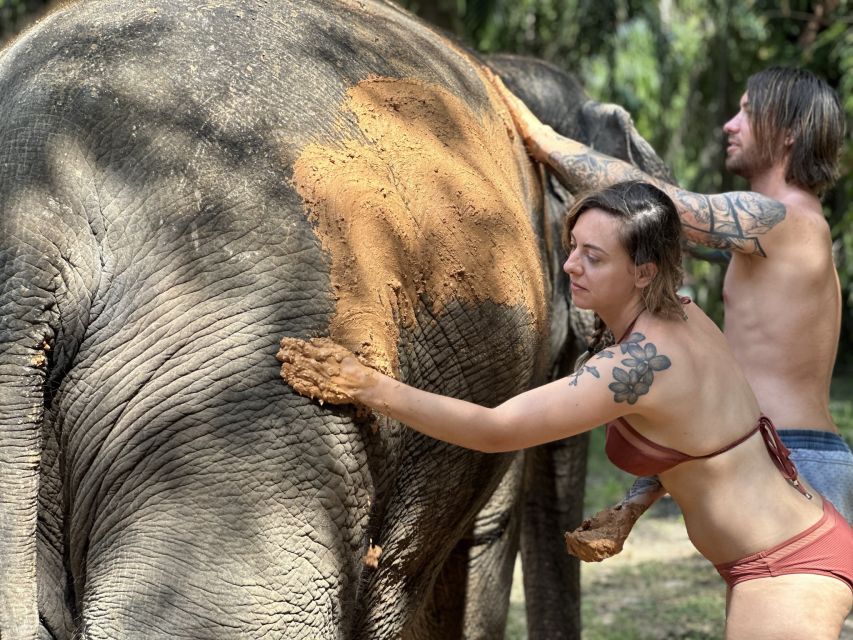
Next comes the messy section. You get down in the mud with the elephants and help them bathe.
This is the part to approach with the right attitude. It is not a dry, tidy photo opportunity. Mud may cover your swimwear, legs, and arms, and you will want a full change of clothing afterward. One of the most useful packing tips is to bring old clothes that you do not mind staining.
The mud bath is also where the tour feels most playful. You are not simply standing behind a barrier. You are close to the animals, taking part in the same cooling routine. Guides and mahouts keep the session moving and help you understand what to do.
If you dislike mud, you can still enjoy the feeding and washing stages, but the experience is designed for people happy to get dirty. Sunscreen and insect repellent are sensible additions, given the outdoor setting.
Same coastline, a completely different day out:
- Krabi: Bioluminescent Plankton, Snorkeling & Sunset Tour
★ 4.3 · 863 reviews - Krabi: 7 Islands Sunset Tour with Plankton Swim and BBQ
★ 4.0 · 808 reviews - Ao Nang: Hong Islands Tour by Speedboat or Longtail Boat
★ 4.5 · 664 reviews - From Ao Nang: Phi Phi Islands Day Tour by Boat with Lunch
★ 4.6 · 621 reviews
Washing in the river
After the mud, you help wash the elephants. The shelter includes access to a natural jungle river, which gives this part a more memorable setting than a basic concrete wash area.
The river bath is a highlight for many families because adults and children can take part together. The water stage feels like a natural follow-up to the mud: first the elephants cool off and coat themselves, then you help rinse them clean.
You should bring water shoes for this section and for walking on the ground. The shelter may sell them if you arrive without a pair, but bringing your own is easier. Water shoes also protect your feet better than flip-flops during a wet activity.
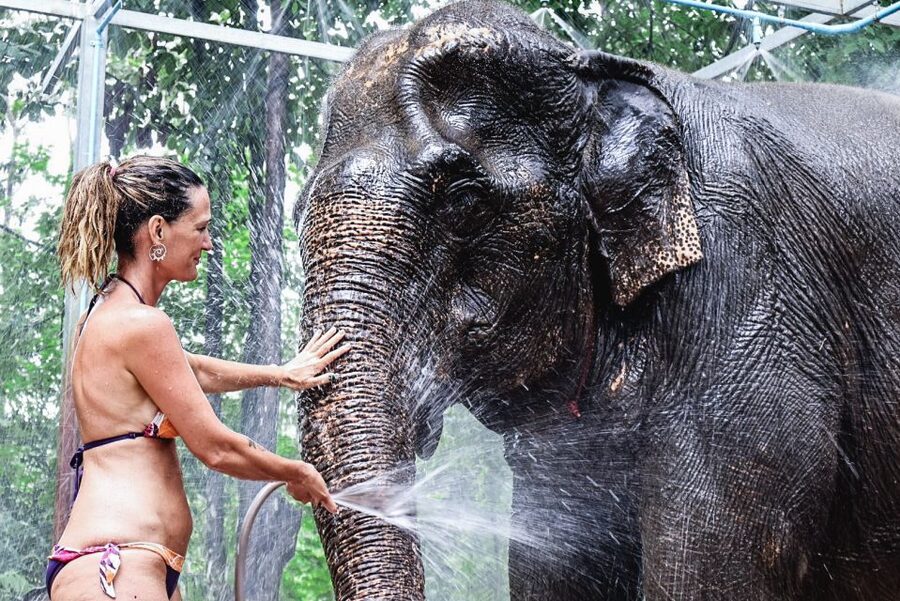
The tour also includes a shower area for people. This is important, since the river does not replace a proper rinse. You can wash off mud before changing, but towels are not included, so pack one.
Photos, lockers, and the practical extras
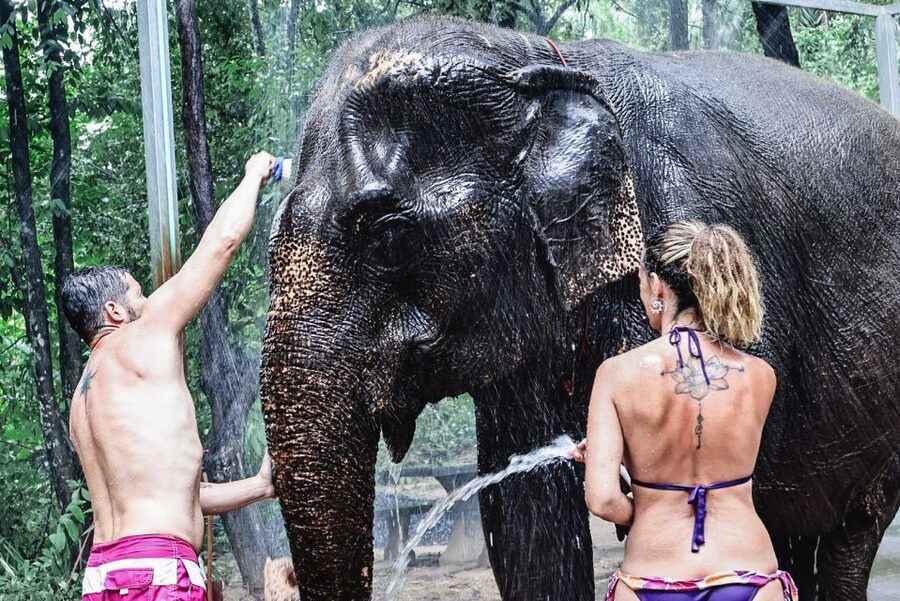
Photography is one of the better inclusions here. Staff take pictures with professional cameras and share them through a link after the tour. You can also hand over your own phone for additional pictures if you want a particular angle or personal shot.
The images are useful because both hands are often occupied. Feeding and bathing an elephant is more enjoyable when you are not constantly trying to protect your phone from mud or water. Some people received their pictures soon after leaving, though the stated arrangement is access through a link after the tour.
Private lockers are available for belongings. Still, I would bring only what you need. A locker is helpful, but it does not make a dry bag unnecessary if you have valuables or medication that must stay protected.
Coffee, tea, drinking water, and seasonal fruit are included. Clothes for changing, towels, sunscreen, insect repellent, water shoes, and cash are not included. Bring a passport or an accepted copy, since the shelter needs your passport number for its accident insurance form.
Alcohol and drugs are not allowed. You should also tell the operator if you are pregnant or have any health conditions before taking part.
Hotel pickup around Ao Nang and Klong Muang Beach
Pickup is included for hotels in Ao Nang and Klong Muang Beach. The stated pickup time is 9:20 in the morning or 1:20 in the afternoon at hotels in the covered area, though the local partner sends the final confirmation separately by email or WhatsApp.
Wait in your hotel lobby ten minutes before the scheduled time. The driver carries a Krabi Elephant Shelter sign and will wait no longer than five minutes after the pickup time, so this is not the moment for a slow breakfast checkout.
You need to provide a Thai phone number or a number that works with WhatsApp. The operator cannot call international numbers directly. This is a small detail, but it can prevent a frustrating morning if the driver needs to reach you.
Pickup from Krabi Town costs extra and must be arranged directly. If you are staying on an island, at Centara Grand Beach, or in Railay, you do not receive direct hotel pickup. Instead, arrange to meet at one of the listed piers: Nopparat Thara, Nong Nuch, Ao Nam Mao, or Ao Nang.
The two-hour activity itself is compact, but transfer time adds to your morning or afternoon. If you have a flight, ferry, or tightly timed excursion afterward, allow extra room rather than treating the two-hour figure as the full door-to-door duration.
How much value do you get for $54?
At $54 per person, this is not the cheapest way to spend two hours in Krabi. But the price includes more than admission to an animal shelter.
You receive hotel transfer in the main resort areas, a live English or Thai guide, feeding and bathing equipment, refreshments, lockers, shower access, and professional photos. The photo service alone can save you from buying separate images or asking another person to document the activity.
The value is strongest if you plan to take part fully. If you only want to watch elephants from a distance, you may not feel you are getting your money’s worth. The price makes more sense for someone who wants the hands-on sequence: food, mud, river, and shower.
Families may also find the cost worthwhile because the visit offers several different activities in a short period. The guide team helps children take part, and the schedule avoids the fatigue of a much longer excursion.
The small-group feel can vary. On quieter dates, a couple or family might find itself with very few other people. One visit operated almost like a private tour because nobody else had booked that time. That can mean more time with the elephants, though you should not count on having the shelter entirely to yourself.
What ethical care looks like here
The shelter’s main promise is a life away from riding and forestry work. That is the central reason to choose this experience over a traditional elephant camp.
You still interact closely with the elephants, so it is fair to ask how that contact is managed. Here, the activities described are feeding and bathing, with the animals’ existing relationship with humans taken into account. The shelter says it has learned to adapt to the elephants rather than forcing them into performances.
I would keep your expectations sensible. No short tourist visit can explain every part of an elephant’s past or the full cost of long-term care. But the format gives you a more respectful role than riding, shows you the caretaking routine, and lets you learn about each animal’s name, personality, and background.
The jungle river and calm setting add value because the elephants are not presented on a stage. You see them eating, getting muddy, and being washed. The setting does not erase the fact that this is a managed tourist activity, but it makes the visit feel closer to daily care than to a show.
Who should book this experience?
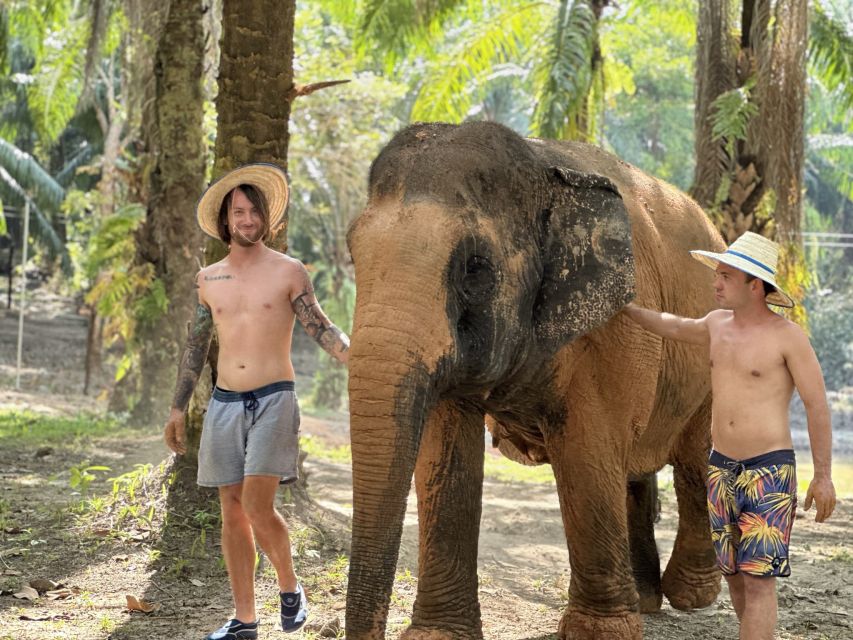
I would choose this tour if you want a short, hands-on elephant encounter from Ao Nang or Klong Muang Beach. It suits couples, families, and first-time visitors who want clear guidance and a practical schedule.
It is particularly good for:
- People who want no-riding elephant tourism
- Families with children who enjoy active outdoor activities
- Anyone who wants feeding and bathing rather than a distant viewing experience
- Photographers who want staff-taken pictures included
- Visitors with only a morning or afternoon free
- People comfortable with mud, wet clothes, and uneven outdoor ground
I would think twice if you have animal allergies, use a wheelchair, dislike getting dirty, or need a quiet, dry activity. The operator specifically says the experience is not suitable for wheelchair users or people with animal allergies.
It is also not ideal if you need a full meal included. Seasonal fruit and drinks are provided, but you should eat before or after the tour.
Booking and preparation tips that matter
Book with enough time to receive the separate pickup confirmation. Check that your phone number works in Thailand or through WhatsApp, and watch for the message with the final time.
Pack a small activity bag containing:
- Swimwear or old clothes
- A complete change of clothes
- Towel
- Water shoes
- Sunscreen
- Insect repellent
- Cash
- Passport or an accepted copy
Wear clothing that can handle mud. If you are taking part with children, bring extra dry clothes for them as well. Keep valuables to a minimum and use the private locker for anything you do not want near the river.
The tour offers free cancellation up to 24 hours before the start time, and you can reserve now and pay later. Those terms are useful if your Krabi plans may shift, but always check the final booking conditions for your selected date.
Should you book Krabi Elephant Shelter?
Book it if you want a well-organized, two-hour activity built around feeding, mud bathing, and washing elephants without riding. The strongest points are the natural river bath, attentive English-speaking guides, included photography, and the shelter’s stated effort to give former working elephants a gentler home.
The main trade-off is the mess and the short duration. You will need to pack carefully, arrange the pickup details, and accept that the experience is active rather than observational.
For $54, I think the package offers solid value if you take part in every stage. If you are staying in Ao Nang or Klong Muang Beach and want one memorable elephant activity, this is an easy choice. Just bring water shoes, old clothes, and a towel, then let the mud do its work.
FAQ
How long does the Krabi Elephant Shelter tour last?
The activity lasts two hours. Hotel transfer time is additional.
How much does the experience cost?
The listed price is $54 per person.
Is hotel pickup included?
Yes. Pickup is included for hotels in Ao Nang and Klong Muang Beach. Krabi Town pickup requires an extra fee and separate arrangement.
Where do island and Railay visitors meet the tour?
People arriving from an island, Centara Grand Beach, or Railay must meet the operator at Nopparat Thara Pier, Nong Nuch Pier, Ao Nam Mao Pier, or Ao Nang Pier.
Is elephant riding included?
No. The shelter does not include riding. Activities focus on feeding, mud bathing, and washing the elephants.
Can I bathe the elephants in a river?
Yes. The experience includes washing the elephants in a natural jungle river, along with mud bathing and a shower area.
Are towels and clothes included?
No. Bring your own towel and a complete change of clothes. Swimwear or old clothing is recommended because the mud bath can be messy.
Do I need water shoes?
Yes, water shoes are recommended for walking on the ground during the activity. You can bring your own or purchase them at the shelter.
Are photos included?
Yes. Photos taken with a professional camera are included and are made available through a link after the tour. Staff can also take photos using your phone.
What languages does the guide speak?
Live guides are available in English and Thai.
Do I need to bring my passport?
You need your passport number for the accident insurance form. A passport copy is accepted.
Can wheelchair users join?
No. The experience is not suitable for wheelchair users.
Can people with animal allergies participate?
No. The activity is not suitable for people with animal allergies.
What is the cancellation policy?
You can cancel up to 24 hours in advance for a full refund. The activity also offers a reserve-now, pay-later option.
Just added around Ao Nang
- Krabi: Railay Beach Bioluminescent Plankton Ferry Cruise★ 3.7 · 60 reviews
- Krabi: Zipline, ATV & Top Rope Climbing Experience★ 4.9 · 78 reviews
- Krabi: Ya’s Cookery Late Afternoon Thai Cooking Class★ 4.7 · 35 reviews
- Krabi: Ultimate Zipline Games Challenge★ 4.4 · 13 reviews
- Krabi: Unveiling Thai Flavors by Night at Smart Cook School★ 4.8 · 9 reviews
- Krabi: Sunrise Yoga Balance Join-in Class★ 4.9 · 22 reviews
- Krabi shooting range (9mm GLOCK17 10 bullet)★ 4.6 · 52 reviews
- Krabi: Saitai Mountain Tail ATV Adventure★ 4.7 · 25 reviews
Krabi Tours, compared.

Premium 4-Island Day Trip by Longtail Boat with Lunch
Read our review →
Hong Islands Day Trip by Speedboat with Lunch
Read our review →
Tiger Cave Temple, Emerald Pool and Hot Springs Tour
Read our review →
Tiger Cave, Hot Springs and Emerald Pool Jungle Tour
Read our review →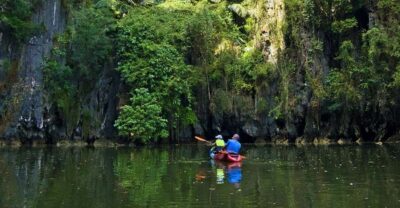
Kayak Adventure through Ao Thalane Mangrove Forest
Read our review →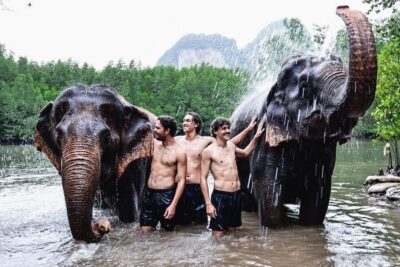
Elephant Bathing Session at Krabi Elephant Shelter
Read our review →
Krabi 4 Island Sunset Snorkeling Cruise + Bioluminescent Swim
Read our review →
Full-Day Phi Phi Islands Tour with Lunch from Krabi
Read our review →Browse the lists this tour appears in