
Review · KOH SAMUI TOURS
Samui: Elephant Nutrition and Care Education Experience
The most worthwhile part of this Koh Samui outing is that it puts elephant welfare before spectacle. You learn why food matters, hear the individual stories of rescued elephants, prepare natural supplementary food, and watch the animals eat without rides, bathing, or forced tricks. I especially like the careful approach to new elephants, which may not be touched while they get used to people.
I also like the personal guidance from Noi, whose talks cover elephant diets, behavior, and difficult pasts with clear feeling. The second big plus is value: at $32 per person, you get hotel transport, an English-speaking guide, insurance, and a hands-on food preparation session. The main consideration is timing: the booking is sold as two hours, but the nursery program itself may take about one hour, with the rest used for transfers.
In This Review
- Key points to know before booking
- Why the nursery focuses on food, not elephant tricks
- Hotel pickup and the short ride to Samui Elephant Home
- Meeting the elephants and hearing their individual stories
- Preparing bananas, pumpkins, sticky rice, and herbs
- Feeding time and respectful photography
- What ethical care looks like here
- Is two hours enough for this Koh Samui activity?
- Value at $32 per person
- Who should book this nursery visit?
- Practical tips for a smoother visit
- Should you book Samui Elephant Home?
- FAQ
- How long does the Samui Elephant Nutrition and Care Education Experience last?
- What is included in the price?
- Can I feed the elephants?
- Is elephant bathing included?
- Are elephant rides part of the experience?
- Is the activity suitable for wheelchair users?
- What should I bring?
Key points to know before booking
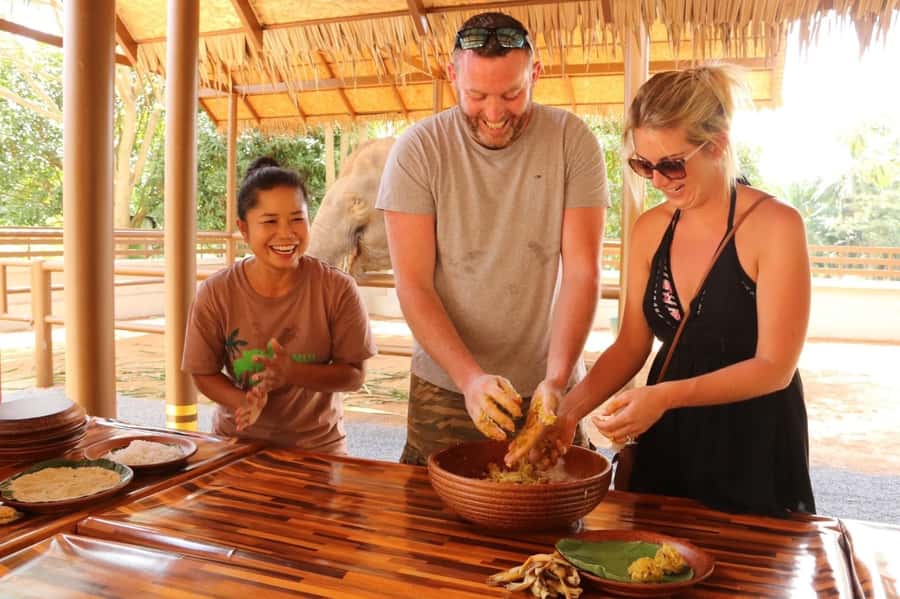
- Natural food preparation: Help make supplementary elephant food with bananas, pumpkins, sticky rice, and herbs.
- Stories behind the elephants: Guide Noi explains where the rescued elephants came from and how their needs differ by age and condition.
- Welfare-led contact: Feeding is included, but riding and bathing are not part of this program.
- Hotel transport included: Pickup and drop-off around Ko Samui make this easy to fit into a short holiday.
- Good family length: The visit offers education and feeding without requiring a full-day commitment.
- Bring identification: You need a passport or ID card, and food and drinks are not included.
Why the nursery focuses on food, not elephant tricks
Elephants eat a great deal, and their diet affects their strength, digestion, and long-term condition. At Samui Elephant Home Nursery, the lesson is practical rather than abstract. You do not simply receive a quick photo opportunity. You see how staff prepare extra food and learn why the recipe changes according to an elephant’s age and individual needs.
The natural ingredients listed for the demonstration include bananas, pumpkins, sticky rice, and herbs. Reviews also describe making protein balls, followed by feeding bananas and bamboo. The exact food available can vary, but the point is clear: the session shows how supplementary meals fit into daily care.
I find this a better use of your time than watching elephants perform. Feeding still gives you a close connection, but the activity has a reason behind it. You are helping prepare food that supports the animals, while the guide explains what you are seeing.
The nursery is described as the first elephant nursery in Koh Samui. It also cares for elephants rescued from places connected with riding, circuses, logging, and other forms of hard labor. Some have histories of abuse or neglect, so the backstory can be upsetting. That difficult context is part of the lesson, but families with young children should decide how much detail they want to discuss afterward.
Other Ko Samui days people book alongside this one:
- Koh Samui: Pig Island & Koh Tan Snorkeling by Speed boat
★ 4.5 · 4,149 reviews - Koh Samui: Mu Ko Ang Thong Park Cruise with Kayaking Option
★ 4.3 · 3,728 reviews - Koh Samui: Half-Day Island Highlights Tour with Hotel Pickup
★ 4.6 · 3,556 reviews
Hotel pickup and the short ride to Samui Elephant Home
The experience begins with pickup in Ko Samui. After booking, the operator sends your pickup time. You are asked to wait in your hotel lobby for around 15 minutes during the pickup window, so do not plan a last-minute breakfast stop or beach swim immediately before departure.
Hotel pickup and drop-off are included in the $32 price. That matters on an island, where arranging a taxi for a short attraction can add cost and hassle. One account describes an open-air pickup truck, which can make the ride pleasant and let you see more of the island, but vehicle arrangements may differ.
The transport also explains the difference between the advertised two-hour duration and the nursery visit itself. The guided program is listed as one hour, and one detailed account found the activity portion closer to one hour than two. Allow two hours overall, including transfers and pickup coordination, but do not book it expecting a long half-day outing.
Meeting the elephants and hearing their individual stories
At the nursery, an English-speaking guide welcomes you and gives a safety briefing. The introduction covers the background of the home, the elephants’ previous lives, and the work involved in giving them better care.
Noi is frequently named as the guide, and her role is a major part of the visit. She explains the elephants’ histories and the practical side of looking after them. Her talks can become emotional, especially when she describes what some animals experienced before arriving at the home.
This is not a scripted wildlife talk that treats every elephant as the same. You learn that each animal has its own story and care needs. Older elephants, young calves, and animals recovering from earlier mistreatment may require different diets and routines.
The personal stories help you understand why the nursery depends on paying visitors. One account gives the cost of an elephant as about €34,000 and explains that tourist income helps fund the work. That figure is supplied as part of the sanctuary’s own financial explanation, not as a promise that your $32 directly pays for a specific animal. Still, your visit supports the food, staff, and ongoing operation of a rescue project.
Preparing bananas, pumpkins, sticky rice, and herbs
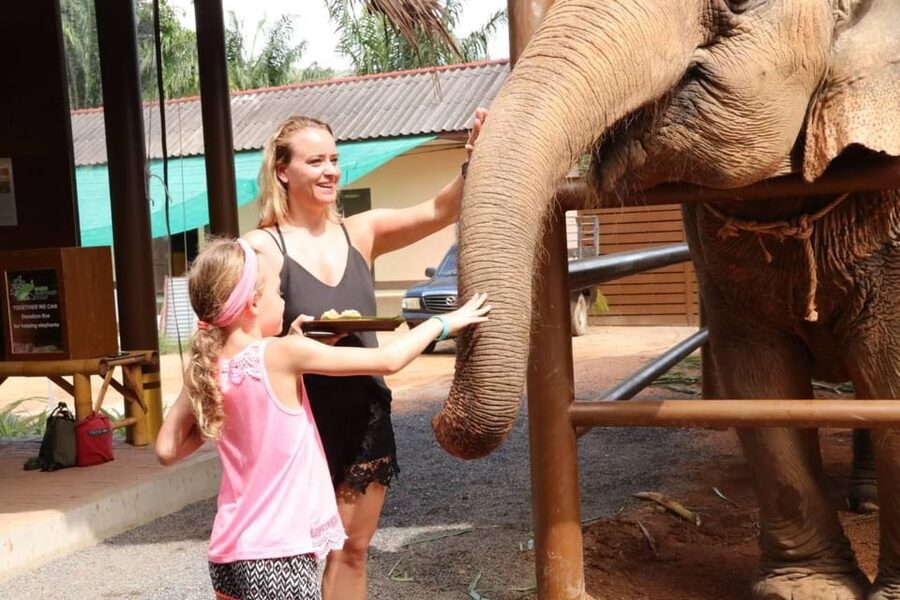
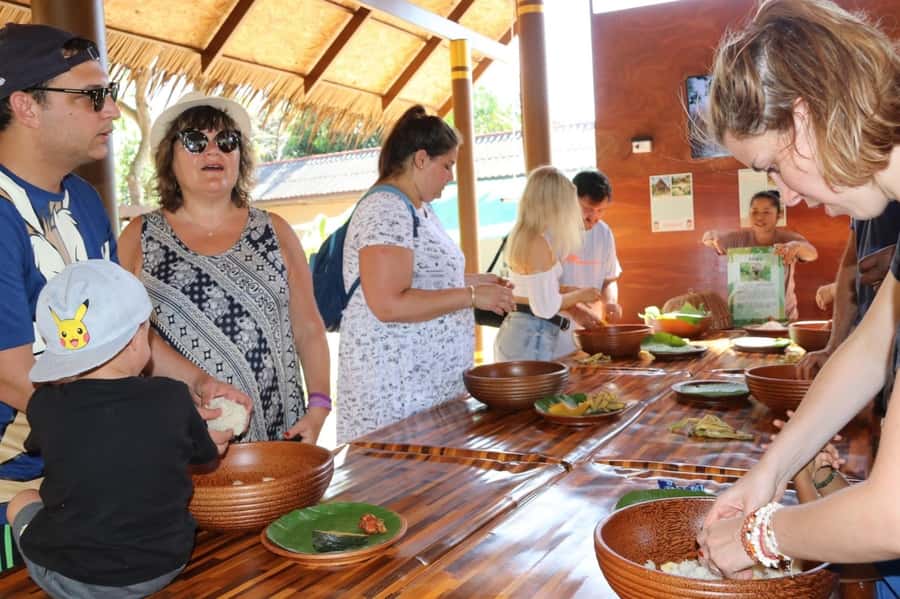
The food demonstration is the practical heart of the activity. Staff show you how supplementary food is assembled from natural ingredients. You may help prepare the mixture, including the protein-ball-style food described by several people who took part.
This section works well because it gives you something useful to do before feeding. You see the ingredients, learn why they are chosen, and get a sense of the amount of work required to feed elephants properly. Children can take part in the preparation, though an adult should guide them around food and animals.
The staff explain that diets are adjusted for individual elephants. A calf does not have the same needs as an older animal, and an elephant with health concerns may need a different balance of food. That detail turns a simple feeding session into a lesson about animal care.
Do not expect the food to be a meal for you. Food and drinks are not included, so have your own water and any snacks you need before or after the visit. The supplied information does not promise refreshments at the nursery.
Same coastline, a completely different day out:
- Koh Samui: Island Hopping Adventure in Coral and Pig Island
★ 4.6 · 3,453 reviews - Koh Samui: Mr.Ung’s 4WD Wild Jungle Safari Tour with Lunch
★ 4.7 · 2,956 reviews - Samui: Angthong Marine Park Boat Tour w/ Transfer and Meals
★ 4.4 · 2,756 reviews - Ko Samui: Pig Island Snorkeling and Koh Tan Speedboat Tour
★ 4.2 · 1,673 reviews
Feeding time and respectful photography
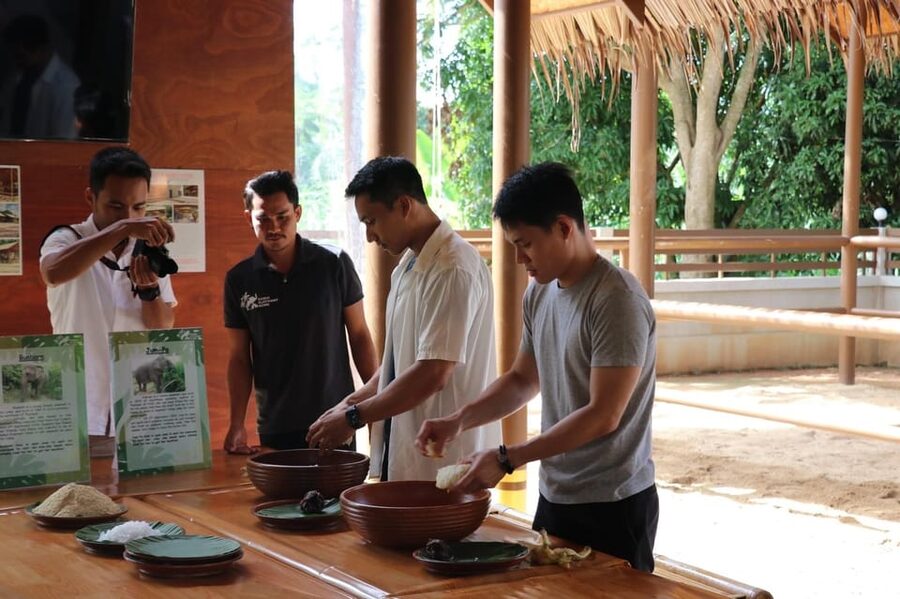
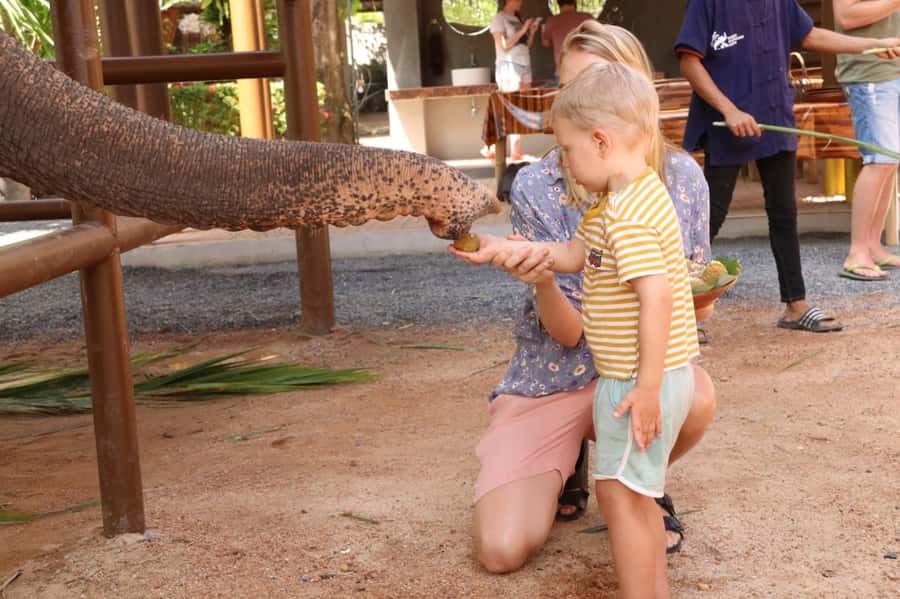
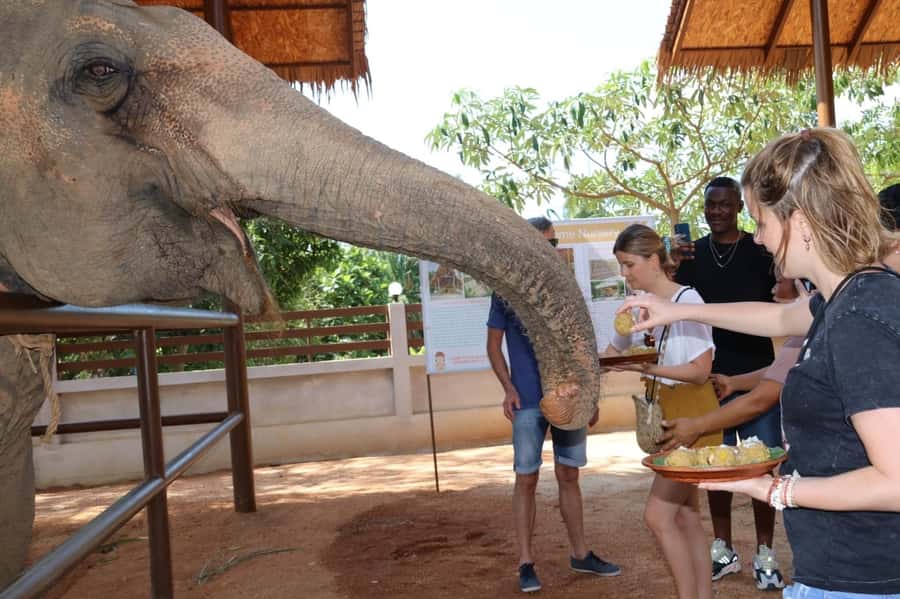
Once the food is ready, you watch the elephants eat in a controlled setting. You may feed them and take photographs or video from a respectful distance. Staff can help with photos and videos on your phone, which is useful when your hands are occupied.
The contact is close enough to feel memorable, but it is not built around constant touching. One especially encouraging detail concerns newly arrived elephants. Staff may prevent people from touching them while the animals adjust to unfamiliar surroundings and learn to feel safe around people.
That rule may disappoint anyone hoping for unlimited contact, but it is exactly the sort of boundary a welfare-focused program should have. The elephant’s comfort comes first. You may get a better photograph by waiting calmly than by crowding the animal.
Some accounts describe staff bringing more bananas or bamboo after the prepared food ran out. That made the feeding last longer for some groups, but extra food should be treated as dependent on the day’s routine, not a guaranteed part of every booking.
You should also know what this package does not include. Bathing elephants is offered as a different, slightly more expensive package, while riding is not part of the activity. The absence of riding, bathing, and performances will appeal to people trying to avoid exploitative animal tourism.
What ethical care looks like here
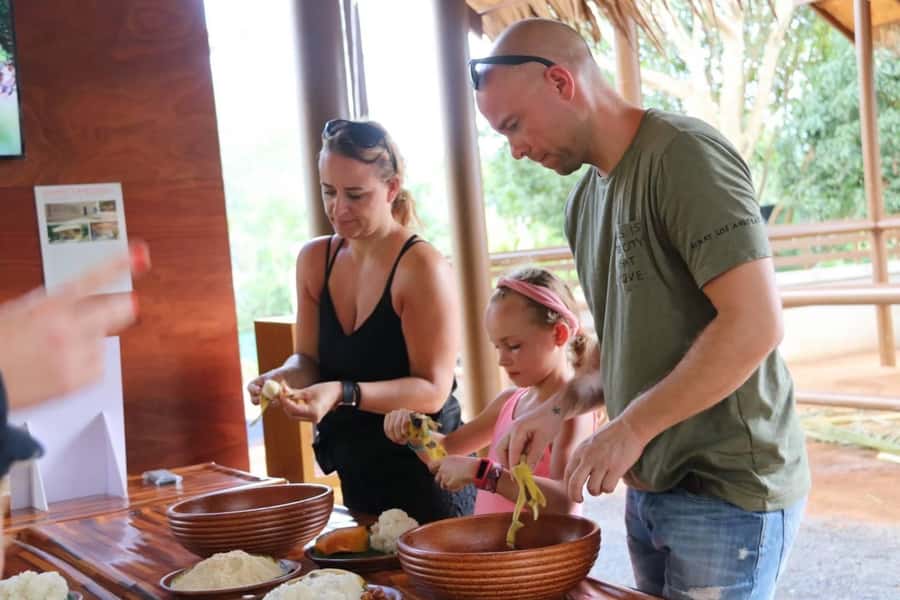
The nursery’s approach is based on observation, feeding, education, and controlled contact. Elephants may stay behind a fence for part of the visit while they socialize and receive food, then return to the farm or jungle area according to their routine. That means you might not see every animal roaming freely during your visit.
One person particularly wished to see more of the elephants on the farm rather than only in pens. This is the main trade-off in the setup. Fences and pens can feel less natural than an open viewing area, but boundaries also help staff control contact and keep people from pressing too close.
You should judge the program by its actual practices rather than by the word ethical alone. Here, the advertised format avoids rides and bathing, allows elephants to refuse or limit contact, and teaches visitors about diet and welfare. Staff also describe the elephants’ backgrounds and individual needs instead of presenting them as props.
The home is not a wild-elephant viewing trip. It is a care and education visit involving rescued animals. If you want a chance to see elephants being fed and learn about their recovery, this fits. If you want to watch undisturbed elephants living deep in the forest, choose a different type of outing.
Is two hours enough for this Koh Samui activity?
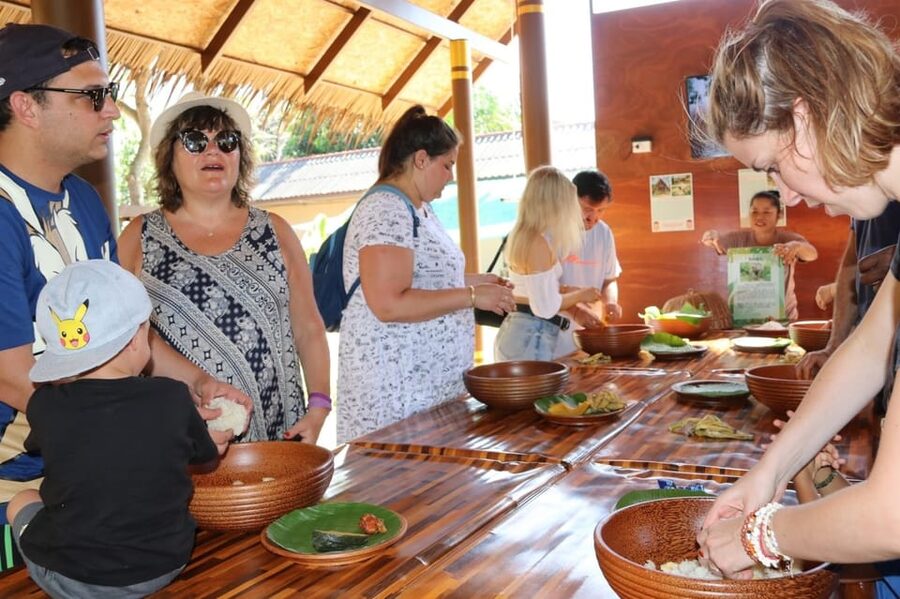
For many people, yes. The nursery session is compact and focused: introduction, safety information, elephant stories, food preparation, feeding, photos, and departure. Several families with children found the length suitable, especially because it offered a real activity without tiring younger children.
The shorter format also works well if you are fitting the visit between beach time, sightseeing, or a ferry connection. Still, build in the full two-hour window and avoid scheduling something immediately afterward. Pickup times can involve waiting, and the ride back to your hotel takes time.
The program may feel brief if your main goal is extended contact. Feeding sessions can pass quickly, especially when you are taking photos. The separate bathing option may suit you better if you want a longer or more physical elephant activity, but this nutrition program is the calmer and more educational choice.
Value at $32 per person
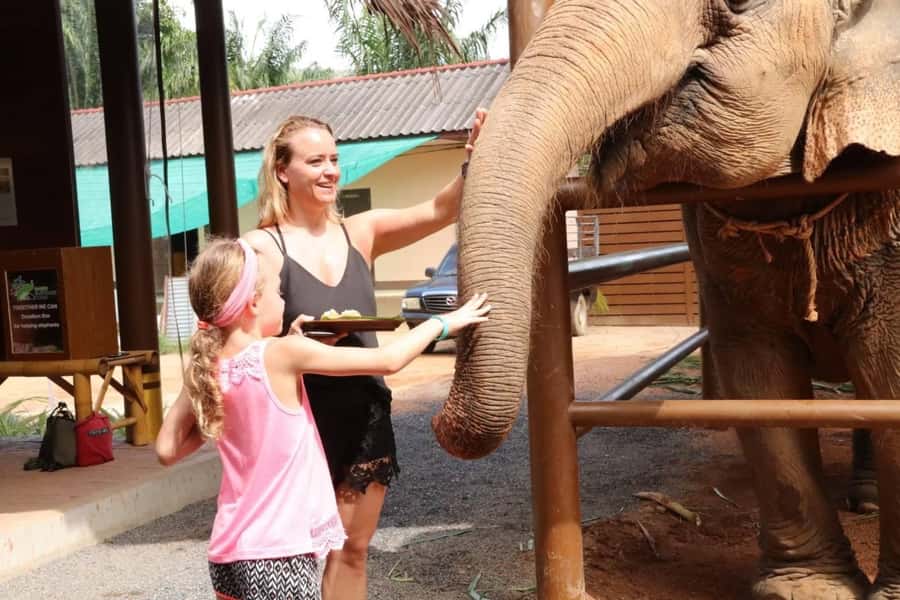
At $32, I consider this a strong value for a two-hour island activity. Hotel pickup and return are included, as are an English-speaking guide and insurance. You also receive a guided lesson, food preparation, feeding time, and staff help with photos.
The value is not based on the amount of time alone. You are paying for access to a working care project and helping cover the cost of looking after large, expensive animals. Several people described the experience as affordable and worthwhile, particularly because the food was replenished and transport was handled for them.
There are limits. Food and drinks are extra, and you should not expect an all-day visit, a bath, or a ride. If you want a large park with many hours of walking, this will feel small. If you want a carefully organized introduction to elephant welfare without paying for a full excursion, the price is sensible.
Free cancellation is available up to 24 hours before the start time, and you can reserve now and pay later. Those terms are useful when your island plans depend on weather or changing ferry schedules.
Who should book this nursery visit?
I would recommend it to animal lovers who want to support rescue work without supporting rides or shows. It suits couples, families, older visitors, and first-time visitors who want a clear explanation of elephant care rather than a noisy attraction.
The experience is also a good fit for people uneasy about elephant tourism. The rules around new elephants, the lack of bathing and riding, and the emphasis on food give you a more respectful way to spend time near the animals. You can still ask questions and take pictures, but you are expected to follow the staff’s lead.
Families should prepare children for two things: the animals’ difficult pasts and the possibility that touching may be limited. The activity is wheelchair accessible, which widens its appeal, though the supplied details do not describe every surface or vehicle arrangement. Contact the provider if you need specific mobility information.
You may want to skip it if you dislike structured visits or want a purely wild setting. You may also prefer another package if bathing is essential to your idea of an elephant encounter. This one is about learning, preparing food, and feeding in a managed environment.
Practical tips for a smoother visit
Bring your passport or ID card. Keep your phone charged if you want staff to take photos and videos, and wear clothing you do not mind using around food and animals.
Wait in your hotel lobby for the requested pickup window. Since the operator sends the exact time after booking, check your messages and allow some flexibility in the morning.
Do not assume that every elephant will be available for touching. Watch the staff, stay calm, and let the animal’s behavior guide the amount of contact. A respectful distance is part of the experience, not a failure of it.
If you are comparing elephant activities on Koh Samui, ask yourself what you want your money to support. This visit avoids rides and bathing, explains rescue and nutrition, and channels the main activity toward feeding and care.
Should you book Samui Elephant Home?
Book it if you want a short, affordable, welfare-focused elephant visit with hotel transport and a strong educational side. The guide, especially Noi, appears to be central to the experience, and the food preparation gives you a meaningful role without turning the elephants into performers.
Go in expecting about an hour at the nursery, not a full two-hour program of continuous activity. Accept that fences, rules, and limited touching may be part of responsible care. With those expectations, this is a thoughtful choice for Koh Samui, particularly for families and visitors who want their elephant encounter to support care rather than spectacle.
FAQ
How long does the Samui Elephant Nutrition and Care Education Experience last?
The overall activity lasts two hours, including hotel pickup and drop-off. The nursery visit itself is listed as one hour, and the exact time spent at the site may vary.
What is included in the price?
The $32 price includes hotel pickup and drop-off, an English-speaking guide, and insurance. Food and drinks are not included.
Can I feed the elephants?
Yes. You help prepare supplementary food and then feed the elephants under staff guidance. Bananas, pumpkins, sticky rice, herbs, and other natural ingredients are used in the preparation.
Is elephant bathing included?
No. Bathing is offered as a separate package. This activity focuses on nutrition, care education, and feeding.
Are elephant rides part of the experience?
No. Elephant riding is not included in this program.
Is the activity suitable for wheelchair users?
The activity is listed as wheelchair accessible. For detailed questions about your particular mobility needs, contact the provider before booking.
What should I bring?
Bring your passport or ID card. You should also plan to bring your own food or drinks if needed, since they are not included.
Just added around Ko Samui
- Private Group Half-Day City Tour Around Koh Samui★ 4.1 · 20 reviews
- Pig Island(Koh Mudsum) and Koh Tan Half Day Snorkeling Tour★ 4.2 · 11 reviews
- Koh Samui: Zipline Experience of Lamai Viewpoint★ 4.1 · 31 reviews
- Koh Samui: Pig Island & Koh Tan Speedboat Tour with Lunch★ 4.2 · 120 reviews
- Koh Samui: Island Tour with Sunset and Sightseeing★ 4.5 · 23 reviews
- Koh Samui: Fishing Day Tour by Escort Boat with Mr. Tu★ 4.1 · 45 reviews
- EasyKart Koh Samui (Chaweng Lake): Go-Kart Racing Experience★ 4.3 · 10 reviews
- Koh Samui City Tour with Cultural and Scenic Highlights★ 4.5 · 33 reviews
Koh Samui Tours, compared.

Pig Island & Koh Tan Snorkeling by Speed boat
Read our review →
Mu Ko Ang Thong Park Cruise with Kayaking Option
Read our review →
Island Hopping Adventure in Coral and Pig Island
Read our review →
Mr.Ung’s 4WD Wild Jungle Safari Tour with Lunch
Read our review →
Angthong Marine Park Boat Tour w/ Transfer and Meals
Read our review →
Pig Island Snorkeling and Koh Tan Speedboat Tour
Read our review →
Elephant Sanctuary Entry and Feeding Experience
Read our review →
Browse the lists this tour appears in