
Review · CHIANG RAI TOURS
Sightseeing Join Tour Chiang Rai / PICK UP ONLY IN CHIANG RAI
Chiang Rai’s big sights are spread far beyond the city, and this tour gathers them into one ambitious day. You’ll see the dazzling White Temple, the blue-hued Blue Temple, the Black House Museum, a Karen hill-tribe village, Choui Fong Tea Plantation, the Golden Triangle, and the House of Opium.
I like the wide mix of stops and the fact that lunch is included, which keeps the day simple. I also like the air-conditioned transport, especially since the route can last 10 hours or more. The tradeoff is clear: this is a long day with plenty of driving, and the amount of explanation can depend heavily on the guide assigned to your group.
In This Review
- Key points to know before booking
- What this Chiang Rai day trip really covers
- Starting at 8:00 am and settling into the van
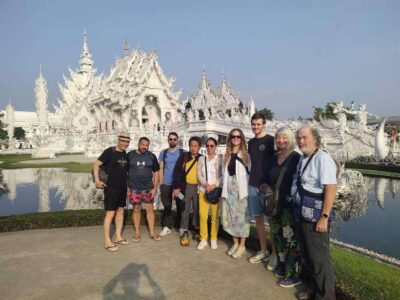
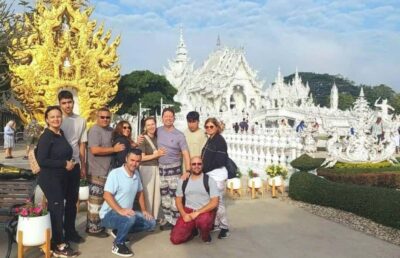
- Wat Rong Khun, Chiang Rai’s dazzling White Temple
- Wat Rong Suea Ten and its blue interior
- Baan Dam, the Black House Museum
- The Union Hilltribe Villages and the Karen visit
- Choui Fong Tea Plantation and a welcome pause
- Lunch arrives as a practical break
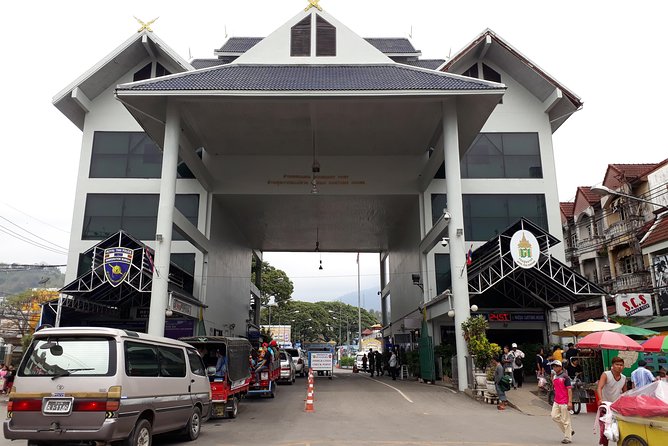
- The Golden Triangle at the meeting of three countries
- The House of Opium puts the region in context
- How much the tour costs after entry fees
- Guide quality and the limits of a shared tour
- Who should book this tour?
- My call: excellent coverage, with a long-day warning
- FAQ
- Where does the tour start?
- What time does the tour begin?
- How long does the tour last?
- Is lunch included?
- Are entrance fees included?
- How many people can join the tour?
Key points to know before booking
- Seven major stops in one day: You cover temples, art, tea country, hill-tribe culture, and the Golden Triangle.
- A strong choice for a short Chiang Rai stay: It saves you from arranging several separate taxis or private trips.
- Lunch is included: The Thai buffet has been described as tasty, with vegetarian food available.
- Allow extra money for entry fees: The White Temple, Black House, Karen village, and House of Opium charge separately.
- Guide quality can vary: Guides named Sky, Wam, Mai, Benja, and John have led departures, but English ability and site commentary are not always consistent.
- Expect a full day: The listed start is 8:00 am, with some departures returning around 6:00 pm and others taking more than 10 hours.
What this Chiang Rai day trip really covers
At $37.18 per person, this is an unusually broad route for a shared tour. You are not simply visiting Chiang Rai’s two famous temples and heading back for lunch. You are crossing a large part of the province, reaching the far north near the borders of Myanmar and Laos.
That range is the main reason to book. In one day, you can see modern Thai temple art, a provocative private art collection, a hill-tribe settlement, tea fields, and an area once tied to the opium trade.
The price also includes an air-conditioned vehicle and lunch. Those are useful inclusions on a hot northern Thailand day. You pay separately for several attractions, and tips for the guide and driver are not included.
I would treat the tour as an efficient introduction rather than a slow, deeply explained visit to each place. You usually get free time at the stops, and the guide gives information before or around the visits. But at some sights, you may walk independently instead of having a guide beside you throughout.
Other Chiang Rai days people book alongside this one:
- Chiang Rai: Guided Highlights Guided Tour with Buffet Lunch
★ 4.9 · 1,532 reviews - Chiang Rai: Iconic Temples & 7 Major Sites—River View Buffet
★ 4.9 · 692 reviews - Chiang Rai: White, Blue, Red Temples, Long Neck Tour
★ 4.8 · 652 reviews
Starting at 8:00 am and settling into the van
The stated meeting point is Chiang Rai Bus Terminal 1, with the activity ending back there. Pickup is also offered from select Chiang Rai hotels, so you should confirm your exact pickup arrangement before the day begins. The wording matters because hotel pickup is not described as universal.
The group can reach 20 people. That is still a manageable size for a shared outing, but it is not a private tour. You will need to stay aware of meeting times, especially at busy attractions where several vans unload at once.
The vehicle is air-conditioned, and the driver handles a great deal of road time. Guides and drivers named in the supplied information include Sky, Wam, Mai, Benja, John, Sam, Jason, Arnold, and Bimbim. The person assigned to you will vary.
Bring water and a few snacks. One departure returned around 6:00 pm, while another was described as lasting more than 10 hours. Lunch can also come later than expected when the route runs behind, so a small snack is sensible even with food included.
Wat Rong Khun, Chiang Rai’s dazzling White Temple
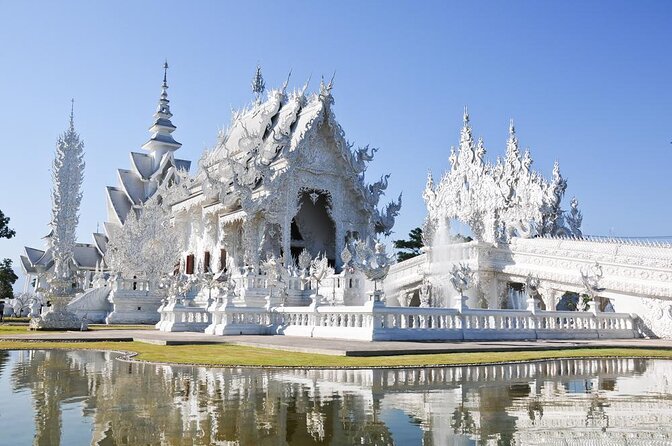
The White Temple is usually the morning showstopper. Created by Thai artist Chalermchai Kositpipat, it looks unlike a traditional old temple. Its bright white surface and detailed decoration turn the religious building into a large-scale work of art.
You have about 45 minutes here. That is enough to see the main ordination hall, often considered the highlight, take in the unusual details, and walk around the grounds at a reasonable pace.
Admission is not included. The temple can be busy, especially early in the day when many tour groups arrive. I would use your time first for the main hall and its details, then save a few minutes for photographs.
The White Temple is not ancient, and its appeal comes from the artist’s modern vision rather than age. That makes it a good first stop for visitors who want something more unexpected than standard temple architecture.
A practical warning: the short visit means you should not expect a long guided lesson here. Some departures have had no guide inside the first temples, leaving people to listen to other explanations or explore on their own. If your guide offers background before you enter, pay attention.
Wat Rong Suea Ten and its blue interior
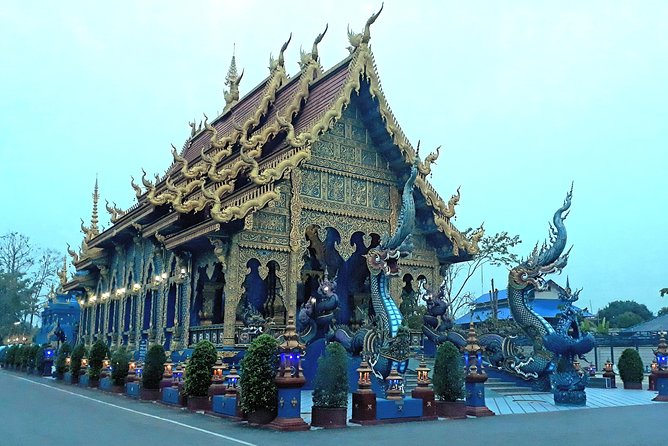
The Blue Temple is a useful contrast to the White Temple. Its Thai name, Wat Rong Suea Ten, means dancing tiger, and the large ordination hall was completed in 2016.
You get about 30 minutes, and admission is free. The intense blue exterior and interior create a very different mood from the White Temple’s white surfaces. Even with a short visit, the hall is easy to appreciate visually.
This stop is close enough to Chiang Rai to fit neatly into the first part of the day. It is also another place where the guide may provide the main explanation outside the building rather than accompany you through every detail.
I like the pairing of these two temples. They are both modern, highly decorative, and visually bold, yet they express very different ideas. If temples are your main reason for coming to Chiang Rai, these early stops are likely to be the strongest part of the day.
Same coastline, a completely different day out:
- Chiang Rai Must-See Tour – 7 Icons, Lunch & Small Group(9pp)
★ 4.7 · 395 reviews - Chiang Rai Guide: Popular 7places 3Colors ,Golden Triangle
★ 4.9 · 285 reviews - Chiang Rai: Private Tour with Driver and Custom Itinerary
★ 4.9 · 208 reviews - Chiang Rai: 7 Major Sites, Golden Triangle & Tea Plantation
★ 4.9 · 141 reviews
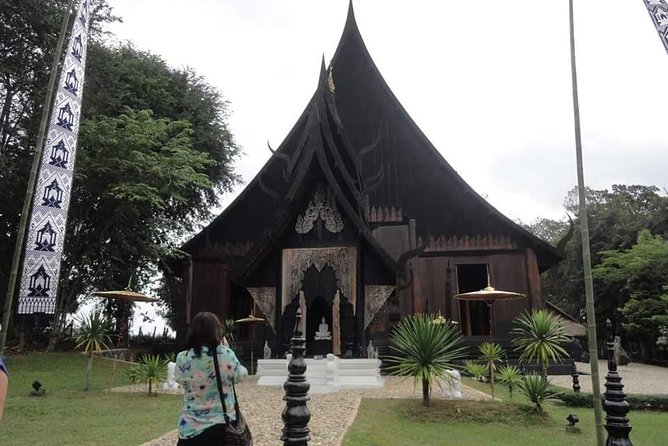
Baan Dam, the Black House Museum
Baan Dam Museum, also called the Black House, was created by national artist Thawan Duchanee. It combines an art studio and museum, with a collection of roughly 40 black buildings and related works.
You have about 35 minutes here, although one departure spent an hour at this stop. That longer visit can feel helpful if you enjoy art, but it may also reduce time for lunch or later attractions when the day is running late.
The Black House is not a conventional museum of local history. Its dark buildings and unusual objects reflect the artist’s personal style. I would come here with an open mind and expect something more eccentric than a standard temple or gallery.
This is one of the tour’s better changes of pace. After two highly polished temples, the Black House gives you a more personal and strange artistic experience. Some people will find it fascinating; others may feel the stop is less immediately rewarding than the temples.
The Union Hilltribe Villages and the Karen visit
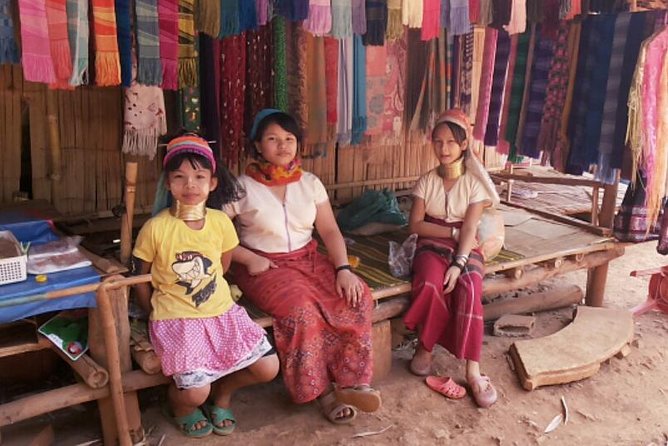
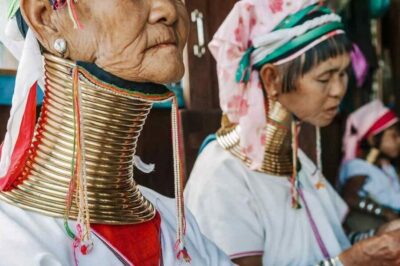
The hill-tribe stop lasts about 35 minutes. You may learn about the Longneck Karen, also known as the Padaung, whose ancestors are associated with Yunnan in China before later migration through the region.
This visit requires some thought. The stop is connected with a village and a line of stalls selling handicrafts, clothing, and souvenirs. You may find scarves and wooden ornaments, but the shopping element is hard to avoid.
The experience is not presented as a long village walk or a detailed cultural program. Some departures have found the stop focused mainly on seller stalls, while other guides offered more background. If you are hoping for a quiet, behind-the-scenes look at daily life, keep your expectations modest.
I would treat this as an optional-feeling part of the day, even though it is built into the route. You can look, learn, and buy only if something genuinely interests you. The best approach is respectful curiosity, not treating the people or their clothing as a photo prop.
Choui Fong Tea Plantation and a welcome pause
Choui Fong is a long-established tea producer with more than 1,000 rai of plantation area in the highlands. Tea is hand-picked at the right time, and the stop includes tea tasting.
You get about 30 minutes. This is partly a scenic break and partly a chance to sample or buy tea products. It is not a long plantation walk or a full lesson in tea production.
After several crowded or highly structured sights, the open tea-growing area can be pleasant. I like having a quieter stop in the middle of such a packed route. Still, if you are measuring every minute against the driving time, you may decide the plantation does not justify the long detour.
The stop works best for people who enjoy food, drinks, and local products. If tea is not of much interest to you, use the time for a drink, a short look around, and a rest before the northern border section.
Lunch arrives as a practical break
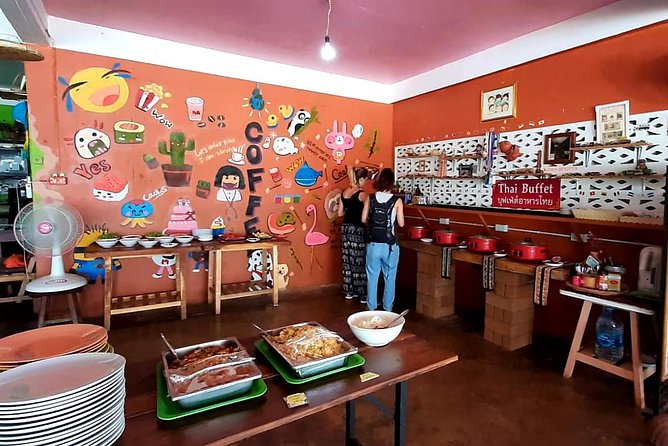
Thai lunch is included, and the meal has been described as a buffet with vegetarian choices. Several departures found it tasty and more substantial than expected.
The timing is less predictable. On one long day, lunch was served around 2:15 pm and felt rushed because the schedule had slipped. That is a good reason to eat breakfast and carry a snack.
The lunch is valuable less because it is a culinary event and more because it removes the need to find food for a group during a packed route. You can sit down, eat familiar Thai dishes, and return to the vehicle without another planning decision.
If you have dietary needs beyond vegetarian food, the supplied details do not specify what can be accommodated. Ask when booking rather than assuming.
The Golden Triangle at the meeting of three countries
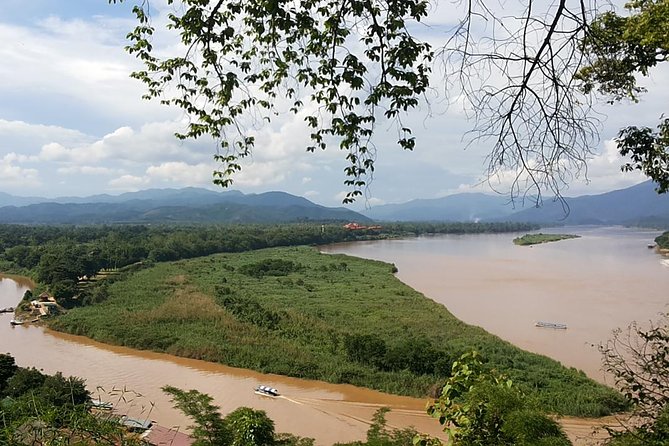
The Golden Triangle is the farthest and most historically charged part of the route. It refers to the border region where Thailand, Laos, and Myanmar meet, an area long associated with opium cultivation and the processing and movement of heroin.
You have about 40 minutes at the viewpoint or border area, and admission is free. The actual sight is mainly the meeting of waterways and borders, so do not expect a large monument or a long attraction complex.
The value here comes from the setting and the context. A good guide can explain how trade, borders, and the opium economy shaped this corner of mainland Southeast Asia. Guides such as Sky and John have been praised for giving useful background during the drive, which is especially important on the long northern section.
I would not book this tour for the Golden Triangle alone. The view is relatively simple. It becomes worthwhile when combined with the House of Opium and a guide who can explain what you are seeing.
The House of Opium puts the region in context
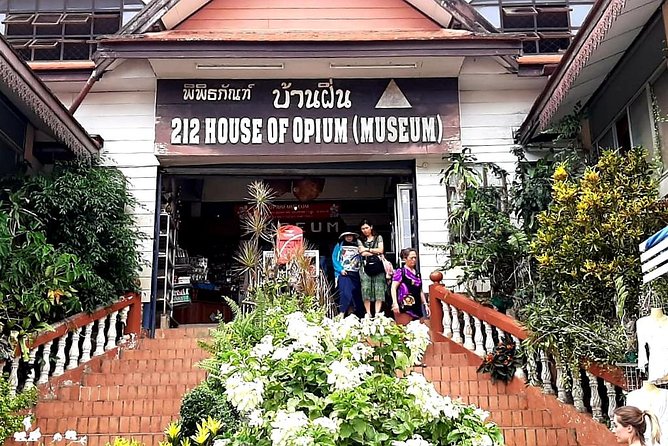
The House of Opium Museum was founded in 1990 by Patcharee Srimatyakul, who grew up in the area and collected opium-related tools, objects, and memorabilia.
You have about 30 minutes, and admission is extra. The museum provides context for the Golden Triangle and helps turn a quick border viewpoint into a more meaningful stop.
The collection may not appeal to everyone. One departure found the museum less interesting than the gift shop, while another valued its educational side. I would give it a fair chance if you want to understand the region rather than simply take a photograph at the border.
The museum is also a useful final stop because it gives the day a subject beyond temple design and shopping. You leave with at least a basic sense of why the Golden Triangle became known around the world.
How much the tour costs after entry fees
The advertised price is $37.18 per person. For the amount of driving and the number of places covered, I consider that good value, especially if you are traveling alone or do not want to negotiate several private rides.
The headline price is not the full cost. Entry charges are separate, and totals given for visiting all paid attractions range from about 530 to 580 baht. The Blue Temple and Golden Triangle are free, while the White Temple, Black House, Karen village, and House of Opium are listed as extra.
Tips for the guide and driver are also excluded. You should budget for those if the service is good, but the amount is your choice.
A private car would give you more control over timing and perhaps a quieter visit, but it would usually cost more. This shared tour makes the most sense when your priority is seeing a lot for a low base price.
Guide quality and the limits of a shared tour
The strongest departures have had guides who were friendly, patient, and comfortable explaining the sights. Sky has been especially well received, while Wam, Mai, Benja, and John are also named as guides who offered useful help or information.
That said, English ability is not perfectly consistent. Some guides have been new to the job, and a few departures received little explanation beyond the attraction name and meeting time. One guide handled the group well but functioned more as an escort than a full guide.
This is the main risk of booking a low-cost shared tour. You are buying the route, vehicle, lunch, and access to a guide, but not a guaranteed private-level presentation at every stop.
I would bring a phone guide or read a little about the temples beforehand. That small preparation protects you if your guide’s English is limited or if the guide cannot accompany the group inside every attraction.
Who should book this tour?
I would choose this tour if you have only one full day in Chiang Rai and want to cover the major sights without arranging transport yourself. It also suits solo visitors, couples, and anyone who values range over a slow pace.
It is less suitable if you dislike long drives, want extended time at each temple, or expect detailed cultural interpretation at every stop. The route is fixed and the group may need to wait for slower members.
The tour is accessible to most people according to the supplied details, and it is near public transportation. Still, the day includes repeated getting in and out of a vehicle, walking around attraction grounds, and a long stretch on the road.
Cancellation is free up to 24 hours before the start time. The experience can be changed or refunded if poor weather or an insufficient number of bookings causes the operator to cancel.
My call: excellent coverage, with a long-day warning
I would book this for a first visit or a short stay. The White Temple, Blue Temple, Black House, tea plantation, Golden Triangle, and House of Opium give you a broad picture of Chiang Rai in one outing, and the included lunch keeps the price sensible.
Go in knowing what you are buying: efficient sightseeing, not a private cultural tour. Confirm hotel pickup, carry snacks, set aside about 530 to 580 baht for entry fees, and accept that the guide may be excellent or simply adequate.
If you can spare several days and prefer a relaxed pace, split the route into separate outings. If you have one day and want to see as much of northern Thailand as possible for $37.18, this is a practical choice.
FAQ
Where does the tour start?
The listed start point is Chiang Rai Bus Terminal 1 in Wiang, Mueang Chiang Rai District. Pickup is offered from select Chiang Rai hotels, so confirm your exact meeting arrangement before departure.
What time does the tour begin?
The stated start time is 8:00 am.
How long does the tour last?
The approximate duration is 8 to 12 hours. Some departures have returned around 6:00 pm, while others have lasted more than 10 hours.
Is lunch included?
Yes. A Thai lunch is included, and vegetarian food has been available on some departures.
Are entrance fees included?
No. All fees and taxes are excluded. The Blue Temple and Golden Triangle are free, while the White Temple, Black House, Karen village, and House of Opium require separate payment. The total for all paid stops has been reported at about 530 to 580 baht.
How many people can join the tour?
The maximum group size is 20 people. The tour uses an air-conditioned vehicle and returns to the meeting point at the end.
Just added around Chiang Rai
- From Chiang Mai : 3 Temples & Golden Triangle with Lunch★ 4.5 · 17 reviews
- Explore the Chiang Rai and the Golden Triangle★ 4.6 · 18 reviews
- Chiang Rai: Discover 7 Must-See Spots & Lunch Included★ 4.7 · 26 reviews
- Chiangrai Full day: Popular 7 Locations with Thai buffet★ 4.8 · 16 reviews
- From Chiang Rai: Famous Temples and Golden Triangle Day Tour★ 4.7 · 115 reviews
- Chiang Rai:Lanna Home Cooking Class at Give Green Farm House★ 5.0 · 61 reviews
- Chiang Rai: Top Temples & Signature Attractions ~Free Buffet★ 4.7 · 10 reviews
- Chiang Rai:3D2N Transfer to Luang Prabang by Slow Boat★ 3.4 · 15 reviews
Chiang Rai Tours, compared.
Guided Highlights Guided Tour with Buffet Lunch
Read our review →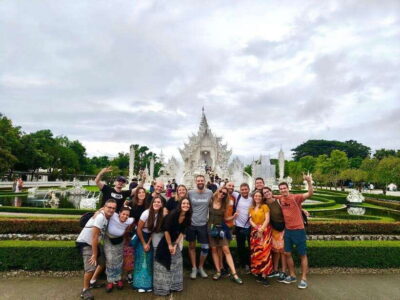
Iconic Temples & 7 Major Sites—River View Buffet
Read our review →
Chiang Rai Must-See Tour – 7 Icons, Lunch & Small Group(9pp)
Read our review →
Chiang Rai Guide: Popular 7places 3Colors ,Golden Triangle
Read our review →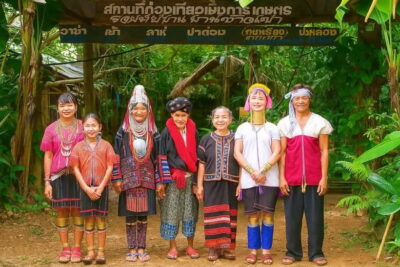

Browse the lists this tour appears in