
Review · WALKING TOURS
Bangkok: Discover a Taste of Chinatown – 2 Hr Walking Tour
Bangkok’s Chinatown is best understood one bite at a time, and this flexible food walk lets you choose what sounds good instead of following a rigid tasting menu. You may stop for MICHELIN Bib Gourmand rice noodle soup at Guay Jub Ouan Pochana, crispy dough sticks at Pa Tong Go Savoey, dim sum, sweets, or lesser-known noodle shops.
I like the local guide’s personal advice, which goes beyond pointing at food stalls. Guides such as Fern, Paew, Jin, and Chai have helped visitors understand Thai customs, Buddhism, temple etiquette, and the everyday place of certain dishes. I also like the small group limit of nine, plus the chance to shape the route around your tastes or dietary needs.
The main catch is price: $64 per person does not include food, so you pay for each bite separately. Two hours can also feel short when you want to eat, take photos, shop, visit temples, and keep up with the street traffic.
In This Review
- Key points to know before you book
- Starting at Wat Mangkon MRT Station
- Two hours through Yaowarat’s food streets
- Guay Jub Ouan Pochana and the appeal of a famous bowl
- Pa Tong Go Savoey and the snack side of Chinatown
- What the guides add beyond food
- Temples, customs, and a wider view of Chinatown
- Group size, dietary needs, and comfort
- Is $64 good value when food is extra?
- Timing, weather, and the right expectations
- Who should book this Chinatown walk?
- Final verdict: a useful first taste of Yaowarat
- FAQ
- Where does the Chinatown food tour start?
- How long does the walking tour last?
- Is food included in the $64 price?
- What food stops might I visit?
- Can the tour accommodate dietary needs?
- Is the tour wheelchair accessible?
Key points to know before you book
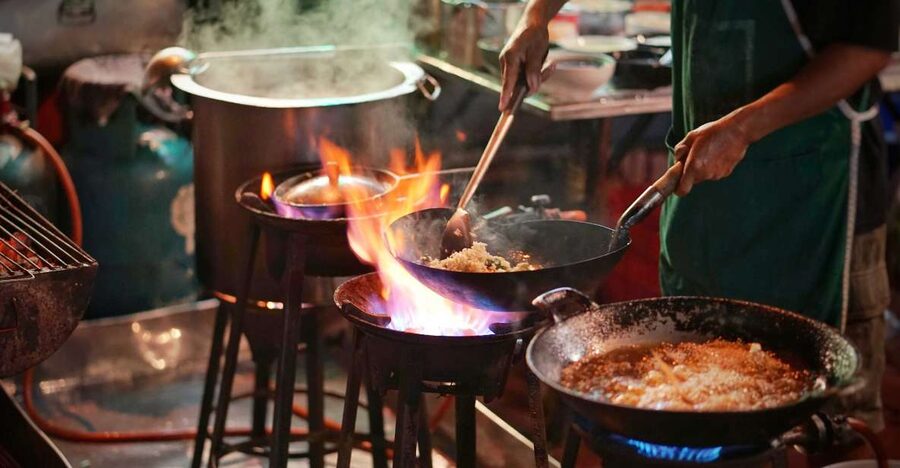
- Food stops are flexible: You are not locked into a set menu, so your guide can adjust the walk to your appetite and interests.
- Guay Jub Ouan Pochana is a featured stop: Its peppery rice noodle soup has MICHELIN Bib Gourmand recognition.
- Pa Tong Go Savoey adds something different: Try its crisp, fried dough sticks, a popular sweet or snack-style stop.
- The guide adds cultural context: Past guides including Fern, Paew, Jin, Tom, Chai, and Sunday have explained Chinatown, Buddhism, Thai customs, and local food.
- The group is limited to nine: That makes it easier to ask questions and adjust the pace, though a private-feeling walk is not guaranteed.
- Food costs extra: Bring cash and budget beyond the $64 tour fee for tastings and personal purchases.
Starting at Wat Mangkon MRT Station
The walk begins outside Exit 3 of Wat Mangkon MRT station, a sensible meeting point in the heart of Bangkok’s Chinatown area. You should arrive 10 minutes early and look for the guide holding a TripGuru sign.
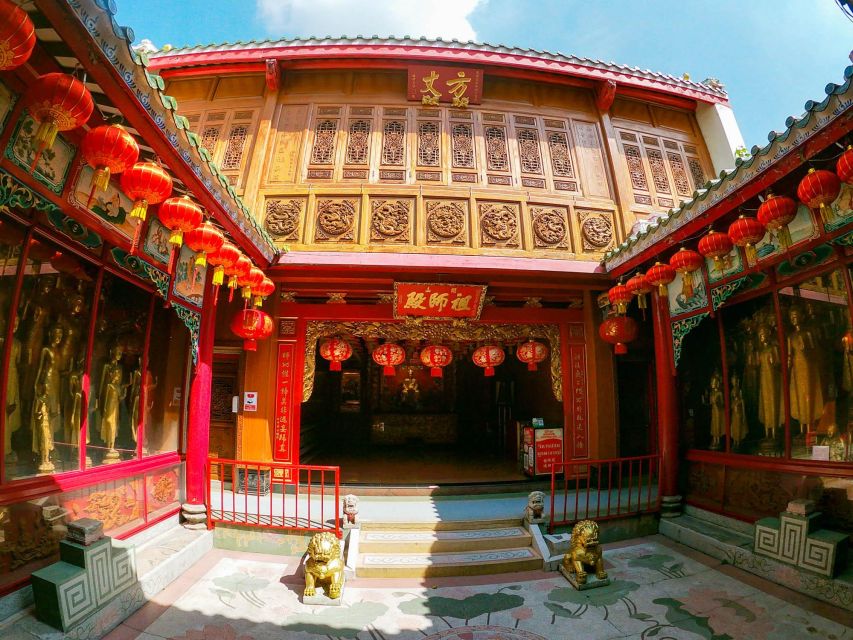
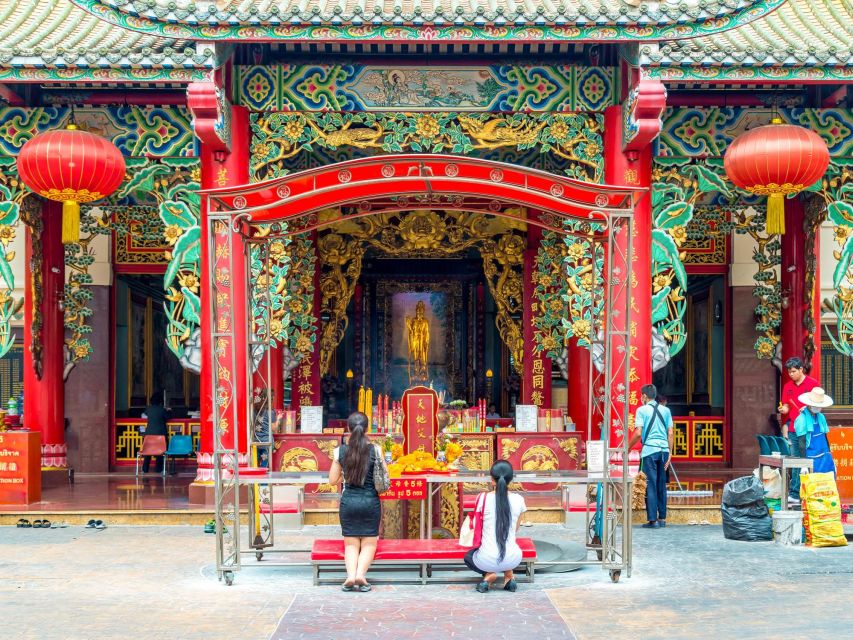
Wat Mangkon is more than a practical transport stop. It places you right beside one of Yaowarat’s key Chinese Buddhist areas, so the walk can quickly move from station entrances to shrines, food lanes, signs, shop houses, and cooking smells. Several guides have also taken participants into Buddhist temples and explained how people pray, giving the food walk a useful cultural frame.
The meeting instructions say the team will email you the evening before to confirm the meeting time and point. Still, check your messages before leaving your hotel. Bangkok traffic and crowded sidewalks can make a few minutes matter.
Wear shoes you can comfortably walk in. Yaowarat is not a polished pedestrian district, and the route may involve uneven surfaces, crowded streets, and frequent stops. An umbrella or hat, sunscreen, insect repellent, and cash are sensible additions. The supplied information also suggests sunglasses, a camera, scarf, and sarong, with a sarong especially useful if you enter a temple and need appropriate coverage.
A few more Bangkok trips to weigh up
- Bangkok: City Highlights Temple and Market Walking Tour
★ 4.5 · 3,990 reviews - Bangkok: Grand Palace and Wat Phra Kaew Guided Walking Tour
★ 4.4 · 2,417 reviews - Bangkok: Wat Pho and Wat Arun Guided Walking Tour
★ 4.6 · 1,720 reviews
Two hours through Yaowarat’s food streets
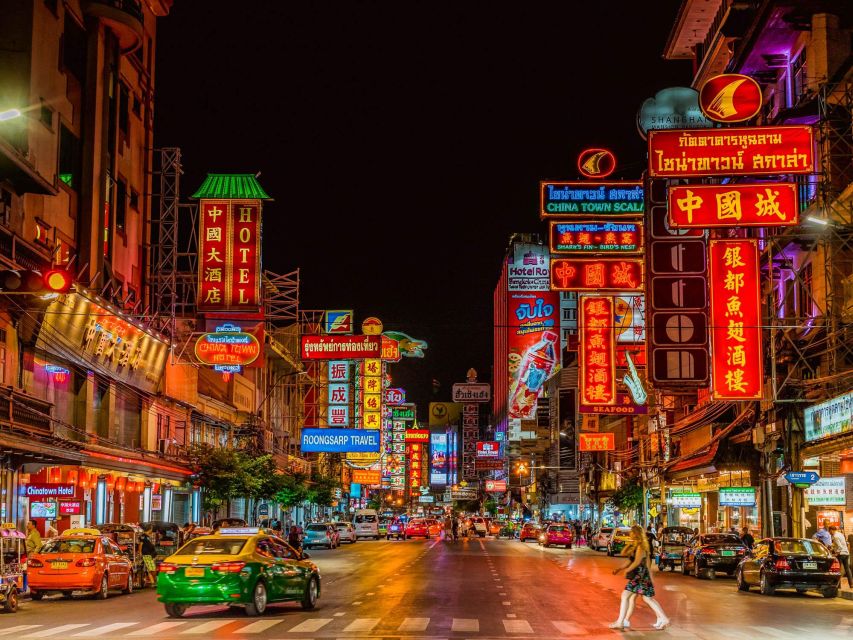
The main itinerary is simple: start at Wat Mangkon, then spend about two hours walking through Yaowarat Night Market and nearby Chinatown streets. The route is not fixed. It can change with weather, stall availability, and other conditions, which is helpful in a food district where opening hours and queues can shift.
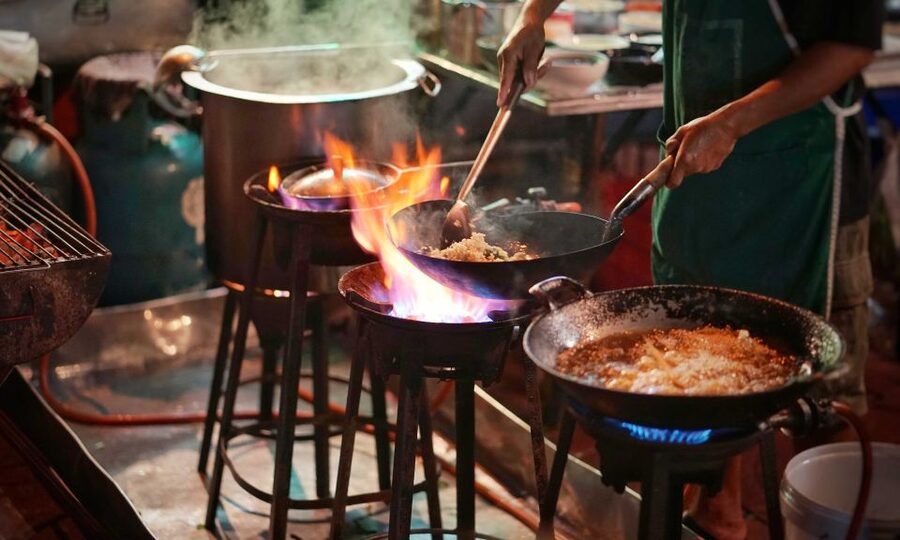
That flexibility is the heart of the experience. If you want savory food, your guide can point you toward noodle soup, noodles, dim sum, or other local dishes. If you have a sweet tooth, the route can include dessert and snack stops. If you are cautious about unfamiliar food, you can ask questions before ordering rather than simply accepting a preset plate.
I would treat the walk as a guided introduction rather than a full meal. Two hours is enough to see several food areas and sample a useful range, but not enough to sit for long at every stop. You will get more from it if you accept that Chinatown is being read as a street scene, not visited like a series of restaurants.
The walking pace also matters. One person praised the guide for stopping at many stalls and offering a broad range of food. Another felt there was not enough time at each point for buying and taking photos. Both impressions can be true: the variety is part of the fun, but frequent stops make the schedule feel brisk.
Guay Jub Ouan Pochana and the appeal of a famous bowl
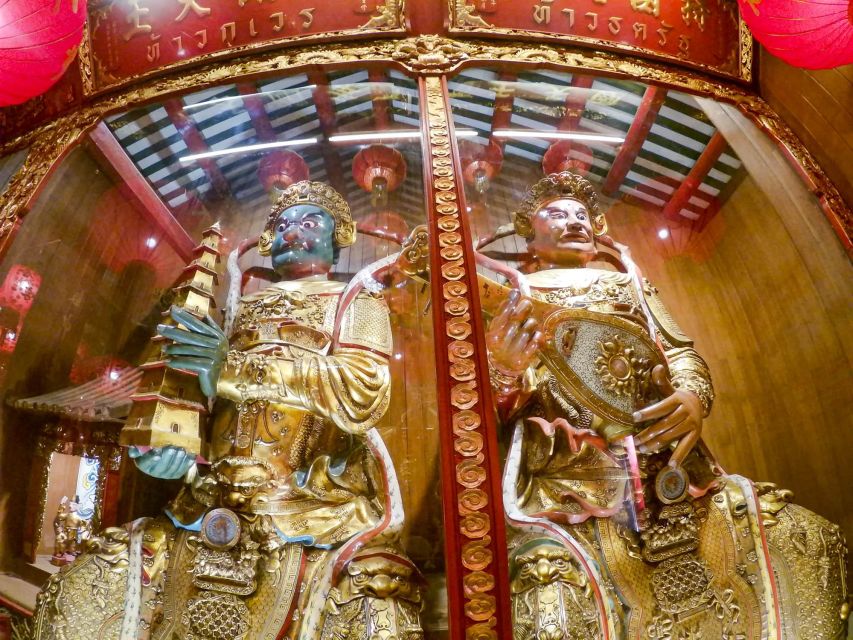
Guay Jub Ouan Pochana is one of the clearest food landmarks on the route. Its specialty, guay jub, is a rice noodle soup, and the stall has MICHELIN Bib Gourmand recognition.
That label is useful as a signpost, but the real value here is context. A local guide can explain what you are ordering, how the dish fits into Chinatown’s food culture, and what flavors or textures to notice. For a first visit, this removes much of the guesswork that comes with pointing at a crowded stall and hoping you have chosen well.
Remember that this bowl is not included in the tour price. The same applies to every other food or drink you order. The tour fee pays for the guide, walking experience, insurance, and carbon emissions offset credits, while you handle the bill at each food stop.
If you want to try many things, order small portions where possible or share with others in the group. The provided information does not promise a specific number of tastings, so your total food spending depends on what you choose. That open-ended setup works well for curious eaters, but it makes the final cost less predictable.
Pa Tong Go Savoey and the snack side of Chinatown
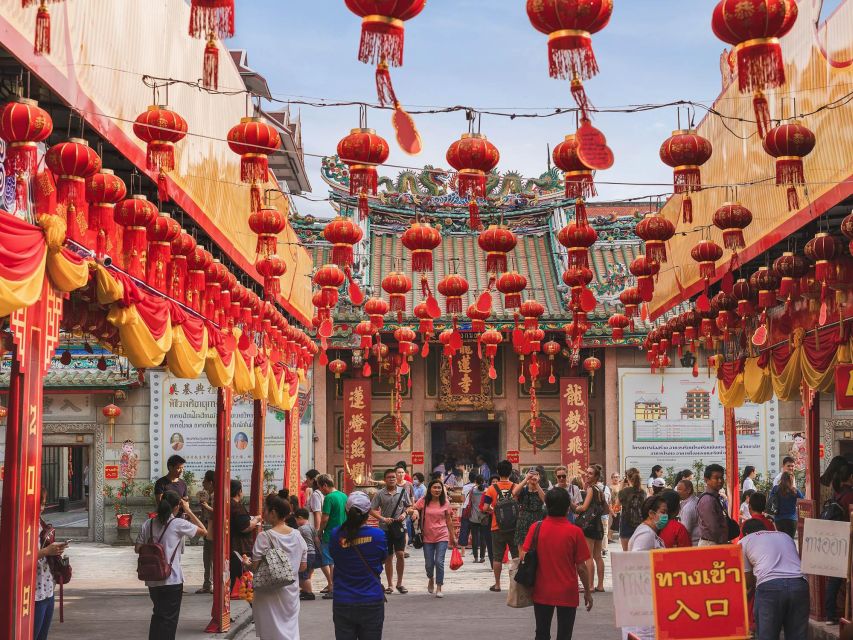
Pa Tong Go Savoey offers a change of pace with crispy dough sticks. These are the sort of snack that makes sense on a walking tour because you can taste them without committing to a full meal.
This stop also shows why the flexible format is useful. You might want a hot, savory soup at one point and something crisp or sweet later. Rather than forcing every participant to eat the same items, the guide can help you decide what fits your appetite.
The experience also names HKN Hong Kong Noodle and HAGOW Yaowarat as possible food stops. HKN gives the route another noodle-focused option, while HAGOW is associated with authentic dim sum. These examples suggest a useful spread of Chinatown influences, though the exact places visited may change.
You should not book this expecting every named venue to be guaranteed. The route depends on what is open and available that day. I see that as a normal part of street-food touring, but it is worth understanding before you reserve. The guide’s recommendations and substitutions matter as much as the printed names.
Same coastline, a completely different day out:
- Bangkok: Damnoen Saduak Market and Maeklong Railway Market
★ 4.5 · 26,723 reviews - The Old Siam: Damnoen Saduak and Maeklong Railway Market
★ 4.5 · 10,992 reviews - From Bangkok: Ayutthaya Temples Guided Tour with Lunch
★ 4.7 · 10,535 reviews - Bangkok: Train Market & Floating Market with Boat Ride
★ 4.7 · 9,547 reviews
What the guides add beyond food
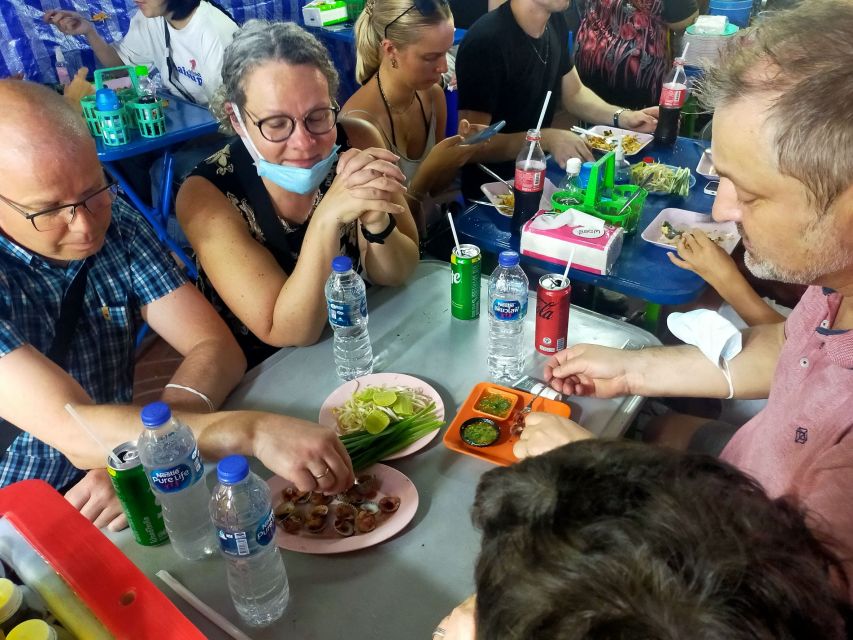
Food is the hook, but the guides are the main reason this walk can feel more personal than a self-guided meal crawl. Several guides have been singled out for explaining where dishes come from, how people eat them, and how food connects with daily life in Bangkok.
Fern has been described as energetic, funny, careful with group safety, and generous with local restaurant tips. Paew has adjusted routes for personal tastes and a nut allergy while encouraging participants to try unfamiliar dishes. Jin has tailored a walk around food, sightseeing, and local history, and has spoken with people along the way to make the area feel more connected to everyday life.
Other guides have added different strengths. Tom has offered clear English and broad knowledge of Chinatown. Chai has combined food with Buddhism, Thai customs, and temple visits. Sunday has answered wider questions about Thai culture, food, and religion. Jimmy and Belle have led solo participants on more personalized walks when no one else joined their time slot.
These individual examples are useful, but you should not assume a particular guide will lead your departure. The important point is the guide’s role: explaining, translating, suggesting, and helping you make sensible food choices. The experience is conducted in English, and one participant found some speech occasionally difficult to understand. That is a fair consideration if you need very slow, simple English.
Temples, customs, and a wider view of Chinatown
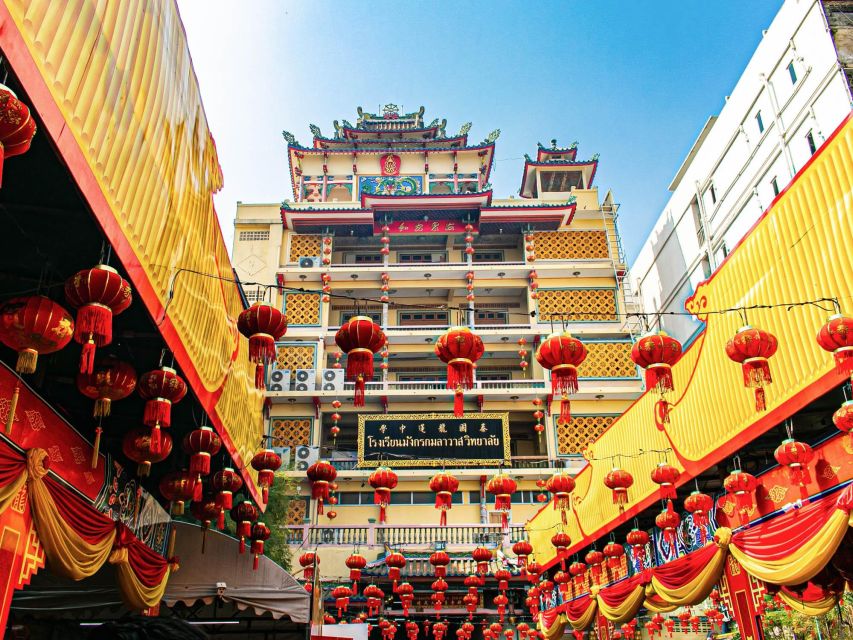
The walk is not limited to food stalls. Past routes have included Buddhist temples, temple ceremonies, and explanations of how to pray. One guide even showed a participant temple areas and monk accommodation, giving a glimpse of religious life that you would likely miss while moving from one restaurant to the next.
This part gives the tour better balance. Chinatown is not just neon signs and fried snacks. It is also a place where Chinese and Thai traditions meet, where religious spaces sit near busy food streets, and where ordinary shopping and worship continue alongside the night-market trade.
Temple visits are not guaranteed because the itinerary can change. If your guide takes you into a religious site, dress respectfully and follow instructions about footwear, clothing, and photography. A scarf or sarong can help, though you should still listen to the guide’s advice on the day.
The cultural discussion also depends on your questions. Ask about ingredients, local eating habits, temples, customs, or the history of the neighborhood. The strongest accounts of this experience came when participants treated the guide as a source of local insight rather than simply a person leading them between stalls.
Group size, dietary needs, and comfort
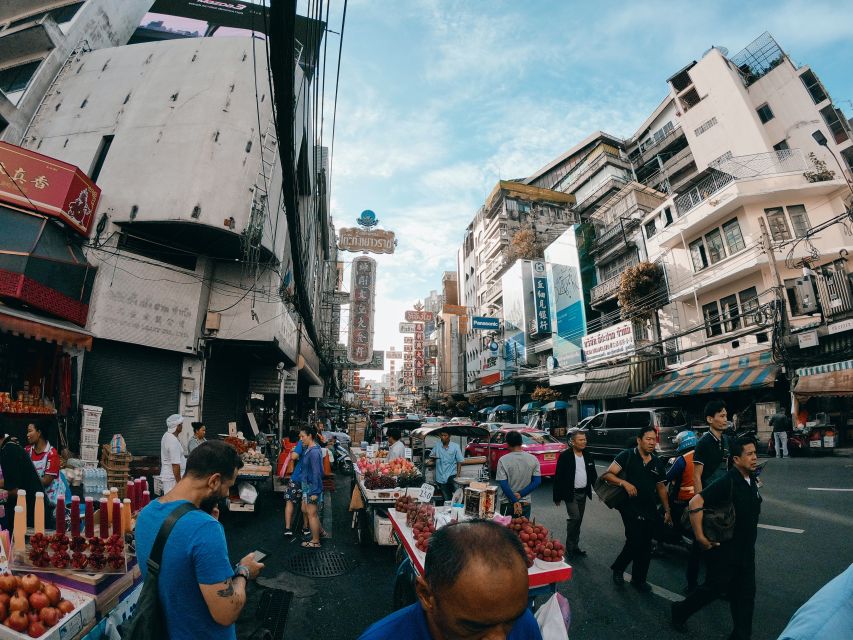
The maximum group size is nine, which is small enough for conversation and quick decisions. It also means your guide can keep an eye on the group while crossing busy streets and moving through crowded food areas.
The group may be much smaller. Several departures have ended up as one-person or couple tours when other bookings did not appear. In those cases, the guide continued with the tour and adjusted it around the participant’s interests. That can create a very personal experience, although you should not book on the assumption that your departure will become private.
Dietary needs can be discussed with the guide. One guide adapted the route for a nut allergy, and the activity information says the walk can cater to different tastes and dietary needs. You should still explain any allergy clearly before ordering, since food stalls share cooking spaces and ingredients may not always be easy to identify.
This is a walking tour, not a suitable choice for everyone. It is specifically listed as unsuitable for wheelchair access, pregnant women, people with mobility impairments, and people with heart or respiratory issues. Bangkok’s heat, traffic, crowds, and street surfaces can add strain, so consider your comfort honestly before booking.
Is $64 good value when food is extra?
At $64 per person, this is not a cheap way to buy dinner. You still pay for every food tasting, drink, and personal purchase, so the final spend can rise depending on your appetite.
The value comes from guidance and access to local judgment. You are paying for someone to help you choose, explain dishes, steer you toward places you might miss, manage the route, and add cultural information. If you are visiting Bangkok for the first time and feel unsure about ordering at crowded stalls, that service can save time and reduce the chance of wasting money on food you do not want.
It is less worthwhile for confident Bangkok eaters who already know Yaowarat and can read menus or order independently. You can walk the area yourself for far less than $64, then spend your money directly on food.
To get better value, arrive hungry but not starved, share items when practical, and ask the guide to focus on your priorities. Tell them if you want noodles, dim sum, sweets, temples, photography, or a mix. The flexible format is most useful when you actively shape it.
The operator also presents the tour as GSTC-certified and includes carbon emissions offset credits. That may matter to you if responsible travel is part of your booking decision. It does not change the extra food costs, but it adds an environmental element to the service.
Timing, weather, and the right expectations
The duration is two hours, with starting times available according to the date you select. Since this is an outdoor walk, weather can affect both comfort and the route. Bring an umbrella, hat, and suitable clothing rather than assuming the evening will be cool or dry.
The exact food stalls and restaurants may change because of weather, availability, or other unforeseen circumstances. I would judge the experience by the guide’s ability to find good alternatives, not by treating the named stops as a fixed promise.
You should also expect noise, crowds, traffic, and changing smells. That is part of Yaowarat’s character, but it may be tiring if you prefer quiet restaurants and long meals. The tour is best for people who enjoy movement and small tastes more than a leisurely dinner.
Free cancellation is available up to 24 hours before the activity for a full refund, and you can reserve now and pay later. Those policies make it easier to fit the walk into a changing Bangkok schedule, though you should still check the available start time before booking.
Who should book this Chinatown walk?
I would recommend it to a first-time Bangkok visitor who wants a guided introduction to Chinatown without signing up for a long, formal food tour. It also suits solo visitors, couples, and small groups who want local suggestions and a chance to ask questions.
It is a particularly good fit if you are nervous about street food, interested in Thai and Chinese food traditions, or keen to include temples and local customs in a food-focused outing. The guide can help you step outside your usual choices while keeping dietary needs in view.
I would skip it if your priority is a fixed tasting menu, included food, a slow photography walk, or guaranteed visits to every named restaurant. I would also choose another activity if walking and crowded streets are difficult for you.
Final verdict: a useful first taste of Yaowarat
Book this tour if you want help making sense of Chinatown’s food streets and value conversation as much as eating. The strongest part is the guide-led choice: Fern, Paew, Jin, Chai, Tom, Sunday, and others have turned a short walk into a wider lesson in food, temples, Buddhism, and Thai life.
Just budget for food on top of the $64 fee, arrive ready to walk, and keep your schedule flexible. If you accept that the route may change and the two hours will move quickly, this is a practical way to get your bearings in Yaowarat and leave with specific places to eat afterward.
FAQ
Where does the Chinatown food tour start?
Meet your guide outside Exit 3 of Wat Mangkon MRT station. Arrive 10 minutes before the pickup time and look for a TripGuru sign.
How long does the walking tour last?
The tour lasts two hours. Starting times depend on availability for your chosen date.
Is food included in the $64 price?
No. The tour fee does not include food tastings, drinks, or personal expenses. You pay for the items you choose during the walk.
What food stops might I visit?
Possible stops include Guay Jub Ouan Pochana, Pa Tong Go Savoey, HKN Hong Kong Noodle, and HAGOW Yaowarat. The route may change based on weather, restaurant availability, and other conditions.
Can the tour accommodate dietary needs?
The activity information says the tour can cater to different tastes and dietary needs. Tell your guide about allergies or restrictions before ordering. Food costs remain separate.
Is the tour wheelchair accessible?
No. The activity is not suitable for wheelchair access, and it is also listed as unsuitable for people with mobility impairments, pregnant women, and people with heart or respiratory issues.
Just added around Bangkok
- Damnoen Saduak Floating Market Small Group Tour★ 4.0 · 107 reviews
- Angkor Wat 2-Day Tour from Bangkok★ 5.0 · 8 reviews
- Arrival Private Airport Transfer : Bangkok Airport to Hotel in Bangkok★ 4.5 · 142 reviews
- Private Best of Bangkok Full Day Highlights City Tour★ 4.5 · 13 reviews
- Ancient Wonders of Ayutthaya with Return Scenic River Cruise★ 4.0 · 31 reviews
- Private Ancient city of Ayutthaya Shore Excursion★ 5.0 · 9 reviews
- Ancient City Ayutthaya Private Guided Day Tour★ 5.0 · 49 reviews
- Ancient City Bangkok and Erawan Museum Tickets★ 4.5 · 8 reviews
Walking Tours, compared.
City Highlights Temple and Market Walking Tour
Read our review →
Grand Palace and Wat Phra Kaew Guided Walking Tour
Read our review →

3 Hour Old City and Temples Guided Walking Tour
Read our review →
Beach walk with elephants, rain & care. 2.5 hours
Read our review →
Bukit Elephant Park Sanctuary Walk and Feed Tour
Read our review →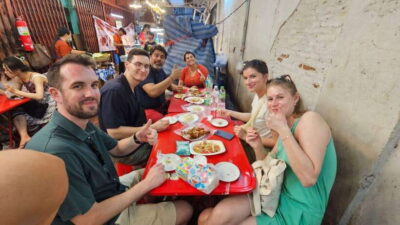
Bangkok Authentic Tasting Thai-Chinatown Walking Food Tour
Read our review →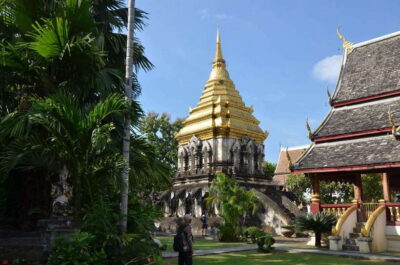
Browse the lists this tour appears in