
Review · NATIONAL PARK TOURS
From Bangkok: Erawan Park & Kanchanaburi Small-Group Tour
The best thing about this day trip is the sharp change of mood: you move from the painful story of the Thai-Burma Railway to the cool pools and jungle paths of Erawan National Park. The Bridge over the River Kwai ties those two halves together, giving you a useful look at Kanchanaburi rather than just one famous photo stop.
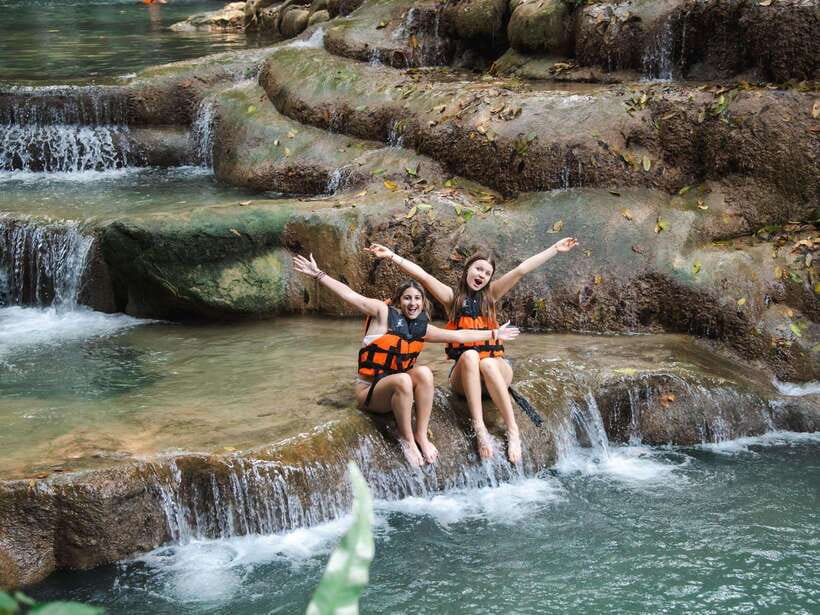
I like the small group of up to nine, which makes it easier to hear the guide and keep track of meeting times. I also like the chance to swim beneath the seven-tiered falls, a welcome reward after a long van ride. The catch is simple: this is a very long day, often leaving Bangkok around 6:30 or 7 a.m. and returning near 7 or 8 p.m.
In This Review
- Key points to know before booking
- Bangkok to Kanchanaburi, with a long ride ahead
- JEATH War Museum and the human cost of the railway
- Walking across the Bridge over the River Kwai
- Lunch in Kanchanaburi, with food paid separately
- Erawan National Park and its seven waterfall levels
- How the guides shape the day
- Is $59 good value for this much ground?
- Who will enjoy this day trip most?
- Should you book the Erawan and Kanchanaburi tour?
- FAQ
- How long does the tour last?
- What places does the tour visit?
- Is the tour suitable for swimming?
- How many people are in the group?
- Is hotel pickup available?
- Where is the meeting point?
- Is lunch included?
- What languages are available?
Key points to know before booking

- Three very different sights in one day: a war museum, a famous railway bridge, and a jungle waterfall.
- Erawan is the star for most people: the upper levels bring better views, quieter pools, and a worthwhile climb.
- Expect roughly five and a half hours of driving: around 2.5 hours out and up to 3 hours back.
- The van is air-conditioned and limited to nine people, a useful comfort upgrade over a large coach.
- Bring a swimsuit, towel, sturdy shoes, and cash: you will want them at the falls, and meals and drinks are extra.
- The $59 price is strong value if you want transport, entrance arrangements, a guide, and several major sights in one day.
Bangkok to Kanchanaburi, with a long ride ahead
This is not a quick outing from Bangkok. The drive to Kanchanaburi takes about two and a half hours, followed by a return ride that can reach three hours. Add the stops, lunch, and time at Erawan, and your total day runs 12 to 14 hours.
That sounds demanding because it is. Still, the air-conditioned vehicle matters here. The vans are described as comfortable, smooth, and well maintained, with decent legroom in many cases. A small group also keeps the ride more manageable than a packed bus. You may sleep for part of the journey, then rely on the guide for short talks about Thai culture and wartime history.
You can arrange hotel pickup if you choose that option. Pickup applies to hotels or registered accommodations, not roadside spots or shopping malls. The other option uses a central meeting point at National Stadium BTS Station, Exit 2 on the second floor. This meeting option can be useful if you are already near central Bangkok and want to avoid waiting for a hotel collection.
The operator sends the pickup time and meeting details the evening before. Be at the meeting place or hotel lobby 10 minutes early, and look for the guide holding a TripGuru sign. Same-day booking may be available for the meeting-point option, but only when space remains.
More National Park Tours in Bangkok
- From Bangkok: Khao Yai National Park Small-Group Day Trip
★ 4.5 · 704 reviews - Khao Yai National Park Full-Day From Bangkok – Including Ticket
★ 4.5 · 523 reviews - Erawan Waterfalls and Bridge Over River Kwai Tour from Bangkok
★ 4.5 · 372 reviews
JEATH War Museum and the human cost of the railway
The first major stop is the JEATH War Museum, where you spend about an hour learning about the prisoners of war who built the Thai-Burma Railway during World War II. The name refers to the countries involved in the wartime railway story: Japan, England, America, Australia, Thailand, and Holland.
This is a small and plainly presented museum. Expect photographs, displays, and a short film when the equipment is working. The film has occasionally been unavailable, so do not book this tour expecting a large, polished museum complex. Its value comes from the subject and from the guide’s explanation, not from elaborate exhibits.
I find this stop important because it gives the bridge and railway a human setting. Without it, the bridge can feel like a scenic landmark with a famous movie title attached. Here, you get a clearer sense of the forced labor, harsh conditions, and enormous human cost behind the railway.
Guides vary, but several have made this part especially effective. Nancy has been praised for clear English and a warm way of explaining Thailand. Ohm has provided careful historical context and clear instructions, while Jack has been noted for giving the war story plenty of detail without making the day feel like a lecture.
Give the museum your full attention, even though the stop is not large. The displays can feel limited, and some visitors find the visit brief. Its purpose is to prepare you for the next stop rather than fill an entire morning.
Walking across the Bridge over the River Kwai
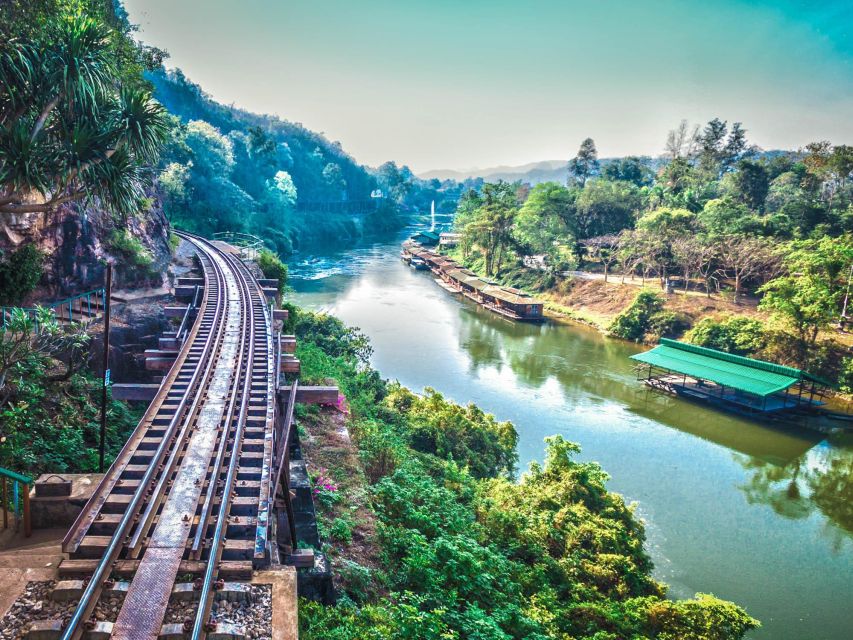
The bridge is a short drive away and receives about an hour. You can walk across the metal spans, take photographs, and look down at the river and surrounding limestone hills. The setting is striking, but the history is the real reason to pay attention.
Trains still use the railway, so you may see one pass while you are on or near the bridge. If that happens, follow the guide’s instructions and move to one of the wider side areas. The possibility of an active train gives the visit a bit more life than a static monument.
The bridge is also a place where your guide can connect the museum’s facts to the physical site. That context helps you understand why Kanchanaburi remains such an important part of Thailand’s World War II story. Guides including Nancy, Jack, and Ohm have received particular praise for explaining the background in a clear, friendly way, but the assigned guide can change.
There is not much need to linger for hours. An hour gives you time to cross the bridge, take in the river, and listen to the explanation. Some days may bring an unexpected change in transport. One group reached the bridge by boat and later took a train after a vehicle problem. That is not part of the standard plan, but it shows that the day can adjust when conditions require it.
Lunch in Kanchanaburi, with food paid separately
Lunch is scheduled for about an hour in Kanchanaburi, and the meal is not included in the $59 price. You should carry cash for food, drinks, and personal purchases. Some guides help the group choose a local Thai restaurant, and the meal can be a pleasant pause before the more active part of the day.
Do not expect a long restaurant experience. This is a practical stop that keeps the schedule moving. You will want to eat enough for the walk at Erawan, but leave room for water and a swim later.
The tour includes one glass bottle of drinking water, and the operator says it provides water in glass bottles and offsets carbon emissions. That is a small but welcome effort on a day involving many road hours. You still need to budget for extra drinks, especially if you plan to hike in warm weather.
Same coastline, a completely different day out:
- Bangkok: Damnoen Saduak Market and Maeklong Railway Market
★ 4.5 · 26,723 reviews - The Old Siam: Damnoen Saduak and Maeklong Railway Market
★ 4.5 · 10,992 reviews - From Bangkok: Ayutthaya Temples Guided Tour with Lunch
★ 4.7 · 10,535 reviews - Bangkok: Train Market & Floating Market with Boat Ride
★ 4.7 · 9,547 reviews
Erawan National Park and its seven waterfall levels
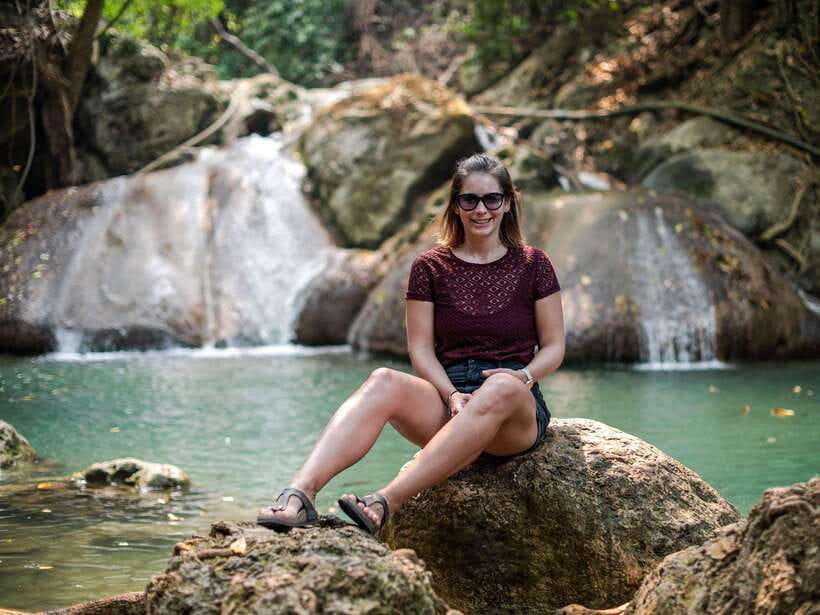
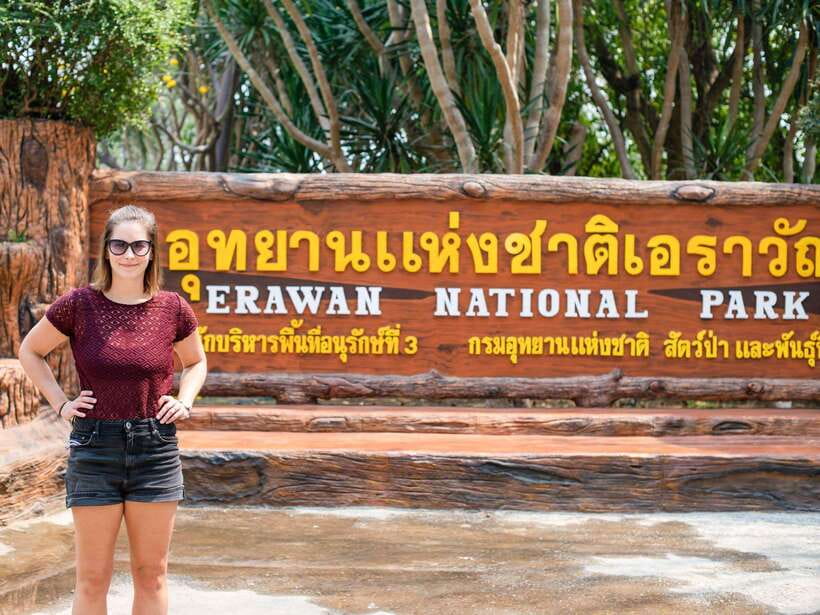
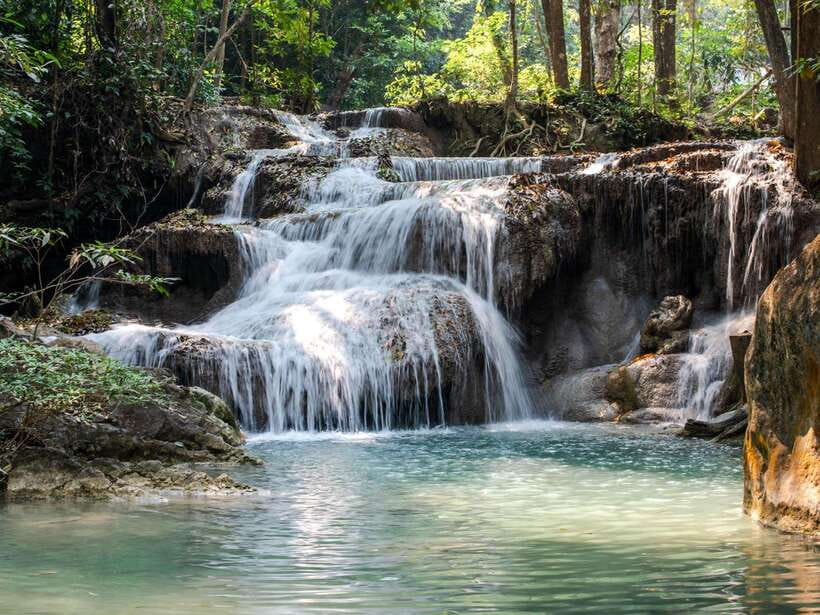
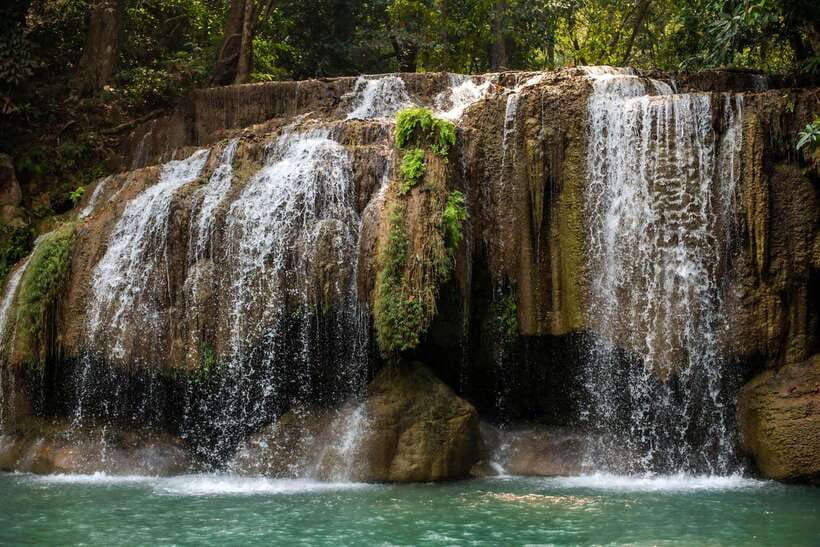
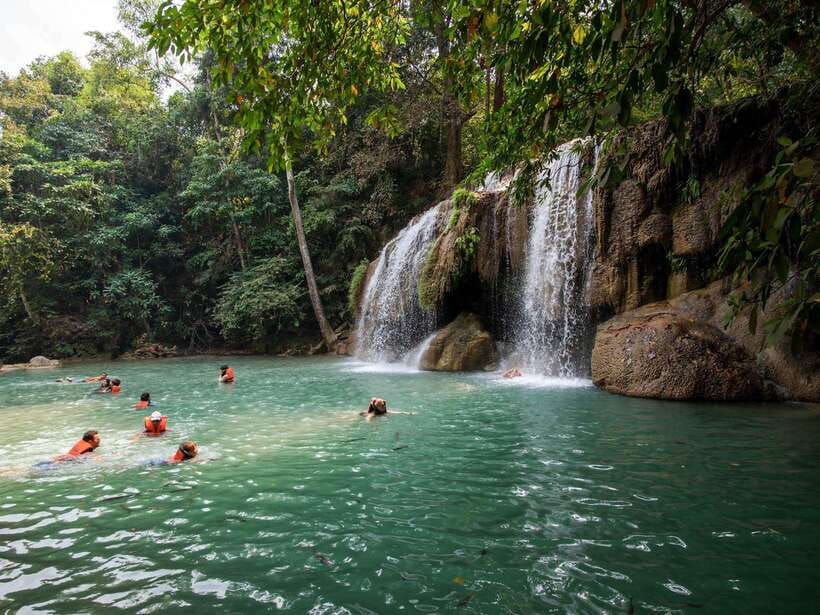
Erawan National Park is the high point of the outing. The waterfall is a seven-level cascade set in forest, with clear pools where swimming is allowed. The lower pools are easy to reach, while the route becomes more demanding as you climb.
The schedule divides the park visit into sightseeing, hiking, and swimming, but the exact amount of free time varies. Plan for around three hours in the park, with some departures allowing closer to four. That is enough time to swim and reach several levels, but it may not be enough for a slow visit to every pool, a long lunch, and a relaxed climb to the top.
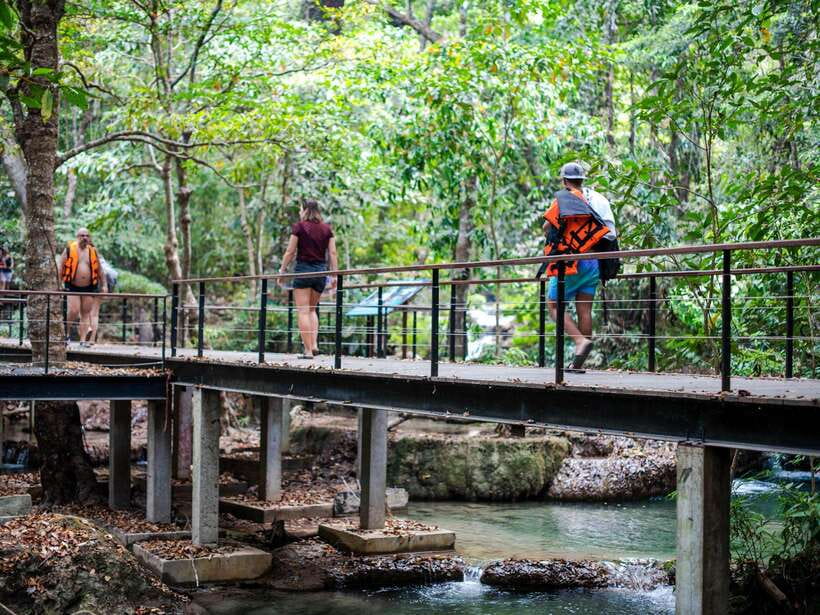
If you want to see all seven levels, go straight uphill when you enter. Several guides and visitors recommend reaching level seven first, then walking back down. This is a smart use of limited time because you see the highest section before your legs tire, and the descent lets you pause at the lower pools.
The climb is not a flat stroll. You need comfortable shoes, and sturdy sneakers are better than loose sandals. One person wished they had been advised to bring water shoes, which are useful around wet rocks and pool edges. You may also encounter monkeys, fish, monitor lizards, and kingfishers, so keep food secured and watch your footing.
The pools are the main reward. You can swim, dip your feet, or simply sit near the water. Small fish may nibble at your toes. Life jackets can be rented in the park, according to one account, but the tour does not include them. Bring a swimsuit and towel, and use sunscreen and insect repellent.
Park staff monitor the swimming areas and help protect the surroundings. Follow local rules, especially around where you may swim, what you may bring into the water, and how you move between the falls. The tour’s GSTC certification and low-impact approach fit well with a national park visit, but responsible behavior still depends on you.
The falls can be crowded, especially at the most accessible levels. The upper levels generally make the best use of your walking time, with more varied views and a greater sense of being in the forest. If you dislike steep paths, slippery rocks, or swimming areas, you can stay lower and enjoy the scenery without attempting the full climb.
How the guides shape the day
A good guide makes a major difference on this route because the sights are spread far apart. The guide must keep a small group together, explain a difficult wartime subject, give clear meeting times, and help you use your limited hours at Erawan.
The guiding team changes by departure. Names associated with particularly strong outings include Nancy, Jack, Jacky, Ohm, Chayada, Eddy, Surina, Pop, Tank, Cherry, and Kulsaya. That does not mean you will receive one of those guides, but it gives you a sense of the service style to expect: friendly explanations, help with photographs, practical reminders, and an effort to keep the day calm.
Some guides add small touches, such as snacks, help with Thai food, or assistance finding a train connection after the tour. Others are more reserved but give clear instructions and leave you plenty of freedom at the falls. If you prefer constant commentary, tell your guide what you want to know. If you want quiet time, the long drives also give you room to rest.
The tour offers English and Spanish guiding. The group limit of nine is particularly helpful at the museum and bridge, where a large crowd can make it difficult to hear.
Is $59 good value for this much ground?

At $59 per person, this tour offers good value if you want to cover Kanchanaburi and Erawan in one day without arranging several transport connections yourself. The price includes the air-conditioned vehicle, an English or Spanish-speaking guide, insurance, walking portions, and entrance fees when you select the option that includes them.
Hotel pickup and drop-off also depend on the option you choose. Check the selected package carefully before paying, since entrance fees and transfers are not automatically included in every version.
The cost does not include lunch, extra drinks, or personal expenses. Even so, independent travel to both the bridge and Erawan can take planning and may involve separate transport arrangements. You are paying partly for convenience and partly for a guide who keeps the route moving.
The tradeoff is time. A two-day visit would let you give the museum and bridge more space, then enjoy Erawan without watching the clock. This one-day plan is better for a first look or for anyone with limited time in Bangkok.
Who will enjoy this day trip most?
I would choose this tour if you want a strong mix of history and nature. It suits people who care about the railway story but also want a real outdoor break, including a swim in cool freshwater pools.
It is also a good choice for solo visitors and couples who prefer a small social group. The group size is limited to nine, and the central meeting option can be easier than arranging a taxi pickup from an out-of-the-way hotel.
I would think twice if you have back or heart problems, since the day includes long road journeys and a climb at Erawan. It may also frustrate anyone who wants to spend a full day hiking, or anyone who dislikes early starts and late returns.
Pack light but thoughtfully:
- Comfortable walking shoes or sneakers
- Water shoes if you have them
- Swimsuit and towel
- Hat, sunglasses, sunscreen, and insect repellent
- Camera and cash for lunch, drinks, and extras
Should you book the Erawan and Kanchanaburi tour?
Book it if you want the easiest way to combine the Bridge over the River Kwai with Erawan’s waterfalls, and you accept a 12 to 14-hour day. The strongest part is the contrast between the serious museum and bridge visit and the freedom to hike and swim later.
Choose a two-day plan instead if you want unhurried museum time, a slower climb, or several hours at every waterfall level. For $59, though, this small-group trip is a sensible Bangkok add-on. Go straight to level seven, bring swim gear and proper shoes, and treat the long van ride as the price of reaching one of Thailand’s most rewarding day-trip areas.
FAQ
How long does the tour last?
The tour lasts 12 to 14 hours. The outward drive takes about 2.5 hours, and the return drive can take up to 3 hours.
What places does the tour visit?
The tour visits the JEATH War Museum, the Bridge over the River Kwai, and Erawan National Park, including time for hiking and swimming.
Is the tour suitable for swimming?
Yes. Erawan National Park has clear pools where you can swim or dip your feet. Bring a swimsuit and towel.
How many people are in the group?
The tour is a small-group experience limited to nine participants.
Is hotel pickup available?
Yes, hotel pickup and drop-off are available if you select that option. Pickup is offered from hotels or registered accommodations, not roadsides or shopping malls.
Where is the meeting point?
The meeting point is National Stadium BTS Station, Exit 2 on the second floor. Your guide holds a TripGuru sign.
Is lunch included?
No. Lunch and other drinks are not included, so bring cash for food and beverages.
What languages are available?
The live tour guide service is available in English and Spanish.
Just added around Bangkok
- Damnoen Saduak Floating Market Small Group Tour★ 4.0 · 107 reviews
- Angkor Wat 2-Day Tour from Bangkok★ 5.0 · 8 reviews
- Arrival Private Airport Transfer : Bangkok Airport to Hotel in Bangkok★ 4.5 · 142 reviews
- Private Best of Bangkok Full Day Highlights City Tour★ 4.5 · 13 reviews
- Ancient Wonders of Ayutthaya with Return Scenic River Cruise★ 4.0 · 31 reviews
- Private Ancient city of Ayutthaya Shore Excursion★ 5.0 · 9 reviews
- Ancient City Ayutthaya Private Guided Day Tour★ 5.0 · 49 reviews
- Ancient City Bangkok and Erawan Museum Tickets★ 4.5 · 8 reviews
National Park Tours, compared.
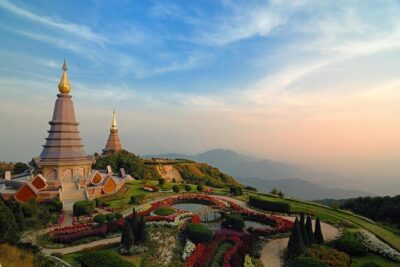
Doi Inthanon Waterfall and Royal Project Chiang Mai
Read our review →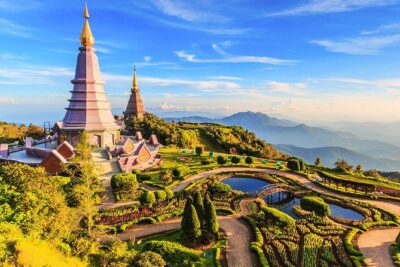
3-in-1: Doi Inthanon Tour, Elephant Sanctuary, and Trekking Trail
Read our review →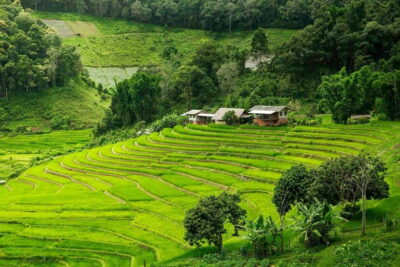
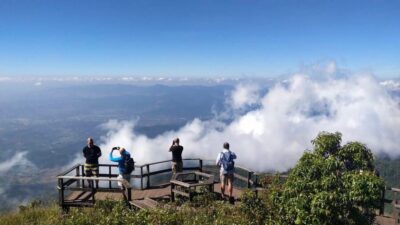
Doi Inthanon Park with Kew Mae Pan Hike Day Trip
Read our review →
Doi Inthanon Private Tour with Trek & Lunch from Chiang Mai
Read our review →
Doi Inthanon National Park and Pha Dok Siew Trek
Read our review →Browse the lists this tour appears in