
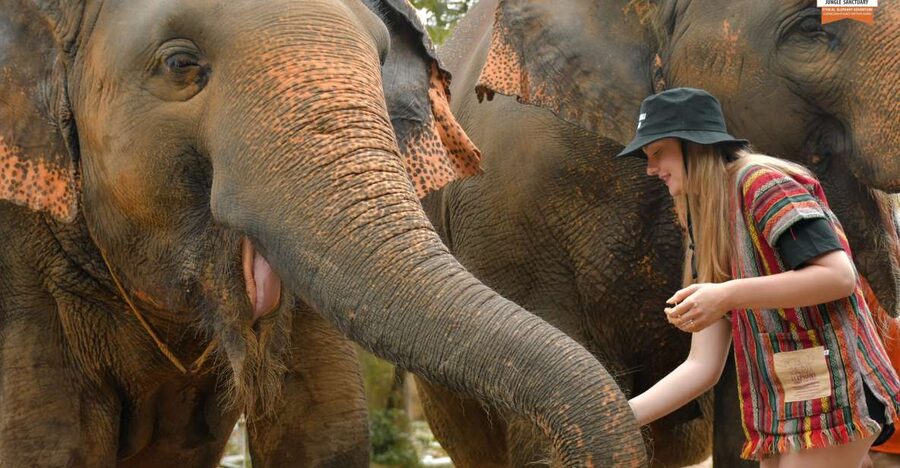
Review · ELEPHANT SANCTUARY TOURS
Phuket: Elephant Jungle Sanctuary Ethical Feeding Experience
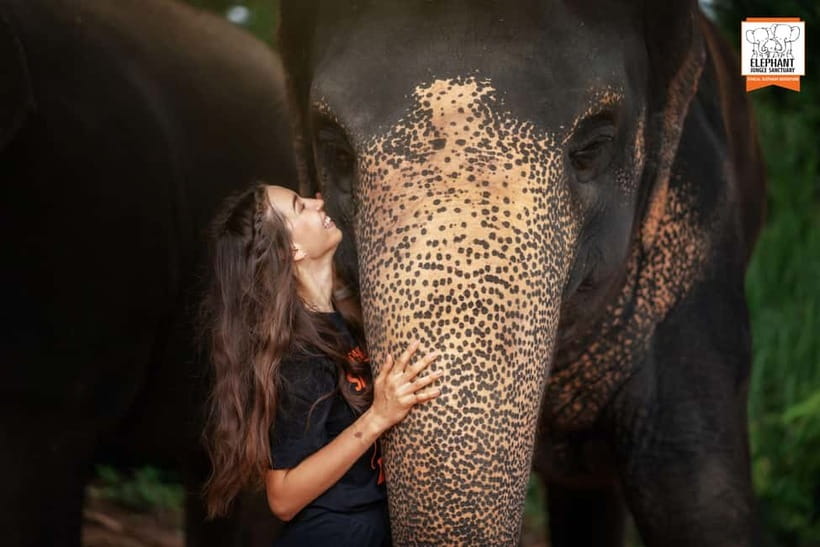
At Phuket’s Elephant Jungle Sanctuary, the main event is simple: you feed rescued elephants by hand, watch them move around the feeding area, and learn why this place rejects riding, shows, and bathing. It is a close encounter, but the animals remain the focus rather than a stage act.
I like the no-riding policy and the clear effort to explain each elephant’s temperament. I also like the one-hour format, which gives you a meaningful meeting without swallowing your whole day. The trade-off is that this is an introduction to feeding, not a full-day sanctuary visit, and one visitor found the information brief.
In This Review
- Key points at a glance
- Feeding rescued elephants without the circus routine
- What happens during the one-hour visit
- The best part is watching, not just touching
- Why the ethical approach matters
- Price and value at $28
- Timing, comfort, and what to bring
- Who should book this Phuket elephant experience?
- Should you book it?
- FAQ
- Where does the Elephant Jungle Sanctuary Phuket experience meet?
- How long does the feeding experience last?
- What is included in the price?
- Is transportation from my hotel included?
- Can I ride the elephants?
- Are bathing and elephant shows included?
- What food will I give the elephants?
- What languages are available for the tour?
- What should I bring?
Key points at a glance
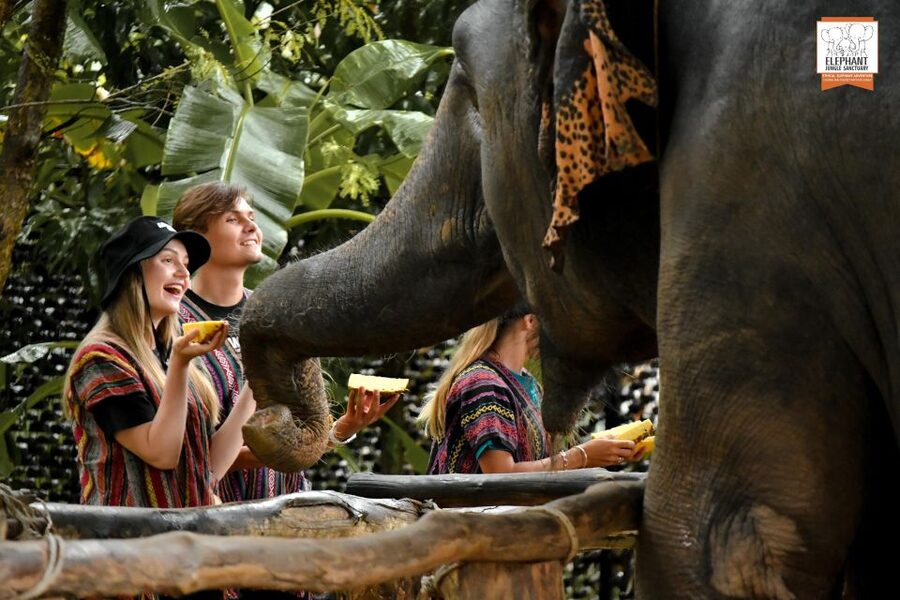
- Feeding comes first: Fruit or grass is supplied by the elephant vet, with the food changing according to the elephants’ needs and time of day.
- No riding, bathing, or shows: The program is built around feeding and observation rather than forced performance.
- Rescued elephants: The sanctuary cares for elephants rescued from circus work, logging, riding camps, and captivity.
- A short one-hour visit: You can fit it into a busy Phuket schedule and still have time for the beach, markets, or another outing.
- Meet at Elephant Jungle Cafe: Transportation is not included, so plan your own way to the sanctuary.
- Strong customer rating: The experience is rated 4.8 out of 5 from 4,359 bookings.
Feeding rescued elephants without the circus routine
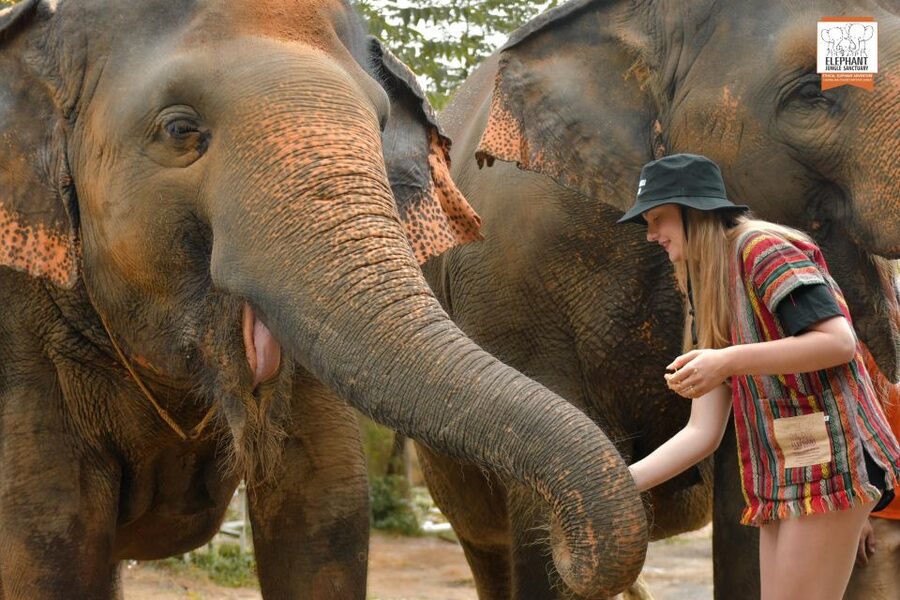
Many elephant activities in Thailand use the word ethical rather loosely. Here, the program is narrower and easier to understand. You arrive, receive food, learn how to behave around the elephants, and feed them under staff supervision.
That matters. You are not being asked to make an elephant dance, ride on its back, or wash it for a staged photo. The sanctuary also warns visitors not to encourage elephants that display behaviors linked to earlier captivity. That small instruction says a lot about the tone of the visit.
The elephants have been rescued from difficult working conditions, including circuses, logging operations, riding camps, and other forms of captivity. They cannot simply be released into the wild, so a managed sanctuary provides food, space, veterinary care, and protection.
One particularly useful detail is that staff explain which elephants are comfortable with contact and which should not be touched. Some are old or have been badly affected by earlier treatment. You may be close enough to feed and photograph them, but the right distance is set by the animal, not by your camera.
More Elephant Sanctuary Tours in Phuket
- Phuket: Elephant Sanctuary Guided Tour with Hotel Transfers
★ 4.8 · 2,020 reviews - A Morning with the Elephants at Phuket Elephant Sanctuary
★ 5.0 · 1,693 reviews - From Phuket: Elephant Jungle Sanctuary Feed and Shower Trip
★ 4.8 · 1,056 reviews
What happens during the one-hour visit
Your meeting point is Elephant Jungle Cafe. Since transportation is not included, this is the first practical point to sort out. Check the exact location before booking and allow enough time to arrive, since the activity runs in set time slots.
The program lasts about one hour. It includes feeding the elephants and walking around the feeding area. That is a compact schedule, so you should not expect a long trek through the property or a full day of talks and activities.
At the start, your guide explains basic safety and respectful behavior. Guides speak English or Thai, and the quality of this introduction appears to depend partly on the person leading your group. Hannah, Michael, Eddie, and another English-speaking guide named in customer feedback were all singled out for making the explanations friendly or engaging.
The information covers the elephants’ ages, personalities, rescue stories, and behavior. You may learn why an elephant is allowed to approach people while another is kept at a greater distance. One person found the talk highly informative, while another felt it offered only a little information. If elephant welfare is your main reason for coming, ask questions while you have the guide’s attention.
Then comes the feeding. The elephant food is provided by the elephant vet, and it can vary. Morning visitors have fed watermelon, while a late-morning session included large banana leaves. The supplied information also refers to fruit or grass, depending on what the elephants need.
This is one of the better features of the program. You are not simply handed a novelty snack and told to pose. The food is part of the elephants’ daily care, and the changing menu reflects their needs. You may feed more than one elephant, though the exact animals and amount of time beside each one can vary.
Expect trunks reaching toward you with impressive speed and accuracy. The experience feels personal because feeding requires you to pay attention to the animal’s movements. Follow the guide’s instructions, keep your hands where you are told, and let the elephant set the pace.
The best part is watching, not just touching
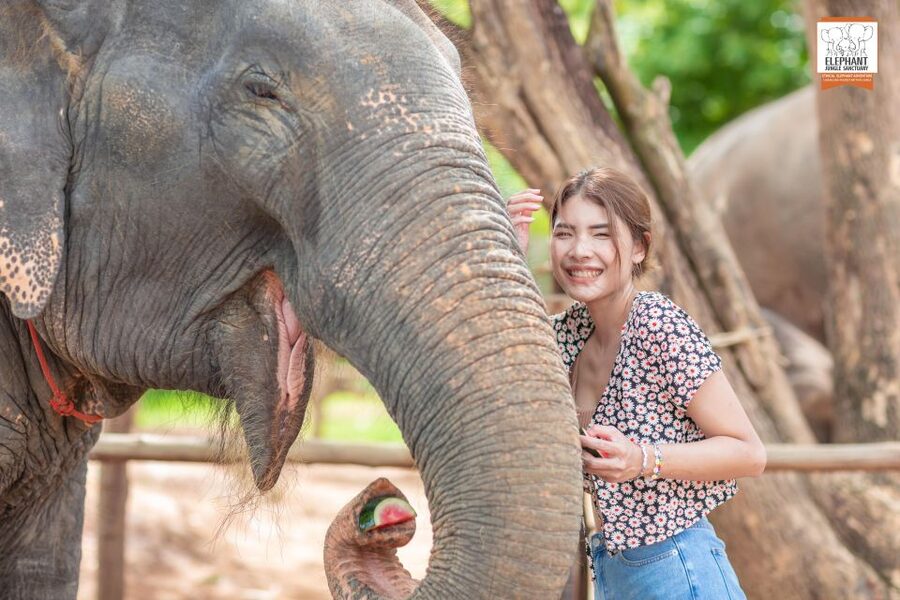
Photos are a major part of the appeal. Staff may help take pictures while you feed the elephants, and several customers found the resulting photographs particularly good. Bring a camera or phone, but keep it secondary to the encounter.
The elephants may walk around the feeding area, approach for food, or simply pause and observe. You could see them bathing or playing, although those moments are not presented as a guaranteed part of the one-hour program. One visitor described watching the elephants bathe and play as an unexpected highlight.
Touching may be possible, but it is not the central promise of the activity. Some elephants are friendly and may accept contact, while others have reasons to avoid it. That limitation is a positive sign. A sanctuary that promises unlimited touching from every person is putting human wishes ahead of animal welfare.
I would treat the feeding area as a place to observe body language. Notice how the guide handles the group, how the elephants respond to food, and which animals choose to come closer. The most valuable memory may be a quiet moment watching an elephant move freely rather than a hand on its trunk.
The sanctuary is described as having more than 60 acres for the elephants to roam. The one-hour visit does not cover all that space, but it helps explain why this experience feels different from a zoo enclosure or a performance venue. You are visiting one part of a larger managed area, not watching animals confined to a small platform.
Why the ethical approach matters
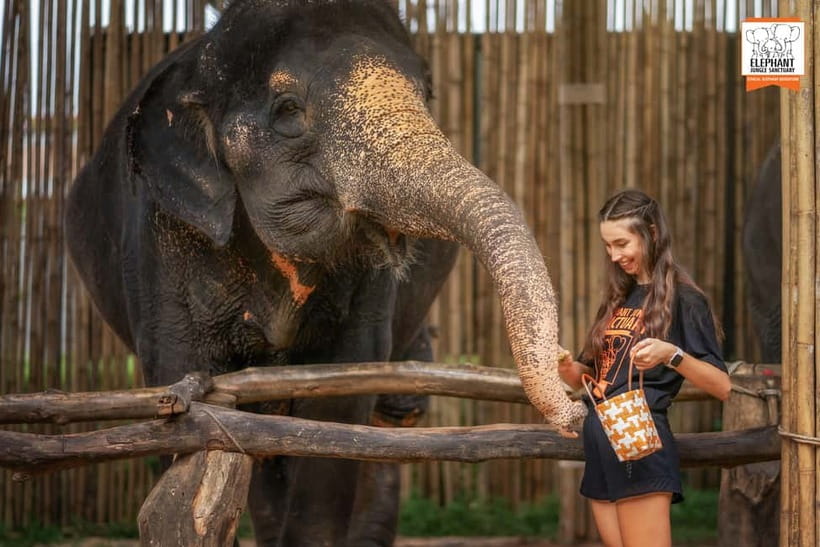
The words ethical and sanctuary are not magic labels. You should still look at what the activity actually allows. In this case, the program specifically excludes riding, shows, and bathing, and the staff explain that some behaviors should not be encouraged because of an elephant’s past captivity.
That does not answer every possible question about the sanctuary’s operation, but it gives you useful signs to assess. The elephants are described as rescued, cared for by staff, and given space to move. The experience also supports a nongovernmental, self-sustaining operation through visitor spending.
You can make your own judgment by watching how staff behave around the elephants. Do they force an animal into position? Do they push it toward people? Do they allow it to walk away? The supplied information points to a system where staff respect different temperaments and limit interaction when needed.
The sanctuary’s message is also clear: do not support elephant riding. That is worth taking seriously in Phuket, where you will see many animal attractions competing for attention. A feeding visit is not automatically harmless, but this format removes several of the most troubling elements found in traditional elephant tourism.
Same coastline, a completely different day out:
- Phang Nga Bay Sea Cave Canoeing & James Bond Island by Big Boat
★ 5.0 · 4,666 reviews - From Phuket: Phang Nga Bay and Canoeing Tour by Big Boat
★ 4.7 · 3,528 reviews - Phi Phi Islands Adventure Day Trip w/ Seaview Lunch by V. Marine
★ 5.0 · 3,295 reviews - Phuket: Paradise Trip ATV Jungle Adventure
★ 4.8 · 3,250 reviews
Price and value at $28
At $28 per person, this is not a cheap snack stop, but it is fairly easy to judge the value. Your fee includes entry, a guide, elephant food, and one soft drink. The activity takes one hour, so the cost per hour is higher than a full-day tour.
You are paying for more than a portion of fruit. The fee helps cover the care of rescued elephants, the staff who supervise interactions, the food supplied by the vet, and the upkeep of the sanctuary. That makes the price easier to accept if supporting an animal-care operation is important to you.
The short duration is both a strength and a weakness. If your Phuket holiday is packed with beaches, boat trips, or sightseeing, one hour is convenient. You can schedule it in the morning and still have most of the day free. If you want a slow, reflective visit with long walks and extended observation, this program will feel limited.
The soft drink at the end is a modest extra rather than a reason to book. Still, Phuket’s heat makes a cold drink welcome after time outdoors. It gives you a few minutes to cool down and think about what you have seen.
There is no included hotel pickup. That can affect the true cost, especially if you need a taxi or ride-hailing service. Compare the total price with any longer sanctuary package you are considering, but do not assume a longer program is better. The important question is what the extra hours involve and how much direct contact they encourage.
Timing, comfort, and what to bring
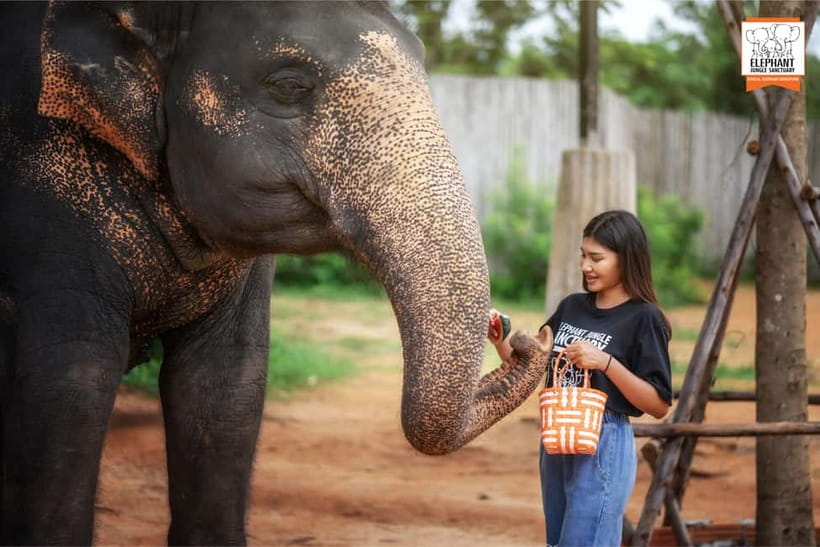
You can choose a starting time based on availability. The food may differ by time of day, so an early visit could include watermelon while a later morning may involve banana leaves or other plant food. The schedule also affects heat and comfort, though no exact weather advantage is promised.
Wear clothing and shoes suited to walking around an outdoor feeding area. Bring a hat, sunscreen, and insect repellent. A camera is useful, since staff may help you get photographs, but protect your phone and keep it under control around the animals.
You must bring a passport, or a copy is accepted. That is an easy item to forget when you are carrying only beach gear, so set it aside before leaving your hotel.
The site is wheelchair accessible. You should still confirm any personal mobility needs in advance, since the program includes walking around the feeding area and the exact route is not described in detail.
The activity allows free cancellation up to 24 hours before the start for a full refund. You can also reserve now and pay later, which helps if your Phuket schedule is still shifting. Those terms are useful during a holiday when rain, transfers, and changing plans can disrupt a carefully arranged day.
Who should book this Phuket elephant experience?
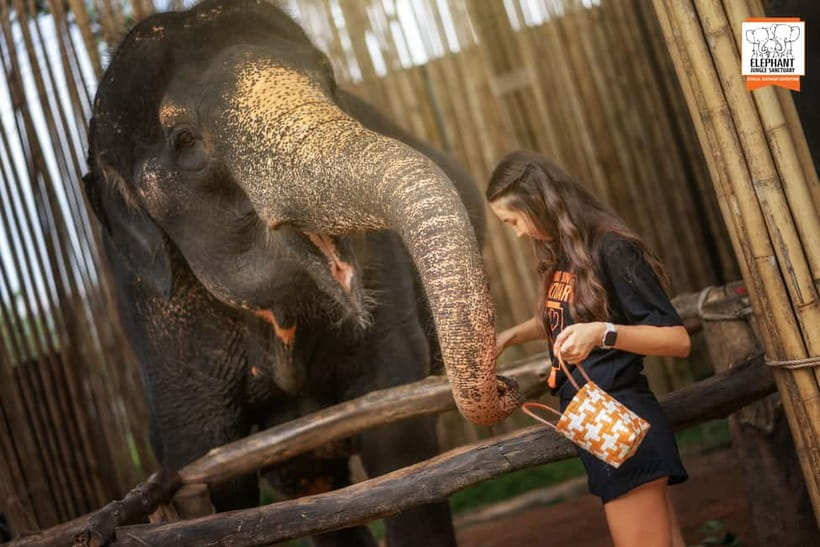
This program suits you if you want a short, direct meeting with elephants and care about avoiding traditional animal performances. Families may appreciate the compact schedule, especially if younger children are unlikely to manage a long day. It also works well for first-time visitors who want an ethical introduction rather than an all-day excursion.
It is a good choice for photographers, too, since staff may help take pictures and the elephants come close during feeding. Just remember that a good photograph depends on patience, not on making the elephant perform.
You should think twice if you want a wilderness-style experience. This is a managed sanctuary with a defined feeding area, a guide, and a set one-hour program. You are not trekking into a remote forest to find wild elephants, and you should not expect the animals to behave like completely undomesticated wildlife.
It may also disappoint you if you want guaranteed bathing, extended touching, or a long educational lecture. The program’s focus is feeding. The guide’s explanations can be useful and personal, but the amount of detail may vary.
The high 4.8 rating from 4,359 bookings reflects broad satisfaction, especially with the staff, the elephants’ care, the photographs, and the no-riding policy. I would give the strongest weight to the practical details: it is well organized, short, and clear about what interaction is allowed.
Should you book it?
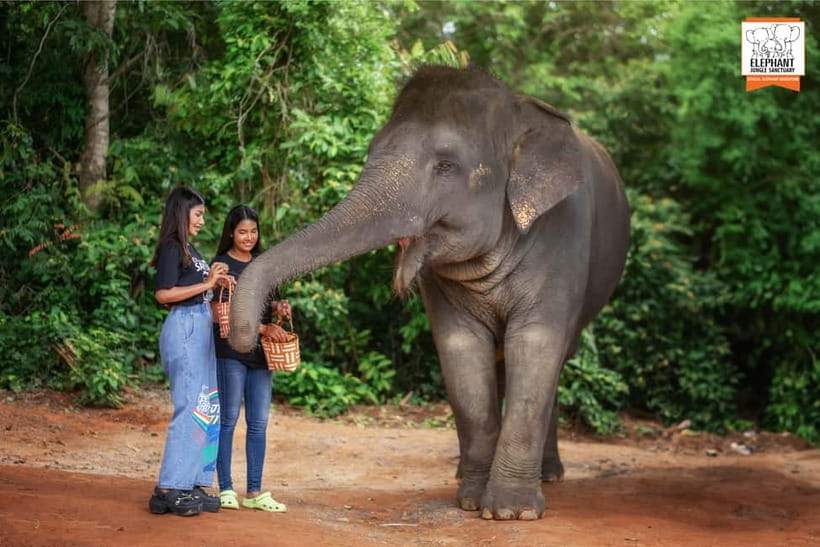
Book this experience if you want to feed rescued elephants in Phuket without riding, bathing, or watching staged tricks. The one-hour format is easy to fit into a busy day, and the $28 price includes the guide, food, entry, and a drink.
Go with realistic expectations. You are buying a carefully managed introduction, not a full sanctuary day. If you want more time, check what other programs include before paying more. For a respectful first meeting with elephants, this is a sensible choice, especially when animal welfare matters more to you than constant hands-on contact.
FAQ
Where does the Elephant Jungle Sanctuary Phuket experience meet?
You meet at Elephant Jungle Cafe. Transportation is not included, so you need to arrange your own way to the meeting point.
How long does the feeding experience last?
The activity lasts one hour. This includes feeding the elephants and walking around the feeding area.
What is included in the price?
Your ticket includes entry to Elephant Jungle Sanctuary Phuket, a live guide, elephant food, and one soft drink.
Is transportation from my hotel included?
No. Hotel pickup and other transportation are not included.
Can I ride the elephants?
No. This program is designed as a feeding and observation experience, with no elephant riding.
Are bathing and elephant shows included?
No. The activity does not include bathing, shows, or riding. Its focus is feeding and observing the elephants.
What food will I give the elephants?
The elephant vet provides the food. It may be fruit or grass, and examples include watermelon and large banana leaves.
What languages are available for the tour?
The live guides speak English and Thai.
What should I bring?
Bring a hat, camera, sunscreen, insect repellent, and your passport. A copy of your passport is accepted.
Just added around Phuket
- The Upside Down House: Phuket’s Must-See Attraction★ 4.7 · 13 reviews
- Simon Cabaret Phuket Show Included Tickets and Transfer★ 4.4 · 155 reviews
- Siam Niramit Phuket Admission Ticket with Transfer Option★ 4.6 · 49 reviews
- Phuket: Zipline Flying Higher than a Hawk with ATV Option★ 4.7 · 33 reviews
- Phuket: White Water Rafting, ATV, and Zipline Adventure★ 3.1 · 35 reviews
- Phuket: Big Buddha View Wat Chalong, Old Town Guided Tour★ 3.6 · 38 reviews
- Phuket: Fully Customized Night Market Tour★ 4.2 · 18 reviews
- Phuket:City Tour,Big Buddha, Forest Safari Tiger Park Canopy★ 3.6 · 15 reviews
Elephant Sanctuary Tours, compared.
Elephant Sanctuary, Waterfall & Bamboo Rafting
Read our review →
Elephant Sanctuary Feeding Program Half-Day Tour
Read our review →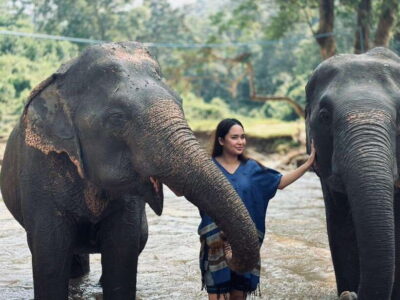
Elephant Sanctuary, Long Neck & Sticky Waterfall
Read our review →
Elephant Sanctuary Guided Tour with Hotel Transfers
Read our review →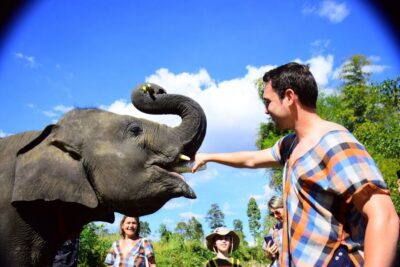

A Morning with the Elephants at Phuket Elephant Sanctuary
Read our review →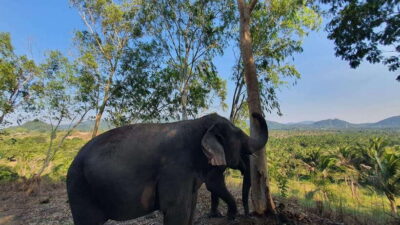
Browse the lists this tour appears in