
Review · ELEPHANT SANCTUARY TOURS
Chiang Mai: Elephant Sanctuary Feeding Program Half-Day Tour
The best part of this Chiang Mai elephant sanctuary tour is the time spent at elephant level. You feed them bananas, sugarcane, and Napier grass, then watch their habits at close range rather than simply snapping a quick photograph and moving on. The setting south of Mae Wang adds forest paths, farms, hills, and a river to the day.
I like the clear focus on hands-on care and the way the elephants are treated as individuals. I also like the five-hour length. You get several feeding stops, a lesson on herbal treats, and a chance to visit the river without giving up your whole day. The main drawback is the long drive from Chiang Mai, roughly an hour and a half in some accounts, plus walking on uneven paths.
In This Review
- Key points at a glance
- Why this visit feels different from a staged elephant encounter
- The 1.5-hour journey south of Chiang Mai
- Meet the team and learn elephant manners
- Feeding bananas, sugarcane, and Napier grass
- Walking through the forest to the elephants
- The river, bathing, and the wettest part of the day
- What the five-hour schedule means for your day
- Is $27 good value?
- Who should book this elephant tour?
- What to pack and what to leave behind
- Should you book Pon Elephant Thailand?
- FAQ
- How long does the Chiang Mai elephant sanctuary tour last?
- Is hotel pickup included?
- How far is Pon Elephant Thailand from Chiang Mai?
- Can I bathe or swim with the elephants?
- What food can I give the elephants?
- Are elephant rides offered?
- What languages are available?
- Can I cancel the booking?
Key points at a glance

- Four close-up elephant stations: Feed and observe elephants at several points instead of getting one short encounter.
- River time depends on the elephants: Bathing and swimming may happen, but no animal is forced into the water.
- A practical lesson in elephant care: Learn about Asian elephants, their diets, habits, and herbal food.
- Five hours door to door for many bookings: Hotel pickup is optional, and the half-day format works well with a busy Chiang Mai schedule.
- A local-community connection: The program supports nearby villages and helps protect the community forest.
- Bring clothes you can soak and soil: A towel and dry change of clothes are not included.
Why this visit feels different from a staged elephant encounter
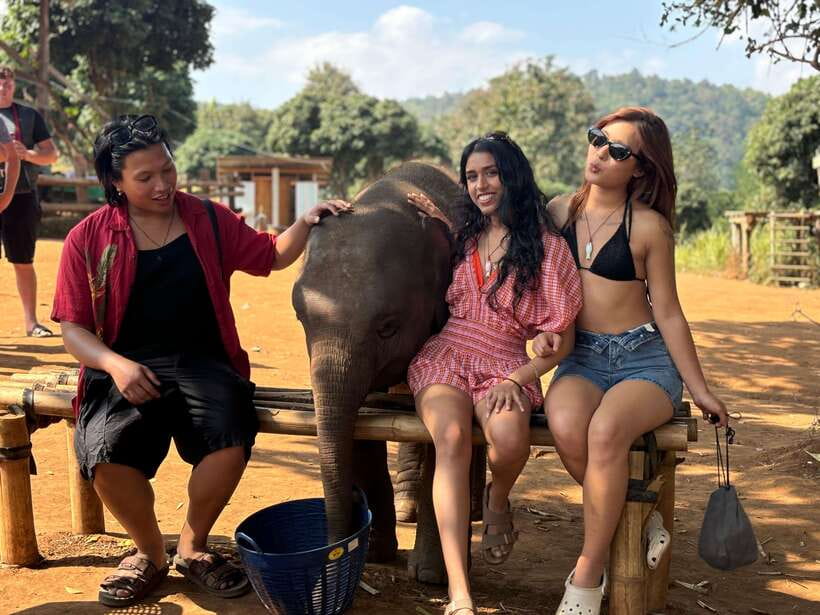
Elephant tourism in northern Thailand needs careful judgment. A sign saying sanctuary does not tell you enough. The useful questions are simple: Can the elephants move away? Are they forced to perform? Is riding offered? Are the staff focused on the animals or only on photographs?
This program says the elephants choose what to do. That matters most at the river. If an elephant does not want to bathe, the activity changes. You may still feed and watch the animals, but the water portion is not a guaranteed show.
The rules also make the approach clear. Riding is not allowed, and neither are fishing, alcohol, drugs, littering, or feeding animals outside the guided activity. The staff explain how to behave around the elephants before you approach them. That briefing is not a formality. An elephant can be gentle and still be enormous, strong, and unpredictable.
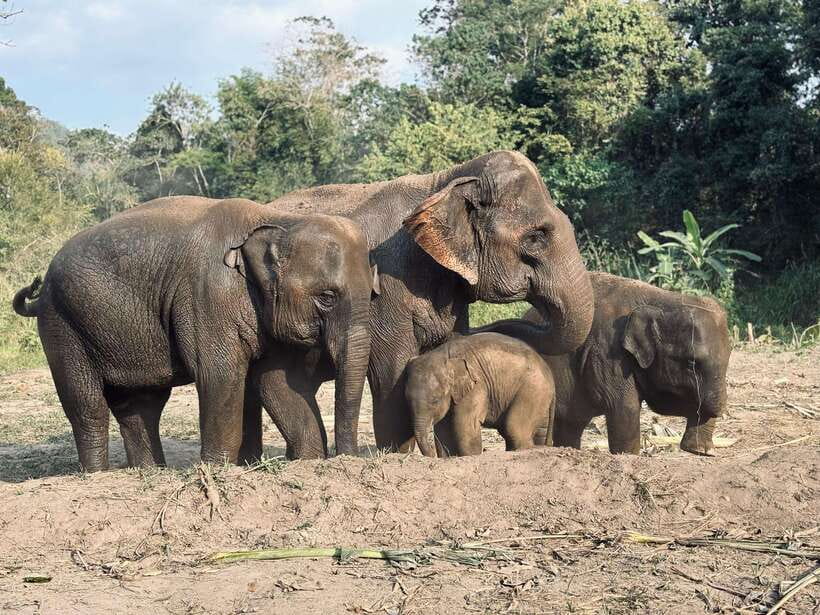
The sanctuary cares for domestic elephants as well as rescued animals. One large rescued bull is part of the group, and the elephants range in age from a very young calf to an animal around 74 years old. A family group with a mother and three daughters may be seen. These details give the visit more meaning than a generic animal photo stop because you begin to notice family ties, age, and personality.
More Elephant Sanctuary Tours in Chiang Mai
- Chiang Mai: Elephant Sanctuary, Waterfall & Bamboo Rafting
★ 4.9 · 9,160 reviews - Chiang Mai: Elephant Sanctuary & Waterfall Group Tour
★ 4.9 · 5,780 reviews - Chiang Mai: Elephant Sanctuary, Long Neck & Sticky Waterfall
★ 4.9 · 2,262 reviews
The 1.5-hour journey south of Chiang Mai
With hotel pickup, your day starts in the lobby. Be ready five to ten minutes before the scheduled time because the driver waits no longer than five minutes after pickup. The exact meeting point depends on the option you book, so check that detail before you leave your hotel.
The drive heads south toward Mae Wang and Pon Elephant Thailand. It takes about an hour and a half according to the stated route, though individual accounts describe a trip of about an hour. Treat that as a useful planning range rather than a promise. Roads, hotel stops, and weather can affect the timing.
The trip moves through hills, forest, and local farms. That ride is part of the experience, but it also explains the main tradeoff: this is not a quick activity near the Old City. If you have an afternoon flight or another fixed appointment, leave plenty of room after the advertised five hours. One visitor with a 3 p.m. flight received help getting onward to the airport, but you should not count on every day running to that schedule.
Transport is a strong part of the package when pickup is included. Vans are described as clean, comfortable, and spacious, and transport receives a high score from most purchasers. If you arrange your own way to the sanctuary, the cost can be much lower. One booking without transfer cost 800 baht, so compare the price against your hotel location, comfort, and the value of not having to arrange a rural journey yourself.
Meet the team and learn elephant manners

At the sanctuary, the first stop is an introduction to the staff, the habitat, and the elephants. You learn about Asian elephant history, feeding habits, sleeping patterns, behavior, and the connection between the local hill tribes and the animals.
The guide names vary by departure. Pat is often praised for clear explanations and a good sense of humor. Toto, Tuto, Jackie, Pan, On, Oom, Saki, and Mr. Hod are also named as friendly guides on different days. Some departures use one guide throughout. Another setup uses staff members at four stations, each explaining that part of the visit. The common thread is direct contact with the people who care for the elephants.
English and Thai are available. The English explanations are designed for an international group, and the guides use simple language when needed. That helps if you are not fully fluent in English or if you are bringing older relatives or children.
Pay attention during this briefing. You will learn where to stand, how to offer food, and how to read the animals. You should not approach on your own or assume that a calm elephant wants to be touched. The goal is close contact with boundaries, not a free-for-all.
Feeding bananas, sugarcane, and Napier grass
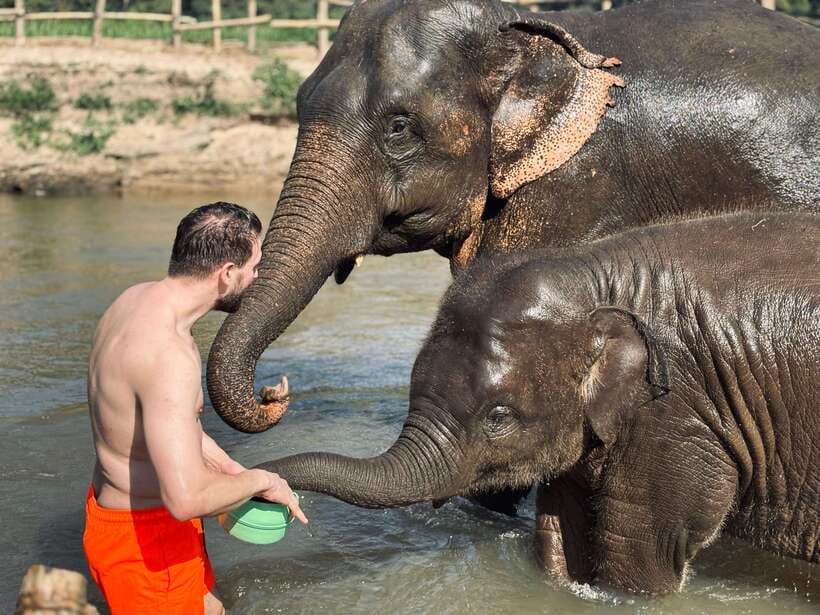
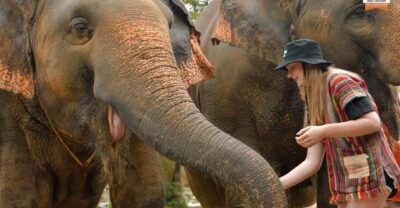
Feeding is the heart of the visit. The staff provide fruit for the elephants, and you offer bananas, sugarcane, and Napier grass under supervision. Elephants eat a great deal, so the activity moves at a lively pace. You may find yourself switching between animals and stations rather than spending a long quiet hour with one elephant.
This is a good way to notice differences in temperament. Some elephants may reach eagerly for food, while others take their time. The staff know the animals and can explain who is elderly, who belongs to a family group, and which foods suit different needs.
You also learn how to prepare herbal treats and special food. One activity involves making vitamin balls for an elderly elephant. It sounds modest, but it shows the less glamorous side of sanctuary work. Care is not only bathing and photographs. It includes diet, health, age, and daily routines.
The feeding stations also give you repeated chances for photographs. You can take a photo with the elephants, but keep your camera or phone secure and follow the staff’s instructions. A charged smartphone is useful, and a camera is listed as something to bring.
Same coastline, a completely different day out:
- Half-Day Thai Cooking Class at Organic Farm in Chiang Mai
★ 5.0 · 19,087 reviews - Chiang Mai: Doi Inthanon National Park Eco-Friendly Tour
★ 4.6 · 6,667 reviews - Chiang Mai: Chiang Rai Temples, Karen Tribe and Hot Springs
★ 4.7 · 5,401 reviews - Chiang Mai: Cooking Class, Market & Thai Herbs Garden Tour
★ 4.9 · 4,824 reviews
Walking through the forest to the elephants
Between the stations, you walk with the rangers through the natural setting. The route includes a bridge described as wobbly but safe, which adds a little excitement. It is not a polished city attraction, and that is part of the appeal. You are moving through a working rural environment rather than a theme park.
The walk is light for many people, but it is still walking. One person found the half-day tour long and tiring, with a lot of time on foot. Older parents managed the route on another visit, but the program is not suitable for people with mobility impairments or wheelchair users.
Wear comfortable clothing that can get dirty. Closed, practical footwear is sensible, though the provided instructions focus more generally on comfort and beachwear for the water section. Biodegradable sunscreen and insect repellent are important in a forest setting. Avoid strong products that could harm the environment or animals.
The open space is one of the most important features here. The sanctuary is described as giving the elephants more than 60 acres to roam. You may not see every animal at once, and you should not expect a perfectly controlled photo opportunity. That uncertainty is a fair price for a more natural visit.
The river, bathing, and the wettest part of the day
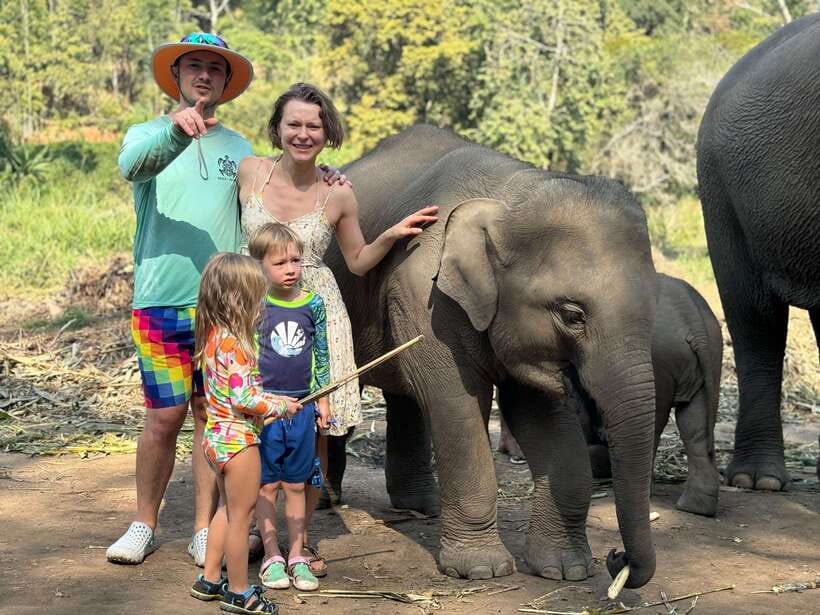
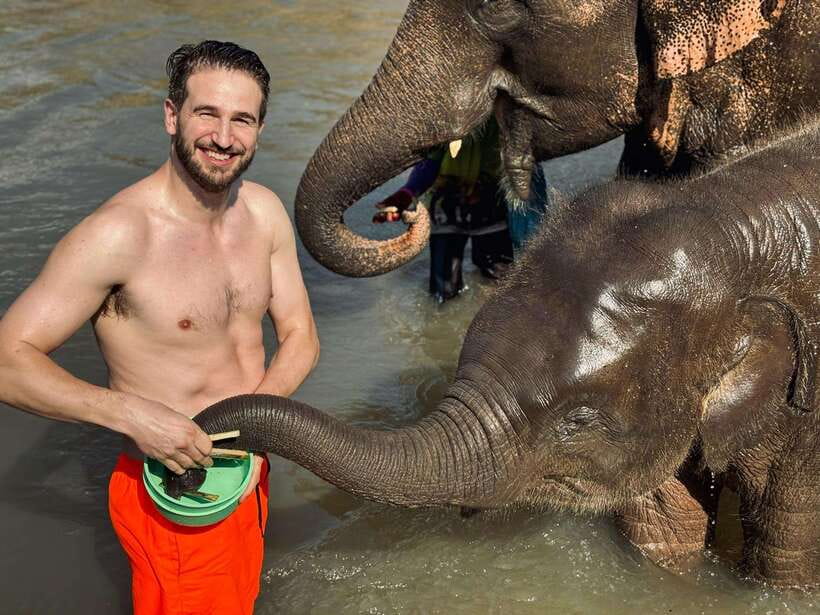
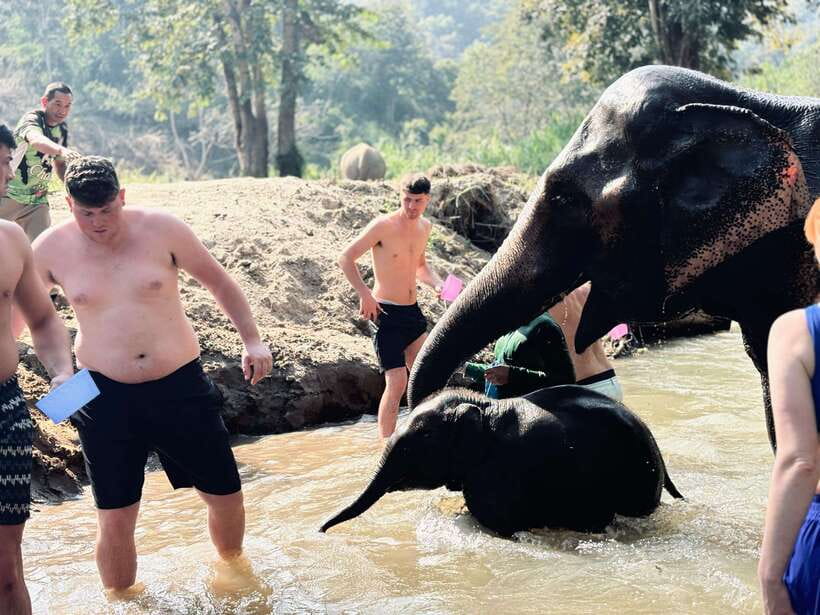
The river visit can be the most playful part of the tour. If the elephants choose to enter, you may help wash them, splash beside them, and get very wet. Bring beachwear and clothes that dry easily. A change of clothes is essential, and you must bring your own towel because one is not included.
The activity is described as swimming and bathing with the elephants, but keep the wording in mind: the elephants decide. On a day when they are interested in the river, you could finish with a cheerful water fight and a close look at the animals enjoying the water. On another day, the river portion may be shorter or changed because of animal choice, weather, or other conditions.
That uncertainty is a positive ethical sign, though it can disappoint someone who booked mainly for a guaranteed bath. I would choose this tour for the feeding and learning first, and treat river time as an extra.
Water also makes the practical side important. Keep passports and electronics protected. The operator asks you to bring a passport, with a copy accepted, and lists cash and a charged smartphone among the useful items. Do not bring sharp objects, weapons, fireworks, explosives, or anything that could create a safety problem.
What the five-hour schedule means for your day
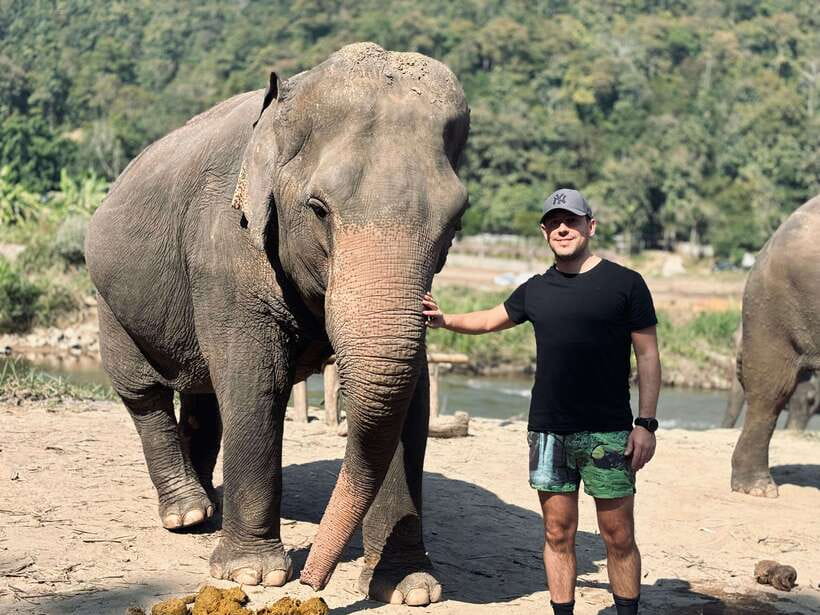
The stated duration is five hours, or 330 minutes. That includes the sanctuary program and, depending on your booking, transport arrangements. Pickup and drop-off are included only if you select that option, so compare the choices carefully.
The half-day format is a real advantage. You get a substantial visit with feeding, walking, explanations, food preparation, and possible river time, yet you can still plan another activity in Chiang Mai. Several people found the half-day long enough, and one chose it specifically because of later commitments.
Still, do not pack the rest of your day too tightly. The rural drive can take time, and departures may run late. Weather or other force majeure events can alter the itinerary. If you have a flight, train, wedding, or paid ticket that afternoon, allow a generous buffer.
Groups appear to vary. One small group had about seven people, while the four stations can bring several groups together. The small-group feel is useful during feeding because you have more room to listen and approach the animals. At busier points, expect less individual attention.
Is $27 good value?
At $27 per person, the tour is inexpensive for a full half-day that combines transport if you choose that option, guiding, insurance, drinking water, elephant fruit, and several activities. You are not paying only for entry. The fee also supports staff, food, local employment, and the care of the elephants.
The value is especially strong if you want an organized rural day without arranging a driver. Clean transport, an English-speaking guide, and a planned sequence of stations remove much of the hassle.
The calculation changes if you already have transport and can reach Pon Elephant Thailand on your own. The no-transfer choice can cost considerably less, with one reported price of 800 baht. In that case, compare the saving with the time and effort of arranging your own route.
For me, the price makes sense if ethical handling and close access are your priorities. It is less suitable if you want a luxury wildlife lodge, a private guide, or a quiet, unstructured visit. This is an active group program with a clear schedule.
Who should book this elephant tour?
I would recommend it to first-time visitors to Chiang Mai who want meaningful elephant contact without a full-day commitment. Families can do well here, and staff have been especially helpful with children. A baby was looked after by the guides during one visit, allowing the parents to focus on the activity, though you should still judge your own child’s needs.
The tour also suits couples, solo visitors, and anyone interested in animal care rather than riding or performances. If you want to understand food, behavior, family groups, and sanctuary work, the explanations add real value.
Think twice if you have back problems, recent surgery, epilepsy, low fitness, insect allergies, animal allergies, or visual impairment. The operator also lists the experience as unsuitable for wheelchair users and people with mobility impairments. The walk, bridge, riverbank, wet clothes, and rural conditions require a reasonable level of comfort.
What to pack and what to leave behind
Pack:
- A change of clothes and a towel
- Beachwear and clothes that can get dirty
- Comfortable clothes
- Biodegradable sunscreen and insect repellent
- A camera or charged smartphone
- Cash
- Your passport or a copy
Keep your belongings simple. Water, mud, and elephant trunks are not kind to unsecured phones. Follow the staff’s feeding rules, and never offer food on your own.
Alcohol, drugs, fishing gear, weapons, sharp objects, fireworks, explosives, and fire-making supplies are forbidden. Party groups, including bachelor and bachelorette groups, are not accepted. The no-riding rule is central to the program.
Should you book Pon Elephant Thailand?
Book this tour if you want close elephant contact built around feeding, learning, and animal choice. The strongest reasons are the caring staff, the large area for the elephants, the varied stations, and the option of a river visit without forcing the animals into the water.
Choose the half-day format if you have limited time, but allow more than five hours around the edges if your schedule is tight. Select hotel pickup if you value ease, or compare the no-transfer price if you are comfortable arranging the rural journey yourself.
I would not book it for a guaranteed bathing show or a completely effortless outing. The elephants may skip the river, the drive is long, and the walking can tire you. For most people who accept those limits, this is a well-priced and thoughtful way to meet Chiang Mai’s elephants while supporting the people who care for them.
FAQ
How long does the Chiang Mai elephant sanctuary tour last?
The activity lasts five hours, listed as 330 minutes. The total day may be longer if you include hotel pickup and drop-off.
Is hotel pickup included?
Hotel pickup and drop-off are included only when you select that option. The meeting point can vary, so check your booking details.
How far is Pon Elephant Thailand from Chiang Mai?
The sanctuary is south of Mae Wang. The journey is described as roughly one to one and a half hours from Chiang Mai, depending on the route and conditions.
Can I bathe or swim with the elephants?
You may be able to join the elephants at the river, help wash them, and get wet. The elephants choose whether to bathe, so this part can change at short notice.
What food can I give the elephants?
The feeding activity includes Napier grass, sugarcane, bananas, and fruit supplied for the elephants. You may also prepare herbal or vitamin treats.
Are elephant rides offered?
No. Riding the elephants is not allowed.
What languages are available?
The tour offers live guiding in English and Thai.
Can I cancel the booking?
You can cancel up to 24 hours in advance for a full refund. A reserve-now, pay-later option is also available.
More Half-Day in Chiang Mai
- Chiang Mai: HALF-DAY COOKING COURSE at a Thai Cooking Farm
★ 4.9 · 705 reviews - Half-Day Elephant Experience at Rantong
★ 5.0 · 625 reviews - Chiang Mai: Elephant Dream Project Sanctuary – Half-Day
★ 4.9 · 552 reviews - Chiang Mai: Sticky Waterfall Half-Day Tour & Hotel Transfers
★ 4.6 · 172 reviews
Just added around Chiang Mai
- Taste of Chiang Mai: Michelin Guide & Street Food Tour★ 4.9 · 159 reviews
- Red, Blue, White Temples & Hot Spring Trip from Chiang Mai★ 4.4 · 143 reviews
- From Chiang Mai: Mae Taeng Valley and Waterfalls Cycle Tour★ 4.9 · 159 reviews
- Long Neck Village, Silver Temple & Chiang Mai Top Sites★ 4.7 · 17 reviews
- Chiang Mai: Local Northern Thai Cooking Class at Grandma’s★ 5.0 · 33 reviews
- Chiang Mai: Khum Khantoke Northern Thai Cuisine and Show★ 4.3 · 38 reviews
- Private : Sticky Waterfall & Secret Temple & Karen Village.★ 5.0 · 9 reviews
- Half-day with CHIANGMAI ELEPHANT CARE program (12pm-6pm.)★ 5.0 · 27 reviews
Elephant Sanctuary Tours, compared.

Elephant Sanctuary, Waterfall & Bamboo Rafting
Read our review →
Elephant Jungle Sanctuary Ethical Feeding Experience
Read our review →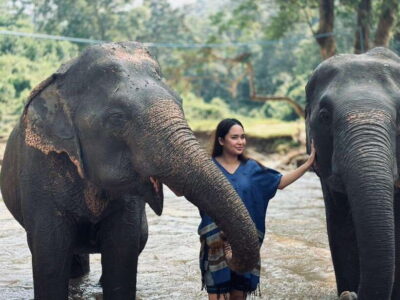
Elephant Sanctuary, Long Neck & Sticky Waterfall
Read our review →
Elephant Sanctuary Guided Tour with Hotel Transfers
Read our review →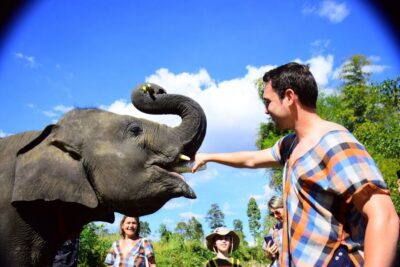

A Morning with the Elephants at Phuket Elephant Sanctuary
Read our review →
Browse the lists this tour appears in