
Review · HALF-DAY
Chiang Mai: Elephant Dream Project Sanctuary – Half-Day
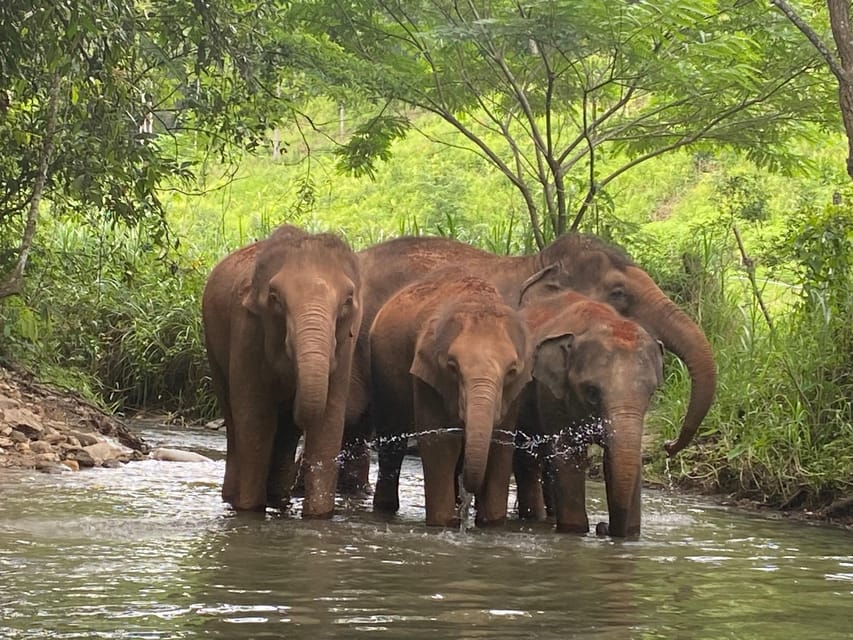
The best part of the Elephant Dream Project is its low-pressure approach. You feed the elephants, walk beside them through the forest, and watch them follow their own routines. There is no riding, no tricks, and no forced bathing or mud spa.
I like the chance to see the elephants in a real mountain setting, rather than on a small stage or paved enclosure. I also like that your visit supports a local, family-run project, where guides such as JJ and Mr Dee speak about the animals as part of village life. The main catch is the timing: despite being sold as a half-day tour lasting four hours, the stated schedule runs roughly from 7:00 AM to 3:00 PM, with nearly three hours of driving.
In This Review
- Key points at a glance
- Why the Elephant Dream Project feels different
- The early pickup and mountain drive
- Meeting the elephants at the sanctuary
- Feeding elephants, one bucket at a time
- Walking uphill through the jungle
- Water, bathing, and the limits of contact
- Thai lunch in the village
- How much value do you get for $51?
- Who should book this elephant visit?
- What to bring for a comfortable morning
- Should you book the Elephant Dream Project?
- FAQ
- How long does the Elephant Dream Project tour take?
- What time is hotel pickup?
- Is hotel transportation included?
- What activities do you do with the elephants?
- Does the tour include elephant riding?
- Can you bathe the elephants?
- Is lunch included?
- What should you bring?
- Is the tour suitable for wheelchair users?
Key points at a glance
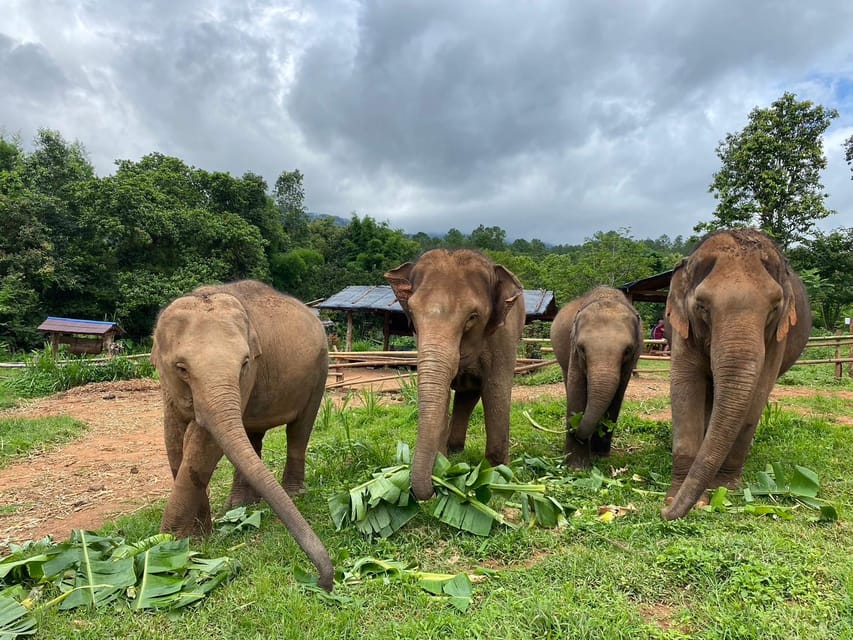
- Elephants set the pace: If an animal wanders away, the group does not force it back for a photo.
- A forest walk, not a performance: You follow the elephants uphill through jungle and toward water.
- Close contact without riding: Feeding is the main hands-on activity, with no riding or bathing included.
- Local care matters: The project is operated by local Karen people, and the elephants are tied to village families.
- Simple food, useful extras: Thai lunch, seasonal fruit, drinking water, feeding food, entry, and hotel transfers are included.
- Bring proper footwear: The forest path can be slippery, steep, and rough underfoot.
Why the Elephant Dream Project feels different
Elephant tourism in northern Thailand can be hard to judge. The word ethical appears on many signs, but it does not always tell you much. The useful question is not simply what a place calls itself. It is how the animals are treated when visitors arrive.
Here, the advertised rule is simple: activities follow the elephants’ comfort and natural behavior. You may feed them and walk with them, but they are not made to perform. If one decides to wander off, drink, bathe, or rest, your group follows at a respectful distance or waits.
That does not make this a wild-elephant encounter. These are elephants accustomed to people, and they are cared for by handlers who know them closely. Some animals come from families that have lived with elephants for generations. One guide, Mr Dee, is described as having grown up with the elephants, while JJ is praised for explaining their individual stories and welfare with warmth and care.
I appreciate that distinction. You are not pretending to see untouched wildlife. You are seeing working and formerly working elephants in a human-managed setting, with an effort to give them more freedom and fewer tourist demands.
A few more Chiang Mai trips to weigh up
- Half-Day Thai Cooking Class at Organic Farm in Chiang Mai
★ 5.0 · 19,087 reviews - Chiang Mai: Elephant Sanctuary Feeding Program Half-Day Tour
★ 4.8 · 4,527 reviews - Chiang Mai: HALF-DAY COOKING COURSE at a Thai Cooking Farm
★ 4.9 · 705 reviews
The early pickup and mountain drive
Pickup is available from hotels in Chiang Mai city between 7:00 and 7:30 AM. You should be in the lobby five minutes early and watch for the Elephant Dream Project vehicle. The transfer is included, as are the return trip and hotel drop-off.
The drive to the sanctuary takes about an hour and 45 minutes according to the schedule, though some descriptions and timing estimates suggest the trip can feel closer to two hours. That is worth considering before you book. This is not a quick city outing. You give up much of the morning to reach a remote mountain area.
Still, the ride is part of the change in mood. Chiang Mai gives way to countryside and mountain roads, then to a quieter village setting. One especially appealing detail is the chance to see more of the area around Chiang Mai rather than spending the entire day near the city.
Transport quality can matter on a long transfer. Recent feedback describes a comfortable nine-seat van, while older comments had raised transport concerns. The current information suggests an improvement, but you should still expect a road journey rather than a short shuttle.
Meeting the elephants at the sanctuary
At about 9:30 AM, a local English-speaking guide gives an introduction to Asian elephants and explains the purpose of the project. This briefing is more than a formality. It sets the rules for getting close without treating the elephants like props.
You will learn how to approach, where to stand, and how to offer food safely. The guides also explain why elephants may be comfortable around people while still needing choice and space. That point is important. An elephant that accepts food is not automatically asking to be touched, hugged, or led into water.
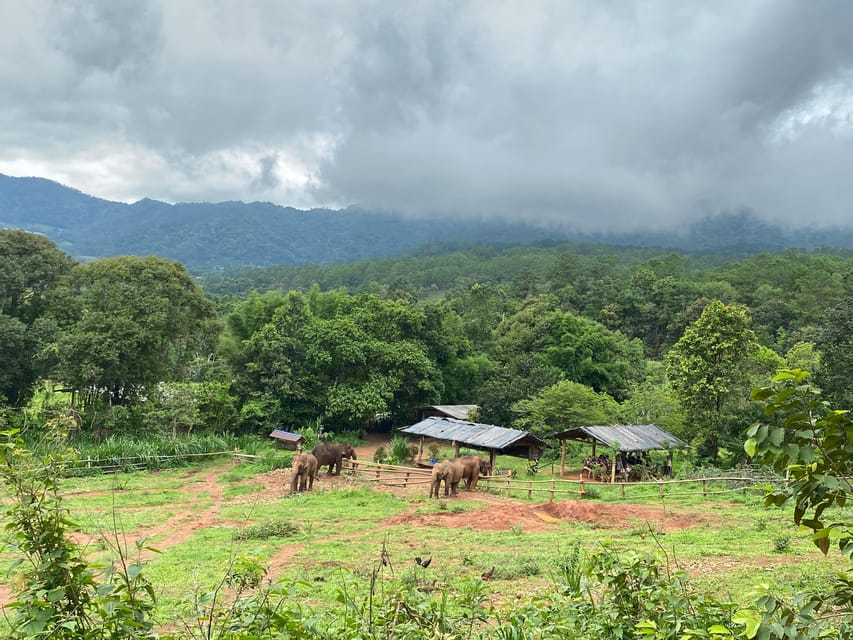
The sanctuary is associated with five elephants, according to the information provided by visitors. The animals are cared for by local people, and the project is trying to build a better home for them. The owner does not own all the land used by the elephants, so income from visits helps pay for food and supports the hope of securing more land in the future.
That gives your $51 a clear purpose beyond admission. You are paying for transport, food, a guide, lunch, and entry, but your visit also helps a small operation feed its animals. The project remains simple rather than polished, which may be exactly what you want. If you expect a large, highly organized park with formal exhibits, this may feel modest.
Feeding elephants, one bucket at a time
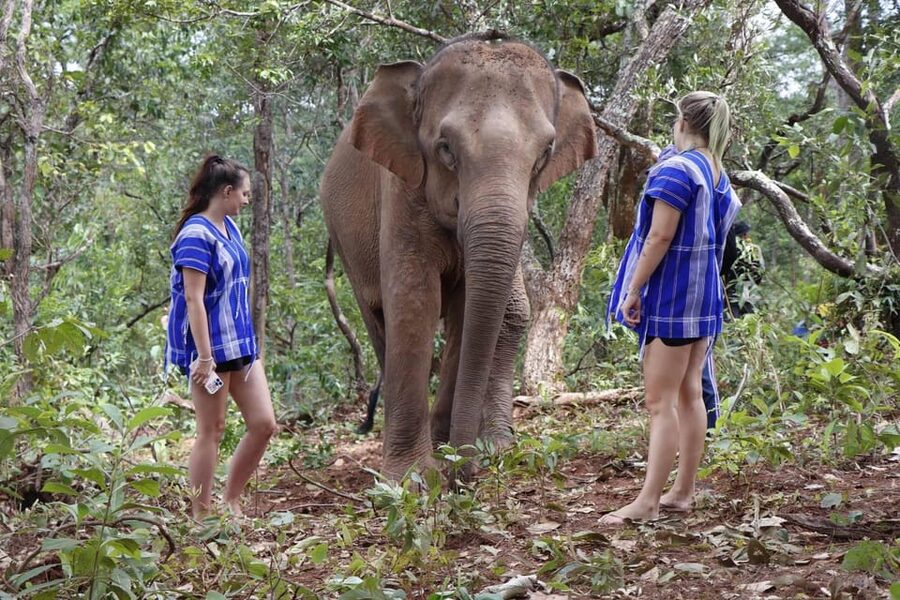
Feeding is the most direct part of the visit. Elephants eat a remarkable amount, so the activity gives you a practical lesson in their size and appetite. Food for feeding is included, along with drinking water for you.
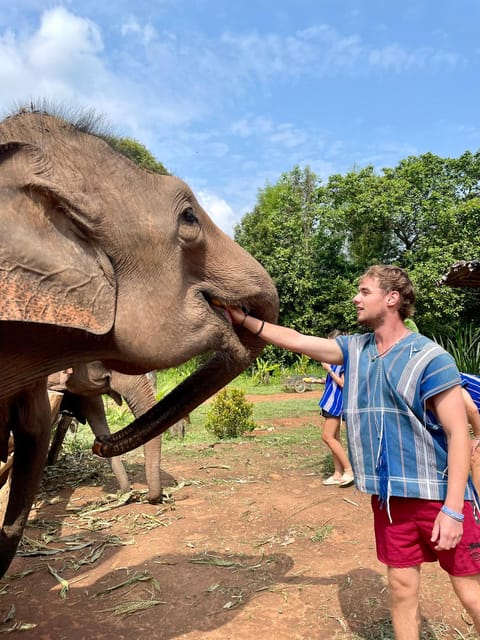
This is also the moment when you get the closest. You may stand near the elephants and offer pieces of food while the guide helps you read their behavior. The experience is personal without needing physical contact. Some accounts describe the interaction as close-up but not hands-on, which is a useful expectation to set.
You may be offered a smock-style cover to help keep your clothes clean. Even so, sunscreen is a good idea, and a change of clothes is sensible. Food, mud, dust, and a large animal’s enthusiastic trunk can make a neat outfit less useful than you planned.
I like this format because it gives you something to do while keeping the focus on ordinary elephant behavior. There are no tricks to watch and no riding platform to climb onto. The reward is seeing how the elephants use their trunks, how they respond to food, and how handlers communicate with animals they know well.
Same coastline, a completely different day out:
- Chiang Mai: Elephant Sanctuary, Waterfall & Bamboo Rafting
★ 4.9 · 9,160 reviews - Chiang Mai: Doi Inthanon National Park Eco-Friendly Tour
★ 4.6 · 6,667 reviews - Chiang Mai: Elephant Sanctuary & Waterfall Group Tour
★ 4.9 · 5,780 reviews - Chiang Mai: Chiang Rai Temples, Karen Tribe and Hot Springs
★ 4.7 · 5,401 reviews
Walking uphill through the jungle
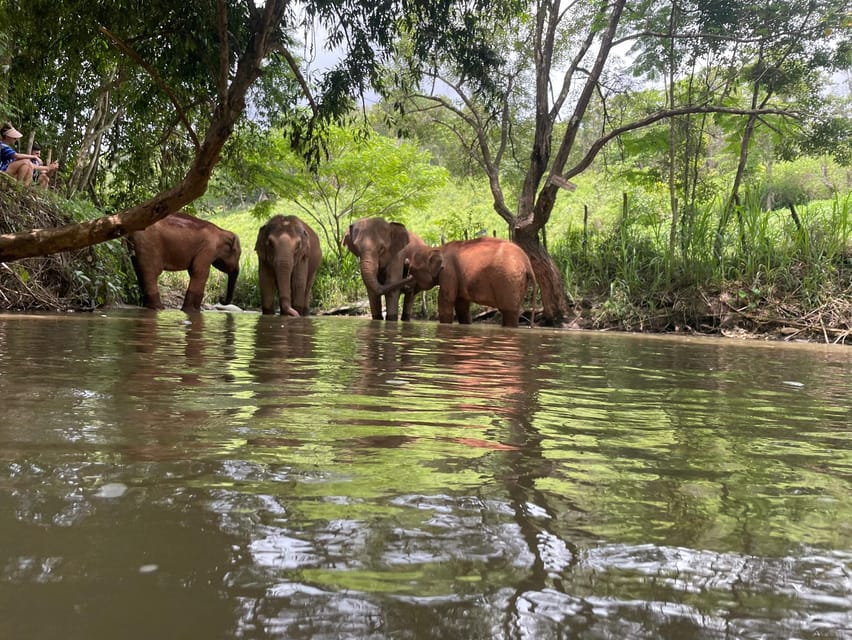
After feeding, you walk with the elephants into the forest. The route can include a short uphill trek on rough ground, and one account specifically recommends shoes with strong traction. This is not a flat, paved stroll.
The walk is valuable because the elephants are not simply lined up for photographs. They move through their surroundings, and you follow along. You might see them browse, pause, drink, or head toward the river. The group’s pace is shaped by the animals, not by a tight performance schedule.
That freedom also means the scene can be less predictable. You may not get every elephant in one perfect photograph. One may wander away, and another may take its time. For me, that is a strength, but anyone seeking constant action should know that this is a quiet nature-based visit.
The forest can be slippery, especially after rain. Wear hiking shoes, not smooth-soled trainers or casual sandals. Insect repellent is also listed as a useful item to bring. A towel and spare clothes make sense if the weather is hot or the path is damp, though the activity does not include bathing the elephants.
Water, bathing, and the limits of contact
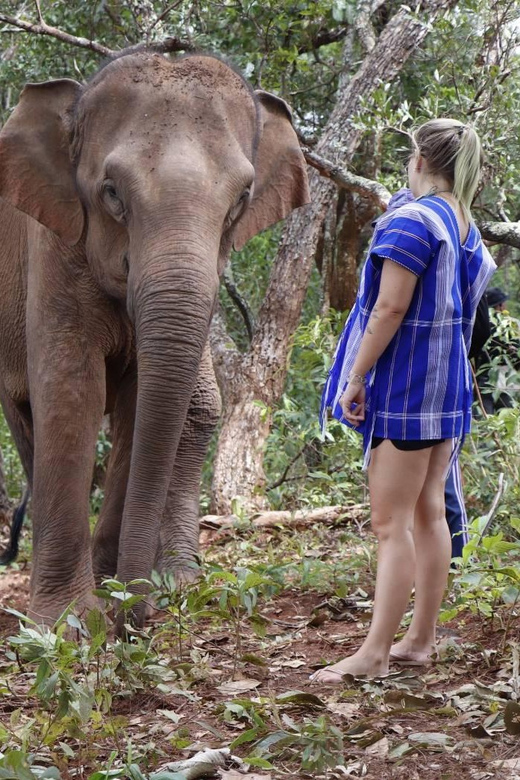
A key feature here is what you do not do. Riding is not included. You are not asked to make the elephants perform tricks. Bathing and mud spa activities are not part of the standard plan.
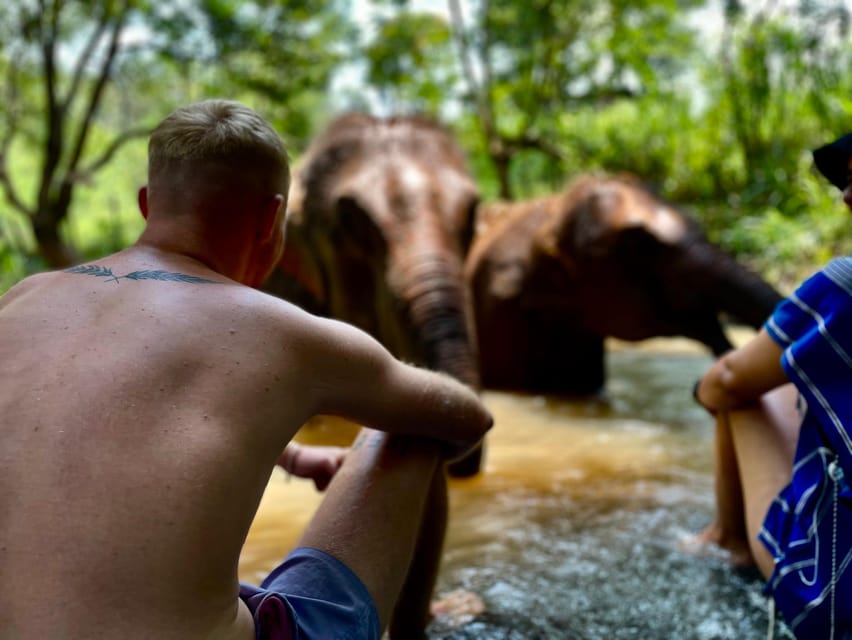
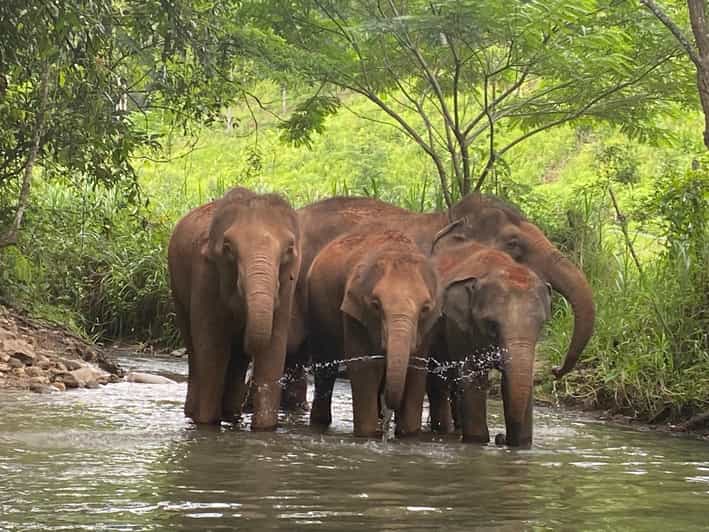
Instead, you may watch the elephants drink or wash themselves near the river. That can be more respectful and more interesting than directing them into the water for a staged session. The animals retain the choice to enter, leave, or ignore the water.
This is where the experience suits people who care about animal welfare but still want a close encounter. You can feed, observe, photograph, and walk beside the elephants without turning their daily routine into a show.
The word ethical should still be treated carefully. Any elephant visit involves human presence, food, and money. These elephants are used to people, and you cannot know every detail of their earlier lives from a half-day visit. What you can assess here is the visible operating approach: no riding, no tricks, no forced participation, and permission for the animals to move away.
Thai lunch in the village
Around noon, you sit down for Thai food and seasonal fruit. Lunch is included, as are water and the food used for feeding. Soft drinks are not included, so bring extra money if you want one.
The meal is more than a convenient break. It gives you time to meet the local people involved in the project and see a little of village life. The operation is described as locally run, with connections to Karen families who have cared for elephants for generations.
Do not expect a resort restaurant or a long menu. This is a simple village-based meal, and that is part of the appeal. Several descriptions call the food filling and delicious, but exact dishes vary by season and day. If you have dietary restrictions, ask the provider in advance because no specific dietary arrangements are given.
Lunch also helps the day feel complete. After a morning of walking and watching the elephants, you have a proper meal before the return drive rather than a rushed snack eaten in the van.
How much value do you get for $51?
At $51 per person, the price is reasonable for Chiang Mai if you value included transport and a small-scale setting. You receive roundtrip hotel transfers within Chiang Mai city, entry, an English-speaking guide, drinking water, elephant food, and lunch with fruit.
The strongest value is the access to a remote area without arranging your own vehicle. Hiring transport to the mountains, finding the project, paying entry, and organizing lunch would take work and might not save much. The guide also adds value by explaining elephant behavior and the project’s local setting.
The tradeoff is time. The sanctuary visit itself appears to occupy about two and a half hours, but the full door-to-door schedule is much longer than four hours. The listed return is around 1:00 PM, with hotel drop-off between 2:30 and 3:00 PM. If you have an afternoon flight, a cooking class, or another fixed booking, leave plenty of room.
The small scale may also mean fewer facilities and less polished presentation. That is not a problem for me if the goal is respectful contact and local support. It might disappoint you if you want a large park with many activities, changing rooms, or a carefully staged photo program.
Who should book this elephant visit?
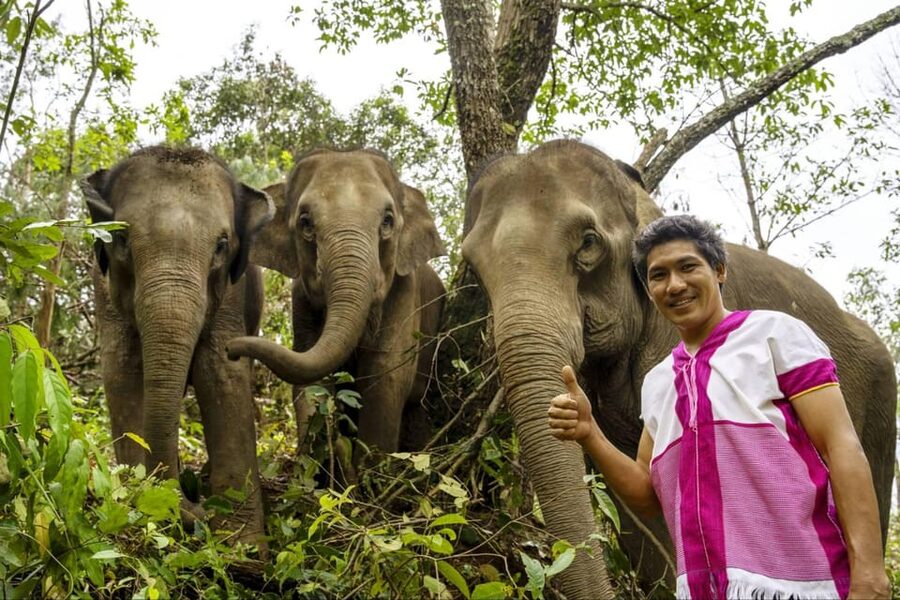
I would choose this for you if your priority is a calm encounter where the elephants are allowed to make choices. It suits adults, couples, families with older children, and anyone willing to walk on uneven forest paths.
It is especially good for people who prefer:
- Feeding and observing instead of riding
- A locally run project over a large commercial park
- A forest setting over a city attraction
- An English-speaking guide who explains elephant care
- A short activity at the sanctuary paired with a longer countryside drive
It is not suitable for wheelchair users, and the provider lists age restrictions for people over 80 and over 95. The route may also be difficult for anyone with limited balance or mobility, even if they do not use a wheelchair.
You should skip it if you need a tightly timed four-hour activity, dislike mountain roads, or want to bathe and touch elephants as part of the program. The point here is not constant physical contact. The point is watching the animals live with fewer demands placed on them.
What to bring for a comfortable morning
Wear hiking shoes with firm grip. The uphill forest route can be slippery, and walking beside elephants is not the place for flimsy footwear.
Pack sunscreen, insect repellent, a towel, and a change of clothes. Lightweight clothing is sensible, but bring something you do not mind getting dusty or marked by food. Water is supplied, though carrying a small personal bottle may still be useful during the walk.
You should also bring a phone or camera, but keep it secondary. The best moments may happen when an elephant turns away from the group, pauses at the river, or wanders through the trees. Those are not always easy to frame, and that is fine.
Cancellation is flexible up to 24 hours before departure for a full refund, and you can reserve now and pay later. Pickup applies to hotels in Chiang Mai city, so confirm your location if you are staying outside the central pickup area.
Should you book the Elephant Dream Project?
Book it if you want a respectful, locally run elephant encounter with feeding, a forest walk, and a simple Thai lunch. The strongest reasons are the no-riding policy, the lack of forced tricks or bathing, and the chance to let the elephants set the pace.
Before booking, adjust your expectations. This is not a four-hour door-to-door outing, despite the half-day label. Plan for a morning departure, a long mountain transfer, uneven ground, and a sanctuary visit built around watching rather than directing the animals.
For $51, the package is good value if you want transport and a guide included. I would make this choice for the animal-centered approach and the local connection, not for polished facilities or a packed schedule.
FAQ
How long does the Elephant Dream Project tour take?
The activity is listed as four hours, but the supplied schedule runs from hotel pickup around 7:00 to 7:30 AM until drop-off around 2:30 to 3:00 PM. The sanctuary portion begins at about 9:30 AM and ends around 1:00 PM.
What time is hotel pickup?
Pickup from hotels in Chiang Mai city is scheduled between 7:00 and 7:30 AM. You should wait in the hotel lobby five minutes before your scheduled pickup and look for the Elephant Dream Project vehicle.
Is hotel transportation included?
Yes. Roundtrip transfer from hotels in Chiang Mai city is included, along with the ride back to your hotel.
What activities do you do with the elephants?
You feed the elephants, walk beside them in the jungle, and learn about Asian elephants and their care from an English-speaking local guide.
Does the tour include elephant riding?
No. Elephant riding is not included.
Can you bathe the elephants?
Bathing the elephants is not listed as an activity. You may watch them drink or wash themselves near the river, but the tour follows their natural behavior and does not force them into activities.
Is lunch included?
Yes. Thai food and seasonal fruit are included, along with drinking water. Soft drinks are not included.
What should you bring?
Bring a change of clothes, a towel, hiking shoes, sunscreen, and insect repellent. Firm traction is useful because the forest path may be slippery.
Is the tour suitable for wheelchair users?
No. The activity is not suitable for wheelchair users. The provider also lists restrictions for people over 80 and over 95 years old.
Just added around Chiang Mai
- Taste of Chiang Mai: Michelin Guide & Street Food Tour★ 4.9 · 159 reviews
- Red, Blue, White Temples & Hot Spring Trip from Chiang Mai★ 4.4 · 143 reviews
- From Chiang Mai: Mae Taeng Valley and Waterfalls Cycle Tour★ 4.9 · 159 reviews
- Long Neck Village, Silver Temple & Chiang Mai Top Sites★ 4.7 · 17 reviews
- Chiang Mai: Local Northern Thai Cooking Class at Grandma’s★ 5.0 · 33 reviews
- Chiang Mai: Khum Khantoke Northern Thai Cuisine and Show★ 4.3 · 38 reviews
- Private : Sticky Waterfall & Secret Temple & Karen Village.★ 5.0 · 9 reviews
- Half-day with CHIANGMAI ELEPHANT CARE program (12pm-6pm.)★ 5.0 · 27 reviews
Half-Day, compared.
Half-Day Thai Cooking Class at Organic Farm in Chiang Mai
Read our review →
Elephant Sanctuary Feeding Program Half-Day Tour
Read our review →
Half-Day Railway Market and Floating Market Tour in Thailand
Read our review →
Tingly Thai Cooking School Half-Day Cooking Class
Read our review →
Half-Day City Highlights and Viewpoints Group Tour
Read our review →
Browse the lists this tour appears in