
Review · THAI COOKING CLASSES
Chiang Mai: HALF-DAY COOKING COURSE at a Thai Cooking Farm
Thai cooking comes alive when you handle the ingredients yourself. This six-hour class begins at a local market, then moves to The Rice Barn Thai Cooking Farm, where you prepare several classic dishes at your own cooking station.
I like the market visit, which gives meaning to unfamiliar herbs, fruits, spices, and coconut products before you start chopping. I also like the generous menu, with four or five dishes to cook and eat. The main consideration is the sheer amount of food. Arrive hungry, and do not plan a big meal afterward.
In This Review
- Key points at a glance
- From Chiang Mai hotel pickup to the local market
- The Rice Barn Thai Cooking Farm setting
- How the hands-on cooking lessons work
- The dishes you may prepare
- Why the market and kitchen belong together
- Food, comfort, and small practical details
- Is $28 good value for six hours?
- Morning or evening: which session fits best?
- Who should book this cooking farm?
- Should you book the Rice Barn Thai Cooking Farm?
- FAQ
- How long does the Chiang Mai cooking class last?
- Is hotel pickup included?
- What language is the class taught in?
- Do I cook the dishes myself?
- Which dishes are included?
- Are ingredients and cooking materials included?
- Can I cancel the booking?
Key points at a glance
- Start with a local market tour: Learn about the Thai ingredients used later in the kitchen, including fresh produce and coconut milk.
- Cook at your own station: The class is genuinely hands-on, with individual stainless-steel work areas and close guidance.
- Prepare several Thai classics: The menu can include pad Thai, tom yum kung, cashew chicken, Panang or green curry, and mango sticky rice.
- Enjoy a rural farm setting: The Rice Barn has an open-air kitchen, surrounding gardens, and a clean, orderly setup.
- Get practical take-home help: Ingredients, cooking materials, and a color recipe e-book are included.
- Pay $28 for a full six hours: With hotel transport, food, instruction, and recipes included, this is strong value for a cooking class.
From Chiang Mai hotel pickup to the local market
Your day begins with pickup at your Chiang Mai hotel in an air-conditioned vehicle. The transport is one of the useful parts of the package. You do not need to find the cooking school on your own, and the trip gives the day a clear start rather than leaving you to assemble separate taxis and activities.
The exact pickup time depends on the morning or evening schedule, so check availability when booking. The class lasts six hours, which is long enough for the market stop, demonstrations, cooking, and a substantial meal without feeling like a rushed one-hour lesson.
The first stop is a local market. This is not just a quick shopping errand. Your English-speaking guide introduces the ingredients that will appear in the recipes, helping you connect the fresh market produce with the food you later cook.
You might see Thai fruits and vegetables you have not used before, along with herbs, curry ingredients, and other staples. One especially interesting detail is the chance to see how coconut milk is made. That small demonstration adds useful context, since coconut milk appears in many Thai dishes and often tastes quite different when freshly prepared.
The market also helps you understand Thai cooking by smell and texture. A recipe can tell you to use curry paste, lime, basil, or chilies, but seeing these ingredients in their everyday setting gives you a better sense of how Thai food is built.
I would pay attention during this part, even if you are eager to reach the kitchen. The market tour is where the cooking class gains its cultural side. It also helps if you plan to shop for Thai ingredients later in your trip or try the recipes at home.
More Thai Cooking Classes in Chiang Mai
- Half-Day Thai Cooking Class at Organic Farm in Chiang Mai
★ 5.0 · 19,087 reviews - Chiang Mai: Cooking Class, Market & Thai Herbs Garden Tour
★ 4.9 · 4,824 reviews - Chiang Mai: Authentic Cooking Class with Market & Farm Visit
★ 4.9 · 4,546 reviews
The Rice Barn Thai Cooking Farm setting
After the market, you continue to The Rice Barn Thai Cooking Farm. The cooking area is set beside gardens and local farmland, with an open-air feel rather than the enclosed atmosphere of a standard city classroom.
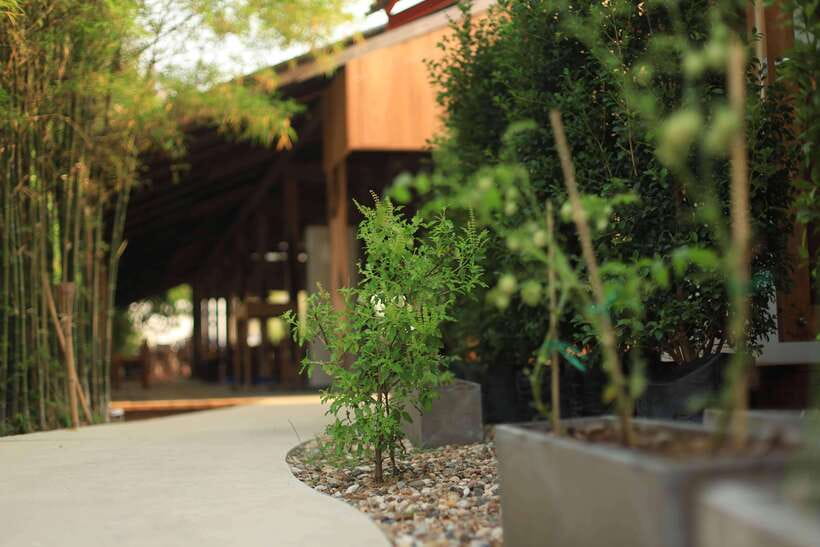
The setting is one of the class’s strongest features. You cook in a clean, professionally arranged space surrounded by plants and gardens, and some produce is grown on the property. The surroundings offer a pleasant break from Chiang Mai’s traffic and city streets.
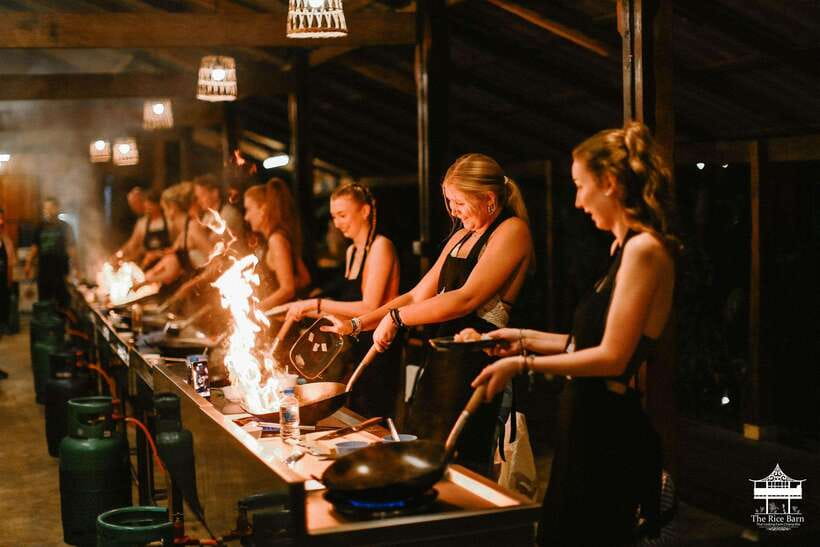
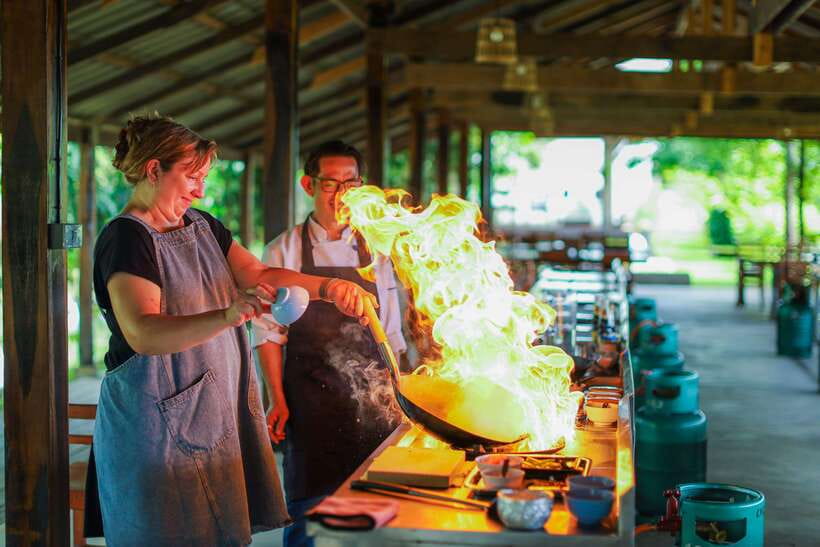
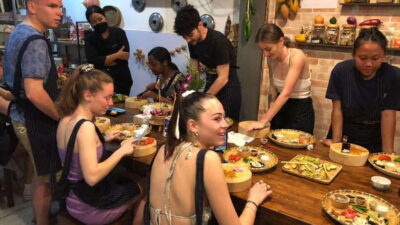
The farm is also practical, not just pretty. The cooking facilities are set up for individual work, and the area is described as clean and orderly. Stainless-steel stations give each person room to prepare food, while the instructor demonstrates nearby.
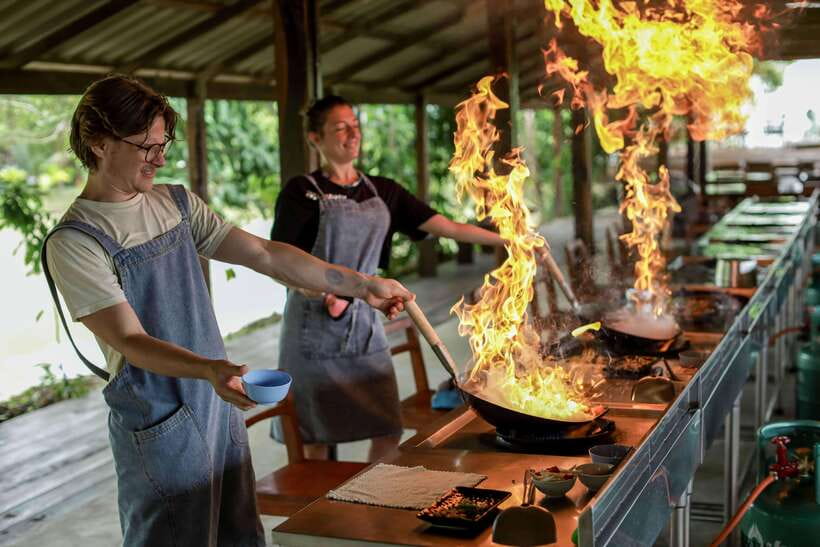
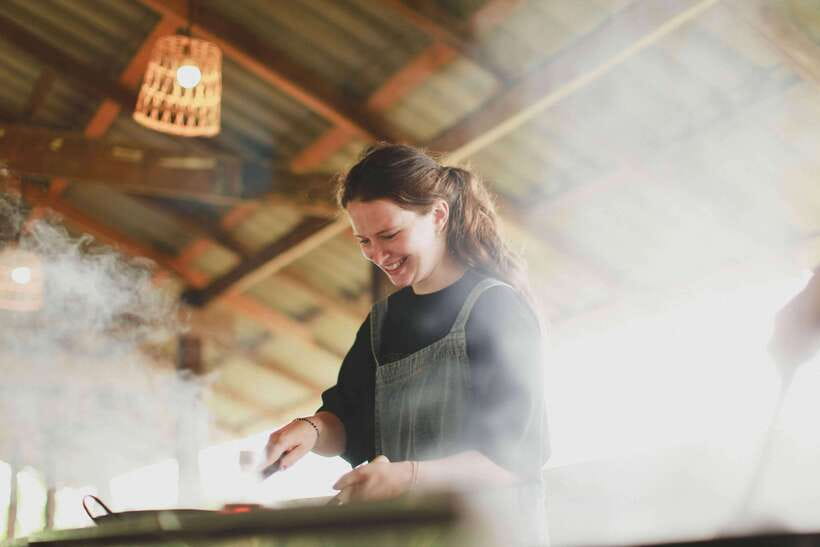
That arrangement matters. In some cooking classes, one person handles the pan while everyone else watches. Here, you take control of your own food. You chop, stir, season, and cook your dishes yourself, with the guide supervising and correcting you when needed.
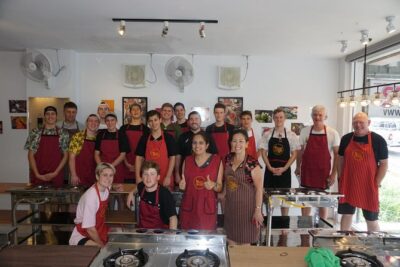
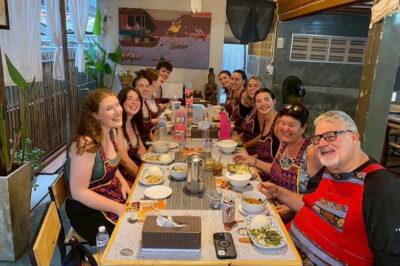
You might have a group of around eight people, though the kitchen can accommodate more. Group size can affect how much direct attention you receive, so this is worth considering if you prefer a very private lesson. The individual stations help keep the class active even when the group is larger.
The open-air design also means you should dress for a warm cooking environment. The supplied information does not specify a dress code, so comfortable clothing suitable for several hours of cooking is the sensible choice.
How the hands-on cooking lessons work
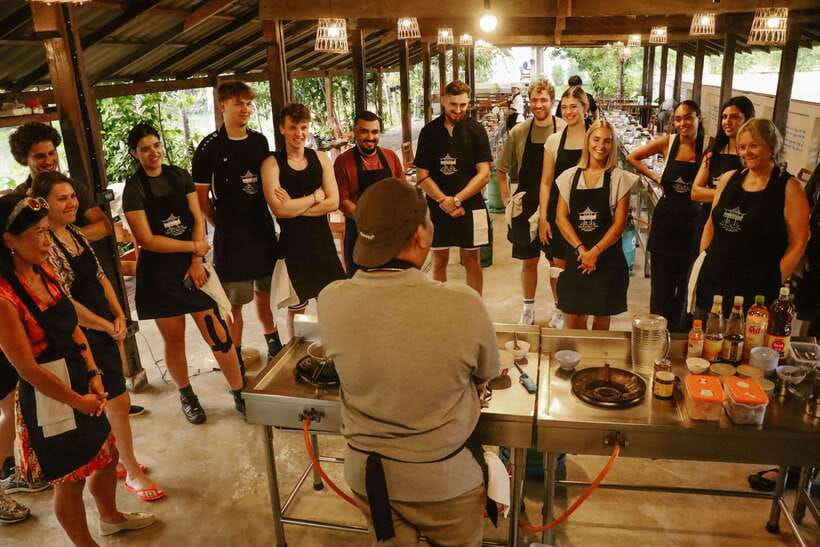
Each dish begins with a demonstration. The instructor explains the recipe, shows the method, and cooks it in front of the class while describing what to do and why it matters.
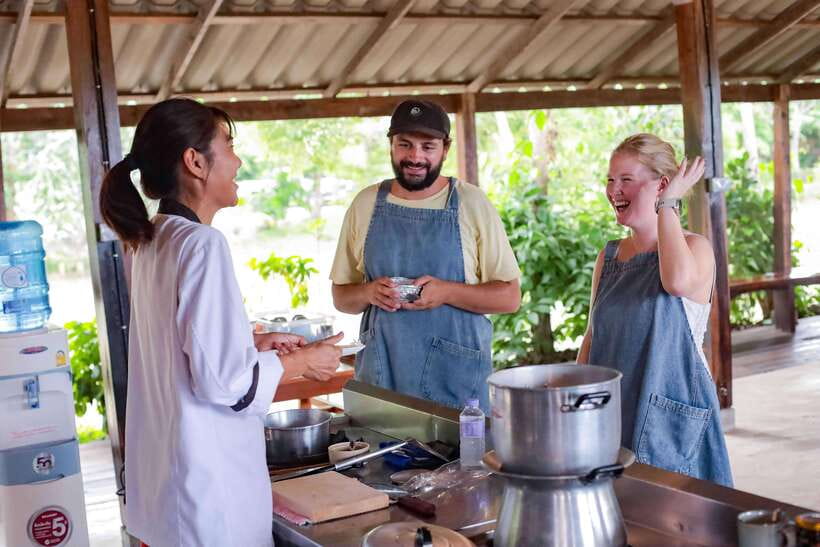
You then return to your own station and repeat the process. Guides such as Oily, Timi, Katie, and Gobby are praised for clear explanations, humor, patience, and close supervision. Different sessions may have different instructors, but the teaching style is consistently built around demonstration followed by practice.
The ingredients are prepared in advance and portioned for each recipe. This keeps the class moving and makes the dishes approachable for beginners. You are not left wondering how much sauce or spice to measure while several burners are going at once.
There is a trade-off here. Pre-measured ingredients make the class easy to follow, but they give you less practice in planning a recipe from scratch. One participant wanted a greater challenge in choosing ingredients and mixing sauces independently. If you already cook Thai food often, you might find the lesson more guided than experimental.
For most people, that is a fair exchange. You can focus on technique, heat, timing, and flavor instead of spending the first hour trying to identify every ingredient. The goal is to give you confidence to repeat the food at home, and this format works well for that.
The instruction is in English. The guides also explain Thai food and culture, so the class is not limited to cooking mechanics. You learn why certain ingredients are used and how the recipes fit into Thai cuisine.
The dishes you may prepare
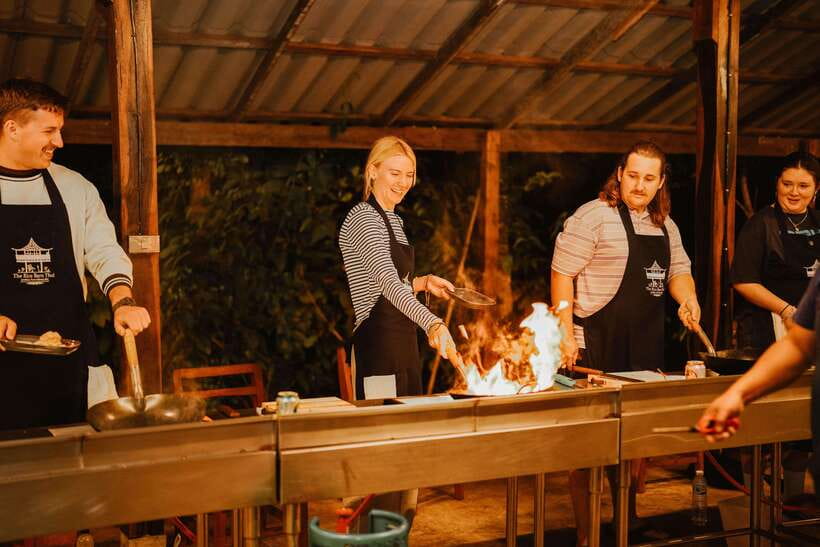
The exact selection can vary, but the class commonly includes four or five dishes. A typical menu includes:
- Tom yum kung
- Pad Thai
- Cashew chicken
- Panang curry or green curry
- Mango sticky rice
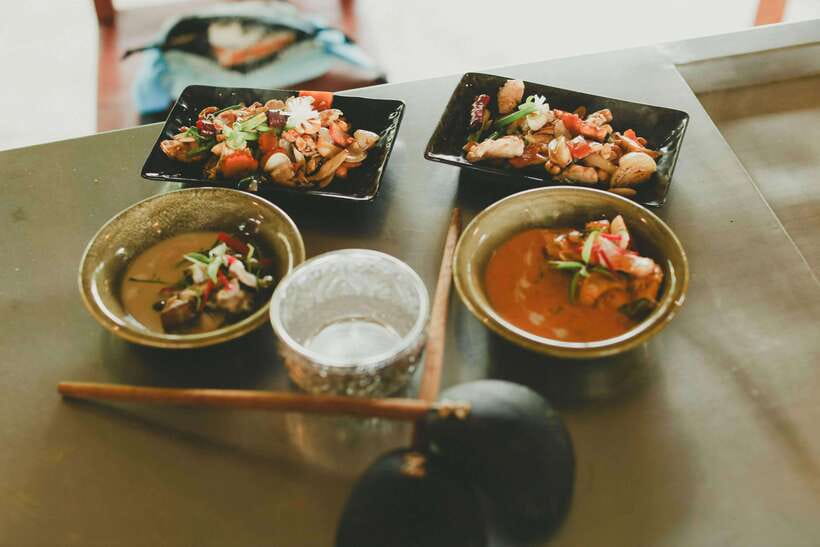
This is a well-chosen menu for a first Thai cooking lesson. It covers soup, noodles, curry, a stir-fry, and dessert. You get a broad sample of Thai cooking rather than five versions of the same dish.
Tom yum kung introduces the hot, sour balance that makes Thai food so distinctive. Pad Thai is familiar to many visitors, but preparing it yourself shows how the noodles, sauce, protein, and garnishes come together.
Cashew chicken can include a dramatic moment at the stove, with flambéing mentioned as a class highlight. That part is closely supervised, but you should still follow the instructor’s directions carefully and avoid treating it as a stunt.
For curry, you may choose between Panang and green curry. The choice is useful because the two dishes offer different flavor profiles, while still teaching you how curry paste and coconut milk work together.
Mango sticky rice provides a sweet finish and helps balance the savory dishes. Sticky rice is prepared as part of the session, sometimes demonstrated in front of the group rather than cooked individually.
The portions are plentiful. You will eat what you prepare, and the menu can leave you very full. This is why I would skip breakfast or keep it light for a morning class, and avoid eating before an afternoon or evening session.
Same coastline, a completely different day out:
- Chiang Mai: Elephant Sanctuary, Waterfall & Bamboo Rafting
★ 4.9 · 9,160 reviews - Chiang Mai: Doi Inthanon National Park Eco-Friendly Tour
★ 4.6 · 6,667 reviews - Chiang Mai: Elephant Sanctuary & Waterfall Group Tour
★ 4.9 · 5,780 reviews - Chiang Mai: Chiang Rai Temples, Karen Tribe and Hot Springs
★ 4.7 · 5,401 reviews
Why the market and kitchen belong together
The market and farm are not separate attractions awkwardly joined together. The first explains the ingredients, and the second shows you how to use them.
At the market, you encounter produce in its raw form. At the farm, you see measured ingredients turn into complete dishes. That progression makes the cooking easier to remember because you have already seen and discussed the components.
This is also more useful than a class that simply hands you a printed recipe. You learn that Thai food depends on balancing flavors rather than following a rigid list of steps. The guides explain ingredients and cooking choices as they work, which gives you a better chance of adjusting the dishes at home.
You should still keep the recipe e-book. It includes the recipes from the class along with additional recipes, so it is more useful than a single-page handout. It gives you a reference after the smells, demonstrations, and shared meal have faded.
The class does not promise to turn you into a professional chef. What it does offer is a practical foundation: you learn the basic sequence, see the correct texture, and build confidence through repetition at your own station.
Food, comfort, and small practical details
The food is the center of the day, but the practical details help. Coffee and tea are included, and cold drinks such as water, soda, or beer may be available at the cooking school for an additional purchase.
The facilities are repeatedly described as very clean, including the cooking areas and toilets. That may sound minor, but several hours around food are much more comfortable when the kitchen is orderly and well maintained.
The farm setting also gives you space to pause between dishes. You are not simply standing in a cramped indoor room. Gardens and farmland surround the cooking area, and you might see local agricultural work nearby.
A photographer may take pictures during the session, with permission, and professional photos may be available to buy afterward. This is not listed as an included part of the price, so treat it as an optional extra rather than part of the core tour.
Dietary needs deserve advance communication. One class handled a gluten-free requirement attentively, but the supplied details do not promise a full range of dietary substitutions. Tell the local partner before the class so the staff can advise you.
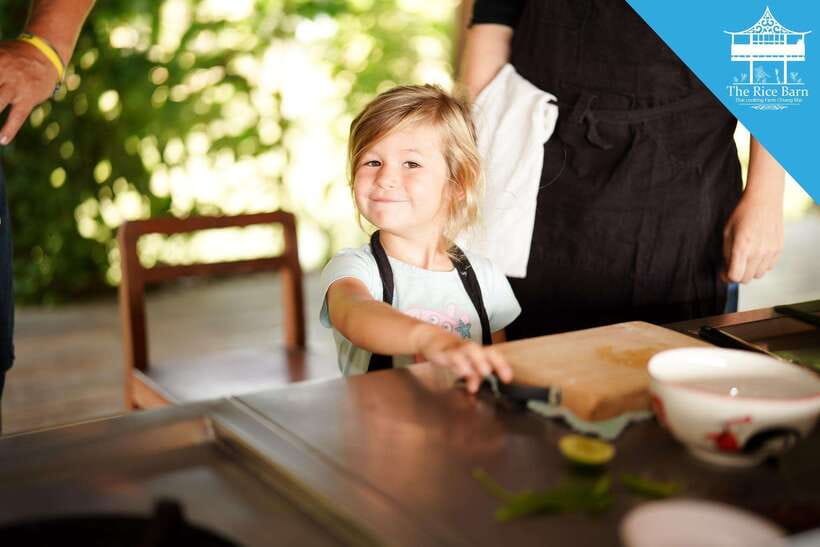
Families can enjoy the class, and one guide was specifically praised for working well with children. Solo participants can also fit in comfortably. The shared format makes it easy to talk with others, while your individual station lets you focus on your own cooking.
Is $28 good value for six hours?
At $28 per person, this is inexpensive for a six-hour activity that includes hotel pickup, air-conditioned transport, market instruction, cooking materials, all ingredients, drinks such as coffee or tea, a full meal, and a color recipe e-book.
The strongest value comes from the amount of active time. You are not paying mostly for a transfer or a demonstration. You spend a substantial part of the day cooking several dishes and then eating them.
The food also replaces a restaurant meal, though I would not calculate the price only that way. The real benefit is learning a set of dishes you can repeat at home. If you cook Thai food even a few times after returning home, the class becomes more valuable than a meal you enjoyed once.
There are limits. The menu is fairly quick and beginner-friendly, and ingredients are portioned in advance. People seeking a long lesson on curry paste preparation, advanced knife work, or recipe development may want a more specialized class.
For a first Thai cooking experience, though, the package is hard to fault at this price. Transport and the market stop add genuine value, while the farm setting makes the day feel like more than a standard kitchen lesson.
Morning or evening: which session fits best?
The activity is offered as a morning or evening cooking course, with starting times shown according to availability. Both formats include the market visit, transport, instruction, cooking, and meal, but your choice should match your eating habits and Chiang Mai plans.
A morning session works well if you want to keep the rest of the day free. It also means you can use the afternoon to explore or shop for ingredients while the market visit is still fresh in your mind.
An evening session can be a good answer after a morning of sightseeing. You finish with dinner, but remember that the class includes a great deal of food. Keep lunch modest if you choose this option.
Hotel pickup and drop-off make either session easier to manage. Communication before the trip has been described as efficient, and transport received a 90 percent perfect score. Still, give yourself flexibility around the start time, since traffic and hotel pickup schedules can affect the day.
Free cancellation is available up to 24 hours before the activity for a full refund. You can also reserve now and pay later, which helps if your Chiang Mai plans are still shifting.
Who should book this cooking farm?
I would recommend this class to first-time visitors who want an activity that combines food, local ingredients, and a break from city sightseeing.
It is especially suitable for:
- Couples who want to cook and eat together
- Families looking for an active, food-focused outing
- Solo participants who enjoy a social group activity
- Beginners who want clear instruction
- Home cooks hoping to recreate Thai dishes
- Anyone who prefers doing rather than simply watching
The class may be less suitable if you want a small private lesson, advanced cooking challenges, or a menu built around northern Thai specialties. Khao soi, a Chiang Mai favorite, is not part of the listed menu, and some people may wish for more complex dishes.
The class also favors people who enjoy a full schedule. Six hours is a substantial commitment, and the day includes transport, a market visit, several recipes, and a large meal. If you want a quick activity between temple visits, this is not the right fit.
Should you book the Rice Barn Thai Cooking Farm?
Book it if you want a practical and affordable introduction to Thai food, especially if you value individual cooking stations, a local market stop, and a relaxed farm setting.
I would make this a priority for a first visit to Chiang Mai. The instructors bring energy and humor, but the real strength is the structure: market ingredients first, clear demonstrations next, then your own turn at the stove. You leave with a full stomach and recipes you can actually use.
Skip it only if you dislike group classes, want advanced culinary training, or have your heart set on cooking khao soi. For nearly everyone else, $28 buys six well-organized hours, a generous meal, hotel transport, and a useful taste of Thai food culture.
FAQ
How long does the Chiang Mai cooking class last?
The activity lasts six hours. This includes hotel pickup, the local market visit, the cooking course, and time to eat the dishes you prepare.
Is hotel pickup included?
Yes. Pickup and return transportation from your hotel in Chiang Mai are included in an air-conditioned vehicle.
What language is the class taught in?
The instructor teaches in English.
Do I cook the dishes myself?
Yes. The course is hands-on, and each person uses an individual cooking station. The instructor first demonstrates each recipe, then supervises you as you prepare it.
Which dishes are included?
The menu can include tom yum kung, pad Thai, cashew chicken, Panang curry or green curry, and mango sticky rice. The exact selection may vary.
Are ingredients and cooking materials included?
Yes. All cooking materials and ingredients are included, along with coffee and or tea and a color recipe e-book.
Can I cancel the booking?
You can cancel up to 24 hours in advance for a full refund. The booking also offers a reserve-now-and-pay-later option.
More Half-Day in Chiang Mai
- Chiang Mai: Elephant Sanctuary Feeding Program Half-Day Tour
★ 4.8 · 4,527 reviews - Half-Day Elephant Experience at Rantong
★ 5.0 · 625 reviews - Chiang Mai: Elephant Dream Project Sanctuary – Half-Day
★ 4.9 · 552 reviews - Chiang Mai: Sticky Waterfall Half-Day Tour & Hotel Transfers
★ 4.6 · 172 reviews
More Farms in Chiang Mai
- Chiang Mai: Cooking Class with Organic Farm at Mama Noi
★ 4.9 · 1,151 reviews - Full Day Thai Cooking at Farm (Chiang Mai)
★ 5.0 · 1,127 reviews - Cooking Class with Organic Farm in Chiang Mai at Mama Noi
★ 5.0 · 502 reviews - Evening Cooking Class in Organic Farm with Local Market Tour
★ 5.0 · 394 reviews
Just added around Chiang Mai
- Taste of Chiang Mai: Michelin Guide & Street Food Tour★ 4.9 · 159 reviews
- Red, Blue, White Temples & Hot Spring Trip from Chiang Mai★ 4.4 · 143 reviews
- From Chiang Mai: Mae Taeng Valley and Waterfalls Cycle Tour★ 4.9 · 159 reviews
- Long Neck Village, Silver Temple & Chiang Mai Top Sites★ 4.7 · 17 reviews
- Chiang Mai: Local Northern Thai Cooking Class at Grandma’s★ 5.0 · 33 reviews
- Chiang Mai: Khum Khantoke Northern Thai Cuisine and Show★ 4.3 · 38 reviews
- Private : Sticky Waterfall & Secret Temple & Karen Village.★ 5.0 · 9 reviews
- Half-day with CHIANGMAI ELEPHANT CARE program (12pm-6pm.)★ 5.0 · 27 reviews
Thai Cooking Classes, compared.
Half-Day Thai Cooking Class at Organic Farm in Chiang Mai
Read our review →
Cooking Class, Market & Thai Herbs Garden Tour
Read our review →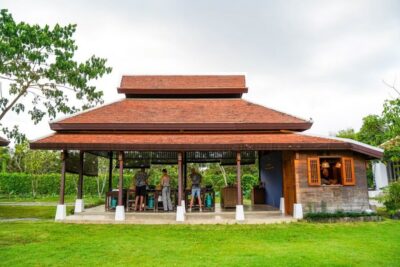
Authentic Cooking Class with Market & Farm Visit
Read our review →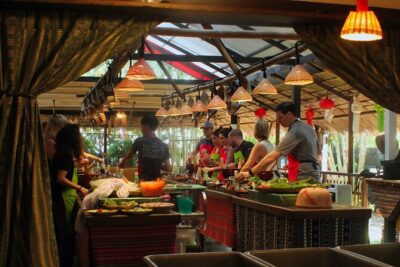
Phuket Thai Cooking Class with Market Tour Option
Read our review →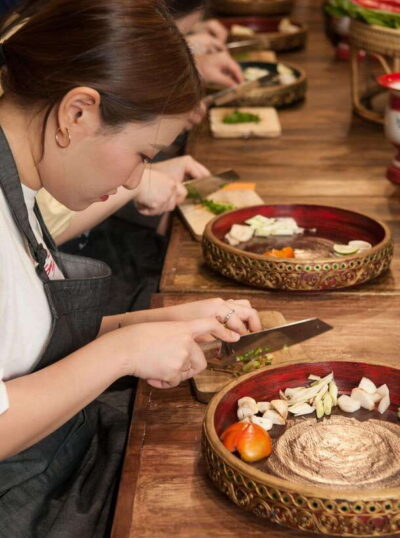
Tingly Thai Cooking School Half-Day Cooking Class
Read our review →Browse the lists this tour appears in