
Review · HIKING & TREKKING
3-Day Chiang Dao Mountain Trek
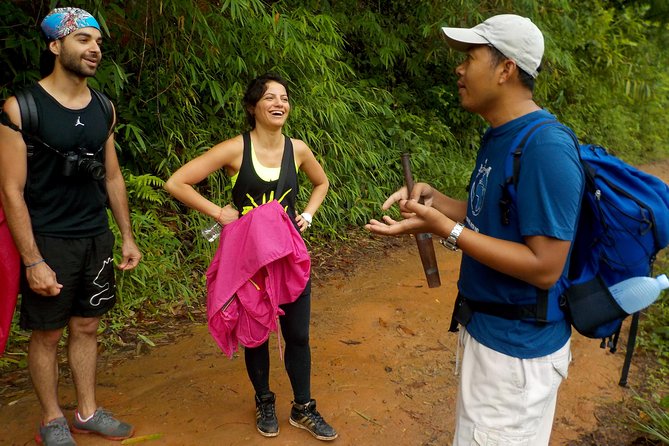
Chiang Dao is where you go for a real northern Thai trek, not a gentle forest stroll. Over three days, you walk through bamboo and jungle, follow mountain ridges, pass farms and hill villages, and sleep in simple homestays. Guides such as Tan and Sap add much more than directions: they identify edible plants, explain local life, and cook the meals.
I like the small-group format, with no more than about 10 people advertised, and I like the way the tour puts local food and village stays at its center. You get a far more personal taste of northern Thailand than a quick roadside stop or a crowded day hike. The trade-off is clear: this is physically demanding, and the second day can run close to nine hours on steep, uneven trails.
In This Review
- Key points to know before you book
- Leaving Chiang Mai for the Chiang Dao highlands
- Day 1: Bamboo, farms, and the first homestay
- Day 2: The demanding ridge and jungle crossing
- Day 3: Down to the Maetang River valley
- What the guides bring to the trek
- Homestays, sleep, and personal comfort
- Is $256 good value?
- Who should book this Chiang Dao trek?
- Practical details before you reserve
- Should you book it?
- FAQ
- Where does the Chiang Dao Mountain Trek start?
- What time does the trek begin?
- How long is the Chiang Dao trek?
- How difficult is the hiking?
- Where do you sleep?
- What meals are included?
- Can vegetarian meals be provided?
- What should I bring?
- Can I cancel for a refund?
Key points to know before you book
- Three days of serious walking: Plan for 5 to 6 hours of hiking, with Day 2 usually the toughest.
- Guides who add real value: Tan and Sap are praised for their plant, wildlife, and cultural knowledge, as well as their cooking.
- Simple village accommodation: Homestays are clean and atmospheric, but village dogs, roosters, and other animals may disturb your sleep.
- A genuinely local setting: The route passes farms, jungle trails, mountain ridges, and hill communities away from the main tourist circuit.
- Food is part of the experience: Breakfast, lunch, and dinner are included for all three days, with meals prepared along the route.
- Pack lightly and prepare well: You carry your own belongings in a pack limited to 45 liters, and suitable hiking shoes are essential.
Leaving Chiang Mai for the Chiang Dao highlands
Your morning begins with pickup in Chiang Mai, generally around 8:30 a.m., with the published meeting time listed as 9 a.m. Pickup is offered from accommodations within the second ring road area. Since the information gives both a pickup time and a meeting-point start time, I would confirm the exact arrangement before departure.
The drive north takes you away from Chiang Mai’s traffic and toward the Chiang Dao area. A stop at a local market gives your guide a chance to introduce the ingredients used for the trip. This is a small but useful start. You begin to understand the food before you eat it, and you see how much of the trip depends on local produce rather than packaged supplies.
From there, the route heads toward the mountains and the first walking section. Day 1 is shorter than the following day, with about four hours of hiking reported for some departures. That makes sense: you still have transport, a market stop, and time to reach the first homestay.
Do not mistake the shorter opening day for an easy tour. You may still climb and descend on rough paths, and you will be carrying your own overnight gear. The point is to get you into the hills without using the first day as a punishing test.
A few more Chiang Mai trips to weigh up
- 3-in-1: Doi Inthanon Tour, Elephant Sanctuary, and Trekking Trail
★ 5.0 · 1,087 reviews - Chiang Mai: Doi Inthanon Trip with Pha Dok Siew Guided Trek
★ 4.6 · 910 reviews - Chiang Mai: Doi Inthanon Park with Kew Mae Pan Hike Day Trip
★ 4.7 · 841 reviews
Day 1: Bamboo, farms, and the first homestay
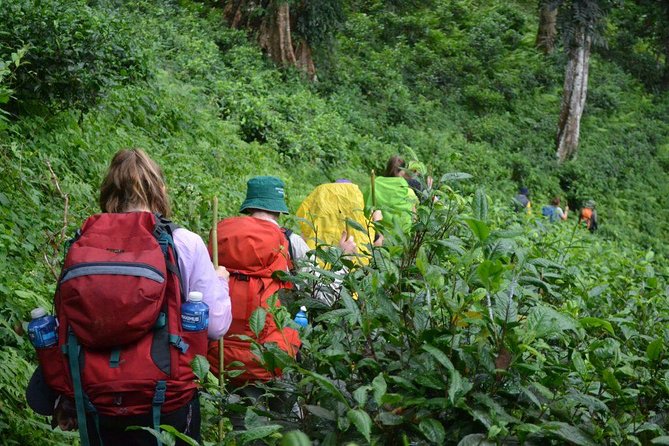
The opening walk leads into the remote Chiang Dao mountain area, where the scenery changes from roads and settled valley land to bamboo groves, forest tracks, and village paths. The route can include farms and working rural areas, giving you a glimpse of how communities use the mountain slopes.
Your guide is especially important here. Tan is known for more than three decades of guiding, while Sap is praised for explaining local plants and letting people taste suitable wild foods along the path. That kind of attention changes the walk. Instead of seeing a wall of green, you begin to notice useful plants, fruit, trees, and signs of animal life.
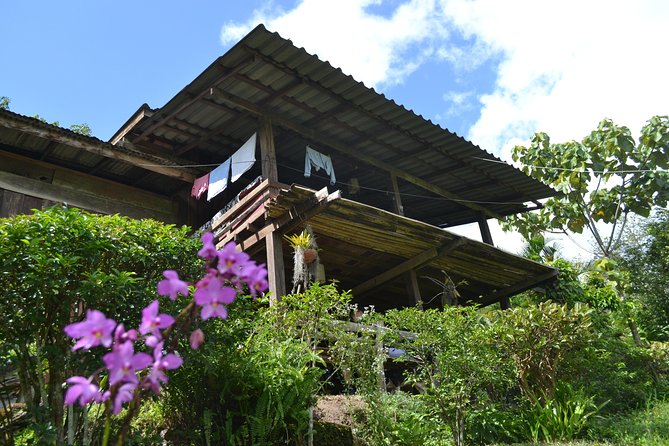
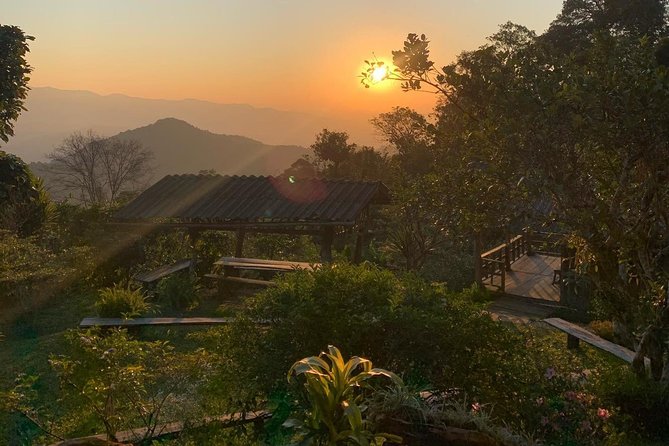
The first overnight stay is often the favorite of the two. It is described as peaceful, clean, and set in a scenic mountain location, with some accommodation offering views of sunrise and sunset. Solar power may provide electricity, but this is still a basic homestay, not a lodge. Expect a local home, simple facilities, and an atmosphere shaped by village life.
A campfire may be prepared, depending on the conditions and arrangements. Dinner is included, and the guide may also be the cook. That arrangement is worth understanding before you book. Your guide is not simply walking ahead with a map. He may be carrying food, preparing meals, managing the pace, and helping with camp tasks.
This is one of the strongest parts of the tour for me. You eat food prepared in the mountains, sleep in a village setting, and spend the evening close to the people and routines of the area. It is less polished than a hotel, but it gives the trek its character.
Day 2: The demanding ridge and jungle crossing
Day 2 is the day to take seriously. The walking can last from five or six hours to nearly nine hours, depending on the route and group pace. You follow ridges, climb and descend through jungle, and cross a network of trails that can be steep, narrow, or overgrown.
The terrain changes constantly. Bamboo forest may give way to denser jungle, then open into a ridge with broader views. At times, the trail may be hard to see. Guides have had to cut through overgrown sections with a knife, so you should expect a route that feels wild rather than groomed.
That is also what makes this day memorable. You are not being moved between prepared viewing platforms. You are walking through the mountains under your own power, with the guide reading the ground and adjusting the group’s progress.
The difficulty is not only the uphill walking. Descending can be hard on your knees, especially after several hours on uneven ground. The route is described as undulating, which means you may gain and lose height repeatedly instead of completing one steady climb.
Your guide should set the pace, but you still need reasonable fitness. The tour asks you to manage 5 to 6 hours of hiking on uneven terrain, and some departures have included a much longer second day. I would not book this trip if your recent activity has been limited to short city walks.
Tan and Sap receive especially strong praise for their calm approach. Tan is described as able to read a mixed group well, including people in their 20s and others in their 60s. Sap is praised for patience, plant knowledge, and a relaxed manner. That matters on a long day. A guide who notices fatigue and explains what you are seeing can make a hard route feel manageable.
Lunch and dinner are included, as are the practical routines that come with a remote trek. You may not know the exact menu in advance, but meals are Thai and prepared locally. Vegetarian food is possible if you arrange it when booking.
The second night is more rustic and often noisier than the first. Dogs, roosters, singing, and other village sounds can carry through the night. Pack earplugs if light sleep is a problem. This is not a defect in the tour so much as an unavoidable part of staying in a working hill village.
Day 3: Down to the Maetang River valley
The final morning starts with breakfast in the mountains. Then you begin the descent toward the Maetang River valley, with about three hours of downhill walking described for this section.
A long descent can feel easier than climbing, but do not underestimate it. Wet or uneven ground, tired legs, and repeated downhill steps can make the final morning demanding. Hiking poles may be useful, though the provided information specifically requires suitable outdoor clothing and hiking boots or running shoes rather than listing equipment supplied.
The scenery changes as you lose height. Mountain forest gives way to the river valley, and the route may stop at a waterfall for a rest. This is a welcome pause after two days of walking. Lunch is served in a quiet riverside setting, giving you time to eat, cool down, and enjoy the change in surroundings.
After lunch, transport takes you back toward Chiang Mai. The activity ends at the meeting point, rather than at your hotel, so plan for that when arranging the rest of your day. The exact return time will depend on the walking pace, road conditions, and the group.
The final day is shorter on foot, but the trip does not feel like three equal hiking days. One part of the value is the rhythm: travel into the mountains, spend a full day crossing the high ground, then walk down to the valley and return by vehicle.
Same coastline, a completely different day out:
- Half-Day Thai Cooking Class at Organic Farm in Chiang Mai
★ 5.0 · 19,087 reviews - Chiang Mai: Elephant Sanctuary, Waterfall & Bamboo Rafting
★ 4.9 · 9,160 reviews - Chiang Mai: Doi Inthanon National Park Eco-Friendly Tour
★ 4.6 · 6,667 reviews - Chiang Mai: Elephant Sanctuary & Waterfall Group Tour
★ 4.9 · 5,780 reviews
What the guides bring to the trek
The guide can make or break a mountain trip, and this experience places a lot of responsibility in that role. Tan and Sap are the names most associated with strong experiences, and both are praised for explaining plants, wildlife, farming, and village life.
You should expect interpretation along the trail, not a nonstop lecture. A guide may stop to point out a plant, offer a taste of something suitable, explain how people use the forest, or talk about the communities you pass. These pauses also give you a chance to catch your breath.
The cooking is another major strength. Guides and support staff prepare Thai meals during the trip, and the included food covers two breakfasts, three lunches, and two dinners. One guide, Tan, is repeatedly praised for his cooking, while other arrangements may include a driver or assistant helping with meals and camp tasks.
Do not expect restaurant service or a fixed menu. You are eating in a remote mountain setting, and the food is part of the local experience. Tell the operator about vegetarian needs at the time of reservation, since this requires advance planning.
The group size also affects the atmosphere. The tour is presented as a small-group trip, with a maximum of 10 people in the main description and up to 12 in the additional information. I would ask for the confirmed group limit when booking. Either way, it is intended to be much smaller than a large coach excursion.
Homestays, sleep, and personal comfort
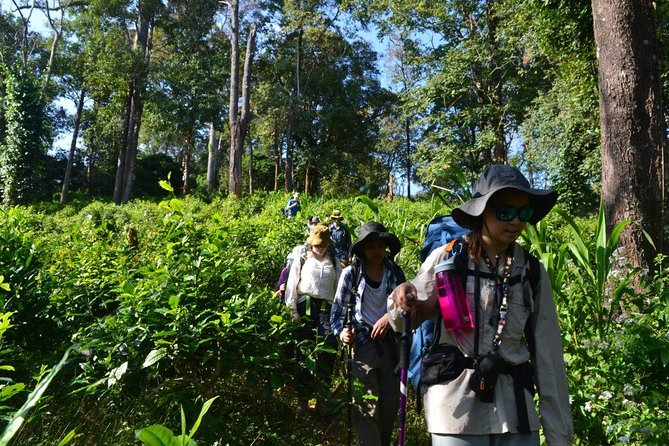
The homestays are basic but generally described as clean and comfortable enough for a short trek. Some may have electricity from solar power, which is useful but does not turn them into modern hotels.
The first night is usually the quieter and more scenic stay. The second may be inside a more active village, where animal sounds begin early and continue late. Dogs and roosters are part of the setting, not unusual disruptions that the operator can easily remove.
Bring earplugs, a small towel, and only what you need. Your personal effects must fit into a 45-liter backpack, and you carry that pack throughout the trek. The lighter you pack, the better your knees, shoulders, and patience will feel on Day 2.
The company provides a seasonal kit list, so use it. Conditions can change with the season, and the right clothing matters more here than on a standard sightseeing tour. Wear hiking boots or sturdy running shoes, bring outdoor clothing, and avoid packing anything you would hate to get dirty.
Is $256 good value?
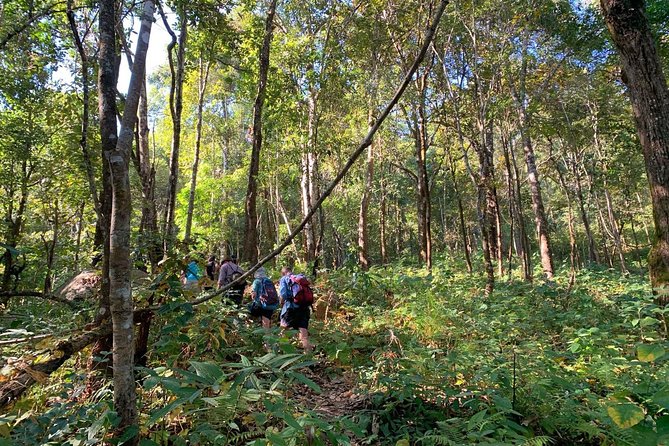
At $256, this is not the cheapest way to see the Chiang Dao area. But you are paying for three days of guiding, round-trip transport from Chiang Mai, two nights of homestay accommodation, and seven included meals.
You are also paying for access to a route that would be difficult to organize independently. A local guide handles the mountain paths, village connections, food preparation, and day-to-day timing. For me, that makes the price reasonable if you want a serious trek rather than a basic nature outing.
The value is strongest for someone who would otherwise need to arrange transport, find a suitable route, locate village accommodation, and carry food. You also get the benefit of a small group and a guide who can explain what you are seeing.
The value is weaker if you want comfort, predictable walking hours, or hotel-quality lodging. You may spend a long day on steep ground, sleep through village noise, and buy your own drinks and personal items. Beverages at the homestays and restaurants are not included.
Who should book this Chiang Dao trek?
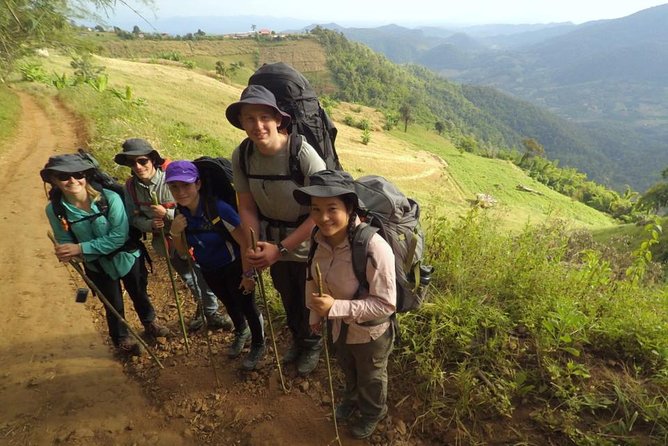
I would recommend it to you if you enjoy walking for several hours, accept basic accommodation, and want contact with rural northern Thailand. It suits people who care more about mountain paths, local meals, and village life than about polished facilities.
You should have a moderate level of physical fitness and be comfortable hiking 5 to 6 hours on uneven, undulating ground. If you have recent experience with long walks and hills, you are in a better position to enjoy the trip. Children under 10 are not suitable for the trek unless they are already used to several hours of hiking.
This is not a good match if you need an exact daily schedule. One departure may have four hours of walking on Day 1, close to nine on Day 2, and only two or three on Day 3. Mountain routes follow the terrain, not the clock.
The trek also suits people who appreciate a guide’s personality. Tan and Sap are praised for their humor, patience, local insight, and ability to care for different fitness levels. If you prefer to walk alone or at your own speed, a group trek may frustrate you.
Practical details before you reserve
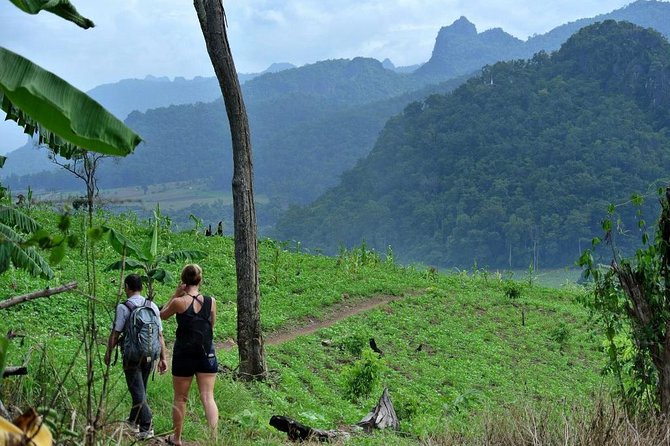
Pickup is offered from Chiang Mai accommodations within the second ring road area, with the published meeting point at Le Dta’ Wan Food Market in Chang Khlan. Since the start time is listed as 9 a.m. but the pickup is described as 8:30 a.m., confirm your exact pickup details in advance.
Confirmation is issued within 48 hours, subject to availability. The trip requires a minimum number of participants, and poor weather can lead to a new date or a full refund. You can cancel for a full refund up to three full days before the local start time. After that point, the amount paid is not refunded, and late changes are not accepted.
The tour has a 4.9 rating from 36 ratings and a 100 percent recommendation figure. Those numbers fit the main pattern of the experience: high satisfaction with the guides, food, scenery, and sense of place, paired with clear warnings about the physical effort and basic overnight stays.
Should you book it?
Book this Chiang Dao trek if you want a demanding, local mountain experience and are happy to trade hotel comfort for jungle paths, home cooking, and village nights. The guides are a major reason to go, especially if you are lucky enough to walk with Tan or Sap.
Skip it if steep trails, long hiking days, noisy homestays, or carrying your own pack sound unpleasant. Before paying, confirm the pickup time, group size, route expectations, and seasonal packing list. If those details suit you, $256 buys three days that feel far removed from Chiang Mai’s city streets.
FAQ
Where does the Chiang Dao Mountain Trek start?
The listed meeting point is Le Dta’ Wan Food Market in Chang Khlan Sub-district, Chiang Mai. Hotel pickup is offered within the second ring road area of Chiang Mai.
What time does the trek begin?
The published start time is 9 a.m. Pickup is described as taking place at about 8:30 a.m., so confirm the exact time for your accommodation before the trip.
How long is the Chiang Dao trek?
The experience lasts approximately three days. Hiking time varies by day, with roughly four hours on the first day, a demanding five to nine hours on the second, and about three hours of descent on the third.
How difficult is the hiking?
You should have moderate physical fitness and be able to hike for 5 to 6 hours on undulating terrain. The second day can be especially demanding, with steep climbs, descents, and jungle trails.
Where do you sleep?
You spend two nights in basic homestay accommodation in mountain and hill village settings. Some accommodation may have electricity from solar power.
What meals are included?
The tour includes two breakfasts, three lunches, and two dinners. Beverages at homestays and restaurants are not included.
Can vegetarian meals be provided?
Yes, but vegetarian meals must be arranged in advance. State this when you make your reservation.
What should I bring?
Your personal belongings must fit into a 45-liter backpack, which you carry during the trek. Wear suitable outdoor clothing and hiking boots or sturdy running shoes. The operator provides a seasonal kit list.
Can I cancel for a refund?
You can receive a full refund if you cancel at least three full days before the local start time. Cancellations or changes made less than three full days before departure are not accepted for a refund.
Just added around Chiang Mai
- Chiang Mai Zipline White Water Rafting and Elephant Sanctuary★ 4.0 · 11 reviews
- Chiang Mai Airport Private Transfer – Hotel or Airport★ 4.5 · 51 reviews
- Zipline Adventure at Skyline Jungle Luge Chiang Mai★ 5.0 · 102 reviews
- Trek to a Jungle Waterfall★ 5.0 · 14 reviews
- Long Neck Village, White & Blue Temple, Black House Day Tour From Chiang Mai★ 4.0 · 14 reviews
- 2 Hours Wow hatcha lanna package – Free transportation★ 5.0 · 31 reviews
- Zipline+Sticky waterfall+Long Neck Village Private Tour★ 5.0 · 22 reviews
- Authentic Thai Cooking Class and Farm Visit in Chiang Mai★ 5.0 · 66 reviews
Hiking & Trekking, compared.

3-in-1: Doi Inthanon Tour, Elephant Sanctuary, and Trekking Trail
Read our review →
Doi Inthanon Park with Kew Mae Pan Hike Day Trip
Read our review →

Doi Inthanon Private Tour with Trek & Lunch from Chiang Mai
Read our review →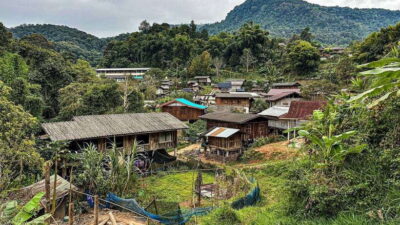
Doi Inthanon National Park and Pha Dok Siew Trek
Read our review →Browse the lists this tour appears in