
Review · HIKING & TREKKING
Chiang Mai Untouched Elephant: Nature Walk & Waterfall Trek
The best part of this Chiang Mai outing is the quiet, ordinary work of caring for elephants. You help prepare food, feed the animals by hand, walk beside them without saddles or chains, and follow them to the river for mud and bathing time. It feels closer to a working mahout’s day than to a staged elephant show.
I like the hands-on care and the fact that the elephants are not forced to perform. I also like the local meal and village setting, where families prepare food and daily life continues around you. The main drawback is the road journey: the sanctuary can take about two hours from Chiang Mai, and transport may involve an open-air truck or a roofed 4×4 on rougher roads.
In This Review
- Key points to know before booking
- Why this elephant day feels different
- The two-hour ride from Chiang Mai
- Meeting the elephants in their village
- Walking without saddles or chains
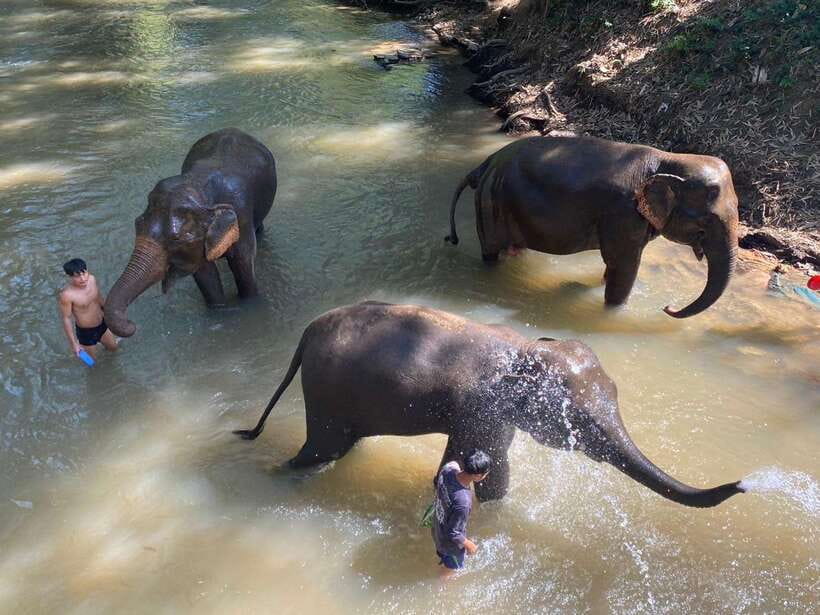
- Mud, river water, and a natural elephant bath
- A home-cooked lunch with local flavor
- Mae Wang Waterfall after the elephants
- Is $51 a fair price?
- Who should book this Chiang Mai experience?
- Small details that make the day easier
- Should you book it?
- FAQ
- Where does this elephant experience take place?
- How long does the tour last?
- Is hotel pickup included?
- Is elephant riding included?
- What activities can I do with the elephants?
- What should I bring?
- Is lunch included?
Key points to know before booking
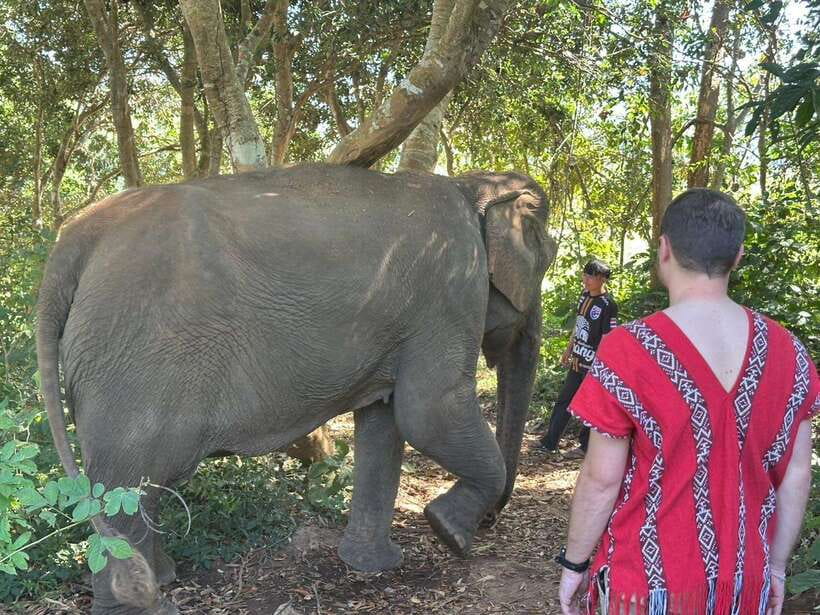
- Rescued elephants with no riding: There are no chains or hooks, and you will not ride the elephants or make them perform.
- The elephants set the pace: Activities can change according to what the animals want to do that day.
- A real village setting: You spend time with local mahouts and eat a home-cooked Thai meal.
- Two very different stops: Elephant care takes about three hours, followed by roughly an hour at Mae Wang Waterfall.
- Transport needs patience: Pickup from Chiang Mai uses a van or open-air truck, then a roofed 4×4 truck may take you to the sanctuary.
- Bring swim gear: Pack a towel, bathing suit, and spare clothes, even though they are not on the official packing list.
Why this elephant day feels different
Many elephant outings around Chiang Mai are built around a neat sequence of photo stops. This one aims for something looser. You arrive at a mahout village, meet elephants that live with local families, and follow the day’s routine instead of moving through a fixed performance.
That distinction matters. The elephants may be hungry, sleepy, playful, muddy, or ready to wander. The exact order of activities depends on them. If you need every minute planned, this can feel slow or uncertain. If you enjoy watching animals behave naturally, that lack of control is part of the appeal.
The experience is described as non-commercialized, but you should keep your expectations sensible. The elephant area and Mae Wang Waterfall can still feel busy at times, especially when several groups arrive together. The hostess and guide can make a big difference here. Jimmy has been singled out for making the day run smoothly, and the staff are generally described as warm and accommodating.
You should also know what this is not. It is not a polished wildlife documentary, a silent forest retreat, or a private elephant encounter guaranteed for your group alone. It is a community-based day with transport, other participants, changing weather, and a working village environment.
A few more Chiang Mai trips to weigh up
- 3-in-1: Doi Inthanon Tour, Elephant Sanctuary, and Trekking Trail
★ 5.0 · 1,087 reviews - Chiang Mai: Doi Inthanon Trip with Pha Dok Siew Guided Trek
★ 4.6 · 910 reviews - Chiang Mai: Doi Inthanon Park with Kew Mae Pan Hike Day Trip
★ 4.7 · 841 reviews
The two-hour ride from Chiang Mai
Pickup is available from hotels in and around Chiang Mai Old Town, with free transfers within about five kilometers of the Old City. You wait in your hotel lobby from ten minutes before the arranged pickup time. If your hotel is farther away, a surcharge applies.
The first vehicle may be a 12-seat air-conditioned van or an open-air pickup truck. Closer to the sanctuary, you can switch to a roofed 4×4 truck for the mountain road. That change is part of reaching a more secluded setting, but it also creates the day’s biggest comfort issue.
Some people have found the older minibus or open pickup uncomfortable, and the transfer can feel longer than expected. If you are older, have back problems, or dislike bumpy road travel, ask about the vehicle arrangement before paying. The official duration is five hours, but one outing lasted closer to seven hours, so do not schedule an important activity immediately afterward.
The drive itself takes you away from central Chiang Mai and into mountain country. You will see rural roads and forested hills, but the important point is practical: the remote setting comes with a transport trade-off. You exchange convenience for a village-based elephant experience.
Meeting the elephants in their village
At the sanctuary care park, you meet the mahouts and the elephants they care for. These animals are rescued, and the stated approach is simple: no chains, no hooks, no riding, and no forced interaction.
That gives you a better way to judge the experience. The goal is not to make an elephant pose on command. You might prepare food, feed an elephant by hand, or stand nearby while it chooses where to go. Watch the mahouts closely. Their calm handling and familiarity with each animal are often more interesting than a scripted talk.
Preparing elephant food is a small task, but it helps you understand the work involved in keeping these animals healthy. Feeding also gives you time to notice differences in personality. One elephant may reach out eagerly, while another may hang back or lose interest. Let the animal decide how close it wants to be.
The rules are important for the elephants and for you. Do not push for a photograph, touch an animal that is moving away, or assume that a calm elephant wants a hug. The best moments here come from patience. Sometimes simply watching an elephant eat, walk, or inspect the ground tells you more than a forced encounter ever could.
Walking without saddles or chains
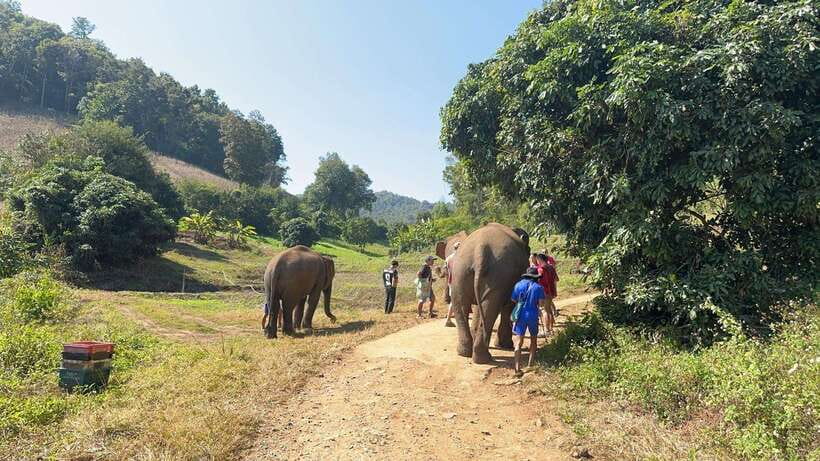
After feeding, you walk with the elephants through the surrounding jungle. There are no saddles, and the elephants are not made to follow a performance route. You are there to observe their movement and behavior in a more natural setting.
This is one of the strongest parts of the day, but it is also where fitness matters. The walk and outdoor activities require a moderate fitness level. Paths may be uneven, and heat, humidity, mud, and insects can make a short walk feel more demanding than the clock suggests.
Wear shoes that can get dirty and stay on your feet. Bring sunscreen, insect repellent, a sun hat, and sunglasses. The supplied packing advice does not mention a towel or change of clothes, but you should bring both because the river and mud activity can leave you wet and muddy.
Do not expect a long, strenuous jungle trek with dramatic viewpoints. The focus is walking alongside the elephants and seeing how they use their surroundings. The pace may be gentle, and the animals may stop often. That is useful if you want time for observation, less so if you are looking for nonstop activity.
Same coastline, a completely different day out:
- Half-Day Thai Cooking Class at Organic Farm in Chiang Mai
★ 5.0 · 19,087 reviews - Chiang Mai: Elephant Sanctuary, Waterfall & Bamboo Rafting
★ 4.9 · 9,160 reviews - Chiang Mai: Doi Inthanon National Park Eco-Friendly Tour
★ 4.6 · 6,667 reviews - Chiang Mai: Elephant Sanctuary & Waterfall Group Tour
★ 4.9 · 5,780 reviews
Mud, river water, and a natural elephant bath
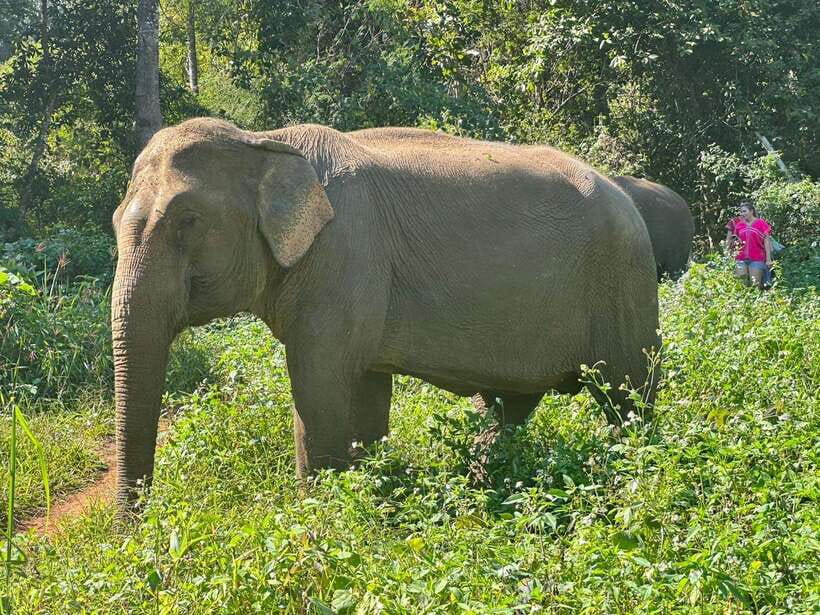
The elephant care continues at a river, where you can join the animals for a mud spa and bath. You may splash water, scrub mud, and help wash them. It is a playful part of the day, but it should still follow the same rule as the rest of the visit: the elephants decide how much contact they want.
This activity is likely to be the most memorable for families, animal lovers, and anyone who wants a physical connection with the work of a mahout. It is also the part most likely to produce muddy clothes and wet footwear. Keep your phone protected and bring a complete change of clothes.
The bathing area is not necessarily private or empty. A later account found the elephant stop more crowded than expected, which is worth keeping in mind if the word untouched makes you picture total solitude. The ethical difference remains important: the elephants are not ridden or forced to perform, but the setting can still have several people in it.
Follow the guide’s instructions and avoid crowding the animals. A respectful bath means helping when invited, then stepping back when the elephants move away. You are not there to control the scene.
A home-cooked lunch with local flavor
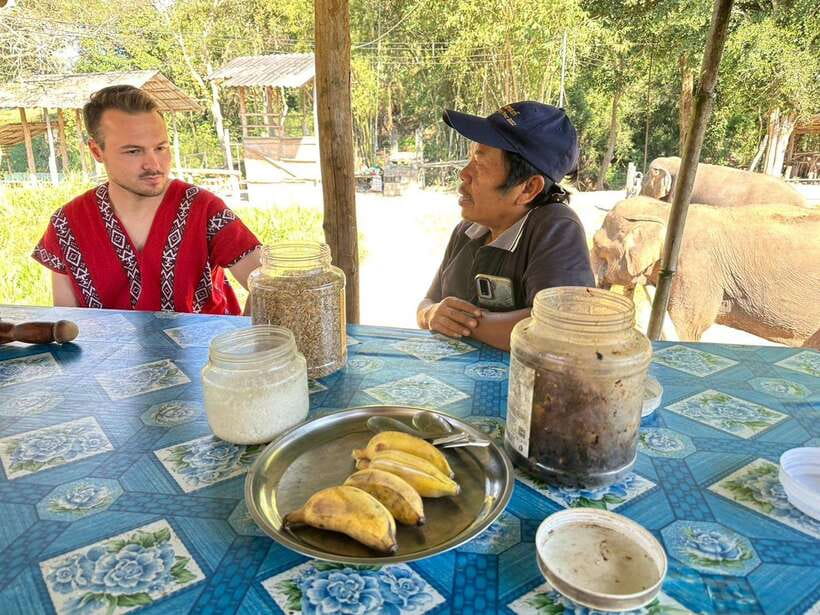
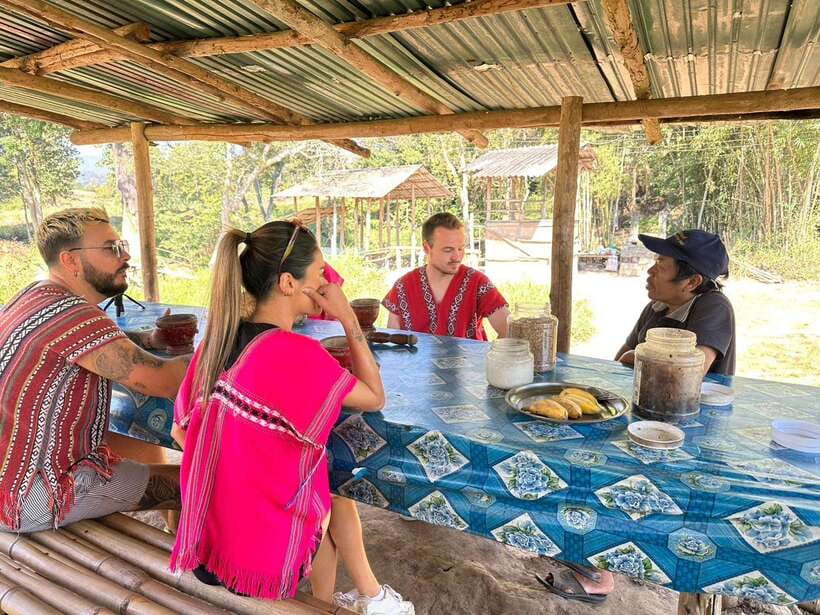
After the morning with the elephants, you return to the village for a complimentary local meal. Families prepare the food with fresh local ingredients, and the meal is one of the simple pleasures of the day.
The food has received especially strong praise, with delicious Thai dishes and generous staff often part of the experience. One minor complaint concerned cold chips, so the meal may not feel like a restaurant service with every item arriving at exactly the right temperature. That is a small trade-off for eating in a local setting rather than at a large tourist facility.
Tell the operator about dietary restrictions in advance. The tour includes drinking water, but I would still carry a refillable bottle if you use more water in hot weather. There is no need to expect elaborate dining. Think of this as a fresh, practical meal that supports the rhythm of the village day.
Lunch also gives you time to slow down. You might help with small daily tasks, relax, or simply sit and watch village life. The afternoon is not packed with staged entertainment. That open space is valuable if you want a look at rural routines, though it can feel under-programmed if you expect constant commentary.
Mae Wang Waterfall after the elephants
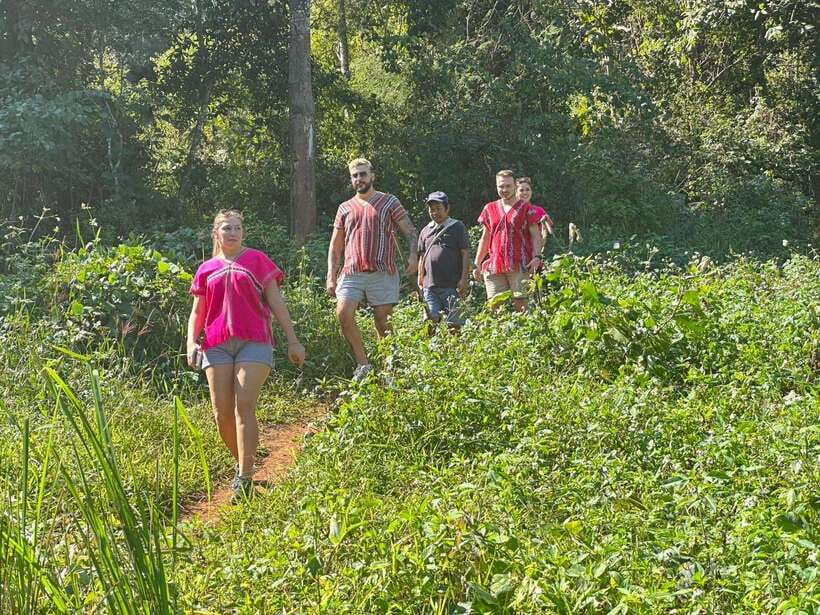
The final major stop is Mae Wang Waterfall, with about an hour for a visit, walking, and free time. It gives the day a second outdoor setting after the elephant portion.
The waterfall is a pleasant place to cool off and stretch your legs, but do not assume you will have it to yourself. It can be crowded, particularly when several groups arrive during the same period. That does not ruin the stop, but it changes the mood from quiet nature outing to popular local attraction.
You should also account for the transition from muddy elephant care to a waterfall visit. A spare outfit and towel are useful here, especially if you took part in the river bath. Ask the guide where to keep wet belongings, as the supplied details do not promise changing facilities.
The waterfall is best treated as a bonus rather than the reason to book. The elephant and village time form the heart of the day. If your main goal is a peaceful waterfall walk, you may want a separate outing with more time at the site.
Is $51 a fair price?
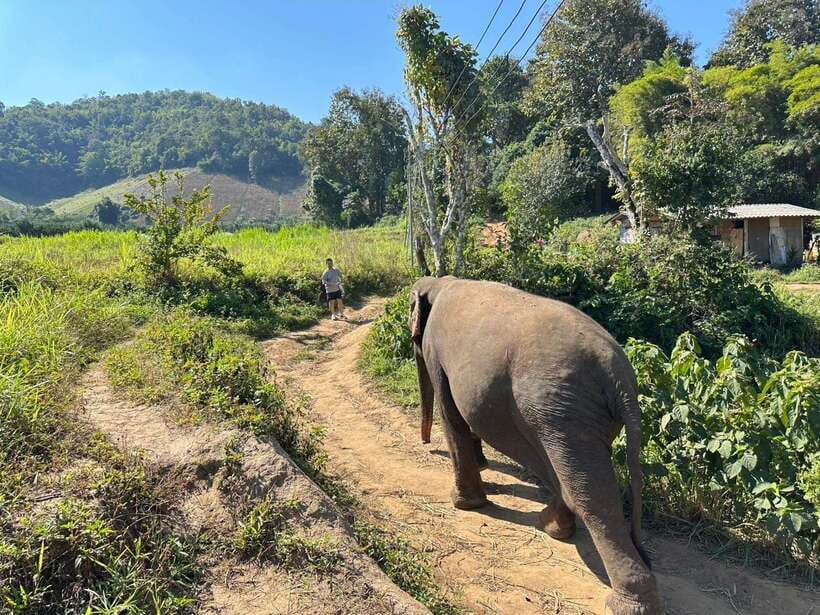
At $51 per person, the value is good if you want transport, a guide, elephant care, lunch, water, and a waterfall stop in one half-day package. The price also helps support a place that cares for rescued elephants and works with local mahout families.
The cost makes less sense if you are mainly paying for a short photo opportunity. You spend a large part of the day getting to and from the village, and the exact elephant activities can change. You are paying for access to a way of life, not a guaranteed checklist of animal interactions.
That distinction protects you from disappointment. The strongest value comes from the combination of ethical handling, local food, and direct participation in daily care. The weakest value comes from the transport time and the possibility of crowds at both the elephant park and waterfall.
A 4.7 rating from 77 bookings suggests a strong overall experience, but the four-star accounts point to clear limits: uncomfortable vehicles, longer-than-advertised timing, and tourism pressure at the supposedly untouched sites. I would still call the price fair, provided you accept those conditions before booking.
Who should book this Chiang Mai experience?
You are a good match if you:
- Care more about animal welfare than staged tricks.
- Want to feed and walk with elephants without riding them.
- Enjoy local meals and village settings.
- Can manage moderate walking and uneven outdoor paths.
- Have patience for flexible timing and changing activities.
- Do not mind a long or occasionally uncomfortable transfer.
- Want a meaningful half-day outside central Chiang Mai.
You may want another option if you need a tightly timed itinerary, private access, luxury transport, or a guaranteed quiet setting. The phrase mahout for a day describes the spirit of the experience, but you will not become a professional elephant keeper in five hours. You will take part in selected daily tasks under local supervision.
Families can enjoy the feeding and bathing, but adults should help children stay calm and respectful around large animals. Older adults should think carefully about the vehicle and road conditions. Anyone with dietary needs should contact the operator before the day begins.
Small details that make the day easier
Wear clothes that can handle mud, water, and dust. Long, lightweight clothing can help with sun and insects, while sturdy footwear is better than sandals for the jungle walk.
Bring a towel, bathing suit, spare clothes, sunscreen, insect repellent, sunglasses, and a hat. Drinking water is included, but keep your belongings compact because vehicle space may be limited.
Keep your schedule open after the tour. The stated duration is five hours, but a seven-hour day has occurred. A flexible afternoon will let you enjoy the experience without watching the clock.
The tour includes an English-speaking guide. Jimmy has been praised for keeping the day cheerful and organized, though the overall format remains less formal than a standard sightseeing tour. Your guide may explain what is happening, but the elephants and mahouts still set the rhythm.
Cancellation is free up to 24 hours before departure, and you can reserve now and pay later. Those policies are useful if your Chiang Mai plans are still shifting, but the more important choice is deciding if you are comfortable with the physical and timing demands.
Should you book it?
Book this experience if you want respectful elephant contact, a local meal, and a genuine look at mahout life more than polished facilities or perfect timing. The feeding, jungle walk, and river bath offer a rare chance to take part without riding or forcing the animals.
Skip it if a two-hour transfer, rough transport, possible crowds, or an open-ended schedule will spoil your day. For the right person, $51 buys more than elephant photos. It buys time with the people who care for them and a better understanding of how that work shapes village life.
FAQ
Where does this elephant experience take place?
It takes place in a secluded elephant sanctuary care park and local mahout village in Chiang Mai Province, followed by Mae Wang Waterfall.
How long does the tour last?
The stated duration is five hours. You should allow extra time because one reported outing lasted about seven hours, including transport and activities.
Is hotel pickup included?
Yes. Pickup and drop-off are included for hotels in and around Chiang Mai Old Town. Free transfers cover accommodation within a five-kilometer radius of the Old City, while locations outside that area may require a surcharge.
Is elephant riding included?
No. There is no elephant riding. The elephants are rescued, and the park does not use chains or hooks or force them to perform.
What activities can I do with the elephants?
You may help prepare food, feed the elephants, walk with them, and join them for a mud bath and river wash. The exact activities depend on what the elephants want to do that day.
What should I bring?
Bring sunglasses, a sun hat, sunscreen, and insect repellent. You should also pack a towel, bathing suit, and change of clothes because the river and mud activities can leave you wet.
Is lunch included?
Yes. A complimentary local meal and drinking water are included. Tell the operator in advance about any dietary restrictions.
Just added around Chiang Mai
- Taste of Chiang Mai: Michelin Guide & Street Food Tour★ 4.9 · 159 reviews
- Red, Blue, White Temples & Hot Spring Trip from Chiang Mai★ 4.4 · 143 reviews
- From Chiang Mai: Mae Taeng Valley and Waterfalls Cycle Tour★ 4.9 · 159 reviews
- Long Neck Village, Silver Temple & Chiang Mai Top Sites★ 4.7 · 17 reviews
- Chiang Mai: Local Northern Thai Cooking Class at Grandma’s★ 5.0 · 33 reviews
- Chiang Mai: Khum Khantoke Northern Thai Cuisine and Show★ 4.3 · 38 reviews
- Private : Sticky Waterfall & Secret Temple & Karen Village.★ 5.0 · 9 reviews
- Meditation Retreat and Self-Care in Nature★ 5.0 · 46 reviews
Hiking & Trekking, compared.
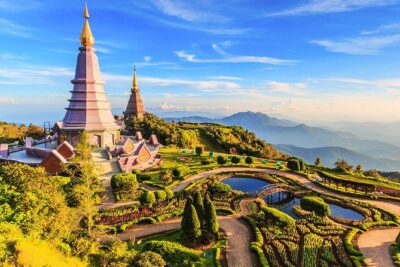
3-in-1: Doi Inthanon Tour, Elephant Sanctuary, and Trekking Trail
Read our review →
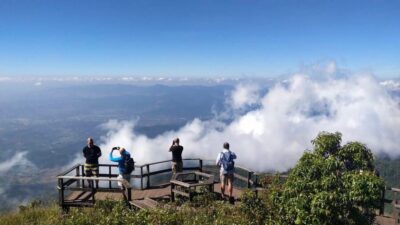
Doi Inthanon Park with Kew Mae Pan Hike Day Trip
Read our review →

Doi Inthanon Private Tour with Trek & Lunch from Chiang Mai
Read our review →
Doi Inthanon National Park and Pha Dok Siew Trek
Read our review →Browse the lists this tour appears in