
Review · ELEPHANT SANCTUARY TOURS
Elephant care program at CHIANGMAI ELEPHANT CARE
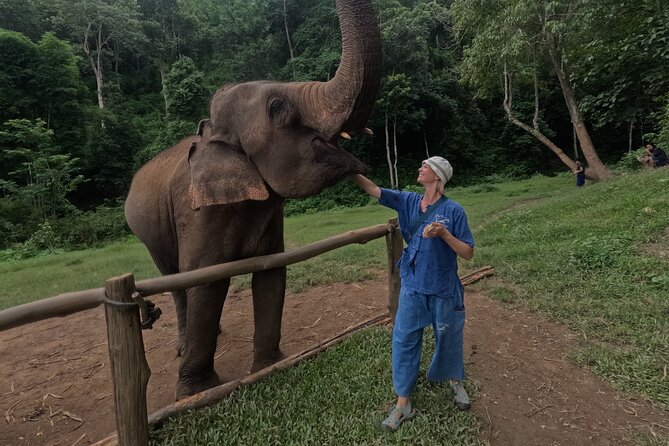
The best part of this Chiang Mai outing is its calm approach to elephant care. You do not ride the elephants or watch them perform tricks. Instead, you help prepare food, feed the animals, and see them walk and socialize at their own pace. I like the small group limit of 12 and the chance to learn about herbal dietary supplements. I also like that the visit includes hotel pickup, a local lunch, and a scenic drive through the countryside.
There is one point to keep clear before booking: bathing is not guaranteed. Some visits include washing or time near the water, while others focus on feeding and observation. If getting into the water with elephants is important to you, contact the operator before you go. The core program is elephant care, not a fixed bathing show.
In This Review
- Key details at a glance
- Why this elephant visit feels different
- The 1.5-hour drive from Chiang Mai
- Changing into the mahout-style uniform
- Preparing food and herbal supplements
- Walking beside elephants instead of riding them
- Bathing and water activities: read the fine print
- Lunch in a rural setting
- Guides and group size
- Is $52 a good value?
- Who should book this experience?
- Booking, weather, and cancellation details
- Should you book it?
- FAQ
- Is elephant riding included?
- How long does the experience last?
- Is hotel pickup included?
- Will I be able to bathe with the elephants?
- What should I bring?
- Is lunch included?
Key details at a glance
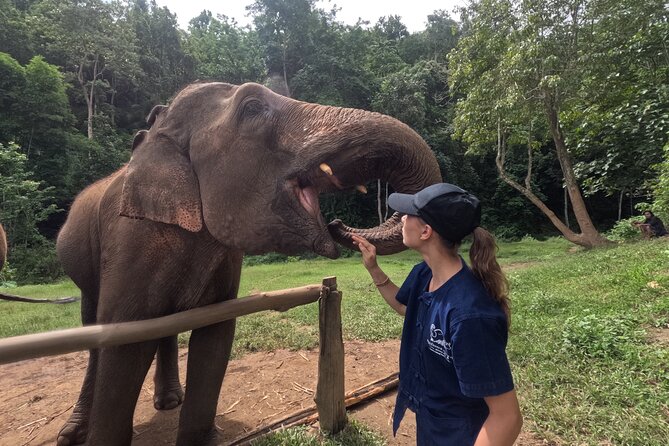
- No elephant riding: The program centers on rescued elephants roaming, feeding, and socializing without being made to perform.
- A small, personal setting: Groups are capped at 12, and the facility may feel quiet rather than crowded.
- Hands-on care tasks: You can prepare traditional organic herbal supplements and feed the elephants.
- Guides make a difference: Ford, Tom, Todd, and Thong are named by the operator as guides who explain elephant welfare and help with the activities.
- A six-hour half-day: Pickup is usually between 8 and 8:30 a.m., with return to Chiang Mai around 2 p.m.
- Come ready for mud and sun: Sunscreen, insect repellent, sandals, a towel, and swimwear are useful, and a uniform is provided on site.
Why this elephant visit feels different
Elephant tourism in Thailand can be confusing. A program may use words such as sanctuary or care facility while still offering rides, shows, or forced bathing. This experience takes a simpler route: no riding, no tricks, and no requirement that an elephant entertain you.
The animals are rescued Asian elephants, and the planned activities let you watch them in a more natural routine. You may see them roam, feed, and socialize. The close contact comes through preparing food and offering it to them, rather than climbing onto their backs.
I especially like the emphasis on observation. You are not promised a dramatic performance every few minutes. An elephant may wander off, ignore the group, or spend time with another elephant. That is a good sign for an ethical visit, even if it requires a little patience.
The facility is not described as a large park. Some visits have included only three elephants and a baby, while other descriptions refer to two female Asian elephants. The number and mix of animals can change, so book this for the quality of the encounter, not for a guarantee of a huge herd.
More Elephant Sanctuary Tours in Chiang Mai
- Chiang Mai: Elephant Sanctuary, Waterfall & Bamboo Rafting
★ 4.9 · 9,160 reviews - Chiang Mai: Elephant Sanctuary & Waterfall Group Tour
★ 4.9 · 5,780 reviews - Chiang Mai: Elephant Sanctuary Feeding Program Half-Day Tour
★ 4.8 · 4,527 reviews
The 1.5-hour drive from Chiang Mai
Pickup takes place in your hotel lobby in Chiang Mai city, usually between 8 and 8:30 a.m. The air-conditioned vehicle then heads through agricultural areas and northern Thai countryside. The drive takes about an hour and a half each way, so transportation is a major part of the day.
That long ride is worth considering. You get a look beyond central Chiang Mai, but this is not a quick activity near the Old City. If you have only one free morning, the six-hour schedule will use most of it. On the other hand, the drive gives the outing a pleasant change of pace from temples, cafés, and city traffic.
Guides may also use the journey to explain local traditions and the work of the facility. Todd has been singled out for making the drive informative and enjoyable, while Tom has been praised for his humor, care, and strong English. Ford and Thong are also named as guides who explain elephant care and the day’s activities.
Pickup and drop-off are included, which makes the price easier to assess. You do not need to arrange a separate taxi or find your way to a rural site. Confirm that your hotel is within the Chiang Mai city pickup area when booking.
Changing into the mahout-style uniform
At the facility, you change into a mahout-style uniform. This serves two practical purposes: it helps protect your own clothing and gives the group a consistent outfit for the care work.
Do not wear your best clothes. The visit can involve mud, water, food preparation, and close contact with large animals. Rubber boots may be available, and one account specifically mentions using them after getting muddy, but you should still bring suitable footwear and spare clothing.
Pack:
- Sunscreen
- Insect repellent
- Swimwear
- Sandals
- A towel
- Clothes that can handle dirt or water
The supplied information lists swimwear, sandals, a towel, and insect repellent under items to bring, even though the main itinerary does not promise a full swim. Pack them as useful options, not as proof that you will bathe with the elephants.
Preparing food and herbal supplements
One of the more interesting parts of the visit is learning about traditional organic herbal dietary supplements. You may help make protein or medicine balls for the elephants before feeding them.
This task gives the encounter some purpose. Instead of simply posing beside an elephant, you learn that feeding is part of basic care. You can see how the staff prepare food and hear why particular ingredients are used. The activity is also a good fit for families, since a nine-year-old was able to enjoy the different tasks.
Feeding is close-up and exciting, but you still need to follow the guide’s instructions. Elephants are powerful, eager eaters. The guides are there to show you where to stand, how to offer food, and how to keep the experience safe for both you and the animals.
Some descriptions mention a baby elephant, including a young elephant called Lucky. That can be a memorable part of the day, especially for children. Still, the presence of a particular baby should not be treated as guaranteed. Animal care programs change with the needs of the elephants.
Same coastline, a completely different day out:
- Half-Day Thai Cooking Class at Organic Farm in Chiang Mai
★ 5.0 · 19,087 reviews - Chiang Mai: Doi Inthanon National Park Eco-Friendly Tour
★ 4.6 · 6,667 reviews - Chiang Mai: Chiang Rai Temples, Karen Tribe and Hot Springs
★ 4.7 · 5,401 reviews - Chiang Mai: Cooking Class, Market & Thai Herbs Garden Tour
★ 4.9 · 4,824 reviews
Walking beside elephants instead of riding them
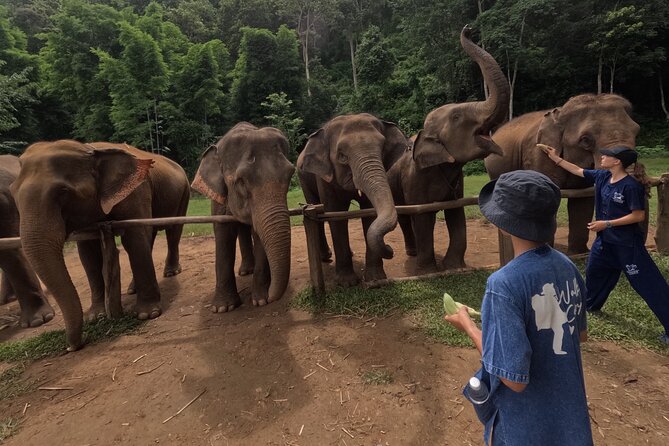
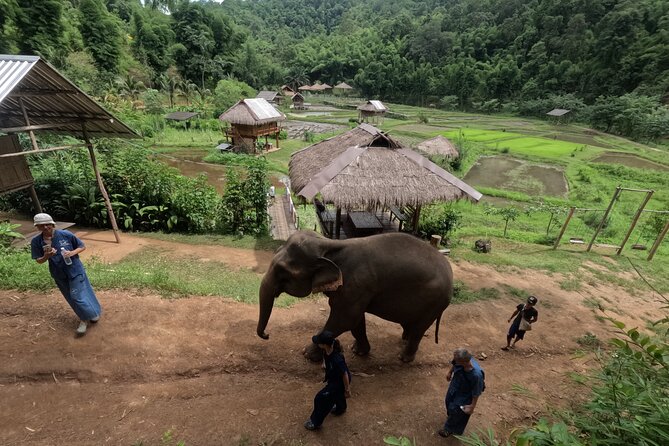
The main activity is walking and observing the elephants as they move through the facility. The aim is to let them act in a way closer to their normal routine. You may see them wander, feed, rest, and socialize.
The word walk can create the wrong picture if you expect a formal trek with an elephant marching beside you. This is better understood as guided observation. The elephants may move at their own speed, and you may stop in one place while they pass through the area.
I like this format because it removes the pressure to create a perfect photo. You are there to watch animal behavior, not to stage a show. Guides can explain what you are seeing and answer questions about elephant care.
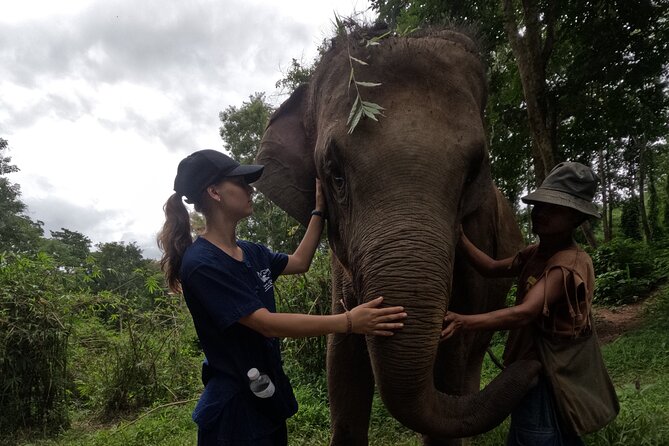
The close contact can still be surprisingly intimate. Feeding and touching are included in the accounts of the experience, but the animals are not meant to be forced into contact. If an elephant walks away, the ethical response is to let it go.
Bathing and water activities: read the fine print
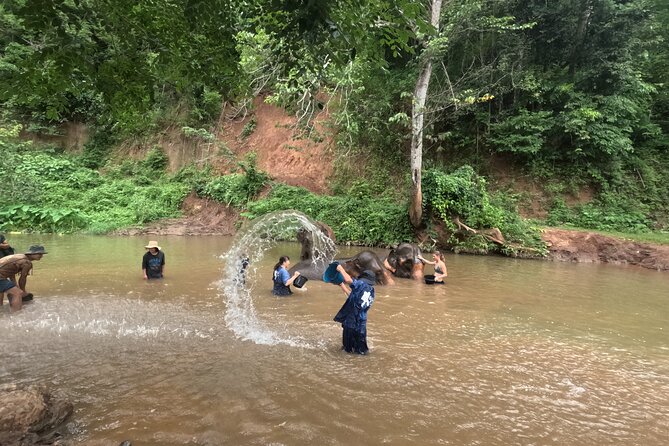
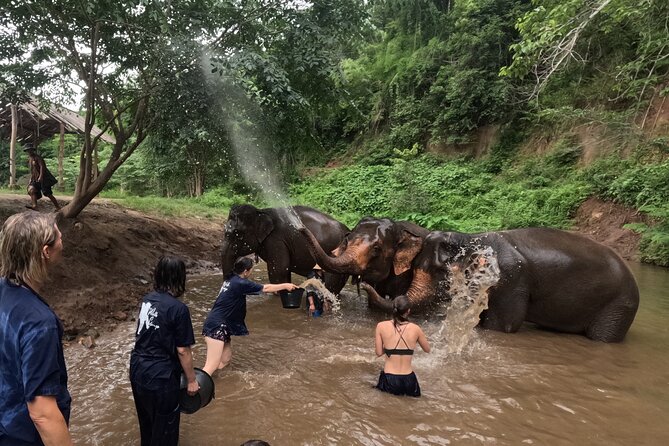
This is the part that needs the clearest warning. The general description says you may see the elephants take baths, and some accounts describe washing them or spending time in the water. Other accounts specifically note that there was no chance to bathe with the elephants.
Conditions can vary by day, animal behavior, weather, and the exact program being offered. One French-language account advises calling ahead because the available activities may not match what you expect. That is sensible advice.
If you hope to get wet, bring the requested swimwear, sandals, and towel. But book this outing for its no-riding approach and care activities. Treat water time as a possible extra rather than the central promise.
This uncertainty is not entirely bad. A program that refuses to force elephants into water for a scheduled photo may be acting in the animals’ interest. It does mean you should match your expectations to the program’s real purpose.
Lunch in a rural setting
Lunch is included, along with bottled water. Pad Thai and fruit have been served, and the meal is described as simple but very good. That is a welcome feature on a morning spent outdoors.
Do not expect a restaurant meal with a long menu. The value is convenience, a local dish, and a chance to sit down before the drive back to Chiang Mai. The meal also keeps the day from feeling like a rushed animal visit squeezed between transportation and sightseeing.
Food allergies and dietary needs are not specified in the supplied details, so ask the operator about them before departure if this matters to you.
Guides and group size
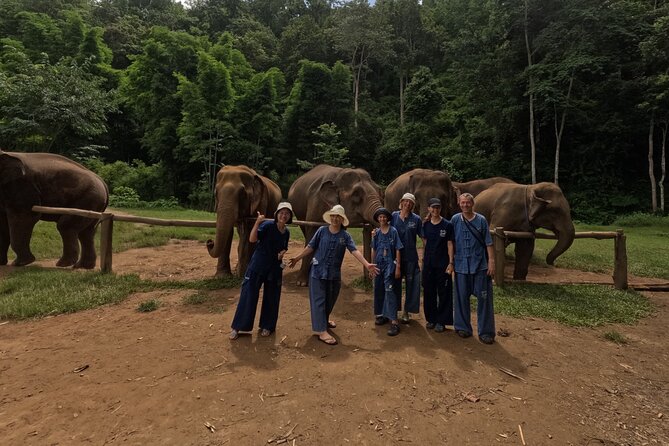
The guide can shape this experience more than any single activity. Ford is described as passionate about elephant welfare and able to explain the care work clearly. Tom has been praised for his excellent English, humor, and attention to the group. Todd has been noted for sharing information during the drive and taking photographs. Thong has also led visits and explained the activities well.
Guide assignments can change, so do not book solely to meet one particular person. The useful point is that the program relies on a guide to interpret elephant behavior and keep the contact controlled.
The maximum group size is 12. That is small enough for questions and closer supervision, though the actual group may be smaller. Some visits have had only one group at the facility, which can make the setting feel quiet and personal.
A small group also helps the elephants. Fewer people mean less noise and less pressure around the animals. It may not provide the scale or variety of a large park, but it supports a slower visit.
Is $52 a good value?
At $52 per person, the price covers hotel pickup and drop-off, an air-conditioned vehicle, lunch, bottled water, insurance, entrance fees, and the six-hour outing. You are also paying for a guide and the staff time involved in the care activities.
That is a fair package for Chiang Mai, especially if you would otherwise need to hire transport to a rural facility. The lunch and included fees remove several small costs that can add up during a day trip.
The value depends on what you want. If you need a large herd, a full-day program, or a guaranteed bathing session, this may feel limited. If you prefer a short, small-group visit with no riding and a focus on feeding and observation, the price makes good sense.
The program has been booked more than 20 times in the past week and carries a five-star rating from 299 reviews, with 100 percent recommending it. Those figures suggest strong demand, but I would still read the description carefully. The key value is humane contact and convenient transport, not a long list of staged activities.
Who should book this experience?
I would recommend it to:
- First-time visitors to Chiang Mai who want to see elephants without riding them
- Families looking for a manageable half-day activity
- People who prefer small groups over large animal parks
- Anyone interested in elephant food, behavior, and daily care
- Visitors who want transport and lunch included
- Photographers who enjoy unhurried animal encounters
It may not suit you if you dislike a long van ride, have difficulty walking outdoors, or need a tightly fixed schedule. A moderate level of physical fitness is required, and mud or wet conditions are possible.
It is also not ideal if your main goal is to bathe with elephants. Ask about the day’s water activities before confirming your booking.
Booking, weather, and cancellation details
You receive confirmation at booking. Free cancellation is available if you cancel at least 24 hours before the local start time. Cancellations made less than 24 hours ahead are not refunded, and late changes are not accepted.
The outing requires good weather. If poor weather causes cancellation, you can choose another date or receive a full refund. The program also requires a minimum number of participants. If that minimum is not reached, you will be offered another date or experience, or a full refund.
Plan to be ready in your hotel lobby around 8 a.m. Since the return is about 2 p.m., avoid scheduling a tight afternoon activity unless you leave plenty of time for traffic and the drive back.
Should you book it?
Book this elephant care program if you want close contact without riding, a small group, a local lunch, and a guide-led lesson in elephant welfare. The feeding, herbal supplement preparation, and quiet observation offer more substance than a quick photo stop.
Go in with realistic expectations. The facility may have only a few elephants, and water activities can vary. For me, that is an acceptable trade if the animals are allowed to move freely and are not pushed into tourist activities. Pack for mud and sun, confirm the bathing details, and this can be one of Chiang Mai’s more thoughtful half-day outings.
FAQ
Is elephant riding included?
No. The program specifically does not include elephant riding. The activities focus on observing, feeding, and caring for rescued elephants.
How long does the experience last?
The experience lasts about six hours. Pickup is usually between 8 and 8:30 a.m., with drop-off in Chiang Mai at around 2 p.m.
Is hotel pickup included?
Yes. Pickup and drop-off from hotels in Chiang Mai city are included.
Will I be able to bathe with the elephants?
Bathing or water time is not guaranteed. Some visits include washing or time in the water, while others focus on feeding and observation. Contact the operator before booking if this is important to you.
What should I bring?
Bring sunscreen, insect repellent, swimwear, sandals, and a towel. You will change into a uniform at the facility, and the visit may be muddy or wet.
Is lunch included?
Yes. Lunch, bottled water, entrance fees, taxes, insurance, and transportation are included in the price. Pad Thai and fruit have been served as part of the meal.
Just added around Chiang Mai
- Taste of Chiang Mai: Michelin Guide & Street Food Tour★ 4.9 · 159 reviews
- Red, Blue, White Temples & Hot Spring Trip from Chiang Mai★ 4.4 · 143 reviews
- From Chiang Mai: Mae Taeng Valley and Waterfalls Cycle Tour★ 4.9 · 159 reviews
- Long Neck Village, Silver Temple & Chiang Mai Top Sites★ 4.7 · 17 reviews
- Chiang Mai: Local Northern Thai Cooking Class at Grandma’s★ 5.0 · 33 reviews
- Chiang Mai: Khum Khantoke Northern Thai Cuisine and Show★ 4.3 · 38 reviews
- Private : Sticky Waterfall & Secret Temple & Karen Village.★ 5.0 · 9 reviews
- Half-day with CHIANGMAI ELEPHANT CARE program (12pm-6pm.)★ 5.0 · 27 reviews
Elephant Sanctuary Tours, compared.
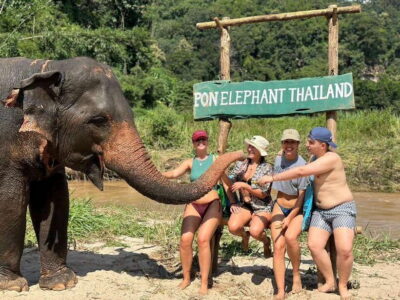
Elephant Sanctuary, Waterfall & Bamboo Rafting
Read our review →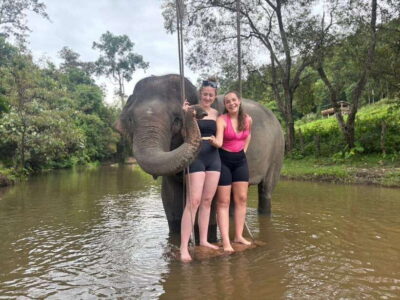
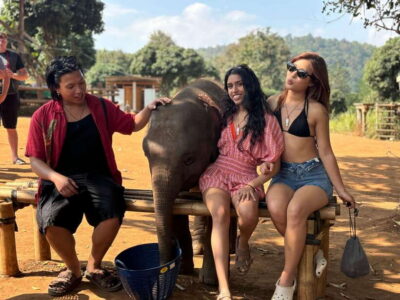
Elephant Sanctuary Feeding Program Half-Day Tour
Read our review →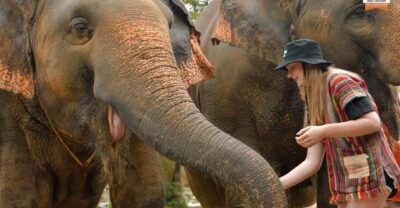
Elephant Jungle Sanctuary Ethical Feeding Experience
Read our review →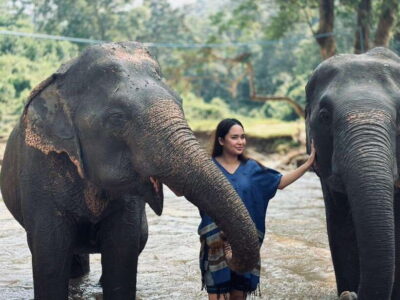
Elephant Sanctuary, Long Neck & Sticky Waterfall
Read our review →
Elephant Sanctuary Guided Tour with Hotel Transfers
Read our review →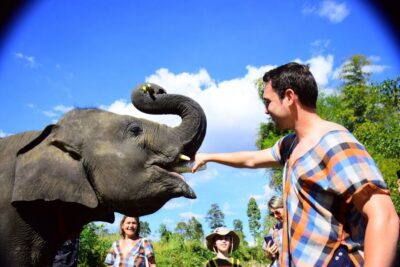

A Morning with the Elephants at Phuket Elephant Sanctuary
Read our review →Browse the lists this tour appears in