
Review · HIKING & TREKKING
From Chiang Mai: Chiang Dao Cave Trekking Full-Day Tour
Chiang Dao Cave and Bua Thong Sticky Waterfall make an unusually good pair: one takes you into a cool, shadowy mountain filled with shrines and rock formations, while the other lets you climb directly up a flowing waterfall. The cave’s gas-lantern section feels far more atmospheric than a standard lit walkway.
I like the small groups, the helpful guides, and the chance to stop for local food rather than eating at a tourist-style venue. I also like that solo bookings still operate, and several guides, including Art, Nom, Tik, and Nong, have been praised for taking photos and adjusting the pace. The main drawback is the price, $106 per person, plus cash for the local cave guide and lantern, and the day is active enough that it is not a good match for anyone with serious mobility, back, heart, or claustrophobia concerns.
In This Review
- Key points to know before booking
- Why this Chiang Mai day trip is different
- The ride north from Chiang Mai
- Chiang Dao Cave and its five limestone caverns
- What the cave requires physically
- A local market and lunch in Chiang Dao
- Climbing Bua Thong Sticky Waterfall
- How much value do you get for $106?
- Small-group comfort and guide quality
- Practical packing advice
- Who should book this experience?
- Should you book the Chiang Dao Cave and Sticky Waterfall tour?
- FAQ
- How long does the Chiang Dao Cave and Sticky Waterfall tour last?
- Is hotel pickup included?
- Is food included in the tour price?
- How much does the local cave guide and lantern cost?
- Can I climb Bua Thong Sticky Waterfall?
- What should I bring?
Key points to know before booking
- The cave has two levels of experience: an easier illuminated section and a more adventurous route with a local guide, lantern, tight spaces, and an extra 300 baht fee.
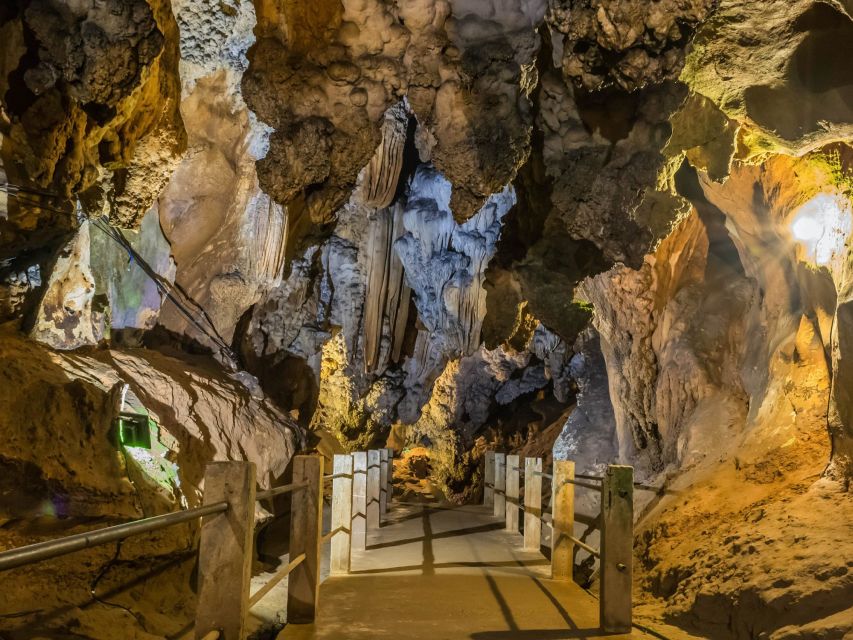
- The five caverns contain working Buddhist shrines: look for the 13-foot reclining Buddha and the row of five seated Buddhas near the entrance.
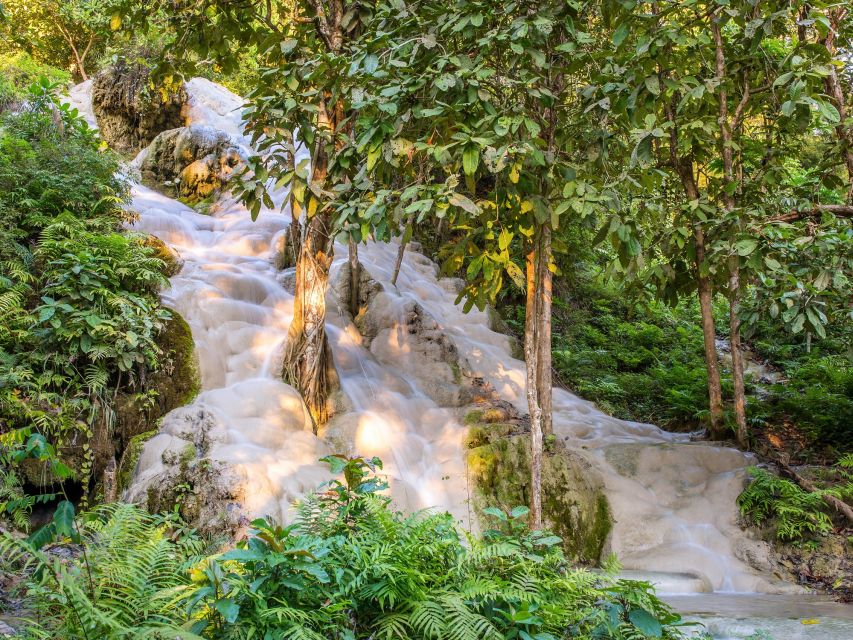
- Bua Thong is climbable: mineral-coated rock gives your bare feet unusual grip, with a rope available for support.
- The food stop is flexible and local: your guide can help you choose dishes, browse a market, and try snacks or fruit.
- You travel in a small group of no more than nine: some dates may become private if nobody else books.
- The tour takes a low-impact approach: water comes in glass bottles, and carbon emissions are offset.
Why this Chiang Mai day trip is different
Many day trips from Chiang Mai string together temples, viewpoints, and shops. This one gives you two hands-on experiences instead. At Chiang Dao, you squeeze through parts of a real cave system beneath the mountain. At Bua Thong, you test your footing on the waterfall itself.
That contrast gives the day a good rhythm. The cave is dark, cool, and quiet, though it can turn humid in hot weather. The waterfall is open, wet, and playful. I especially like the fact that neither stop feels like a routine photo stop. You have something to do at both places.
The tour lasts about eight hours, including roughly one hour each way in an air-conditioned van from Chiang Mai. That makes it a full day, but the long drive is part of the trade-off for reaching northern Thailand’s more unusual sights. Your guide may fill the ride with local facts, or give you quiet time when you are tired. Guides such as Art, Banana, Nong, and Tik have been praised for reading the group well and keeping the day comfortable.
A few more Chiang Mai trips to weigh up
- 3-in-1: Doi Inthanon Tour, Elephant Sanctuary, and Trekking Trail
★ 5.0 · 1,087 reviews - Chiang Mai: Doi Inthanon Trip with Pha Dok Siew Guided Trek
★ 4.6 · 910 reviews - Chiang Mai: Doi Inthanon Park with Kew Mae Pan Hike Day Trip
★ 4.7 · 841 reviews
The ride north from Chiang Mai
Pickup is from a hotel or registered accommodation in Chiang Mai city center. You should be in the lobby 10 minutes before pickup, and the driver or tour team confirms the exact time the evening before because the route depends on where each person is staying.
The vehicle is air-conditioned, which matters in northern Thailand’s heat. It also keeps the day simple: you do not need to arrange a separate taxi, navigate rural roads, or work out how to combine Chiang Dao and Bua Thong by yourself.
The drive takes about an hour each way. Mae Malai Market is passed along the route, and some guides may point out places of interest or adjust the day when time allows. This is not a rushed city tour. You are spending a good part of the day getting out into Chiang Mai Province, so book it when you want a countryside outing rather than a quick attraction close to town.
Chiang Dao Cave and its five limestone caverns
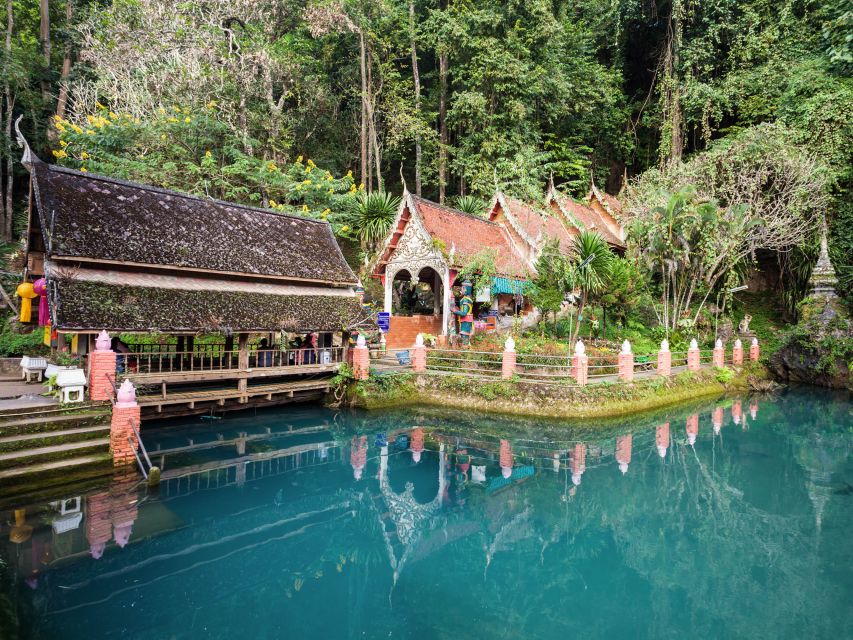
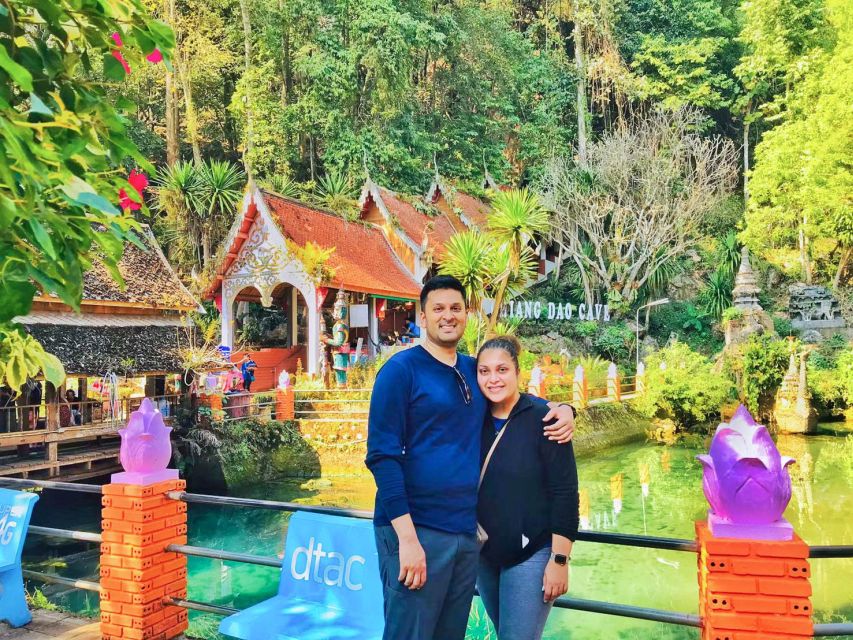
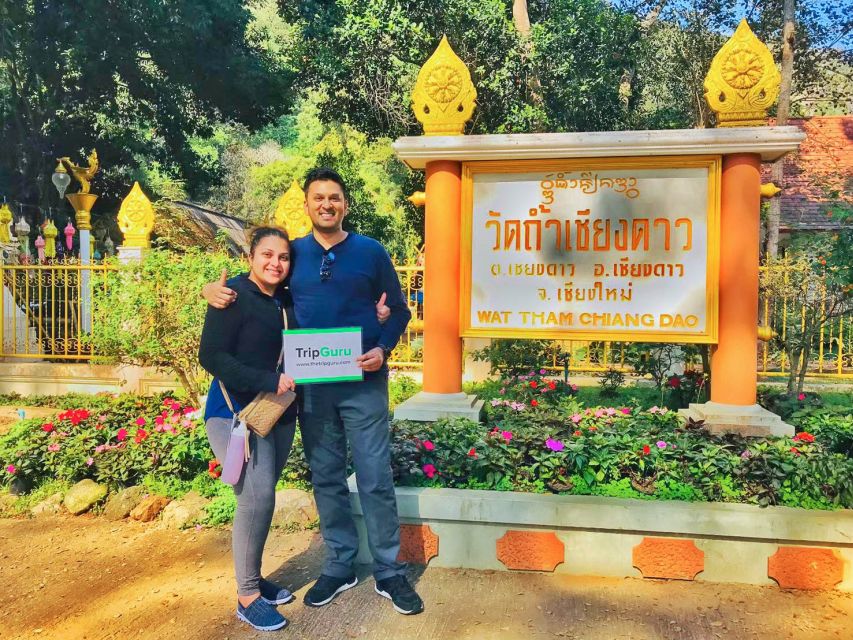
Wat Tham Chiang Dao is the main cultural and natural stop. The cave complex reaches more than seven miles into the mountain, though your visit covers the sections accessible during the tour rather than attempting anything close to that full distance.
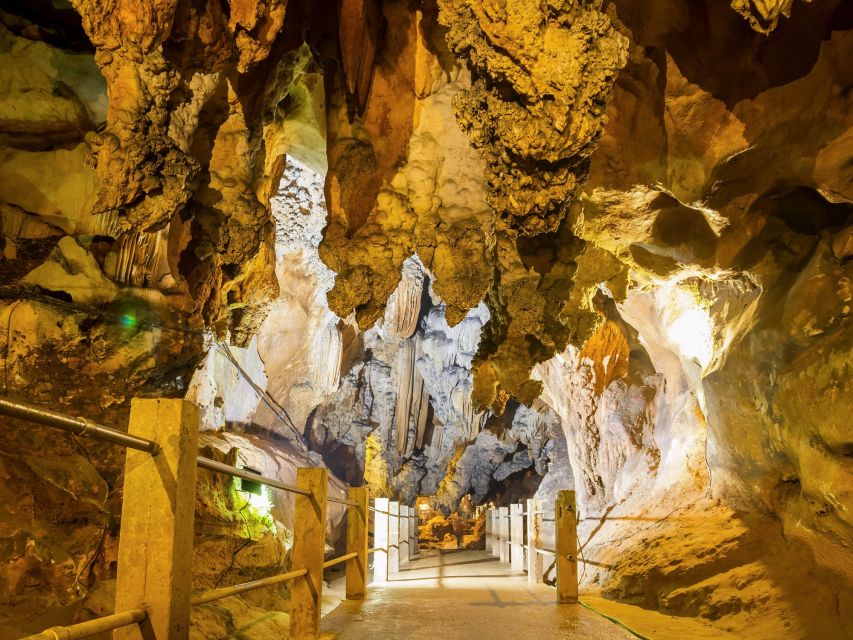
The first cavern has electric lighting and is easier to walk through. Look for the line of five seated Buddha statues, then watch for stalactites, stalagmites, shrines, and offerings left by Buddhist pilgrims. A 13-foot reclining Buddha is another memorable sight. The cave is not just a geological display. The statues and offerings give it an active religious character, so you should keep your voice low and dress respectfully.
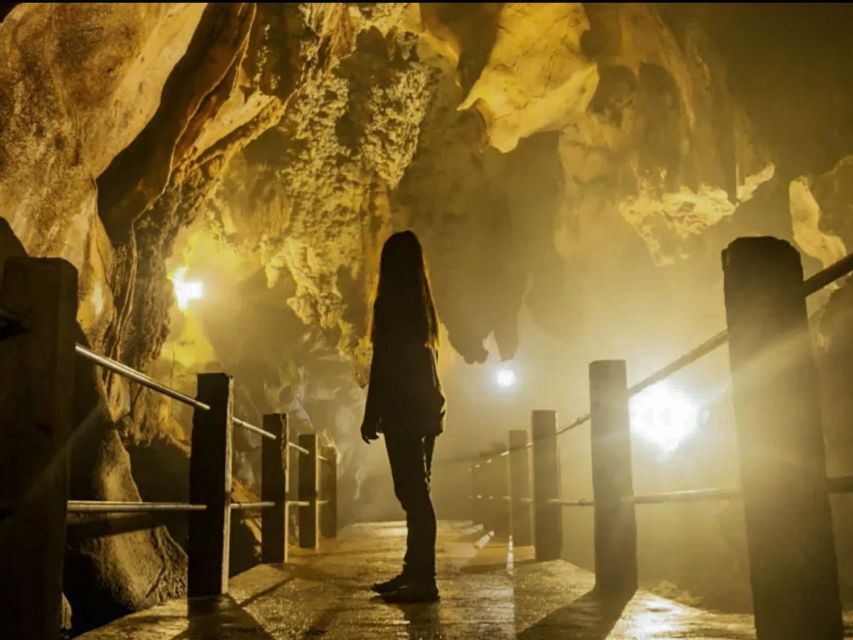
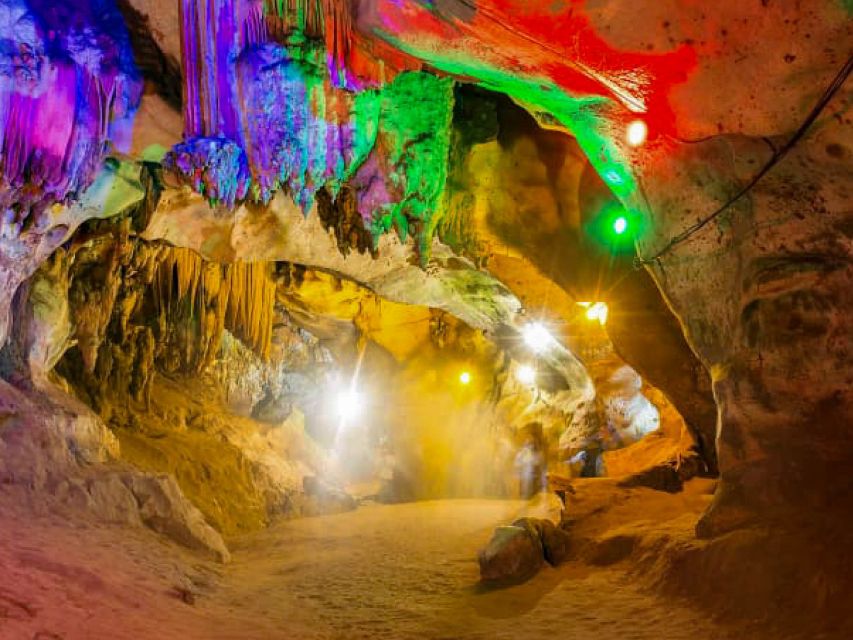
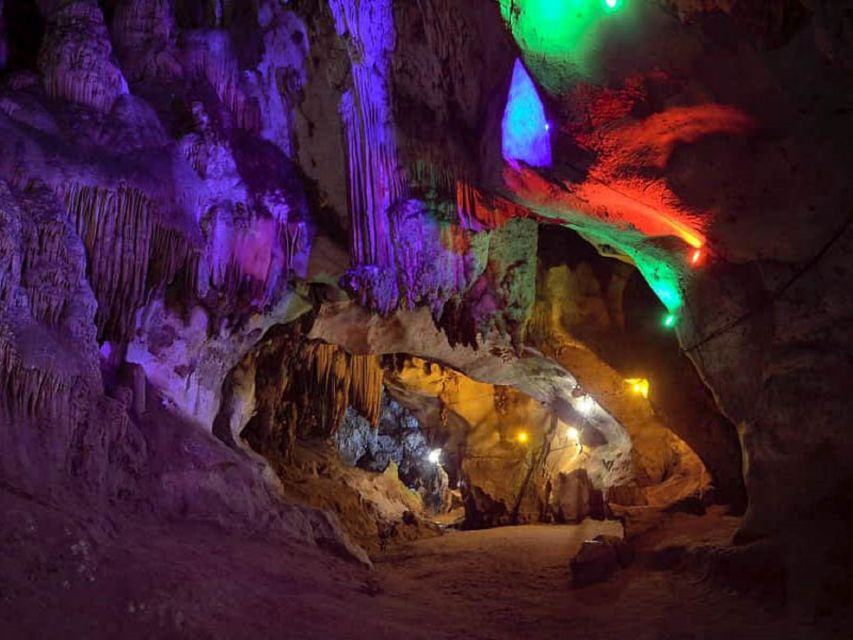
The deeper section is where the atmosphere changes. A local guide leads the way with a gas lantern, pointing out formations and guiding you through less finished parts of the cave. You may need to crouch, squeeze through low passages, and climb over uneven rock. One route described by past participants took around 25 minutes inside the cave, but the full Chiang Dao visit is scheduled for about two and a half hours, including the site outside and the different cave sections.
I would pay the extra 300 baht for the local guide and lantern if you are physically comfortable in tight spaces. The fee is paid on the spot in cash and is not included in the tour price. The lantern gives the rock formations a softer, more natural look, and the local guide adds a sense of discovery that electric lights cannot provide.
You can choose the easier section instead. That is the sensible call if you dislike confined areas, have trouble bending your knees, or simply want to see the cave without turning it into a physical challenge. Bring a flashlight as backup, but do not assume that a phone light is ideal in a damp, uneven cave.
Wear long pants and a long-sleeved shirt. The religious setting calls for covered clothing, and long clothes also offer some protection from rough rock. If you arrive in shorts, wraps may be available to rent, but it is easier to dress properly before leaving Chiang Mai.
What the cave requires physically
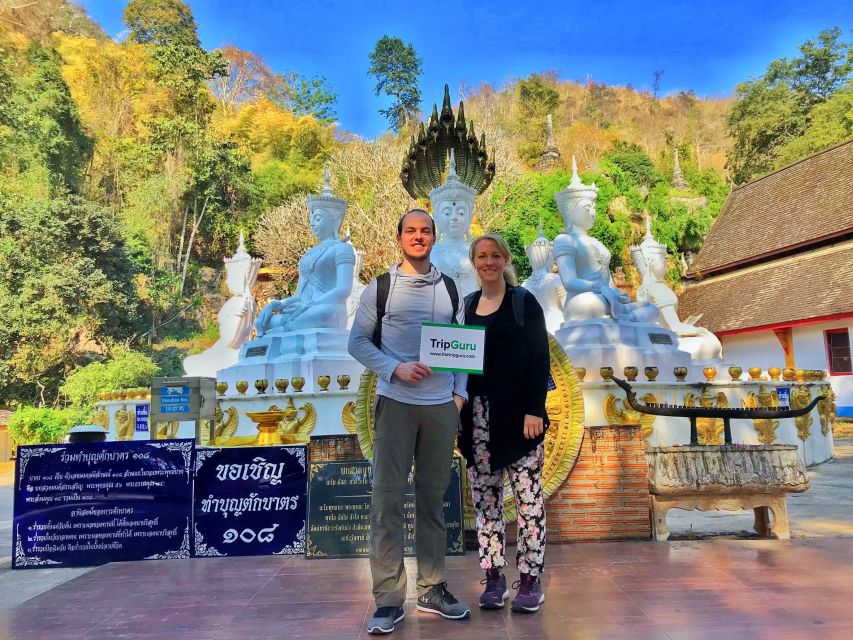
The cave is not suitable for people with claustrophobia, mobility impairments, serious back problems, or heart problems. Even the easier section includes uneven ground, and the deeper route adds low tunnels and scrambling.
You do not need to be a technical climber, but you do need balance and enough strength to move carefully. The cave experience can become warm and humid despite the cooler air. Take the provided water and tell your guide early if you need a slower pace.
This is also a place where good guiding matters. Tik has been described as gentle and attentive in the dark sections, while other guides have helped with footing, photos, and getting through tight spots. The exact guide changes by date, but the company assigns an English-speaking guide who stays with your group.
Same coastline, a completely different day out:
- Half-Day Thai Cooking Class at Organic Farm in Chiang Mai
★ 5.0 · 19,087 reviews - Chiang Mai: Elephant Sanctuary, Waterfall & Bamboo Rafting
★ 4.9 · 9,160 reviews - Chiang Mai: Doi Inthanon National Park Eco-Friendly Tour
★ 4.6 · 6,667 reviews - Chiang Mai: Elephant Sanctuary & Waterfall Group Tour
★ 4.9 · 5,780 reviews
A local market and lunch in Chiang Dao
After the cave, the day shifts to food. The stop may include the Chiang Dao market and a local restaurant, with about two hours set aside for browsing, eating, and taking a break.
Food is not included in the $106 price, but that is also what lets you choose what appeals to you. Guides have recommended local Khao Soi, snacks, fruit, and other regional dishes. Nong, for example, helped explain market foods and communicate with vendors, while other guides have taken groups to excellent local restaurants.
I prefer this arrangement to a fixed buffet. You can spend little or more, depending on your appetite, and your guide can explain unfamiliar dishes. If you want to try northern Thai food but do not know where to start, ask for Khao Soi Gai or another local specialty. Keep cash with you for food and the cave fee.
The market stop also gives you a better look at daily life than a standard sightseeing stop. You can see what is sold locally, ask about ingredients, and pick up fruit or small snacks for the ride. It is a useful pause after the cave, especially before the wet activity at the waterfall.
Climbing Bua Thong Sticky Waterfall
Bua Thong Sticky Waterfall is the day’s most playful stop. Mineral deposits coat the rocks with a rough surface that provides grip, allowing you to walk or climb up sections of the falling water. A safety rope is available if you want something to hold.
You can go barefoot, and the water is generally comfortable for cooling off. Water shoes are useful but not required. Bring swimwear, a towel, and a full change of clothes. The practical problem is not getting wet. It is having wet clothes for the ride back if you fail to pack a change.
The climb is not very long, but it does require energy and care. You may need to pull on the rope, keep your balance, and watch where you place your feet. Some people climb more than once, while others prefer to walk around the falls and enjoy the jungle setting. If you have a fear of slipping, start slowly and follow the route your guide recommends.
Crowds can affect the experience. The waterfall is popular, and the area may feel busier at some times than others. Still, the tour gives you a solid two hours here, enough time to climb, cool off, take photos, and rest rather than being hurried away after one attempt.
This is also the best place to use the guide’s help with photos. Several guides have been praised for knowing good picture spots and taking photos without needing repeated requests. Keep valuables secure and bring only what you need down to the water. Your guide may be able to watch belongings, but you should not treat that as a substitute for packing lightly.
How much value do you get for $106?
At $106 per person, this is not the cheapest way to see Chiang Dao. Food and the optional cave guide with lantern cost extra, so a solo visitor should budget beyond the advertised price.
The value comes from convenience and coverage. You get hotel pickup and return, an air-conditioned vehicle, an English-speaking guide, insurance, the Chiang Dao Cave entrance fee, and a glass bottle of drinking water. You also combine two distant attractions in one day without hiring a private driver or arranging rural transport.
For a solo visitor, the price can make more sense because the trip still operates even if no one else books. Kevin and Nadine both ended up with what was effectively a private day, and other solo participants received the same treatment. That is a strong benefit if your dates are flexible but your sightseeing plans are not.
For two or more people, compare the total with a private car and guide before booking. The small group is limited to nine, and many departures have only a few people, but the exact group size depends on the date. You are paying for a structured day and an established operator, not simply a ride to two places.
The sustainable details are modest but worthwhile. Water is supplied in glass bottles, and the operator offsets carbon emissions. That will not erase the impact of a full-day vehicle trip, but it is a better approach than handing out a pile of disposable plastic bottles.
Small-group comfort and guide quality
The guide can make or break a day with this much driving and activity. The strongest part of the experience is the care shown by guides and drivers. Art has been praised for staying on schedule without rushing, taking excellent photographs, and keeping the vehicle comfortable. Nom has been praised for looking after belongings and making each stop feel organized.
Other guides, including Pranom, Sasin, Tu, Jackie, and Nong, have been described as friendly, attentive, and generous with local information. Some have adjusted the route when there was spare time, added a temple stop, or helped answer questions about the area and Thai culture. These details matter because the cave and waterfall are only part of the day. You also spend time in the van and at lunch.
A group of nine is small enough for direct questions and help at the cave or waterfall. If you book as a private party, you can usually expect more flexibility than on a full coach tour, though the supplied information does not promise a completely custom itinerary.
Practical packing advice
Bring:
- Long pants and a long-sleeved shirt for the cave and temple setting
- Swimwear, towel, and a complete change of clothes
- Cash for the 300 baht local cave guide and lantern, plus lunch and drinks
- A flashlight
- Trekking shoes or other secure footwear
- Water shoes if you like extra grip at the waterfall
The supplied tour water comes in a glass bottle, but you should still bring enough personal water for an active day. Keep your bag light at the waterfall and protect electronics from spray.
The tour is offered in English. Pickup is available from hotels or registered accommodations, not roadsides or shopping malls. Free cancellation is available up to 24 hours before the activity, and you can reserve now and pay later, which helps if your Chiang Mai schedule is still changing.
Who should book this experience?
I would choose this tour if you want a day outside Chiang Mai with real physical activity, local food, Buddhist sites, and unusual natural attractions. It suits couples, solo visitors, families with older children who can handle uneven ground, and small groups that value a guide’s help.
It is especially good for people who want more than a viewpoint and a quick photograph. You will crouch in the cave, get wet at the waterfall, and make choices about food and activity level along the way.
I would skip it if you need a completely flat, dry, or predictable day. The cave has tight areas, the waterfall requires balance, and the long drive takes up much of the day. If you are uncomfortable in confined places, choose only the easier cave section or pick a different excursion.
Should you book the Chiang Dao Cave and Sticky Waterfall tour?
Yes, if you want a varied and active day and are willing to pay for convenience. The cave’s lantern-led section is worth the small extra fee for anyone comfortable with low passages, while the waterfall is the more accessible crowd-pleaser and a fine way to cool down.
The price is the main hesitation. Add lunch and the cave fee, and this is a fairly costly day trip. But hotel transfers, a small group, a safe driver, an English-speaking guide, and the chance of a private departure make the cost easier to justify, especially for solo visitors.
Pack proper clothing, keep cash handy, and tell your guide about physical limits before entering the cave. Do that, and this outing gives you two memorable experiences that are hard to reproduce on an ordinary Chiang Mai sightseeing day.
FAQ
How long does the Chiang Dao Cave and Sticky Waterfall tour last?
The tour lasts about eight hours, including transportation from Chiang Mai and the return trip.
Is hotel pickup included?
Yes. Pickup and drop-off are included from hotels or registered accommodations in Chiang Mai city center. Roadside and shopping mall pickups are not offered.
Is food included in the tour price?
No. Food and drinks are not included. The tour includes a local market and restaurant stop, where you can purchase lunch and snacks.
How much does the local cave guide and lantern cost?
The local guide and lantern fee is paid in cash on the spot. The supplied information and tour details indicate an additional cost of about 300 baht.
Can I climb Bua Thong Sticky Waterfall?
Yes. Mineral deposits create a grippy surface that lets you walk or climb up the waterfall. A safety rope is available, and water shoes are optional.
What should I bring?
Bring swimwear, a towel, a change of clothes, cash, a flashlight, long pants, a long-sleeved shirt, and suitable trekking gear.
Just added around Chiang Mai
- Taste of Chiang Mai: Michelin Guide & Street Food Tour★ 4.9 · 159 reviews
- Red, Blue, White Temples & Hot Spring Trip from Chiang Mai★ 4.4 · 143 reviews
- From Chiang Mai: Mae Taeng Valley and Waterfalls Cycle Tour★ 4.9 · 159 reviews
- Long Neck Village, Silver Temple & Chiang Mai Top Sites★ 4.7 · 17 reviews
- Chiang Mai: Local Northern Thai Cooking Class at Grandma’s★ 5.0 · 33 reviews
- Chiang Mai: Khum Khantoke Northern Thai Cuisine and Show★ 4.3 · 38 reviews
- Private : Sticky Waterfall & Secret Temple & Karen Village.★ 5.0 · 9 reviews
- Half-day with CHIANGMAI ELEPHANT CARE program (12pm-6pm.)★ 5.0 · 27 reviews
Hiking & Trekking, compared.

3-in-1: Doi Inthanon Tour, Elephant Sanctuary, and Trekking Trail
Read our review →
Doi Inthanon Park with Kew Mae Pan Hike Day Trip
Read our review →

Doi Inthanon Private Tour with Trek & Lunch from Chiang Mai
Read our review →
Doi Inthanon National Park and Pha Dok Siew Trek
Read our review →Browse the lists this tour appears in