
Review · MUSEUMS
Koh Samui Elephant Home Sanctuary and the first Elephant Museum
The unusual heart of this Koh Samui experience is its mix of museum, jungle walk, and habitat work. You learn why elephants matter in Thai culture, watch rescued animals behave in a natural setting, then make clay seed bombs and fire them into the forest with a slingshot. I like the conservation activity and the chance to see elephants without a performance. I also like the small group limit, with no more than 20 people.
The main drawback is pacing. The museum takes about 30 minutes, and one visitor felt the drive and museum portion ran long before the elephant walk began. At $65.18, this is not the cheapest elephant outing on Koh Samui, so you should choose it for its education and animal-care message rather than for a quick photo stop.
In This Review
- What makes this Koh Samui elephant visit different
- Starting at Samui Elephant Home
- Making seed bombs before meeting the elephants
- Inside Koh Samui’s first elephant museum
- Walking beside the elephants for one hour
- Firing seed bombs into the forest
- Guides, group size, and the human side
- Is $65.18 a fair price?
- Who should book this experience?
- Should you book the Samui Elephant Home visit?
- FAQ
- How long does the Koh Samui Elephant Home experience last?
- Where does the experience start and finish?
- Is pickup available?
- How many people can join the activity?
- What will I do at the elephant museum?
- Can I cancel for a full refund?
What makes this Koh Samui elephant visit different
- Koh Samui’s first elephant museum: See displays about Thai elephant culture and the changing way people care for these animals.
- Nine rescued elephants: The sanctuary’s elephants came from circus work, logging, and riding, according to the information provided on site.
- A one-hour jungle walk: Watch elephants play with mud, cool themselves, and move through their habitat.
- Seed bombs for future food: Mix clay with native seeds, then send the finished balls into the forest with a slingshot.
- Guides who explain the details: Katie and Angie are praised for clear explanations, friendly care, and answers to questions.
- Small-group format: The experience accepts a maximum of 20 participants and ends back at the starting point.
Starting at Samui Elephant Home
The experience begins at Samui Elephant Home, at 11 8, Tambon Na Mueang, Amphoe Ko Samui, Surat Thani 84140. Pickup is offered, but the supplied details do not state the pickup zones or times, so check those points when booking.
The activity lasts about two and a half hours. That is long enough to include several different parts without taking up a full day, though the total time can feel less compact if your transfer to the sanctuary is lengthy. One person specifically found the drive long, an important point if you are staying far from the site.
The group limit of 20 helps keep the visit from becoming a huge crowd. You should still expect a shared experience, not a private elephant encounter. The facility has toilets, and cold drinking water is available throughout the visit. Those small comforts matter in Koh Samui’s heat, especially for families and anyone planning to spend time outdoors.
A few more Koh Samui trips to weigh up
- Samui:Elephant Jungle experience & The First Elephant Museum
★ 4.9 · 226 reviews - Samut Prakan: The Erawan Museum Admission Ticket (NON THAI)
★ 4.8 · 89 reviews - Chiang Mai: Art in Paradise Illusion Museum Entry Ticket
★ 4.4 · 82 reviews
Making seed bombs before meeting the elephants
Your first activity is a short introduction to the sanctuary, followed by a hands-on conservation project. You use clay and seeds, including pumpkin seeds mentioned by one participant, to make small seed bombs that can help grow food for elephants in the future.
This is a modest activity, but I like its purpose. Instead of simply feeding an elephant and leaving with a picture, you take part in work connected to the animals’ long-term habitat. You are not just watching conservation as a concept. You are making something intended for the forest.
The activity lasts about 30 minutes. It may feel simple at first, especially if you expected immediate contact with elephants, but it gives the guides time to explain what the sanctuary does and why food plants matter. It is also a good fit for children because it involves clay, seeds, and a clear physical task.
You should not expect this part to be a gardening workshop with detailed planting instruction. The point is participation and awareness. The real payoff comes later, when you use the finished seed bombs during the jungle walk.
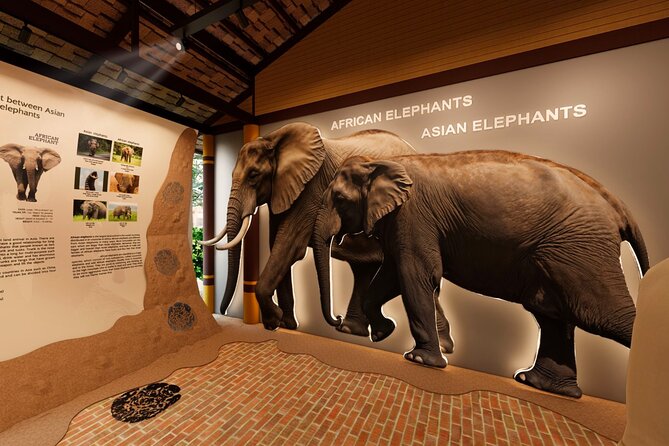
Inside Koh Samui’s first elephant museum
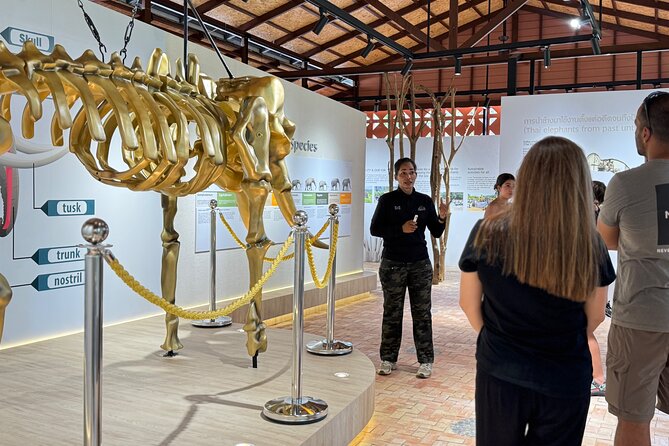
The museum is presented as the first and only elephant museum on Koh Samui. Its theme, The Elephant’s Legacy: Traces of Time, Steps of Change, looks at the place of elephants in Thai culture and the changing relationship between people and animals.
You spend about 30 minutes here. Displays and historical material provide context before you meet the elephants, which gives the outdoor portion more meaning. You learn that elephants have not simply been symbols in Thailand. They have also been used for work, entertainment, transport, and riding, with serious consequences for their welfare.
This is not a large museum visit in the style of a major city institution. It is a focused part of a sanctuary program. If you enjoy historical displays and educational exhibits, you may find it one of the most useful elements. If you mainly want outdoor time, the museum may feel too long, particularly after a long transfer.
I would treat the museum as the reason this experience feels different from a standard animal encounter. It asks you to think about how elephant tourism has changed. The sanctuary’s stated approach is based on care and ethical tourism, and the museum helps explain why that change matters.
Walking beside the elephants for one hour
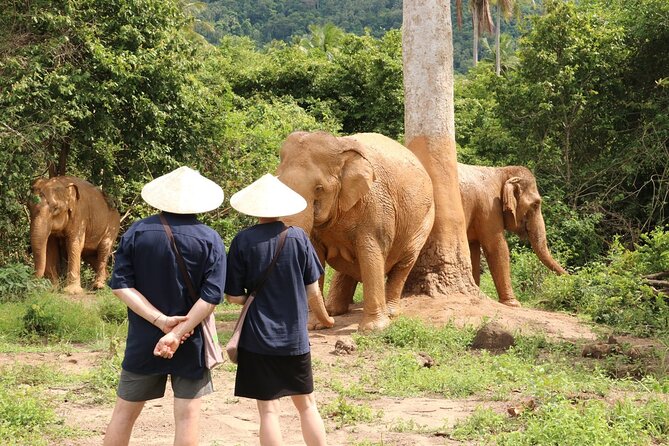
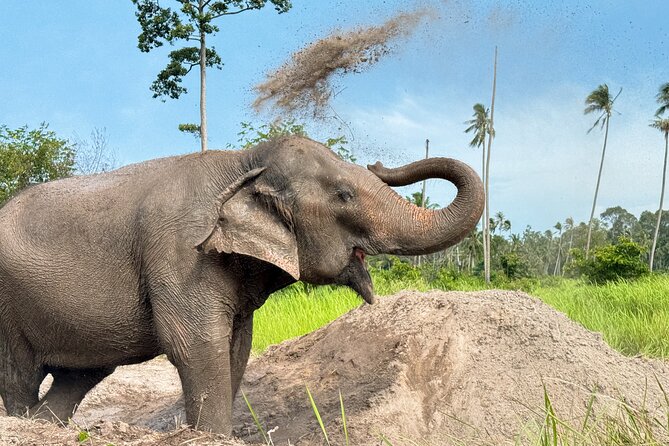
The main outdoor section is a jungle walk lasting about one hour. You walk with the elephants into their natural habitat and watch their behavior rather than seeing them perform a trick or follow a staged routine.
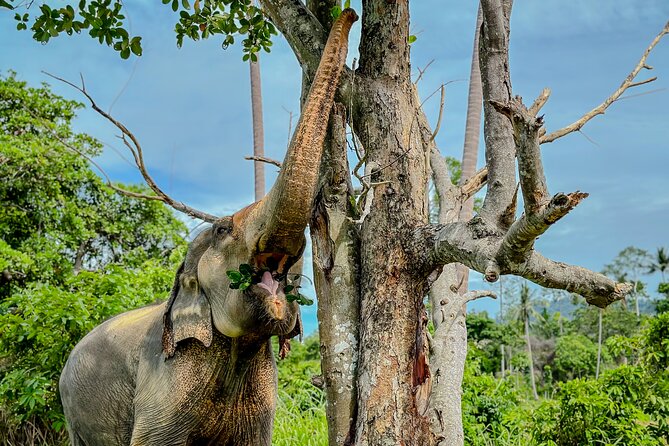
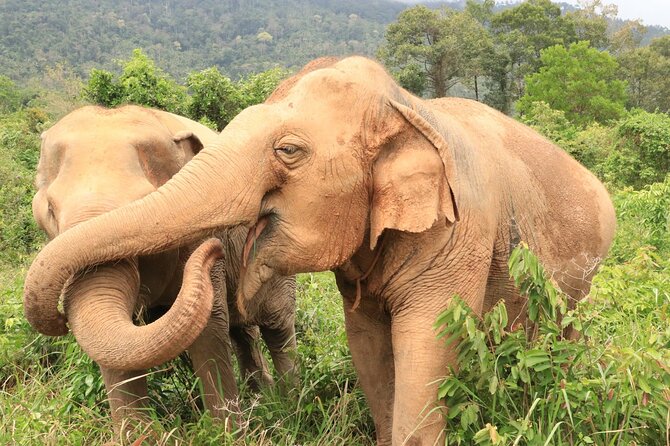
The experience includes observing elephants play with mud to cool themselves. That detail is worth noting because it shows you a normal behavior with a practical purpose. You are watching animals manage heat and comfort in their own way, not being presented with a manufactured show.
The sanctuary cares for nine elephants, described as rescued from circus work, logging, and riding. That background gives the visit a clear welfare focus. These animals are presented as being in retirement, and the program emphasizes watching and learning rather than performance.
You may also have the chance to feed the elephants. Feeding is described as one of the memorable parts of the visit, but the strongest feature is the chance to see the animals in a more natural setting. If your priority is touching, bathing, or riding elephants, this may not be the right activity. Those options are not part of the supplied program.
Keep your expectations realistic. A jungle walk does not guarantee that every elephant will stay in one place or pose for a photograph. The appeal is seeing behavior as it happens. For me, that makes the encounter more respectful, though it may feel less predictable than an attraction built around close-up photos.
Same coastline, a completely different day out:
- Koh Samui: Pig Island & Koh Tan Snorkeling by Speed boat
★ 4.5 · 4,149 reviews - Koh Samui: Mu Ko Ang Thong Park Cruise with Kayaking Option
★ 4.3 · 3,728 reviews - Koh Samui: Half-Day Island Highlights Tour with Hotel Pickup
★ 4.6 · 3,556 reviews - Koh Samui: Island Hopping Adventure in Coral and Pig Island
★ 4.6 · 3,453 reviews
Firing seed bombs into the forest
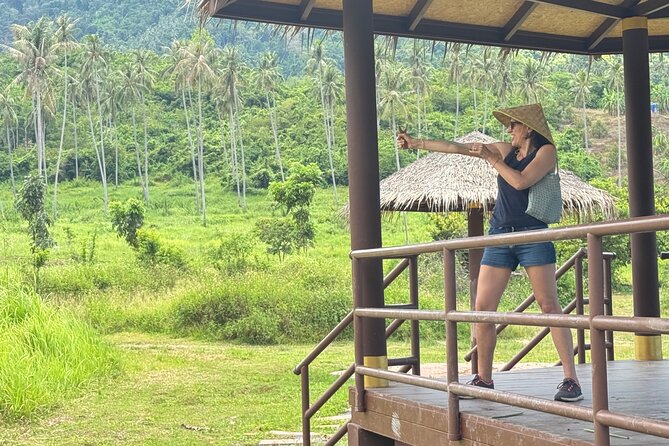
After watching the elephants, you use a slingshot to send the seed bombs into the forest. This gives the conservation activity a lively finish and helps place the seeds beyond the immediate visitor area.
The slingshot element is likely to be especially popular with children, but it also gives adults a clear sense of taking part. You are not simply being told that habitat restoration matters. You are contributing a small piece of work that may help future food plants grow.
The supplied information does not explain the exact seed types, how many bombs each person makes, or how the planting is monitored. You should therefore see this as a simple conservation gesture, not a full ecological restoration project. Its value is in connecting the visitor with the sanctuary’s ongoing needs.
This part also ties the whole visit together. The museum explains the past, the elephant walk shows present-day care, and the seed bombs point toward the future. That structure makes the two and a half hours feel purposeful.
Guides, group size, and the human side
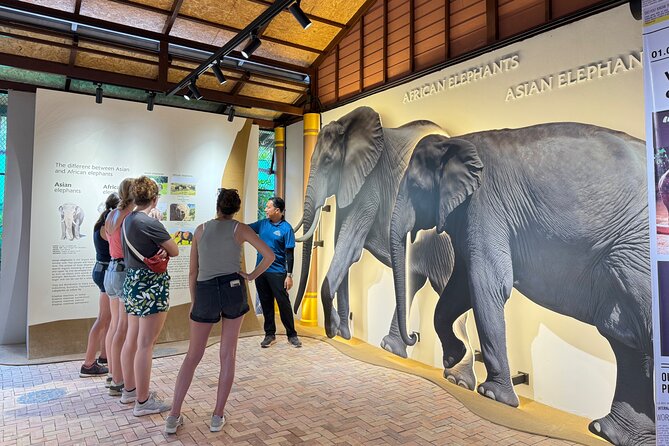
The guides are an important part of the experience. Katie is praised for being funny, kind, and able to answer questions clearly. Angie is also described as an excellent guide who explains elephant history and the stories behind the sanctuary’s work.
You should not assume that Katie or Angie will lead every departure, but their names give you a useful sense of the guiding style to expect: conversational, informative, and involved in the welfare message. The guide matters here because the museum and animal encounter need explanation. Without that context, you would see elephants but miss much of the point.
The maximum group size is 20. That is not an intimate private tour, but it is more manageable than a large coach-style attraction. A smaller group can make it easier to hear the guide, watch the elephants, and take part in the seed-bomb work.
The facility also receives praise for clean toilets, plentiful water, and friendly hospitality. These are not glamorous features, but they make a difference in a hot, active setting. I would bring sun protection and comfortable shoes, since part of the experience takes place outdoors, though the supplied information does not specify the exact trail conditions.
Is $65.18 a fair price?
At $65.18 per person, the price sits in the midrange for an organized elephant experience on Koh Samui. The value depends on what you want from the visit.
If you only want a short elephant feeding session, the cost may seem high. You are paying for more than animal contact: the museum, guided explanation, conservation activity, jungle walk, sanctuary facilities, and possibly transport. The experience also limits attendance to 20 people, which adds some value compared with a crowded attraction.
I think the price makes sense for visitors who care about ethical animal tourism and want context as well as contact. The nine rescued elephants and the focus on retirement care give the visit a clear purpose. The current score of 4.9 out of 5 from 56 ratings, with 96 percent recommending it, also suggests strong satisfaction.
Still, price alone does not prove that an elephant sanctuary is ethical. You should pay attention to how the animals are treated during your visit. This program is described as observation-led, with elephants walking and behaving in their habitat rather than performing. That is the most important reason to consider it.
Who should book this experience?
This visit suits you if you want a family-friendly activity with a clear educational side. Children can work with clay and seeds, watch elephants, and use the slingshot, while adults get the cultural and welfare context.
It is also a good choice for nature lovers, first-time visitors to an elephant sanctuary, and anyone trying to avoid riding or circus-style entertainment. The museum gives you more background than a simple animal encounter, and the jungle section gives you time to watch behavior at a slower pace.
You may want to choose another option if you dislike museums, have limited time, or want an entirely hands-on elephant program. Around 30 minutes in the museum and a possible long drive can make the visit feel drawn out if your only goal is outdoor activity.
The experience is listed as suitable for most participants, and mobile tickets are accepted. Since pickup is offered but the details are not fully stated, confirm transport arrangements before you commit. The activity returns to the starting point, so you can plan the rest of your day from there.
Should you book the Samui Elephant Home visit?
Book this tour if you want a thoughtful two and a half hours built around rescued elephants, Thai culture, and small-scale habitat work. I especially like the way the seed bombs give the visit a practical purpose, while the jungle walk lets you see elephants cooling themselves with mud and moving through their surroundings.
Skip it if you want a fast photo stop or a guaranteed close-contact session. The museum and transfer take time, and the elephants are the focus rather than a staged performance.
For families, responsible animal lovers, and visitors who want to understand the wider story behind elephant tourism, this is a strong choice at $65.18. Free cancellation is available up to 24 hours before the start time, which gives you some flexibility when planning your Koh Samui schedule.
FAQ
How long does the Koh Samui Elephant Home experience last?
The experience lasts approximately 2 hours and 30 minutes. This includes about 30 minutes making seed bombs, 30 minutes in the elephant museum, and one hour walking with the elephants.
Where does the experience start and finish?
It starts at Samui Elephant Home, 11 8, Tambon Na Mueang, Amphoe Ko Samui, Chang Wat Surat Thani 84140, Thailand. The activity ends back at the same meeting point.
Is pickup available?
Yes, pickup is offered. The supplied details do not specify the pickup areas or exact pickup times, so confirm those arrangements when booking.
How many people can join the activity?
The group is limited to a maximum of 20 participants.
What will I do at the elephant museum?
You will visit Koh Samui’s first elephant museum, which explores elephants in Thai culture and the changing relationship between people and elephants through exhibits and historical displays.
Can I cancel for a full refund?
Yes. You can cancel at least 24 hours before the local start time for a full refund. Cancellations or changes made less than 24 hours before the start time are not accepted for a refund.
Just added around Koh Samui
- Zipline by Hawk Adventure The Biggest & Longest in Koh Samui★ 4.5 · 30 reviews
- 2.5 hours Pig Island-Virgin Islands & Snorkeling Jet Ski Safari★ 4.5 · 173 reviews
- X Quad Samui ATV Tour (Driver+Passenger) with lunch★ 5.0 · 21 reviews
- Thai Cooking Masterclass by the Sea on Koh Samui★ 4.5 · 21 reviews
- Thai Cooking Class with Local Market Tour in Koh Samui★ 4.5 · 85 reviews
- Thai Cooking Class with Local Market Tour in Koh Samui★ 5.0 · 62 reviews
- Koh Tao and Koh Nang Yuan Snorkeling Trip By Speedboat From Koh Samui★ 4.0 · 13 reviews
- Sunset Dinner Cruise★ 5.0 · 33 reviews
Museums, compared.
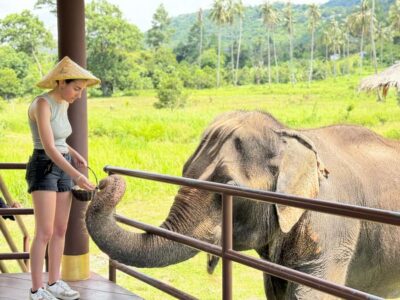
Elephant Jungle experience & The First Elephant Museum
Read our review →
Samut Prakan: The Erawan Museum Admission Ticket (NON THAI)
Read our review →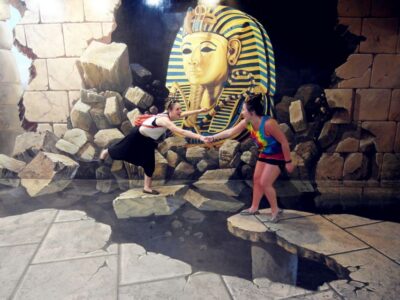


Chiang Mai to White & Blue Temple, Black Museum & Golden Triangle
Read our review →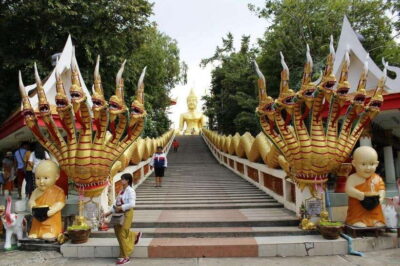
Buddha, Floating Market, Gems Museum Tour & Lunch
Read our review →
Art in Paradise: Chiang Mai 3D Art Museum Experience
Read our review →Browse the lists this tour appears in