
Review · ELEPHANT SANCTUARY TOURS
Samui:Elephant Jungle experience & The First Elephant Museum
Samui’s first Elephant Museum sets this experience apart from a quick animal encounter. You begin with Thai elephant heritage, then head into the forest to watch rescued elephants forage, wander, and cool themselves without being made to perform. The seed-bomb activity adds a useful conservation job instead of another photo prop.
I like the careful balance between education and observation, and I like that elephant contact is limited rather than built around bathing or riding. Guides including Angie, Katy, Noot, and Kathy explain the animals’ pasts and daily care with real feeling. The one drawback is time: the museum and classroom take about an hour, so you may wish for longer watching the elephants in the forest.
In This Review
- Key points
- Why this Samui elephant visit feels different
- Hotel pickup keeps the morning simple
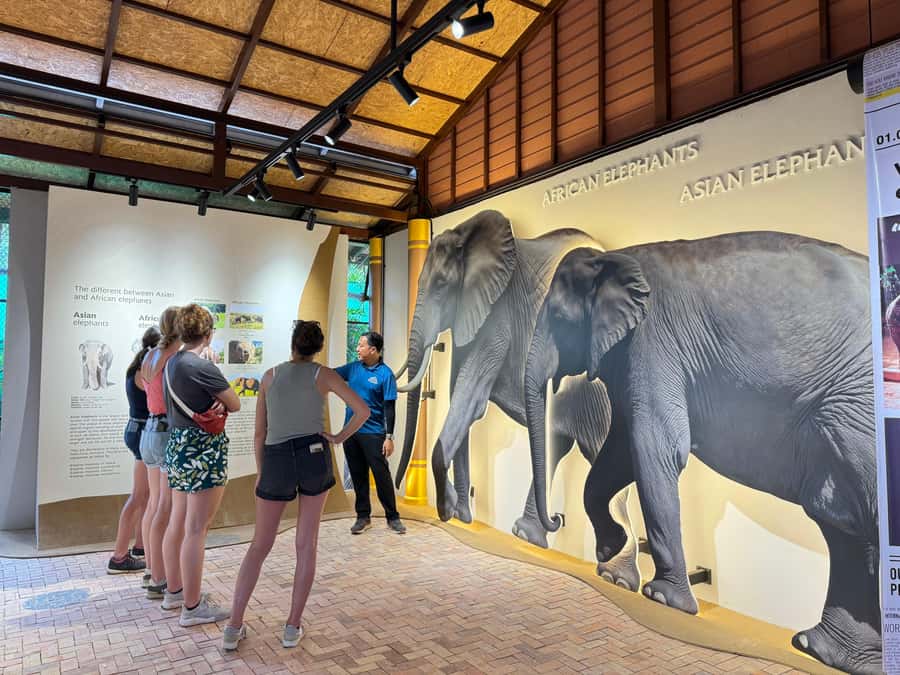
- The Elephant Museum puts Thai culture first
- Meet the elephants without a show
- What ethical care looks like here
- Making seed bombs for future elephant food
- Heat, shoes, and what to pack
- How the three hours are divided
- Who will get the most from this experience
- Is $64 good value on Koh Samui?
- Booking details that matter
- Should you book Samui Elephant Home?
- FAQ
- How long does the Samui Elephant Home experience last?
- Is hotel pickup included?
- What language is the tour conducted in?
- What happens at the Elephant Museum?
- Will I be able to feed or touch the elephants?
- Does the experience include elephant riding or mud bathing?
- What is the seed-bomb activity?
- What should I bring?
- Can I cancel or pay later?
Key points
- A museum-first approach: Learn about Thai elephant heritage before meeting the rescued animals.
- Nine rescued elephants: The group has been described as eight adult females and one young male.
- Mostly hands-off viewing: You may feed or briefly touch elephants under staff direction, but the focus is on natural behavior.
- A useful conservation activity: Make clay seed bombs with native seeds and launch them by slingshot to help grow future elephant food.
- No mud bathing: The program explains why it avoids this potentially unsafe activity.
- Practical three-hour format: Hotel pickup, the museum, forest viewing, and return transport fit neatly into a half-day.
Why this Samui elephant visit feels different
Many elephant activities on Thai islands are built around getting close, taking pictures, and keeping the schedule moving. This one gives the animals more room. At Samui Elephant Home, you first learn why elephants matter in Thai culture and how rescued elephants are cared for. Only then do you walk out toward the open forest area.
That order matters. It helps you see the animals as intelligent, social creatures with individual stories, not as scenery for a holiday photograph. The staff explains personalities, food, health, and past hardship before you meet the elephants. By the time you reach the jungle, you have a better idea of what to watch for.
The experience costs $64 per person and lasts three hours. That is not the cheapest animal activity on Koh Samui, but the fee covers hotel transfers around the island, insurance, a guide, the museum visit, the forest walk, and the seed-bomb project. If you value animal welfare and a clear educational purpose, I think the price is reasonable. If your only goal is extended close contact, you may find the outing short for the money.
More elephant sanctuary tours in Ko Samui:
- Koh Samui: Elephant Sanctuary Entry and Feeding Experience
★ 4.7 · 1,446 reviews - Chiang Mai: Elephant Sanctuary, Waterfall & Bamboo Rafting
★ 4.9 · 9,160 reviews - Chiang Mai: Elephant Sanctuary & Waterfall Group Tour
★ 4.9 · 5,780 reviews
Hotel pickup keeps the morning simple
Roundtrip transfer is included from hotels around Ko Samui. Pickup details are confirmed by email, and you are asked to wait in your hotel lobby for about 15 minutes around the stated pickup time. That small buffer is worth allowing, since island transfers rarely run like a train timetable.
The transfer makes this easier to fit into a Samui itinerary. You do not need to arrange a taxi to an unfamiliar sanctuary, and you return to the same general area after the three-hour program. Exact pickup times depend on availability, so check the start time before booking.
A welcome drink is included. Bring water as well, especially in the hotter months. The forest is tropical, and even a short walk can feel warm when the sun is strong.
The Elephant Museum puts Thai culture first
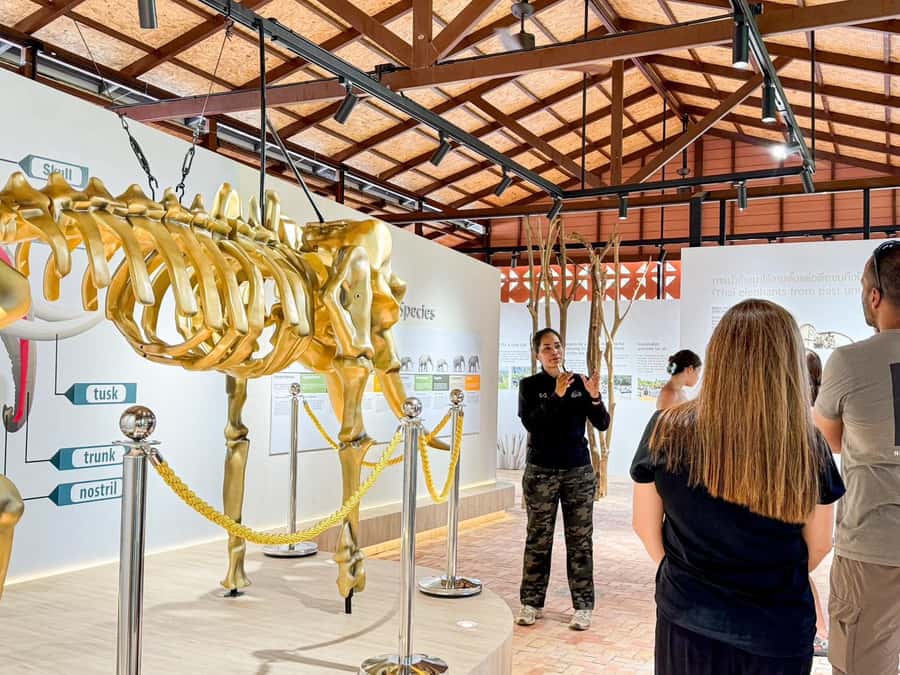
Your first major stop is the Elephant Museum, with about an hour set aside for the guided visit, class, and safety briefing. This is not filler before the animals. It explains the long connection between elephants and Thai people, including their role in heritage, spiritual life, and everyday work.
The museum uses exhibits, historical displays, and storytelling to give the visit a cultural frame. You learn why Asian elephants have mattered in Thailand and why rescue and long-term care are such serious subjects. Guide Kathy has been especially praised for explaining the museum clearly, while Angie is known for bringing personal feeling to the stories of the elephants at the center.
Pay attention during the safety briefing. You will be close enough to observe large animals at work, but their choices come first. The staff explains how to behave, where to stand, and why calm movements matter. Children and adults both get more from this visit when they listen before reaching for a camera or a banana.
The museum is clean, green, and carefully maintained, with a home-like feel around the camp area. That setting helps, but the indoor portion will not suit everyone equally. If you already know a lot about Thai elephants, you may find an hour of classroom and museum time longer than necessary. One visitor specifically wished for less time indoors and more time following elephants outside.
Meet the elephants without a show
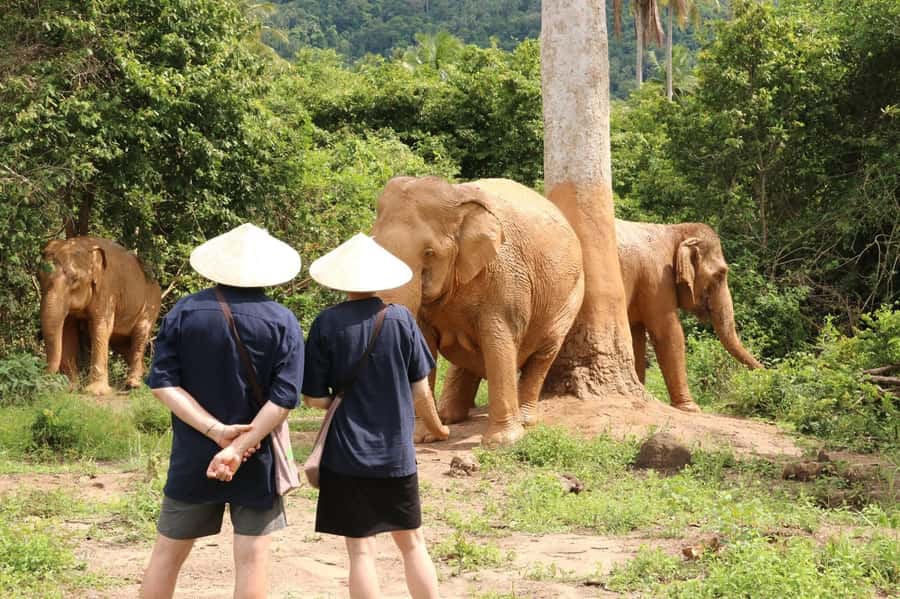
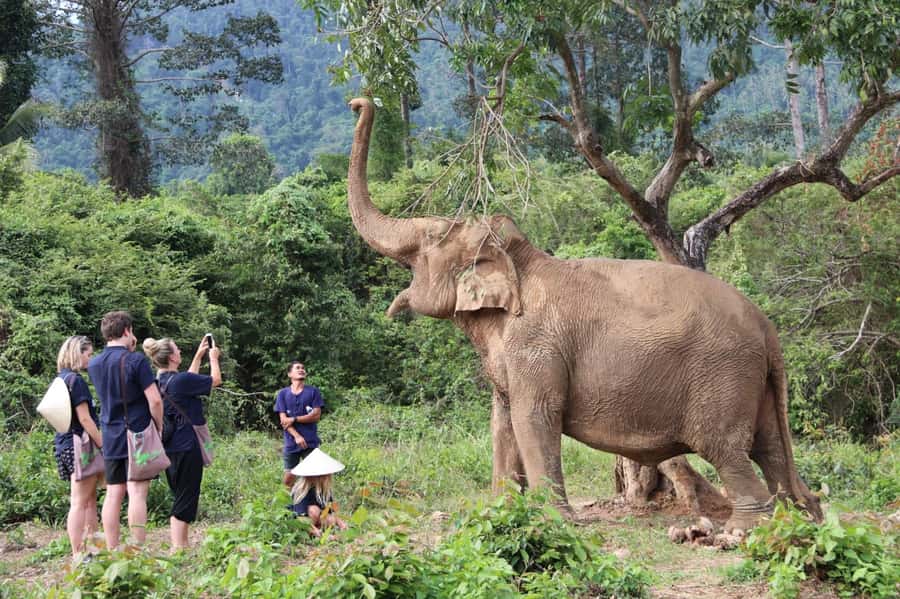
After the museum, you move to the open area beyond the camp. The walk and wildlife viewing take about an hour and a half in total, though the exact rhythm can change with the animals. You are there to watch elephants roam, forage, explore, and interact, not to see a trained performance.
The center has been described as home to nine rescued elephants: eight adult females and one young male. The young male can be especially entertaining, with a playful and cheeky personality noted during one visit. Still, the point is not to make him perform. His value is in seeing a young elephant behave like a young elephant.
The staff talks about social bonds and individual personalities as you watch. Look for the simple things: how an elephant searches for food, pauses, follows another animal, or chooses where to stand. This is slower than an elephant show, but it is also more honest.
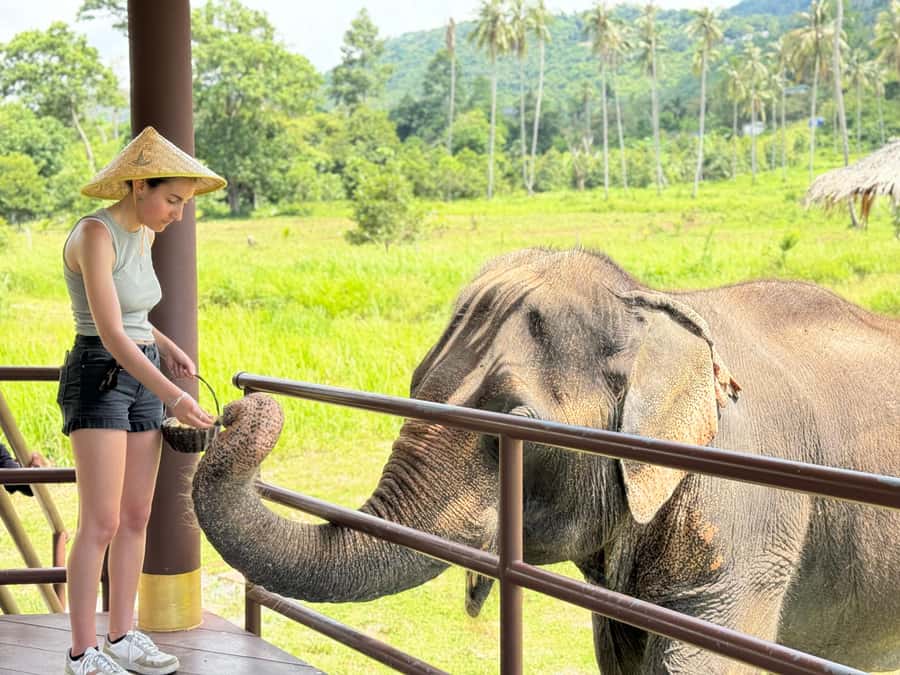
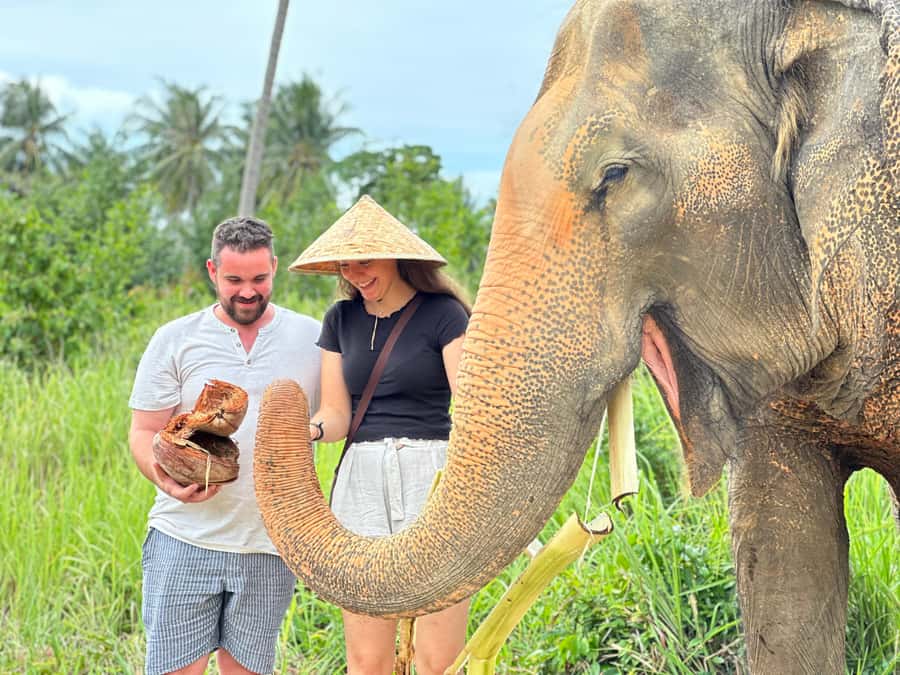
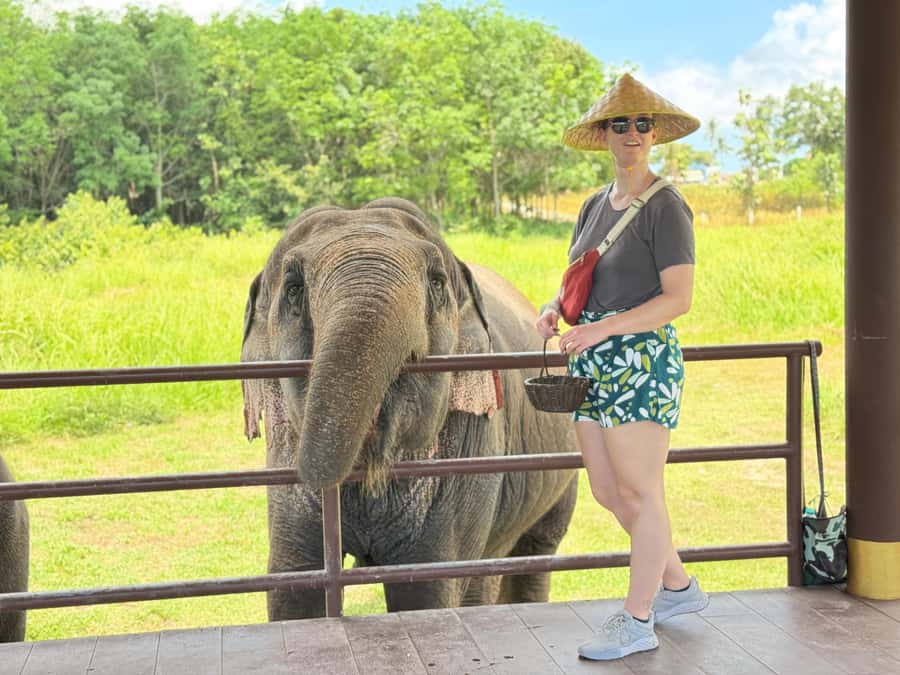
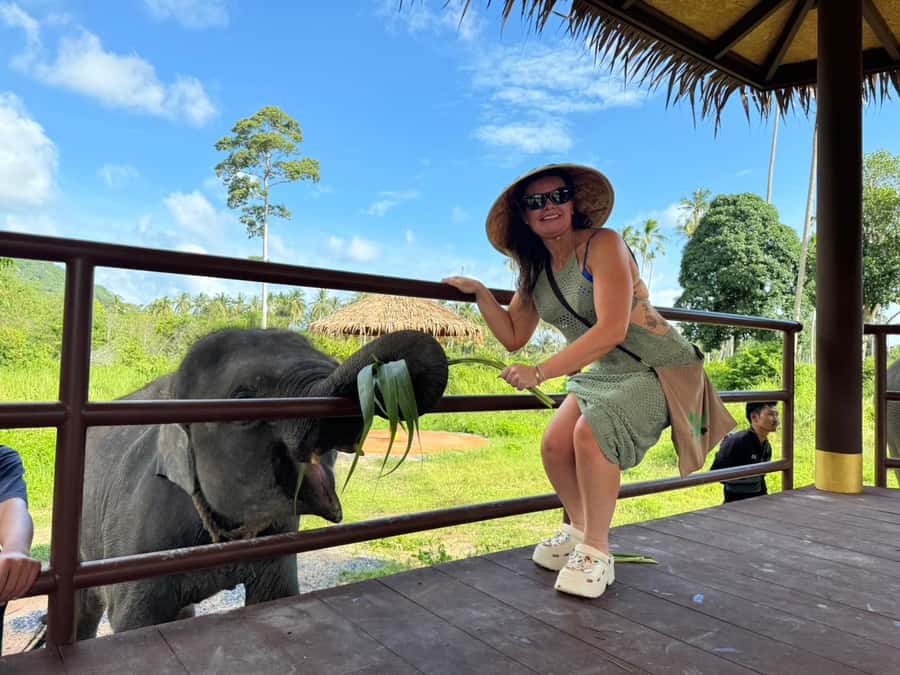
The program keeps a mostly hands-off policy. Depending on the group and the staff’s instructions, you may offer treats such as bananas or sugarcane, and brief touching or feeding can happen. Do not arrive expecting a long petting session. Lenka appreciated that the elephants could be fed and observed without being handled excessively, and that limited contact is one of the program’s strengths.
This approach also explains why the tour does not include mud bathing. The staff discusses the safety concerns, and the decision avoids turning the elephants’ bathing routine into a forced activity. You still learn how elephants cool themselves, but the lesson comes through observation and care rather than staged participation.
A few more Ko Samui trips to weigh up
- Samut Prakan: The Erawan Museum Admission Ticket (NON THAI)
★ 4.8 · 89 reviews - Chiang Mai: Art in Paradise Illusion Museum Entry Ticket
★ 4.4 · 82 reviews - Pattaya: Art in Paradise 3D Museum Discounted Ticket
★ 4.6 · 75 reviews - Pattaya: Buddha, Floating Market, Gems Museum Tour & Lunch
★ 3.7 · 31 reviews
What ethical care looks like here
The word ethical only means something if you can see how it shapes the schedule. Here, it means the animals are not asked to ride, perform, or bathe with people. Their freedom to roam and their ability to choose distance are treated as important parts of the visit.
The mahouts, or elephant caretakers, demonstrate how organic food is prepared. Your guide explains the elephants’ dietary needs, health concerns, and changing nutrition at different stages of life. This gives you a practical view of care. Feeding a piece of fruit is pleasant, but understanding what an elephant needs every day is more useful.
The staff also explains what happens after a jungle walk. Shade, water, and quiet routines help the elephants cool naturally in Samui’s tropical heat. You watch the mahouts support that process without forcing the animals into a particular action.
The guides are a major part of the experience. Angie is repeatedly singled out for clear English, warmth, and strong knowledge of the rescue program. Noot has been praised for her passion, while Katy and Kathy have also led visitors through the museum and animal visit. Their enthusiasm is helpful because rescue stories can be difficult. The best guides explain past suffering without turning it into a dramatic spectacle.
One practical example says a guide supplied fans and extra water when a participant felt unwell in the heat. You should still protect yourself, but that kind of attentive care is reassuring. Wear light clothing, use sunscreen, and tell the staff early if you need a break.
Making seed bombs for future elephant food

The most unusual part of the visit is the forest conservation activity. You form clay around native plant seeds to make seed bombs, then use a traditional slingshot to send them into suitable parts of the forest.
It is fun, a little playful, and more meaningful than tossing feed into an animal’s mouth. The aim is to help restore forest areas and grow future food sources for the elephants. Pumpkin seeds have been used during the activity, and the broader description refers to native plant seeds.
Do not think of this as a major restoration project completed in one afternoon. Your seed bombs are one small contribution. Their value is that they connect tourism with the long-term needs of the sanctuary. You see that feeding rescued elephants is not only about today’s snacks. The center also needs land, plants, food, and continuing support.
The slingshot makes the activity suitable for families and older children, though you still need to follow staff instructions. It is a good change of pace after the museum and forest walk. You get to do something with your hands while keeping the focus on the elephants’ future home.
Heat, shoes, and what to pack
Samui’s climate shapes the outing. The jungle walk is not described as a long trek, but you should wear comfortable shoes suitable for walking on uneven outdoor ground. A hat, sunscreen, and insect repellent are practical essentials, not extras.
Bring a camera for personal use, but keep it secondary. Photograph from the distance the staff gives you, and do not crowd an elephant for a better angle. Calm observation produces better memories than a rushed close-up.
Alcohol and drugs are not allowed. That is a sensible rule around large animals and should be obvious, but it is listed clearly. Full insurance is included, though you should still follow every safety instruction.
The program is advertised as wheelchair accessible. Because the visit includes walking and wildlife viewing in an outdoor setting, contact the operator before booking if you need details about the exact route, surfaces, or assistance. The available information confirms accessibility but does not describe every jungle path.
How the three hours are divided
The schedule is compact:
- Hotel pickup brings you to Samui Elephant Home.
- About one hour covers the museum, guided explanation, class, and safety briefing.
- About one and a half hours is spent outside with the elephants, including walking, viewing, the food demonstration, cooling routine, and seed-bomb activity.
- You return to your hotel area afterward.
That leaves little room for a slow, unplanned visit. The animals set the pace, and the guide has several subjects to cover. I would treat the three-hour length as a focused introduction rather than a full day at a sanctuary.
The strongest part for many people will be the change between indoor learning and outdoor observation. The weakest part, for anyone eager to spend most of the time beside elephants, may be the museum hour. You can decide how you feel about that trade-off before booking.
Who will get the most from this experience
I would choose this for you if you want an ethical, educational animal visit with a clear cultural side. It suits families, couples, solo visitors, and anyone who wants to understand Thai elephant care rather than simply collect a close-up photograph.
It is also a good option if you are wary of bathing and touching programs. The mostly hands-off format still allows some supervised feeding, and the animals remain the focus. The seed-bomb activity gives children something active to do, while the museum and food demonstration add useful context for adults.
You may want another option if you need a long forest hike, a full-day program, or guaranteed extended contact. The schedule is only three hours, and the amount of hands-on time is limited. The elephants’ welfare comes before your wish for a perfect photo, which is exactly the right priority, but it can feel restrained if you expect a more interactive encounter.
Is $64 good value on Koh Samui?
At $64, this is a midrange half-day experience rather than a bargain outing. The value comes from the number of parts included: hotel transport, insurance, a live English-speaking guide, the first Elephant Museum, a forest visit, elephant-care education, and a conservation activity.
You are also paying for a program that avoids several common attractions. There is no riding, no performance, and no forced mud bath. The lower-contact model may mean fewer dramatic photographs, but it supports a better kind of encounter.
For me, the fee makes sense if you view the museum and conservation work as part of the product, not as time taken away from the animals. If you only want to feed elephants, you can probably find a shorter and simpler activity. If you want culture, welfare education, and a chance to support the forest that feeds the animals, this package offers more substance.
The experience has earned a 4.9 rating from 226 reviews, with praise centered on the guides, the elephants’ care, the museum, and the respectful format. One recurring point is the desire for more time outside. That is the fair trade-off to keep in mind.
Booking details that matter
You can cancel up to 24 hours before the activity for a full refund. A reserve-now, pay-later option is available, which helps if your Samui plans are still shifting.
The live tour is conducted in English. Pickup confirmation is sent by email, and you should wait in your hotel lobby around the requested pickup window. Check starting times before choosing a date, since the three-hour duration does not mean every day begins at the same hour.
Should you book Samui Elephant Home?
Book it if you want to see rescued elephants behaving naturally, learn why Thai people hold them in such high regard, and support a sanctuary through a small forest project. Guides such as Angie, Katy, Noot, and Kathy add warmth and clear explanation, while the no-riding and no-mud-bath approach gives the visit a more responsible shape.
Skip it if you want hours of hands-on interaction or a long jungle excursion. The museum takes a full hour, and the outdoor time may feel too brief for a serious wildlife watcher. For most people seeking a thoughtful three-hour introduction to elephant care on Koh Samui, though, the balance is strong: learn first, watch carefully, help plant future food, and let the elephants remain in charge.
FAQ
How long does the Samui Elephant Home experience last?
The experience lasts three hours, including pickup arrangements, the museum visit, the forest program, and return transfer.
Is hotel pickup included?
Yes. Roundtrip transfer is included from hotels around Ko Samui. You should wait in your hotel lobby for about 15 minutes around the pickup time.
What language is the tour conducted in?
The live guided tour is conducted in English.
What happens at the Elephant Museum?
You take a guided tour covering Thai elephant heritage, historical displays, cultural importance, spirituality, daily life, and the relationship between elephants and Thai people. A class and safety briefing are also included.
Will I be able to feed or touch the elephants?
Supervised feeding may be included, with treats such as bananas or sugarcane. Brief touching may occur, but the program follows a mostly hands-off policy and does not promise extended contact.
Does the experience include elephant riding or mud bathing?
No riding or mud bathing is listed. The program explains how elephants cool naturally with shade, water, and calm routines.
What is the seed-bomb activity?
You make clay seed bombs with native plant seeds and launch them into the forest using a traditional slingshot. The aim is to help restore forest areas and grow future food for the elephants.
What should I bring?
Bring comfortable walking shoes, a hat, sunscreen, insect repellent, and a camera for personal use. Alcohol and drugs are not allowed.
Can I cancel or pay later?
You can cancel up to 24 hours in advance for a full refund. A reserve-now, pay-later option is also available.
Just added around Ko Samui
- Pig Island(Koh Mudsum) and Koh Tan Half Day Snorkeling Tour★ 4.2 · 11 reviews
- Private Group Half-Day City Tour Around Koh Samui★ 4.1 · 20 reviews
- Koh Samui: Zipline Experience of Lamai Viewpoint★ 4.1 · 31 reviews
- Koh Samui: Pig Island & Koh Tan Speedboat Tour with Lunch★ 4.2 · 120 reviews
- Koh Samui: Island Tour with Sunset and Sightseeing★ 4.5 · 23 reviews
- Koh Samui: Fishing Day Tour by Escort Boat with Mr. Tu★ 4.1 · 45 reviews
- EasyKart Koh Samui (Chaweng Lake): Go-Kart Racing Experience★ 4.3 · 10 reviews
- Koh Samui City Tour with Cultural and Scenic Highlights★ 4.5 · 33 reviews
Elephant Sanctuary Tours, compared.

Elephant Sanctuary, Waterfall & Bamboo Rafting
Read our review →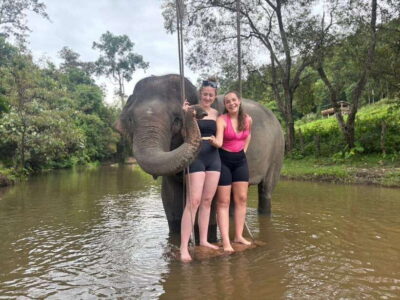
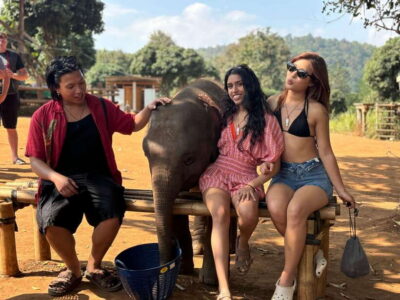
Elephant Sanctuary Feeding Program Half-Day Tour
Read our review →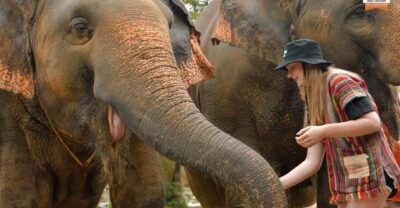
Elephant Jungle Sanctuary Ethical Feeding Experience
Read our review →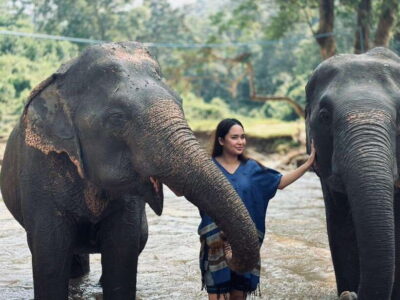
Elephant Sanctuary, Long Neck & Sticky Waterfall
Read our review →
Elephant Sanctuary Guided Tour with Hotel Transfers
Read our review →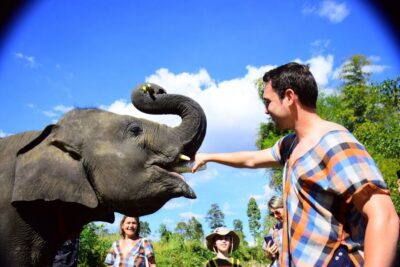

A Morning with the Elephants at Phuket Elephant Sanctuary
Read our review →Browse the lists this tour appears in