
Review · NATIONAL PARK TOURS
Samut Prakan: The Erawan Museum Admission Ticket (NON THAI)
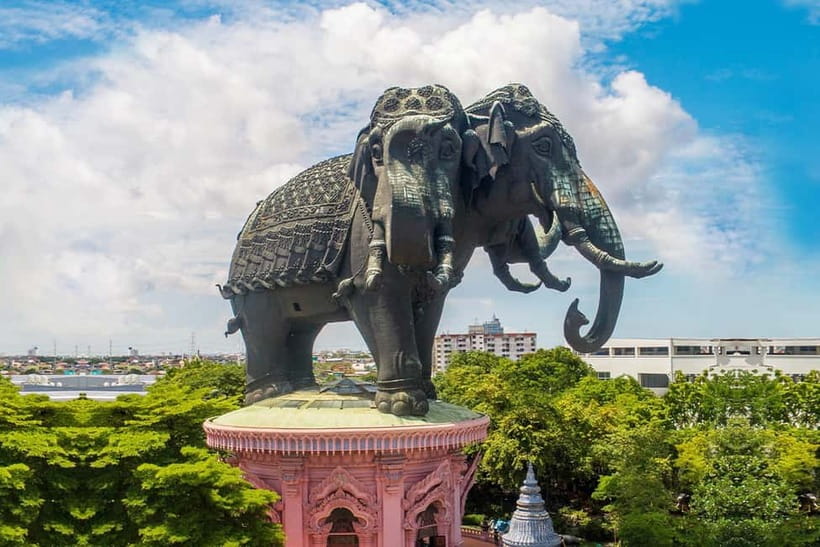
The first thing you notice is the massive three-headed bronze elephant, perched above the museum like a guardian from another world. It is based on Airavata, the mythological elephant of the Hindu god Indra, and it gives this museum a scale and drama that ordinary galleries cannot match.
I like the clear three-part idea: Underworld, Earth, and Heaven. I also like that your $12 ticket includes flowers, incense, and a lotus flower, so you can take part in the quiet devotional side of the site rather than simply walk in, take photos, and leave. The main consideration is dress: shorts, short skirts, and sleeveless shirts are not permitted.
In This Review
- Key points
- Why the Erawan Museum begins with an elephant
- Arriving from Chang Erawan BTS Station
- The bronze elephant and the outer grounds
- Underworld: beginning below the main collection
- Earth: where the collection finds its center
- Heaven: finishing beneath the elephant
- What the $12 ticket really covers
- Dress rules and respectful behavior
- Who will enjoy this museum most
- How to plan your visit
- Should you book the Erawan Museum ticket?
- FAQ
- How much does admission to the Erawan Museum cost?
- What does the Erawan Museum ticket include?
- How do I get to the Erawan Museum by BTS?
- Is transportation included with the ticket?
- How long is the ticket valid?
- Can I take photographs inside the museum?
- What clothing is not allowed?
- Can I bring food, drinks, or pets?
Key points
- A three-headed elephant you can see before entering: The huge bronze sculpture is the museum’s symbol and its most memorable photo spot.
- Three symbolic levels: Underworld, Earth, and Heaven organize the collection and give the building a story to follow.
- A museum built around preservation: Lek Viriyapant created the project to protect antique and sacred objects for future generations.
- Easy BTS access: Take the Green Line to Chang Erawan Station, E17, Exit 2, then use the free shuttle tuk-tuk.
- A $12 cultural stop: The admission covers the museum, surrounding areas, flowers, incense, lotus flower, taxes, and fees.
- Plan around temple-style rules: Food, drinks, pets, alcohol, drugs, and commercial photography are not allowed.
Why the Erawan Museum begins with an elephant
The Erawan Museum is not a conventional box filled with labeled displays. Its entire design grows from one powerful image: a three-headed elephant standing on a globe-like sphere.
Lek Viriyapant, a well-known antique collector, wanted a permanent home for his collection. He also wanted to preserve objects connected to older beliefs about blessing, protection, and prosperity. The result was a building that works as both museum and symbolic monument.
The elephant is based on Airavata, known in Hindu mythology as the vehicle of the god Indra. Here, the creature is more than decoration. It is shown protecting the earth and the sacred objects held inside the museum.
That idea matters when you arrive. You are not just looking at a large sculpture outside a museum. You are looking at the museum’s central argument: Thai culture, spiritual belief, art, and preservation can all occupy the same space.
The project was designed by Lek Viriyapant and passed to his son, Pagpean Viriyapant, for construction. Neither father nor son lived to see the work completed, but their family continued it. That adds a human note to the site. The museum is also a family effort to keep a cultural collection alive.
More national park tours in Thailand:
- Chiang Mai: Doi Inthanon National Park Eco-Friendly Tour
★ 4.6 · 6,667 reviews - Doi Inthanon Waterfall and Royal Project Chiang Mai
★ 5.0 · 1,735 reviews - From Bangkok: Erawan Park & Kanchanaburi Small-Group Tour
★ 4.5 · 1,582 reviews
Arriving from Chang Erawan BTS Station
The simplest way to reach the museum is by Bangkok’s Green Line. Get off at Chang Erawan Station, E17, and use Exit 2.
A free shuttle tuk-tuk runs from the station every day. This is useful because the museum is not a place where you need to arrange a private transfer just to cover the last stretch. Transfers are not included in the ticket, but the BTS and shuttle combination keeps the journey straightforward.
You should check your ticket’s assigned date and time before setting out. The admission is tied to the date and time selected when you book, even though the ticket is valid for eight hours once that period begins. That eight-hour window gives you plenty of room to plan the museum around other stops in Samut Prakan, but it does not mean you are joining an eight-hour guided tour.
There is no guide named for this experience, and the ticket is focused on entry rather than a guided explanation. If you like to move at your own pace, that is a benefit. If you want detailed interpretation of every object, you may need to do some reading before you arrive or use your own guide.
The bronze elephant and the outer grounds
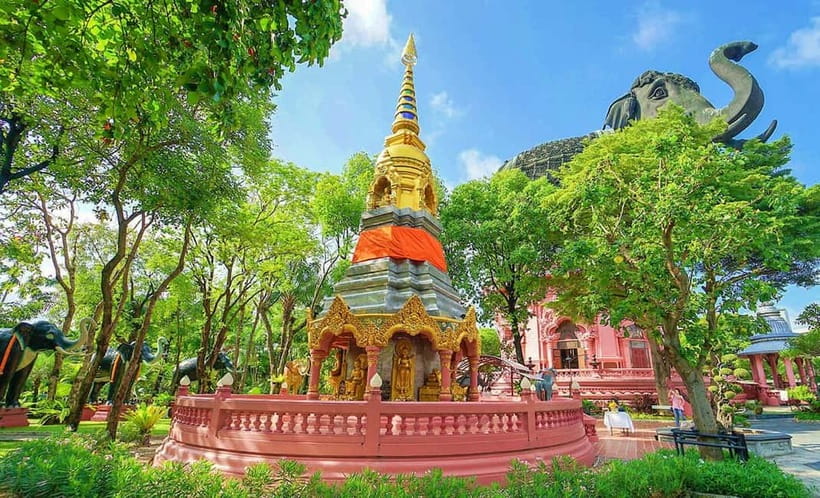
Before you enter, give yourself time to look at the elephant from several angles. Its three heads create the first visual shock, but the full effect comes from the relationship between the animal, the globe-like base, and the museum below.
The sculpture is designed to suggest protection. It also signals the country’s connection with elephants and the wider Hindu mythological world. You can take photographs in the exterior areas, so this is the natural place to make your broad, full-building pictures.
The surrounding area is included with admission. That gives you room to slow down before entering the main interior. You might find that the outside view explains the building better than a quick look from the entrance. The museum is meant to be read as one large composition, not as a plain structure with a sculpture added afterward.
Photography is allowed for personal use, but commercial photography and video are not permitted inside. If you are creating content for business purposes, clarify the rules before you begin. For most people, the practical point is simple: bring your camera or phone for personal photos, and keep the visit respectful.
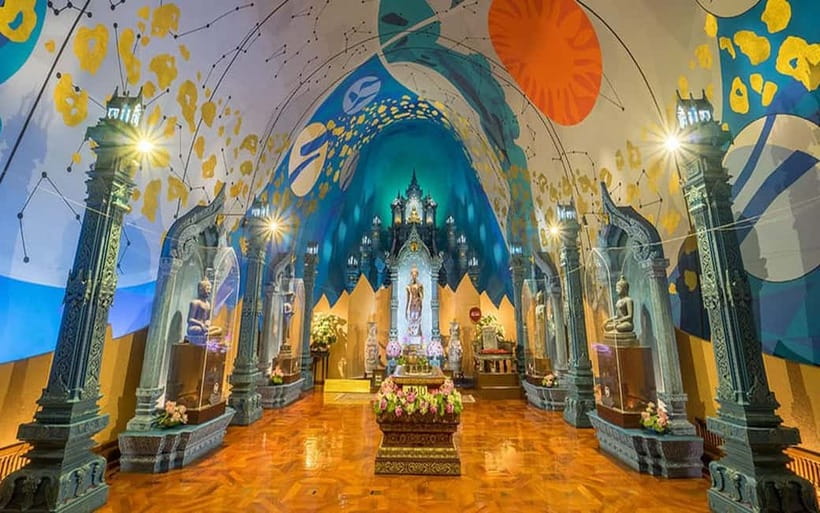
Underworld: beginning below the main collection
The museum is divided into three symbolic sections, beginning with Underworld. This lower area sets up the museum’s spiritual order.
You can think of Underworld as the foundation. It is the first part of the journey through the museum’s view of the universe, rather than simply a basement full of objects. The collection includes antiques and sacred items gathered by Lek Viriyapant, and this level helps frame them within older ideas about the unseen world.
The exact objects and displays can require patience. This is not a modern, fast-moving attraction where every room gives you a short explanation and a clear photo point. You will get more from it if you stop and consider why the items were preserved.
The included flowers, incense, and lotus flower are relevant here and throughout the visit. They let you make a small offering and connect with the devotional side of the museum. You are not required to turn the visit into a religious ceremony, but you should treat the objects and worship areas with care.
Keep your voice low. Quiet behavior is part of the visit, especially around sacred objects and places of worship. The museum asks you to be respectful, and that request shapes the mood more than any formal tour commentary could.
A few more Thailand trips to weigh up
- Samui:Elephant Jungle experience & The First Elephant Museum
★ 4.9 · 226 reviews - Chiang Mai: Art in Paradise Illusion Museum Entry Ticket
★ 4.4 · 82 reviews - Pattaya: Art in Paradise 3D Museum Discounted Ticket
★ 4.6 · 75 reviews - Pattaya: Buddha, Floating Market, Gems Museum Tour & Lunch
★ 3.7 · 31 reviews
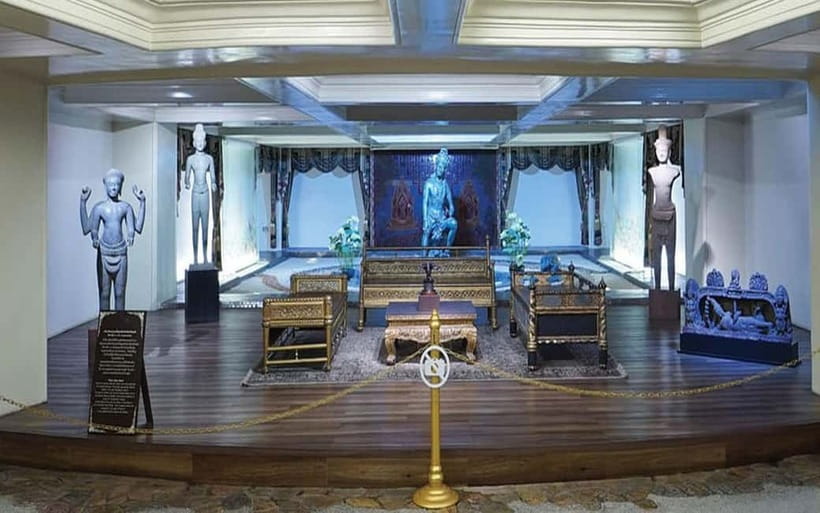
Earth: where the collection finds its center
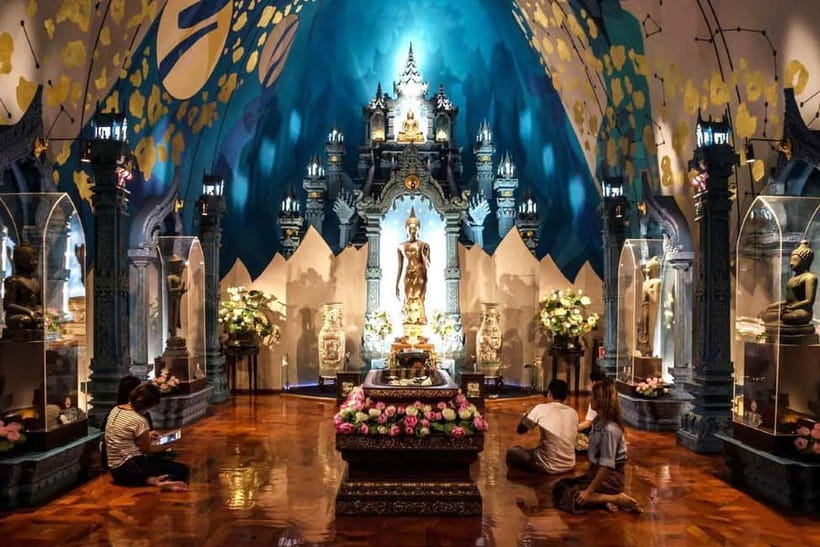
Earth forms the middle section of the museum and gives the overall design its balance. If Underworld is the foundation and Heaven is the destination, Earth is the human realm between them.
This is where the museum’s preservation purpose feels most direct. Lek Viriyapant collected objects because he believed they carried cultural and spiritual value. Some sacred items date back to ancient times, when people believed such objects could bring blessing and prosperity to the land.
That belief is important even if you do not share it. Museums often strip objects from their original setting and present them as art alone. Erawan Museum tries to retain a sense of purpose. The objects are shown as part of a larger cultural world, one that includes faith, protection, family memory, and national identity.
You should allow enough time to look closely rather than rushing from one photo to the next. The admission gives you access for eight hours, but most people will not need that entire period inside the museum. The generous validity is useful because you can take your time, visit the exterior more than once, or fit the stop into a broader day in Samut Prakan.
Earth is also likely to be the most approachable section for visitors who are less familiar with Hindu and Thai symbolism. It provides a human scale after the enormous elephant outside and before the more theatrical feeling of the upper level.
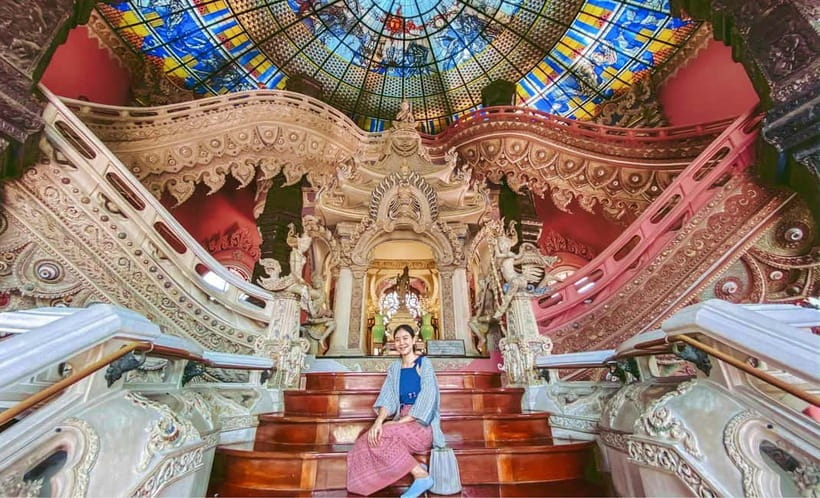
Heaven: finishing beneath the elephant
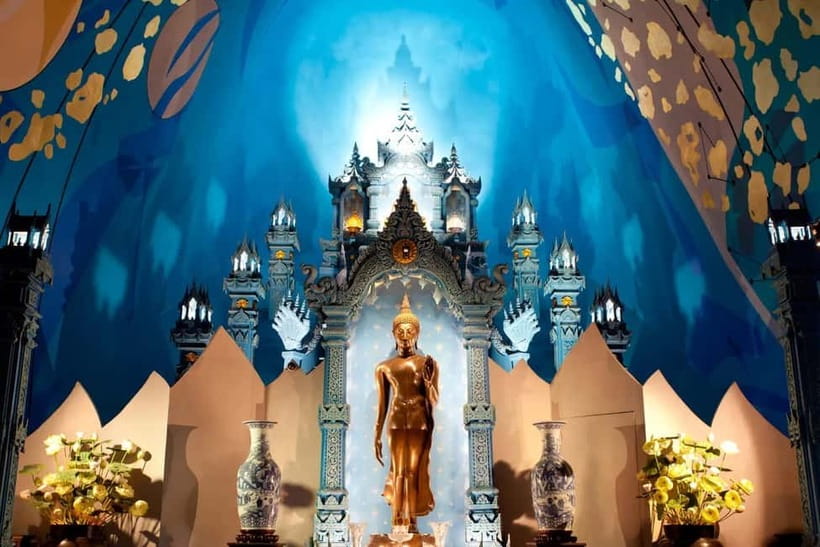
Heaven completes the museum’s symbolic route. The upper section brings you closer to the idea that the elephant protects the earth and the sacred collection below.
The building’s interior is one of the main reasons to bring a camera. The museum was designed as an elaborate setting, not merely as a storage room for antiques. Look up, look across the interior, and pay attention to how the space changes as you move through it.
The strongest photo opportunities are not limited to the front entrance. The interior, exterior, elephant, decorative details, and surrounding areas all offer different views. Personal photography is part of the appeal, but it should never take priority over quiet or respectful conduct.
A practical warning: food and drinks are not permitted. Do not plan to carry a snack through the galleries, and do not treat the museum grounds as a casual picnic stop. Alcohol and drugs are also prohibited, as are pets.
What the $12 ticket really covers
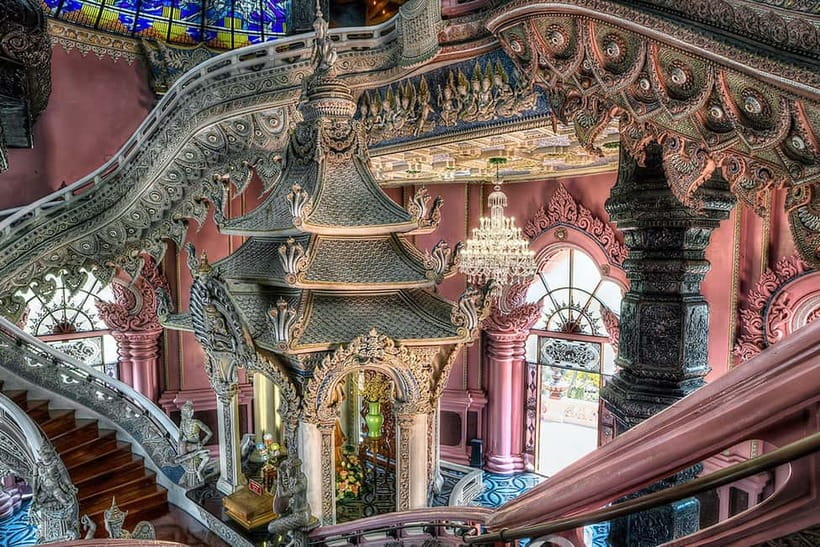
At about $12 per person, this is a reasonably priced cultural outing, especially if you value architecture, photography, mythology, and decorative art. The ticket includes more than entry to a single room.
Your admission covers:
- Access to Erawan Museum
- Access to the areas surrounding the museum
- Flowers, incense, and a lotus flower
- All taxes and fees
The flowers and incense give the ticket more meaning than a basic sightseeing admission. They are small inclusions, but they support the museum’s religious character and give you an appropriate way to participate.
Transfers are not included, so you still pay for your BTS ride if you use public transport. The free shuttle tuk-tuk from Chang Erawan Station helps keep that cost and effort low. Personal expenses are also separate.
The value is strongest for visitors who will take time to appreciate the design. If you only want a quick photo of the elephant, $12 may feel like more than you need to spend. If you are interested in the collection, symbolic layout, and interior decoration, the price is easier to justify.
Dress rules and respectful behavior
Dress carefully before leaving your hotel. Sleeveless shirts, shorts, and short skirts are not allowed. Modest clothing is the safe choice, and it avoids an awkward problem at the entrance.
You should also keep your voice down and avoid treating the museum like a theme park. The elephant is striking and the building is highly photogenic, but sacred objects remain part of the setting.
Food and drinks are prohibited. Pets are not permitted. Alcohol and drugs are prohibited. Commercial photography and video are not allowed inside, although personal photos are part of the experience.
These rules are not difficult to follow, but they affect how you plan the visit. Dress for a cultural site, eat before or after, and charge your phone before you arrive if photography matters to you.
Who will enjoy this museum most
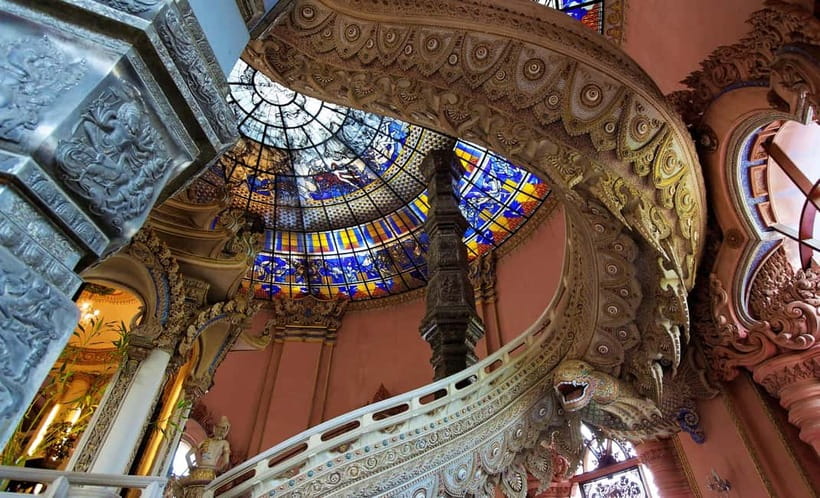
I would recommend Erawan Museum to you if you like unusual buildings, religious symbolism, antique collections, and places that make a strong visual impression. It is also a good choice if you want a cultural stop outside the central Bangkok sightseeing circuit.
Families may appreciate the giant elephant and the clear three-level concept, though younger children may not spend long studying the collection. Photographers will find plenty to frame, both outdoors and inside.
The museum is less suitable if you want a fully guided experience with a detailed spoken explanation. No guide is included in the ticket information, and you should expect to explore independently.
It may also disappoint you if you want a quick, modern gallery with lots of concise labels. Erawan Museum asks you to respond to its atmosphere and design. The meaning is built into the architecture, the objects, and the symbolism rather than delivered only through text.
How to plan your visit
Choose your date and time with care because you can visit only during the specified booking period. The ticket is valid for eight hours, giving you flexibility once your visit begins.
A simple plan works well:
- Take the BTS Green Line to Chang Erawan Station, E17.
- Leave through Exit 2.
- Use the free shuttle tuk-tuk.
- Arrive in modest clothing.
- Start with the elephant and exterior grounds.
- Follow the three symbolic sections, Underworld, Earth, and Heaven.
- Leave time for personal photos and a quiet offering.
- Eat and drink before or after the museum.
You do not need to rush from one section to the next. The museum’s appeal comes from the way the parts connect. Start outside, look at the whole structure, then enter and work upward through its symbolic order.
Should you book the Erawan Museum ticket?
Book it if you want a distinctive half-day cultural stop with a spectacular central image and easy BTS access. The combination of the giant elephant, three-part museum design, antique collection, and included flowers and incense gives the visit more depth than a simple photo stop.
Skip it if your priority is a guided tour, a modern art museum, or a completely casual attraction where you can eat, dress informally, and move without restrictions.
For most visitors who enjoy architecture and Thai religious culture, the $12 admission is fair value. Dress modestly, use Chang Erawan Station and the free tuk-tuk, and give yourself time to look beyond the elephant. The sculpture gets you through the gate, but the story of preservation and the three symbolic worlds are what make the visit worth your time.
FAQ
How much does admission to the Erawan Museum cost?
The non-Thai admission ticket costs $12 per person.
What does the Erawan Museum ticket include?
It includes admission to the museum, access to the surrounding areas, flowers, incense, a lotus flower, taxes, and fees.
How do I get to the Erawan Museum by BTS?
Take the BTS Skytrain Green Line to Chang Erawan Station, E17. Exit at Exit 2, where a free shuttle tuk-tuk operates every day.
Is transportation included with the ticket?
Transfers are not included. However, a free shuttle tuk-tuk is available from Chang Erawan BTS Station Exit 2.
How long is the ticket valid?
The ticket is valid for eight hours, subject to the available starting times and the date and time selected when booking.
Can I take photographs inside the museum?
Personal photography and video are allowed, but commercial photography and video are not permitted inside the museum.
What clothing is not allowed?
Shorts, short skirts, and sleeveless shirts are not permitted. You should dress modestly.
Can I bring food, drinks, or pets?
No. Food, drinks, pets, alcohol, and drugs are not allowed at the museum.
Just added around Thailand
- Damnoen Saduak Floating Market Small Group Tour★ 4.0 · 107 reviews
- Angkor Wat 2-Day Tour from Bangkok★ 5.0 · 8 reviews
- Arrival Private Airport Transfer : Bangkok Airport to Hotel in Bangkok★ 4.5 · 142 reviews
- Private Best of Bangkok Full Day Highlights City Tour★ 4.5 · 13 reviews
- Ancient Wonders of Ayutthaya with Return Scenic River Cruise★ 4.0 · 31 reviews
- Private Ancient city of Ayutthaya Shore Excursion★ 5.0 · 9 reviews
- Ancient City Ayutthaya Private Guided Day Tour★ 5.0 · 49 reviews
- Ancient City Bangkok and Erawan Museum Tickets★ 4.5 · 8 reviews
National Park Tours, compared.
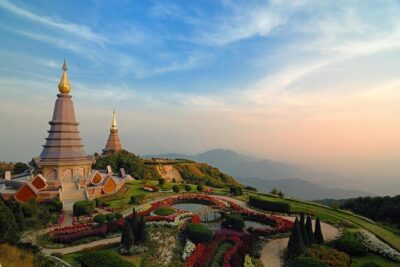
Doi Inthanon Waterfall and Royal Project Chiang Mai
Read our review →

3-in-1: Doi Inthanon Tour, Elephant Sanctuary, and Trekking Trail
Read our review →

Doi Inthanon Park with Kew Mae Pan Hike Day Trip
Read our review →
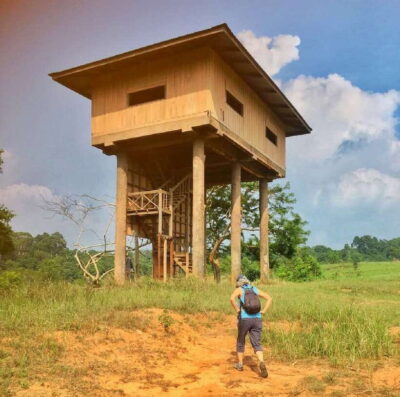

Doi Inthanon Private Tour with Trek & Lunch from Chiang Mai
Read our review →Browse the lists this tour appears in