
Review · CHIANG MAI TOURS
Meditation Retreat and Self-Care in Nature
The most useful thing about this Chiang Mai retreat is its simple rhythm: walk slowly, sit quietly, stretch gently, then share tea. Amori leads the session in English and explains each practice clearly, making this a good first step if meditation feels awkward or your mind refuses to settle.
I like the small group limit of six, which allows the yoga to be adjusted for beginners, older participants, or experienced practitioners. I also like the setting away from city noise, plus the small Thai touch at the end, which may include fruit, snacks, or sticky rice treats. The main consideration is that the yoga can feel challenging for a complete beginner, and one person found the English communication less relaxing than expected.
In This Review
- Key points to know before you book
- A quiet change of pace from Chiang Mai
- Mindful walking among trees and open air
- Guided sitting meditation with room to ask questions
- Gentle yoga that may be more demanding than expected
- Tea, Thai snacks, and a slower conversation
- What the teacher adds to the experience
- Is $48 fair for three hours?
- Who will get the most from this retreat?
- Practical advice for a comfortable session
- Should you book it?
- FAQ
- Where does the meditation retreat meet?
- How long does the experience last?
- How much does it cost?
- What activities are included?
- Is the class taught in English?
- How many people can join?
- Do I need previous meditation or yoga experience?
- Is hotel pickup and drop-off included?
- What should I wear?
- Can I cancel the booking?
Key points to know before you book
- Three calm hours outside the city rhythm: The session combines mindful walking, seated meditation, yoga, and time in a garden.
- Amori teaches in English: She is patient, attentive, and willing to explain meditation and yoga in detail.
- A genuine small-group experience: No more than six people can join, and the practice may become almost private if few people book.
- Suitable for first-timers, with limits: Meditation is beginner-friendly, but some yoga positions may challenge people with limited mobility or no yoga background.
- Thai culture comes through small details: Tea, coffee, fruit, Thai snacks, and Buddhist ideas may form part of the closing conversation.
- Good value at $48: For three hours of guided instruction and a quiet setting, the price is fair, especially if you want more than a standard drop-in yoga class.
A quiet change of pace from Chiang Mai
Chiang Mai is easy to enjoy at full speed. You can visit temples, shop markets, eat northern Thai food, and fill every hour with plans. This retreat offers the opposite: a deliberate pause in nature, with enough structure to keep your mind from wandering off after five minutes.
You meet at Flow Yoga Chiang Mai, the stated meeting point. Hotel pickup and drop-off are not included, so you arrange your own way there. Several participants used Grab successfully, and Amori has helped people with transport choices and return taxis, but you should still allow time to get to the meeting point without rushing.
The experience lasts three hours. That is long enough to learn several methods without committing to a full-day or multi-day retreat. You will not leave as a meditation master, but you can leave with a few practical tools for slowing down, noticing your body, and returning attention to the present.
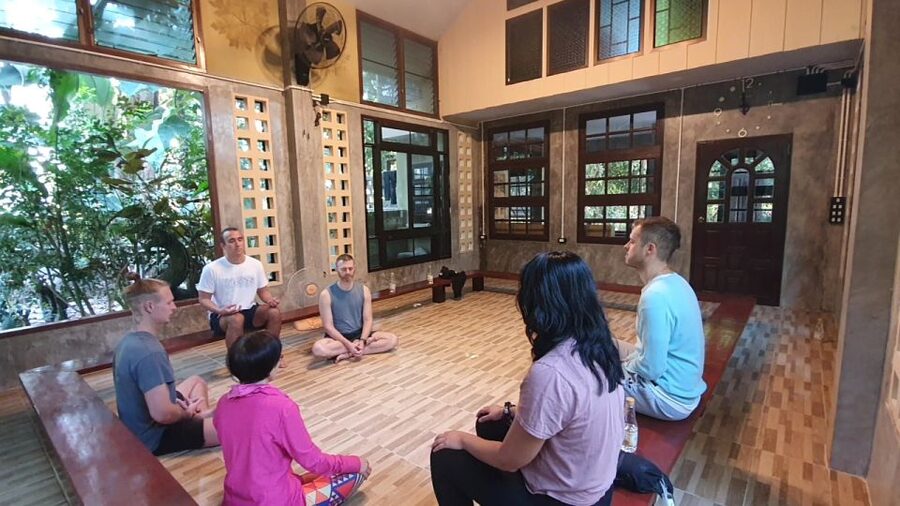
The group limit of six matters here. Meditation can feel exposed when a teacher is watching a large room, while yoga instruction can become generic. With six or fewer people, Amori has room to ask about your experience and adjust the practice. When only one person books, the session can turn into a private lesson.
Other Chiang Mai days people book alongside this one:
- Half-Day Thai Cooking Class at Organic Farm in Chiang Mai
★ 5.0 · 19,087 reviews - Chiang Mai: Elephant Sanctuary, Waterfall & Bamboo Rafting
★ 4.9 · 9,160 reviews - Chiang Mai: Doi Inthanon National Park Eco-Friendly Tour
★ 4.6 · 6,667 reviews
Mindful walking among trees and open air
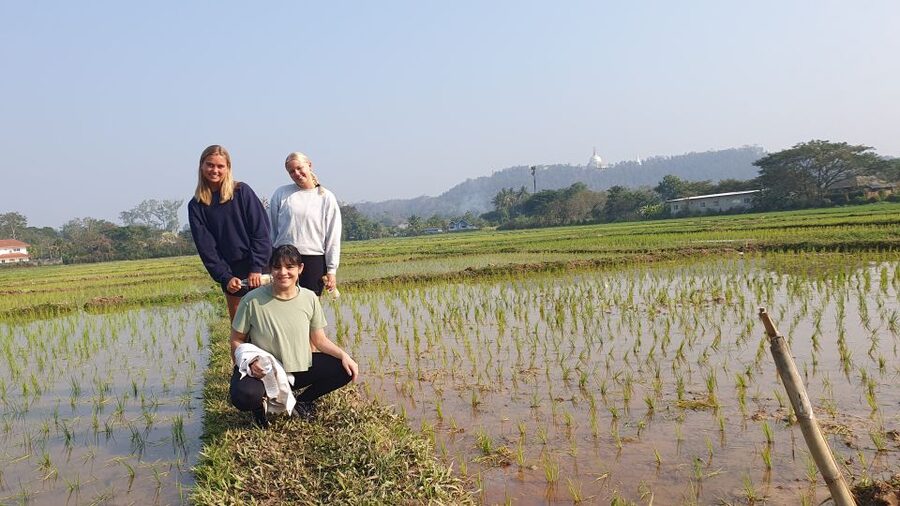
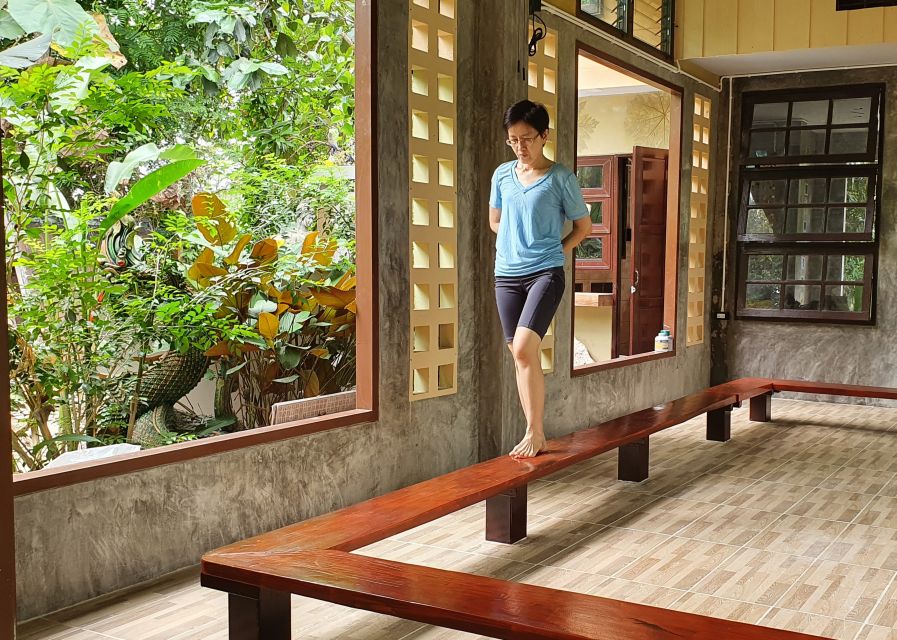
The first main practice is mindful walking. This is not a hike or a sightseeing walk. The point is to notice each step, your breathing, and the sensations in your body instead of moving automatically from one activity to the next.
That makes it a useful introduction for people who struggle with sitting still. You begin with movement, then gradually bring the same attention to a quieter practice. Amori explains the method and guides you through it rather than simply telling you to clear your mind.
You should not expect a long nature excursion. The available information describes practice among nature and exploration around the retreat setting, but it does not promise a particular trail, viewpoint, or wildlife encounter. The appeal is the calm environment, not a dramatic outdoor attraction.
The setting is especially helpful because the space is described as clean and secluded from noisy distractions. That gives the walking practice a clear purpose. You are not trying to compete with traffic, crowds, or music from the street.
I like this part for first-time meditators. Walking gives you something physical to notice, which can make the exercise less mysterious. If you are already comfortable with mindfulness, the value comes from practicing under guidance and learning how to carry awareness into ordinary movement.
Guided sitting meditation with room to ask questions
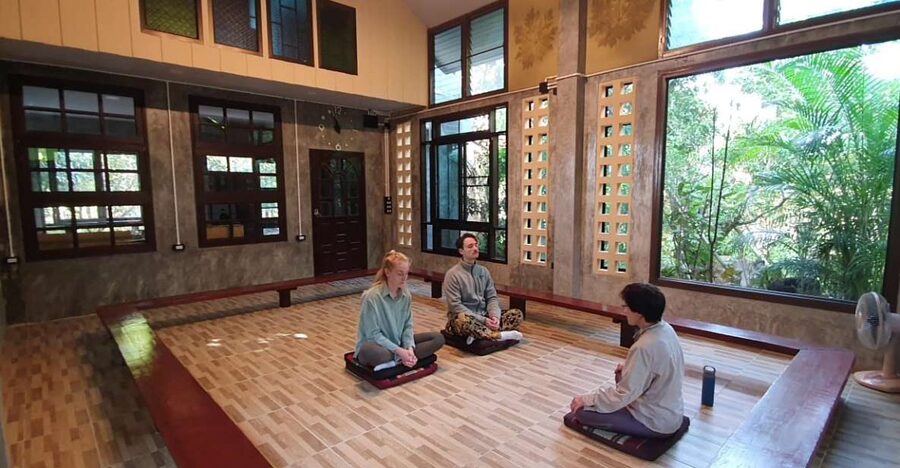
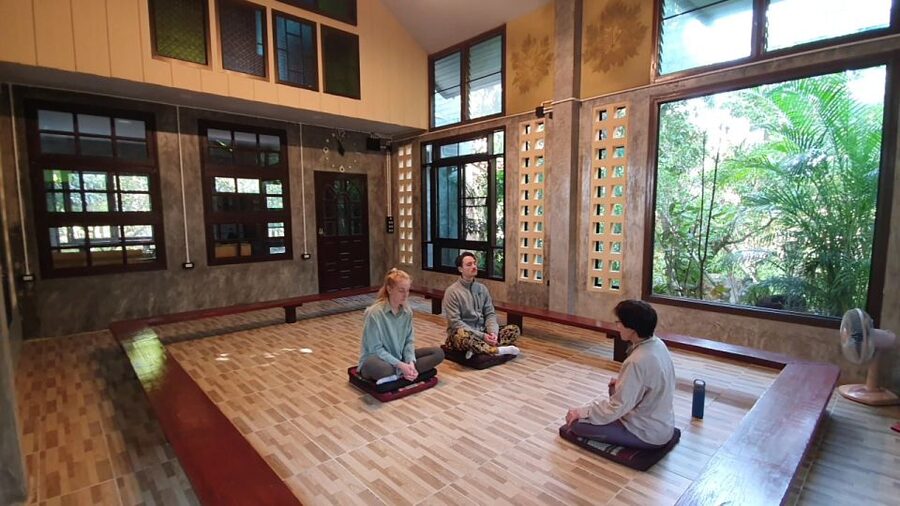
After walking, the session moves into guided sitting meditation. Amori explains the steps and offers direction as you practice. This is not presented as a silent retreat where you are left alone to figure things out.
That guidance is one of the strongest reasons to book. Meditation often sounds easy until you try it. Your back aches, your thoughts race, and an old memory appears just when you think you are doing well. Amori’s teaching gives you a way to work with those interruptions instead of treating them as failure.
The meditation can also include discussion about mindfulness, intention, and Buddhist philosophy. One participant described receiving a short introduction to Buddhist thought, while others found the explanations and conversation thought-provoking. You should see this as a practical introduction rather than a formal religious course.
The amount of meditation may vary with the group. One solo session included about two hours of guided meditation before yoga, while the general plan places walking and sitting meditation first, followed by stretching. That suggests Amori adapts the balance to the people present.
This flexibility is useful, but it also means the exact timing is not fixed down to the minute. If you want a strict yoga class with a predictable sequence, this is not quite that. The emphasis is on personal attention and learning, not on rushing through a checklist.
Gentle yoga that may be more demanding than expected
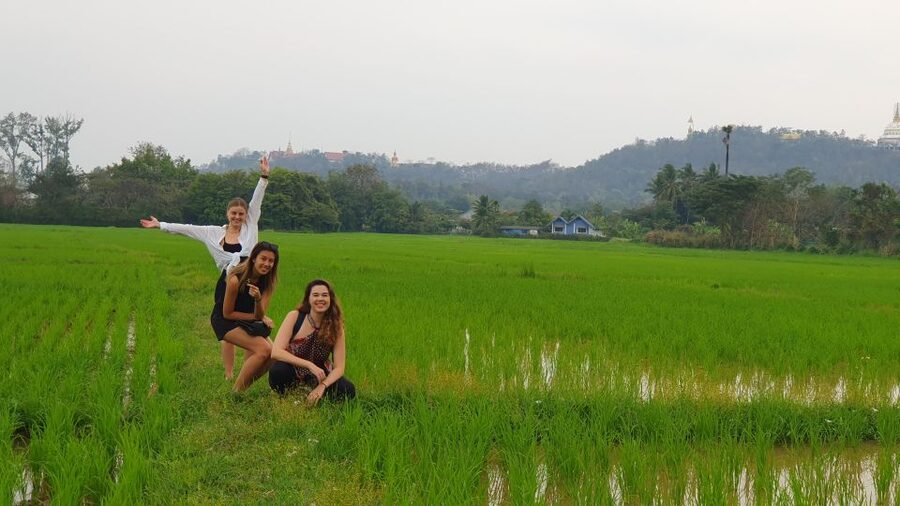
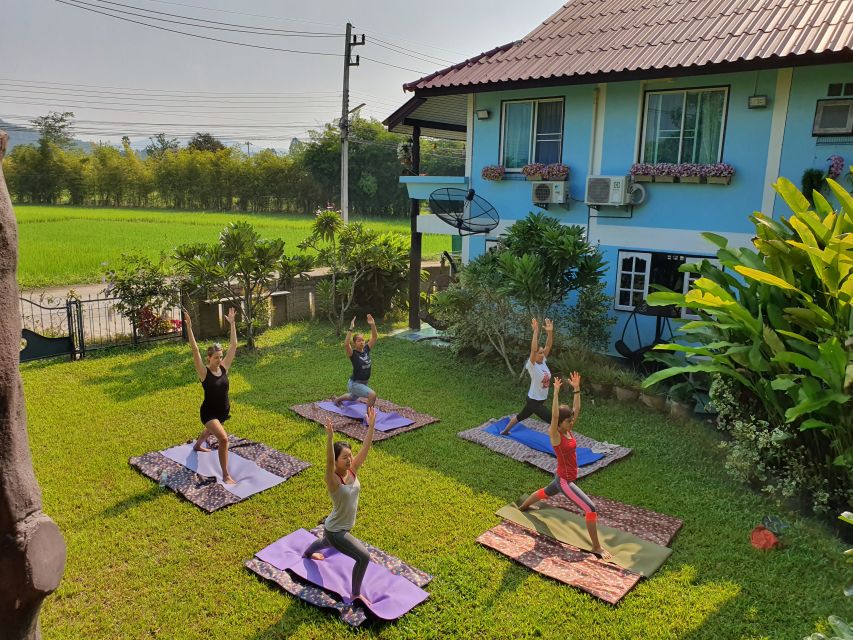
The final active portion is yoga or gentle stretching. Amori adapts the practice to the people in front of her, which is important because the group may include a complete beginner, a senior participant, and someone with long-term yoga experience.
Beginners have found the instructions easy to follow, and first-time practitioners have been encouraged to continue learning at home. At the same time, not every pose will feel gentle to every body. One beginner found the yoga more advanced than expected, and another older participant could not keep up with some movements and positions.
That is the key practical warning. Gentle does not mean effortless. Bring comfortable clothing and, ideally, clothes that allow free movement. The activity information specifically asks you to wear comfortable clothes, and athletic clothing is a sensible choice based on the physical portion.
Experienced yoga practitioners should not assume the class will be too basic. Amori has adjusted routines to make them more challenging for people with an established practice. The session can therefore work for mixed ability levels, although the precise sequence depends on who attends.
If you have injuries, serious mobility limits, or concerns about particular positions, explain them before practice begins. The class is adapted to practitioners, but the supplied information does not promise medical supervision or a specialized therapeutic program.
Same coastline, a completely different day out:
- Chiang Mai: Elephant Sanctuary & Waterfall Group Tour
★ 4.9 · 5,780 reviews - Chiang Mai: Chiang Rai Temples, Karen Tribe and Hot Springs
★ 4.7 · 5,401 reviews - Chiang Mai: Cooking Class, Market & Thai Herbs Garden Tour
★ 4.9 · 4,824 reviews - Chiang Mai: Authentic Cooking Class with Market & Farm Visit
★ 4.9 · 4,546 reviews
Tea, Thai snacks, and a slower conversation
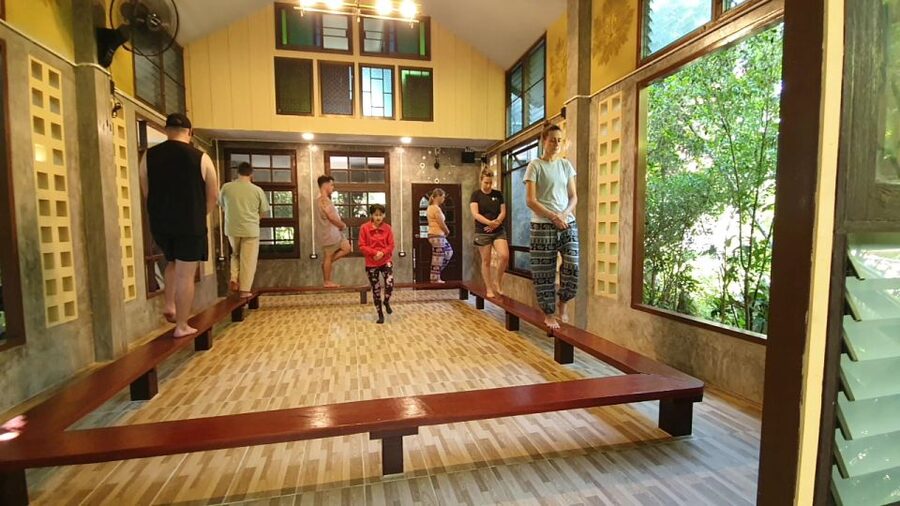
The session ends with tea or coffee in a beautiful garden. This closing pause is more than a drink after exercise. It gives you time to let the practices settle and to talk with Amori without being focused on the next pose.
Small Thai refreshments may also appear. People have enjoyed fresh fruit, Thai snacks, sticky rice treats, and other food offered at the end of the session. These details are not presented as a full meal, so do not arrive expecting lunch. Think of them as a thoughtful cultural touch.
This is where the activity connects most clearly with Thai culture. You are not being taken through a long cultural lecture or a series of tourist stops. Instead, the cultural element comes through the setting, hospitality, conversation, food, and Buddhist ideas linked to the meditation practice.
I prefer this quieter approach to a rushed cultural add-on. It gives you a chance to ask questions and notice how the teacher connects daily life with mindfulness. If your main goal is temples, history, or cooking, choose a different Chiang Mai activity. If you want a calm human exchange alongside meditation and yoga, this fits better.
What the teacher adds to the experience
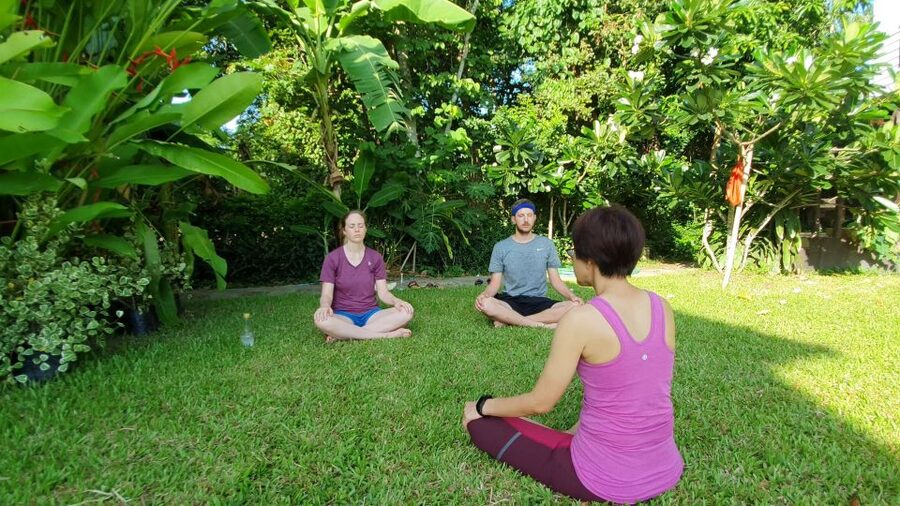
Amori is the central part of the retreat. Her teaching style is described as calm, friendly, patient, and clear. She takes time to understand your past meditation and yoga experience, then explains why you are doing each exercise.
That matters more than polished facilities. A meditation class can feel vague if the instructor gives broad advice and leaves you alone with your thoughts. Here, the teaching includes practical steps, corrections, and conversation.
Her support also extends beyond the session. She has advised participants about transport and helped arrange a taxi back to Chiang Mai. Hotel transfer is not part of the booking, but this kind of communication can make the journey less stressful.
The English level appears strong enough for instruction and personal conversation, but one participant found the language difference made it harder to relax fully. If subtle philosophical discussion is especially important to you, keep that possibility in mind. Most of the session is practical, though, and the core exercises are explained in English.
Is $48 fair for three hours?
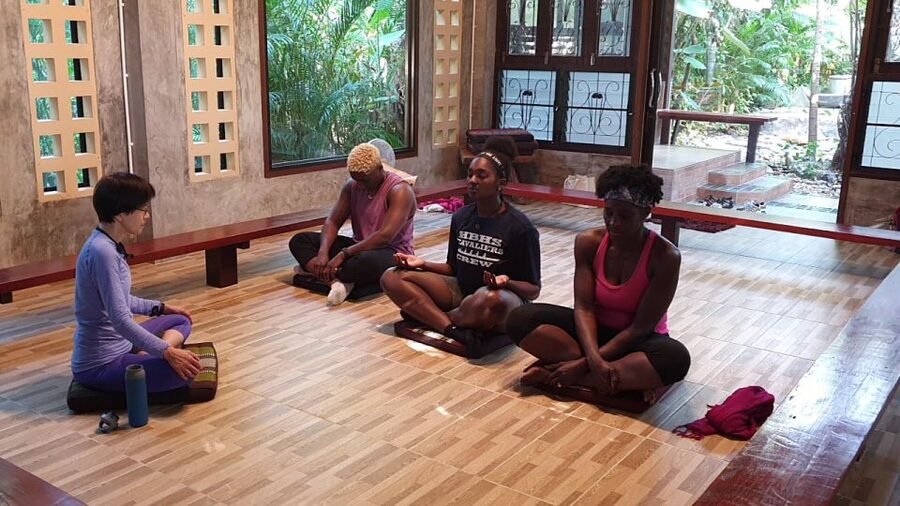
At $48 per person, this is not the cheapest yoga class in Chiang Mai. You are paying for a three-hour guided experience, a small group, a nature setting, meditation instruction, yoga, and a drink or light refreshments.
The value is strongest if you want personal attention. A regular group yoga class may cost less, but it is unlikely to include mindful walking, a substantial guided meditation session, conversation about Buddhist philosophy, and adjustments based on your experience.
The price is also easier to justify if your schedule does not allow a longer retreat. A three-day program requires more hotel time and planning. This session gives you a meaningful sample without taking over your Chiang Mai visit.
The value drops if you are already an advanced meditator looking for silence, intensive practice, or a formal retreat structure. It may also feel expensive if you only want a short stretching class. For a visitor who wants a thoughtful introduction and a peaceful break from sightseeing, the price is reasonable.
The booking terms are traveler-friendly. You can reserve now and pay later, and cancellation is free up to 24 hours before the start for a full refund. Check the available starting times before booking, since the exact schedule can vary.
Who will get the most from this retreat?
I would recommend this experience to:
- Meditation beginners who want someone to explain what to do rather than rely on an app.
- People with busy Chiang Mai itineraries who need three hours of quiet without signing up for a multi-day program.
- Yoga beginners who are comfortable trying basic movement and telling the teacher when something is too much.
- Experienced yoga practitioners who want a more personal session with room for a challenge.
- Solo visitors who value conversation and may receive very close instruction in a small group.
- Couples or friends looking for a calm shared activity rather than another sightseeing stop.
I would be more cautious if you need hotel transportation, a completely silent retreat, highly advanced yoga, or a fully formal Buddhist program. The class is personal and adaptable, but it is still a short introduction.
Practical advice for a comfortable session
Wear loose, comfortable clothes that let you walk, sit, and stretch. Athletic clothing is a good choice if you are unsure how active the yoga portion will be.
Arrive with enough time to find Flow Yoga Chiang Mai. Pickup and drop-off are not included, so plan your Grab or other transport in advance, especially for the return journey.
Tell Amori about your yoga and meditation experience at the start. Mention your age-related limits, injuries, or poses you prefer to avoid. The class can be adapted, but the teacher needs useful information before the physical work begins.
Keep your schedule light afterward if you can. The session may leave you feeling refreshed, but meditation and concentrated discussion can also make you want a quiet evening rather than another packed activity.
The experience has received an overall rating of 5 from 46 reviews, with one 4-star assessment. The strongest praise centers on Amori’s patience, the peaceful setting, the quality of the meditation instruction, and the personal attention available in a tiny group. The main cautions are the occasional demanding yoga position and a possible language barrier.
Should you book it?
Book this retreat if you want a well-guided first encounter with meditation, gentle movement, and a quieter side of Chiang Mai. The small group, garden setting, personal instruction, and Thai refreshments give it more character than a standard studio class.
You should also book if you have tried meditating alone and found it difficult. Amori’s explanations can give you a workable routine to take home, which is likely the most lasting benefit of the three hours.
Skip it if your priority is a major cultural attraction, a long nature walk, hotel transport, or advanced yoga training. For everyone else, $48 is a fair price for a calm, personal session that can bring welcome balance to a busy Thailand itinerary.
FAQ
Where does the meditation retreat meet?
The meeting point is Flow Yoga Chiang Mai in Chiang Mai Province, Thailand.
How long does the experience last?
The activity lasts three hours.
How much does it cost?
The price is $48 per person.
What activities are included?
The session includes mindful walking, guided sitting meditation, yoga or gentle stretches adapted to the participants, and tea or coffee in a garden.
Is the class taught in English?
Yes. The instructor and activity language are English.
How many people can join?
The group is limited to six participants.
Do I need previous meditation or yoga experience?
No. The practice is suitable for beginners, and yoga is adapted to the people attending. Some positions may still feel challenging if you are new to yoga.
Is hotel pickup and drop-off included?
No. You need to arrange your own transportation to and from Flow Yoga Chiang Mai.
What should I wear?
Wear comfortable clothes suitable for mindful walking, sitting meditation, and yoga or gentle stretching.
Can I cancel the booking?
Yes. You can cancel up to 24 hours in advance for a full refund. You can also reserve now and pay later.
Just added around Chiang Mai
- Taste of Chiang Mai: Michelin Guide & Street Food Tour★ 4.9 · 159 reviews
- Red, Blue, White Temples & Hot Spring Trip from Chiang Mai★ 4.4 · 143 reviews
- From Chiang Mai: Mae Taeng Valley and Waterfalls Cycle Tour★ 4.9 · 159 reviews
- Long Neck Village, Silver Temple & Chiang Mai Top Sites★ 4.7 · 17 reviews
- Chiang Mai: Local Northern Thai Cooking Class at Grandma’s★ 5.0 · 33 reviews
- Chiang Mai: Khum Khantoke Northern Thai Cuisine and Show★ 4.3 · 38 reviews
- Private : Sticky Waterfall & Secret Temple & Karen Village.★ 5.0 · 9 reviews
- Half-day with CHIANGMAI ELEPHANT CARE program (12pm-6pm.)★ 5.0 · 27 reviews
Chiang Mai Tours, compared.
Half-Day Thai Cooking Class at Organic Farm in Chiang Mai
Read our review →
Elephant Sanctuary, Waterfall & Bamboo Rafting
Read our review →
Chiang Rai Temples, Karen Tribe and Hot Springs
Read our review →
Cooking Class, Market & Thai Herbs Garden Tour
Read our review →
Authentic Cooking Class with Market & Farm Visit
Read our review →
Elephant Sanctuary Feeding Program Half-Day Tour
Read our review →
Browse the lists this tour appears in