
Review · THAI COOKING CLASSES
Silom Thai Cooking Experience with Market Visit
The best part of this Bangkok experience happens before you touch a wok. You visit a local market with an instructor, learn how to judge fresh produce and spices, then carry that knowledge back to the school kitchen. The market lesson gives the cooking real context, rather than treating Thai food as a list of recipes.
I like the small class size, which is limited to 10 participants per class and no more than 12 overall. I also like the air-conditioned cooking room, a welcome detail in Bangkok, and the chance to make several dishes from scratch. The main consideration is timing: arrive by 8:45 a.m., since a late arrival after 9:05 a.m. may miss the market visit.
In This Review
- Key points to know before booking
- A Bangkok cooking class that begins with the ingredients
- The market visit sets the tone
- Five dishes, from hot soup to mango sticky rice
- Tom yum
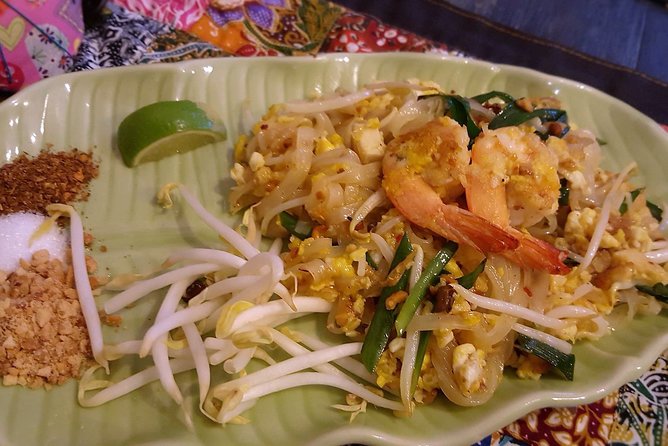
- Pad thai
- Chicken green curry
- Panang curry
- Mango sticky rice
- What the small group means in practice
- Air conditioning is more than a small comfort
- Is $59.99 good value?
- Getting there and planning the morning
- Who will enjoy this class most?
- Should you book the Silom Thai Cooking Experience?
- FAQ
- Where does the Silom Thai Cooking Experience begin?
- What time should I arrive?
- What happens if I arrive after 9:05 a.m.?
- How many people can join the class?
- Which Thai dishes are included?
- Is a vegetarian option available?
- Is hotel transportation included?
Key points to know before booking
- The morning starts at a local market, where you learn to select ingredients and identify Thai produce and spices.
- The menu covers five well-known dishes, including pad thai, tom yum, chicken green curry, Panang curry, and mango sticky rice.
- A small group makes hands-on cooking easier, with a class limit of 10 and an overall activity limit of 12.
- The class takes place in air conditioning, a practical advantage during Bangkok’s hot, humid mornings.
- Vegetarian cooking is available, and you should report dietary restrictions when booking.
- The published details contain a small menu discrepancy, listing four included dishes in one place and five dishes in the itinerary, so confirm the day’s menu if that matters to you.
A Bangkok cooking class that begins with the ingredients
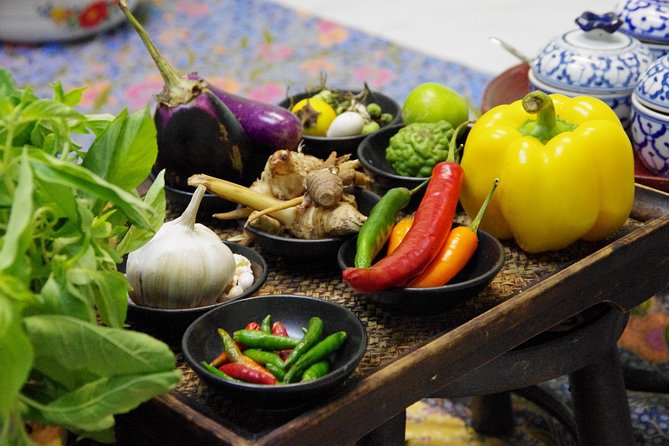
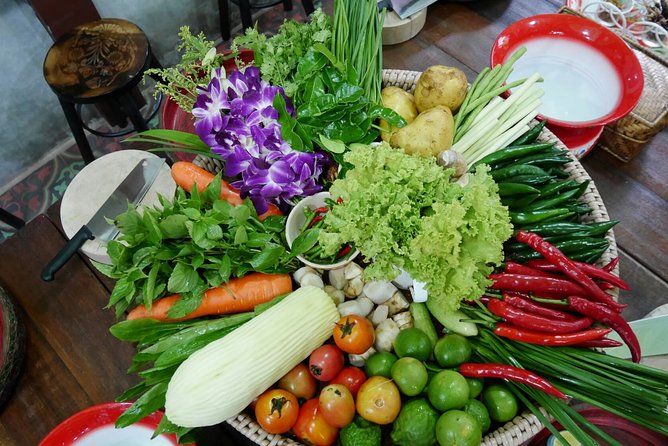
Thai cooking makes more sense once you know what you are looking at. Galangal, lemongrass, curry pastes, chilies, herbs, coconut milk, and tropical fruit can seem like a confusing pile of produce if you meet them only at a cooking station. At the market, you get help choosing ingredients and learn how freshness affects the finished dish.
That first stop also gives you a look at an everyday part of Bangkok life. This is not simply a classroom with ingredients already measured into bowls. You begin by seeing the raw materials, asking how to select them, and understanding which items matter most in Thai cooking.
The experience starts at Silom Thai Cooking School, at 6/14 Decho Road in the Suriya Wong area of Bang Rak. You meet there in the morning and walk or travel to the market as a group. Hotel pickup and drop-off are not included, so you need to make your own way to the school.
I see the market visit as the feature that gives this class its value. Plenty of cooking lessons can teach you to follow instructions. Fewer show you how to make sensible choices before the recipe begins.
More Thai Cooking Classes in Bangkok
- Bangkok: Hands-on Thai Cooking Class and Market Tour
★ 4.9 · 1,614 reviews - Bangkok: Tingly Thai Cooking School Half-Day Cooking Class
★ 4.9 · 1,191 reviews - Bangkok: Maliwan Thai Cooking Class with Market Tour
★ 4.9 · 1,133 reviews
The market visit sets the tone
The morning schedule is strict for a good reason. You should arrive between 8:30 and 8:45 a.m., because the group begins organizing for the market at 8:45. The latest joining time is 9:05, after which the market visit is already underway. If you arrive late, you stay at the school until the class returns.
That rule is worth taking seriously. Missing the opening market walk means losing one of the most distinctive parts of the activity, and you cannot simply catch up halfway through the shopping. Build in extra time for Bangkok traffic and finding the meeting point.
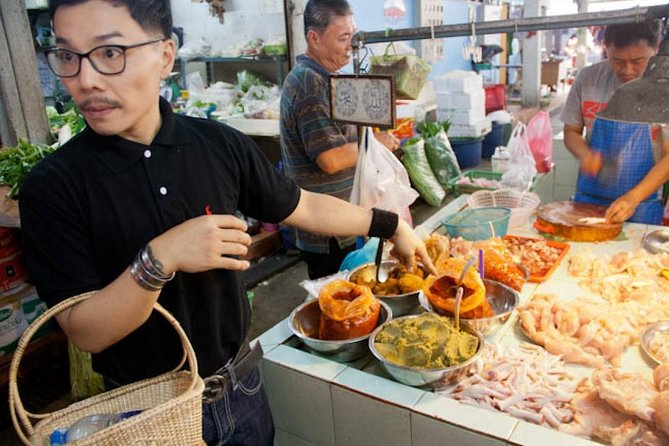
At the market, the instructor helps you choose the ingredients needed for the day’s dishes. The focus is practical: how to select fresh fruit, how to recognize useful herbs and spices, and how Thai cooks work with produce before it reaches the pan.
One especially useful lesson concerns fruit selection. Mango sticky rice looks simple on the plate, but the quality of the mango matters. Learning how to choose fruit is the sort of small skill you can use later at a Bangkok market or when trying Thai recipes at home.
The market portion is also a good fit for people who enjoy food culture but do not want a long formal tour. It is connected to the cooking, so the information has an immediate purpose. You learn an ingredient and soon see how it is used.
Five dishes, from hot soup to mango sticky rice
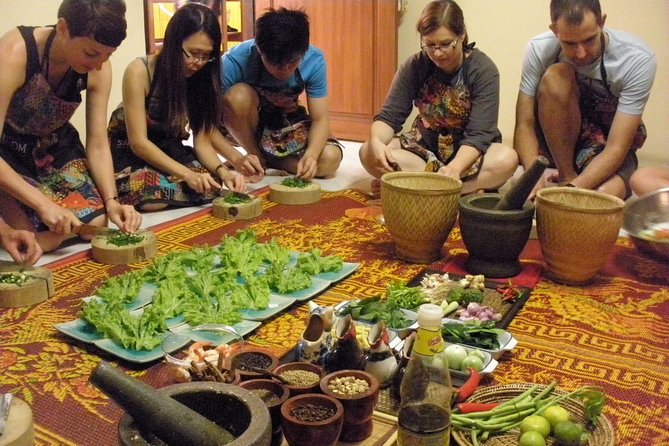
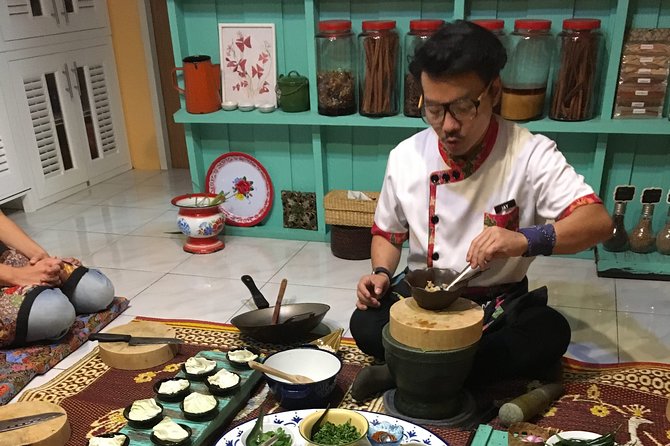
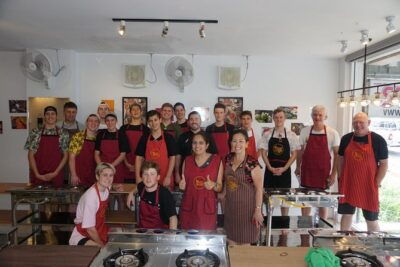
Back at the school, you prepare Thai food with an instructor, working through the menu from scratch. The listed dishes are tom yum, pad thai, chicken green curry, Panang curry, and mango sticky rice.
That is an ambitious menu for a three-hour class. You should not expect a long, leisurely restaurant-style meal between every course. The pace is likely to be active, with the instructor keeping the group moving through preparation, cooking, and eating.
Tom yum
Tom yum introduces the balance of hot, sour, salty, and aromatic flavors that makes Thai food so recognizable. It is not just a spicy soup. The dish depends on the relationship between its ingredients, and the class gives you a chance to see how those flavors come together.
This is a useful first lesson because it shows why Thai food can taste complex without requiring a long list of difficult techniques. You learn how fresh ingredients and seasoning work together in a single bowl.
Same coastline, a completely different day out:
- Bangkok: Damnoen Saduak Market and Maeklong Railway Market
★ 4.5 · 26,723 reviews - The Old Siam: Damnoen Saduak and Maeklong Railway Market
★ 4.5 · 10,992 reviews - From Bangkok: Ayutthaya Temples Guided Tour with Lunch
★ 4.7 · 10,535 reviews - Bangkok: Train Market & Floating Market with Boat Ride
★ 4.7 · 9,547 reviews
Pad thai
Pad thai is the familiar favorite on the menu, and it offers a practical lesson in stir-frying rice noodles. Timing matters. Noodles can become soft or sticky if handled poorly, so preparing the dish under instruction is more useful than simply eating it in a restaurant.
One instructor named Plane received particular praise for being funny, engaging, and thorough, with pad thai singled out as a favorite dish. Instructor assignments can change, but the detail suggests that the teaching style is an important part of the experience. You are not only collecting recipes. You are following a chef through the decisions that make the dish work.
Chicken green curry
Geang kiew wan gai, or chicken green curry, brings together curry paste, coconut-based sauce, and aromatic ingredients. It gives you a chance to see how a Thai curry is built rather than treating the paste as a mysterious product from a jar.
The dish is especially helpful for home cooks who want to understand Thai flavor without buying a large number of separate ingredients blindly. The market visit explains what you are buying, and the kitchen shows how those ingredients behave in the pot.
Panang curry
Panang curry provides a second curry lesson with a different character. Cooking two curry dishes in one session lets you compare them while the preparation is still fresh in your mind.
The menu may be adjusted, so you should treat these dishes as the planned examples rather than an absolute guarantee. The information provided says the menu and courses can change. If one dish is the reason you want to book, confirm the current menu before paying.
Mango sticky rice
Khao neow ma muang, or mango sticky rice, finishes the meal on a sweet note. It also connects directly to the market lesson, since choosing good mangoes is part of getting the dish right.
This dessert helps round out the class. You do not leave knowing only how to make savory food. You have a complete Thai meal, from soup and noodles to curry and dessert, and you can judge the balance of the menu for yourself.
What the small group means in practice
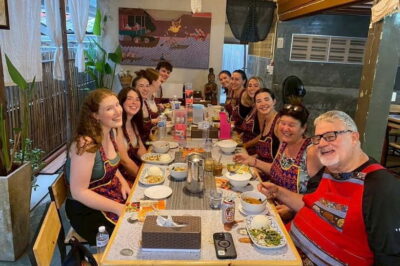
The class is limited to 10 participants, while the overall activity information gives a maximum of 12 travelers. That slight difference is worth noting, but either figure points to a fairly small group rather than a large demonstration.
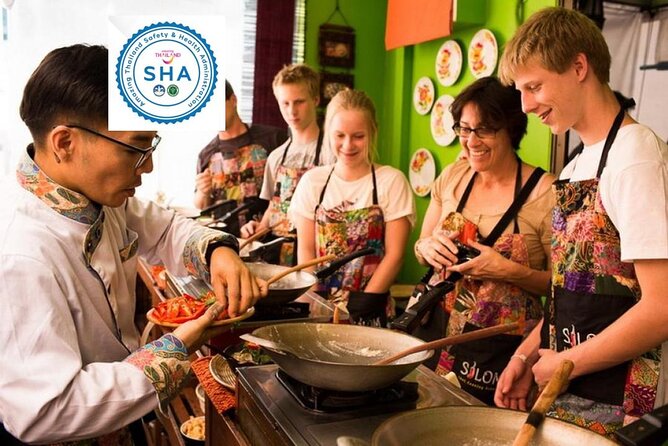
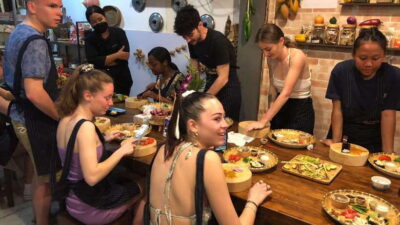
A small class matters in a hands-on kitchen. You have a better chance of seeing what the instructor is doing, asking questions, and taking part in the preparation. It also reduces the feeling of being one person in a crowd watching someone else cook.
The class suits beginners particularly well. The experience is designed for all skill levels, and the cooking is guided step by step. You do not need to arrive with advanced knife skills or a detailed knowledge of Thai ingredients.
Experienced home cooks can still find value in the market portion and in learning how this school approaches familiar dishes. The class may feel less useful if you want highly technical restaurant training or a long, specialized lesson on one regional style. Its strength is breadth, access, and practical instruction.
Air conditioning is more than a small comfort
Bangkok mornings can be hot, and cooking over heat adds to the strain. The school’s air-conditioned setting is a real advantage, especially after the market visit.
You will still spend part of the experience outdoors at the market, but the main cooking session takes place indoors. That makes the class more comfortable and helps you pay attention to the food instead of simply trying to cool down.
The school also states that it uses no MSG. That may matter to you if you prefer to avoid it or want to know how the food is seasoned. Dietary restrictions should be given when you book, and a vegetarian option is available.
Do not assume every dietary request can be handled on the day without notice. The safest approach is to write down your restrictions during booking and make sure the instructor knows before cooking begins.
Is $59.99 good value?
At $59.99 per person, this is not the cheapest way to eat in Bangkok. You can buy pad thai, curry, soup, and dessert from local vendors for far less. The price makes sense only if you value the instruction, market visit, ingredients, and the chance to prepare the food yourself.
The package includes the ingredients and the market visit, along with the cooking lesson and food you prepare. It also lists breakfast, lunch, and dinner as included, although the activity is a roughly three-hour morning session. That wording is unusual, so I would not book this expecting three separate meals. The practical benefit is that you cook and eat the dishes made during class.
For a first visit to Bangkok, I think the price is reasonable if you want an activity that combines food with culture. You get more than a meal, but less than a full-day culinary tour. The three-hour length fits neatly into a morning and leaves the rest of your day open.
The biggest value comes from repetition. You make several dishes in one session, see the ingredients at the market, and learn techniques you can try later. If you only want to taste Thai food, spend the money at restaurants and markets. If you want to understand how the food is made, this class offers a better return.
Getting there and planning the morning
The meeting point is Silom Thai Cooking School on Decho Road in Bang Rak. The location is near public transportation, but there is no hotel pickup or drop-off.
Plan your route before leaving your hotel. The arrival window begins at 8:30 a.m., and you should aim for 8:30 to 8:45 rather than treating 8:45 as a flexible suggestion. Bangkok’s streets and transport connections can take longer than expected.
The activity ends back at the school, which makes onward planning easier. You can continue exploring Silom, return to your hotel, or arrange another midday activity without having to find a separate end point.
The ticket is mobile, and confirmation is sent within 48 hours of booking, subject to availability. Free cancellation is offered until 24 hours before the start time. After that deadline, cancellations and changes are not accepted for a refund.
Children under six can attend free, limited to one child per group. Children aged six and over need an adult ticket. The class is suitable for most people, but the food preparation still requires you to take part at a normal kitchen pace.
Who will enjoy this class most?
I would choose this experience for a food-minded first-time visitor who wants a structured introduction to Thai cooking. The market visit adds local context, while the school provides a controlled place to learn without worrying about getting lost in a recipe.
It also works well for friends, couples, and families with older children. The range of dishes keeps the session moving, and the small group should make it easier to stay involved.
Vegetarians can request an available vegetarian option, but you need to state that when booking. People with dietary restrictions should do the same.
I would think twice if you dislike early starts, cannot arrive on time, or want a slow market stroll with lots of unscheduled browsing. This is a timed class, not an open-ended food walk. I would also check the menu if you have your heart set on all five named dishes, since the courses may change and the inclusions list mentions four dishes in one place.
Should you book the Silom Thai Cooking Experience?
Book it if you want to do more than photograph Thai food. The combination of a local market, a small air-conditioned classroom, five planned dishes, and step-by-step instruction gives you a useful introduction to the cuisine.
The strongest reasons to choose it are the market guidance, the manageable group size, and the broad menu. The main cautions are the early meeting time, the lack of hotel transport, the possible menu changes, and the unclear wording about four versus five included dishes.
For $59.99, I see good value for a three-hour cultural activity, especially if you plan to cook Thai food again at home. Arrive early, report dietary needs in advance, and confirm the day’s menu if one particular dish matters most to you.
FAQ
Where does the Silom Thai Cooking Experience begin?
It begins at Silom Thai Cooking School, 6/14 Decho Road, Suriya Wong, Bang Rak, Bangkok 10500, Thailand.
What time should I arrive?
For the morning session, arrive between 8:30 and 8:45 a.m. The group starts organizing for the market at 8:45. The latest joining time is 9:05 a.m.
What happens if I arrive after 9:05 a.m.?
The market visit will already be in progress. You will stay at the school until the group returns for the cooking class.
How many people can join the class?
The class information gives a limit of 10 participants per class and a maximum of 12 people for the overall activity.
Which Thai dishes are included?
The planned menu includes tom yum, pad thai, chicken green curry, Panang curry, and mango sticky rice. The menu and courses can change. One part of the information lists four dishes, so confirm the current menu if needed.
Is a vegetarian option available?
Yes. A vegetarian option is available. You should also report any dietary restrictions when booking.
Is hotel transportation included?
No. Hotel pickup and drop-off are not included. The activity begins and ends at Silom Thai Cooking School, which is near public transportation.
More Shopping Tours in Bangkok
- From Bangkok: Damnoen Saduak Floating Market Guided Tour
★ 4.4 · 2,020 reviews - Damnoen Saduak Floating Market and Maeklong Railway Market Tour
★ 4.5 · 1,588 reviews - Day Trip to Bangkok Floating Market & Maeklong Railway
★ 5.0 · 1,528 reviews - Bangkok: Railway and Floating Market Tour with Dragon Temple
★ 4.6 · 1,225 reviews
More Markets in Bangkok
- From Bangkok: Ayutthaya & Ayothaya Floating Market Day Trip
★ 4.7 · 6,084 reviews - Bangkok: City Highlights Temple and Market Walking Tour
★ 4.5 · 3,990 reviews - Half-Day Railway Market and Floating Market Tour in Thailand
★ 4.5 · 3,924 reviews - Bangkok: Damnoen Saduak, Train Market & Mahanakhon Day Trip
★ 4.7 · 2,162 reviews
Just added around Bangkok
- 1.5 – 2 hour afternoon SUP class for all ages and levels★ 5.0 · 35 reviews
- Erawan Waterfall & Train Tour from Kanchanaburi – Full Day★ 4.0 · 16 reviews
- Cycling in rural Kanchanaburi area★ 5.0 · 12 reviews
- Kanchanaburi Tour: Erawan Waterfall and Death Railway★ 5.0 · 13 reviews
- 1.5 – 2 hour morning SUP boarding class for all ages and levels★ 5.0 · 13 reviews
- Yoga in the Park Thailand★ 5.0 · 12 reviews
- re:leaf spa and massage★ 4.0 · 10 reviews
- Visit temples in and around Bangkok with a former monk of 10 years★ 5.0 · 30 reviews
Thai Cooking Classes, compared.
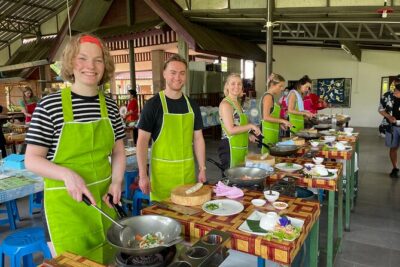
Half-Day Thai Cooking Class at Organic Farm in Chiang Mai
Read our review →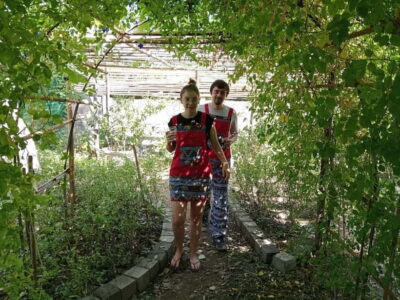
Cooking Class, Market & Thai Herbs Garden Tour
Read our review →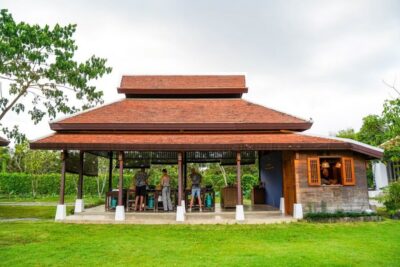
Authentic Cooking Class with Market & Farm Visit
Read our review →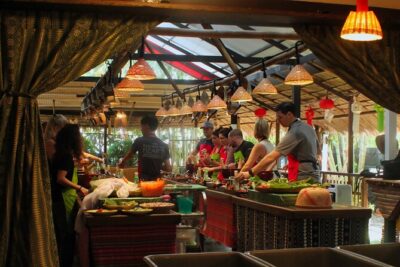
Phuket Thai Cooking Class with Market Tour Option
Read our review →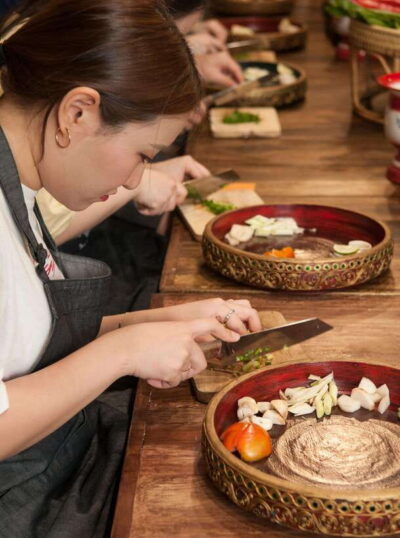
Tingly Thai Cooking School Half-Day Cooking Class
Read our review →Browse the lists this tour appears in