Review · CHIANG MAI TOURS
Visit Chiang Rai Temples and Lalitta Cafe from Chiang Mai
Chiang Rai’s White Temple is the star of this long day from Chiang Mai, but the real appeal is the contrast between three very different places of worship. You move from dazzling contemporary art to a blue-and-gold temple, then to a huge Goddess of Mercy statue with views across the city.
I like that lunch and temple entrance fees are included, so the $45.50 price covers the main costs. I also like the small maximum group of 12, plus the chance to pause at Lalitta Café, where a waterfall and garden provide a welcome break. The drawback is the distance: expect roughly eight hours on the road during an 11 to 12-hour day, and pickup delays or rushed driving can affect the experience.
In This Review
- Key points at a glance
- Is Chiang Rai worth an eight-hour road day?
- Mae Khachan Hot Spring gives you a short reset
- Wat Rong Khun is Chiang Rai’s must-see temple
- Wat Huay Pla Kang combines Thai and Chinese design
- Lalitta Café is the prettiest pause of the day
- Wat Rong Suea Ten brings the blue and gold
- The Karen village adds a sensitive optional stop
- Lunch, transport, and what the $45.50 covers
- The long road requires realistic expectations
- Who will enjoy this tour most?
- Should you book the Chiang Rai day trip?
- FAQ
- How long does the Chiang Rai temple tour take?
- Is lunch included?
- Are temple entrance fees included?
- How much does Lalitta Café cost?
- Is the Karen village visit included?
- How many people can join the tour?
Key points at a glance
- Wat Rong Khun is the visual highlight: The White Temple is a modern artistic creation, not a typical old Thai temple.
- Three temples offer three distinct moods: White, blue, and red create a memorable contrast in one day.
- Lalitta Café charges 60 baht: Pay in cash, then use that amount as a discount on your food or drink.
- The journey takes most of the day: You may spend about three and a half to four hours each way on the road, depending on traffic and pickup stops.
- The group is capped at 12 people: This is smaller than a large coach tour, though pickup can still take time.
- The Karen village is optional: Entry costs 300 baht per person and is not included.
Is Chiang Rai worth an eight-hour road day?
Chiang Rai is far enough from Chiang Mai that this is not a quick side trip. The tour begins around 7:00 a.m. and lasts 11 to 12 hours, with a large share of the day spent in an air-conditioned van.
That tradeoff is simple. You save the work of arranging transport, temple tickets, lunch, and a route through several sights. In return, you accept a tiring day with limited flexibility. If you have only a short stay in northern Thailand and want to see Chiang Rai’s headline sights, the arrangement makes sense. If you dislike long drives or prefer slow temple visits, an overnight stay in Chiang Rai will suit you better.
The vehicle is air-conditioned, water is available in the van and at lunch, and the group size is limited to 12. Those details matter after hours on the road. Still, pickup may involve several hotels, so the first part of the morning can feel slow. One person had to contact the operator after a delayed pickup, while another found the day comfortable despite the long drive.
I would confirm your pickup point and time before the morning itself. The stated start is 7:00 a.m., but hotel locations can affect the actual departure. If you are assigned Eve as your guide, you can expect a guide who has received especially warm praise for making the day enjoyable.
Other Chiang Mai days people book alongside this one:
- Half-Day Thai Cooking Class at Organic Farm in Chiang Mai
★ 5.0 · 19,087 reviews - Chiang Mai: Elephant Sanctuary, Waterfall & Bamboo Rafting
★ 4.9 · 9,160 reviews - Chiang Mai: Doi Inthanon National Park Eco-Friendly Tour
★ 4.6 · 6,667 reviews
Mae Khachan Hot Spring gives you a short reset
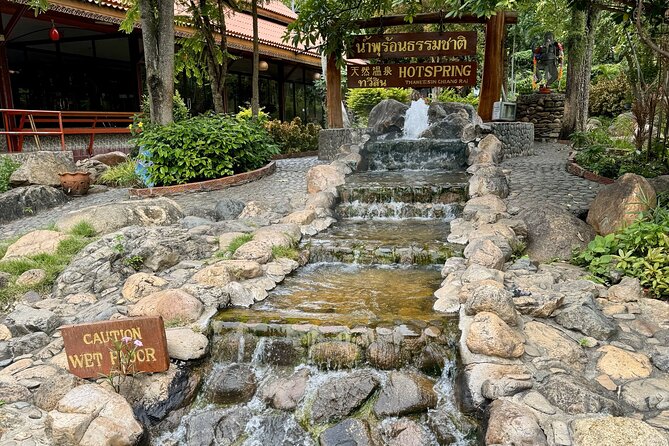
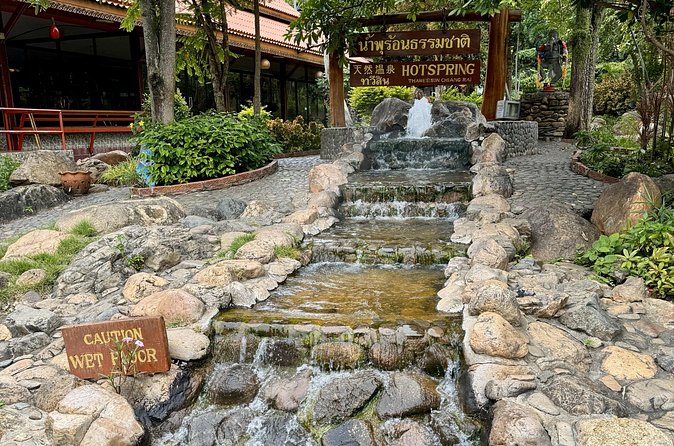
The first stop is Mae Khachan Hot Spring, about 30 minutes into the sightseeing plan. Admission is free, and the usual activity is a brief foot bath to ease your legs after leaving Chiang Mai.
Do not treat this as a major attraction. It is a pause, not a full spa visit, and the time goes quickly. The stop works best as a chance to stretch, use facilities, and get your bearings before the temples.
I like this kind of stop on a long transfer day because it breaks up the ride early. On the other hand, if you are eager to reach the White Temple, you may see it as time taken from the main sights. Keep your expectations modest and it should serve its purpose.
Wat Rong Khun is Chiang Rai’s must-see temple
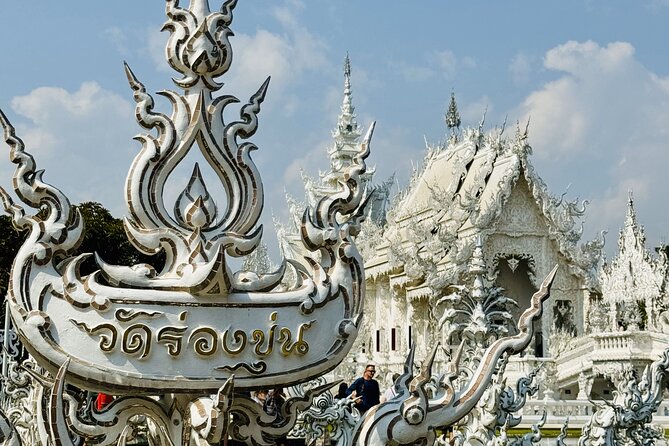
Wat Rong Khun, better known as the White Temple, receives about an hour. The entrance fee is included, which is helpful because this is the place most people have come to see.
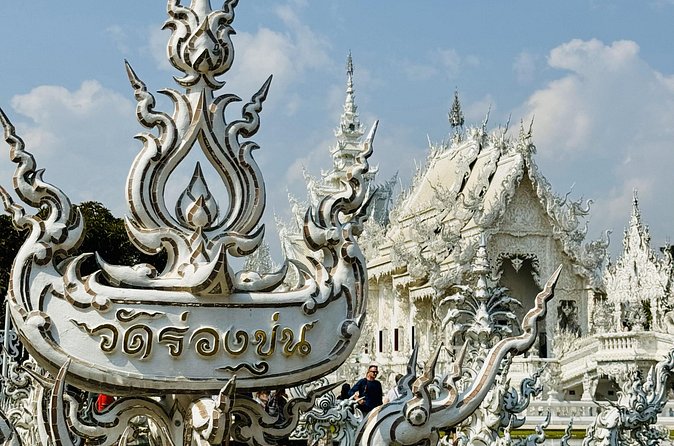
The temple was created by Thai artist Chalermchai Kositpipat and is a work of contemporary art as much as a religious site. Its white surface and mirrored details catch the sun, giving the complex a bright, almost unreal appearance. The white color is linked with purity, while the unusual design turns a temple visit into an encounter with modern Thai imagination.
You will find striking details throughout the grounds. The effect is deliberately dramatic, and it looks very different from the older, weathered temples found elsewhere in Thailand. This is the stop where your camera will work hardest, but try not to reduce it to a photo backdrop. Look closely at the decorations and notice how the artist uses familiar religious forms in unexpected ways.
An hour is enough for a first visit, though it will feel short if you want to inspect every detail. The group schedule also means you must watch the meeting time. Wear shoes that are easy to remove and dress respectfully for a religious site. The information provided does not list a strict dress code, but ordinary temple manners remain a good idea.
The White Temple is highly polished and theatrical. If you want a quiet, ancient sanctuary, it may feel more like an art installation than a traditional temple. That is also what makes it memorable.
Wat Huay Pla Kang combines Thai and Chinese design
Next comes Wat Huay Pla Kang, often called the Red Temple on this tour. You receive about an hour here, and admission is included.
The main sight is the enormous statue of the Goddess of Mercy. It is large enough that first-time visitors can mistake the figure for something else, but it represents Guanyin, a figure associated with compassion. The temple grounds also mix Thai and Chinese influences, giving the stop a different visual language from Wat Rong Khun.
A key feature is the elevator ride to the head of the statue. From that height, you can look out across the surrounding area. The elevated view adds more than another photo opportunity. After spending the morning in enclosed temple spaces and the van, it gives you a chance to see the setting from above.
This is a good stop for anyone who likes grand scale. The White Temple depends on fine detail and reflective surfaces, while Wat Huay Pla Kang works through size, height, and broad views. The contrast keeps the itinerary from becoming a blur of similar shrines.
The hour should allow time for the elevator, the view, and a look around the temple area. Keep in mind that queues or group movement can eat into that hour. If heights or elevators are uncomfortable for you, the grounds still offer plenty to see, but the upper view is a central part of the stop.
Same coastline, a completely different day out:
- Chiang Mai: Elephant Sanctuary & Waterfall Group Tour
★ 4.9 · 5,780 reviews - Chiang Mai: Chiang Rai Temples, Karen Tribe and Hot Springs
★ 4.7 · 5,401 reviews - Chiang Mai: Cooking Class, Market & Thai Herbs Garden Tour
★ 4.9 · 4,824 reviews - Chiang Mai: Authentic Cooking Class with Market & Farm Visit
★ 4.9 · 4,546 reviews
Lalitta Café is the prettiest pause of the day
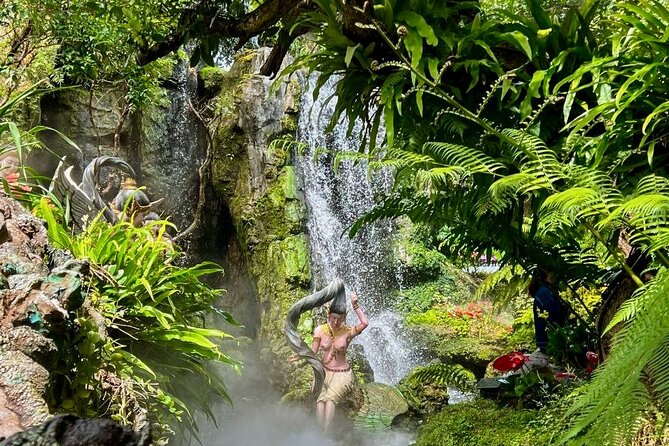
Lalitta Café receives only about 20 minutes, so this is a short refreshment stop rather than a full café outing. Its garden is arranged with flowers and plants, and a waterfall provides the main visual feature.
The café has an entry charge of 60 baht, paid in cash. That fee is then discounted from what you buy, which makes it less of a pure admission charge and more of a minimum spending arrangement. Alcoholic drinks, soft drinks, coffee, tea, and juices are not included in the tour price.
Twenty minutes is enough to take photographs and order something quickly, but not enough for a relaxed meal. Lunch is included elsewhere, so you do not need to rely on Lalitta Café for food. Bring small Thai currency if you want to avoid wasting time at the entrance.
I like the café because it changes the rhythm of the day. The temples are bold and heavily designed, while the garden and waterfall offer a calmer setting. The short stop can feel rushed, particularly if you want to sit down, order a drink, and photograph the gardens. Think of it as a scenic interlude, not a long café visit.
Wat Rong Suea Ten brings the blue and gold
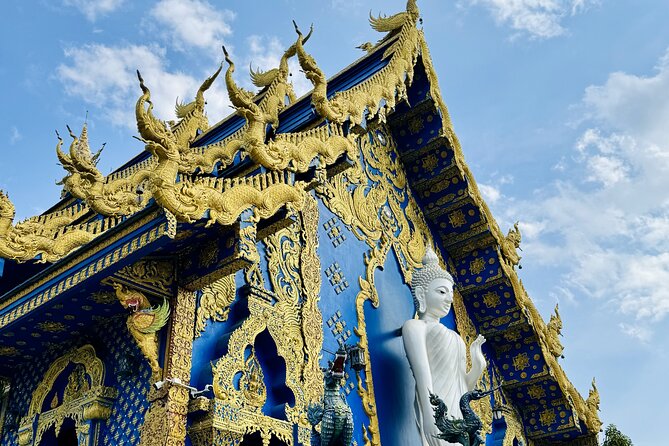
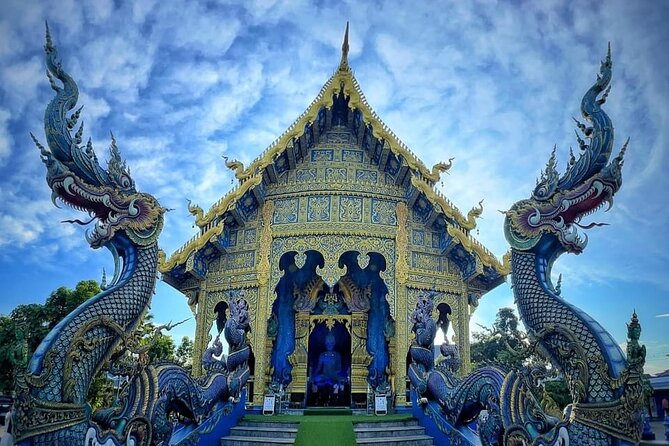
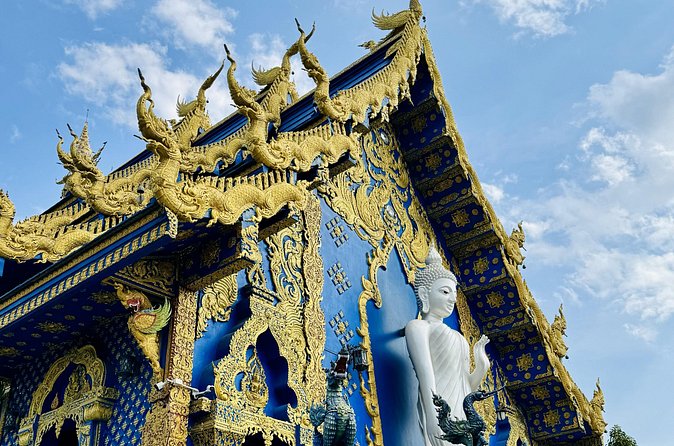
Wat Rong Suea Ten, usually called the Blue Temple, receives about an hour and includes admission. Its deep blue color and gold decoration make it one of the most immediately recognizable stops on the route.
The temple was designed by an apprentice of the artist behind the White Temple. That connection helps explain why both sites feel more theatrical and art-focused than many ordinary temple visits. They are not copies of one another, though. The White Temple is pale and reflective, while the Blue Temple uses saturated color and gold to create a darker, more enclosed mood.
Take time to look beyond the main exterior. The interior decoration and religious imagery are part of the experience, and the strong color can make photographs look very different depending on the light. You will want to remain respectful while taking pictures, especially if people are praying.
An hour is a useful amount of time here. It lets you see the main building without the stop becoming repetitive. By this point, however, you may be feeling the effects of the early start and long ride. Drink water and use the time to sit when appropriate.
For me, the three-temple sequence works because each site has a clear identity. You are not simply checking off three similar buildings. You see modern white ornament, a giant figure and high view, then blue-and-gold decoration.
The Karen village adds a sensitive optional stop
The final listed stop is an optional visit to a Karen village, described through the brass rings worn around some women’s necks. Entry costs 300 baht per person and is not included.
The visit offers a chance to learn about Karen culture and traditions and to see local crafts. It can also feel more commercial, since shopping is part of the experience. The short 30-minute allocation limits how much cultural understanding you can gain, so do not expect a detailed community visit.
I would decide in advance how you feel about this kind of stop. If you want to see crafts and have a brief introduction to the tradition, the extra fee may be worthwhile. If you prefer more time at the temples or feel uneasy about cultural displays built around photographing people, you can skip it.
Ask your guide what the stop will involve before paying. The supplied details confirm the price and optional nature of the visit, but not every practical detail about the village experience.
Lunch, transport, and what the $45.50 covers
At $45.50 per person, the tour offers fair value if you want convenience. The price includes an air-conditioned vehicle, lunch, water in the van and at lunch, and entrance to the three temples.
You still pay 60 baht at Lalitta Café, although that amount is discounted from your purchase. The Karen village costs another 300 baht if you choose to enter. Drinks beyond the included water are extra, as are tips.
The value is strongest for a first visit. You do not need to negotiate a private transfer, find the temples yourself, or buy separate tickets at each site. The small group limit of 12 is also useful, though it does not guarantee a quick morning pickup. A limited group can still take time to assemble when people stay at different hotels.
The main cost is not money. It is energy. You will trade much of one day for the chance to cover Chiang Rai’s best-known sights from Chiang Mai. That may be a good bargain for a short holiday, but it is less appealing if you have several days available.
The long road requires realistic expectations
Several practical points will shape your day more than the temple schedule. The road journey can total around seven to eight hours, depending on how the driving time is counted and how long pickup takes. One account described about three and a half hours each way, while another warned of close to four hours in each direction.
That makes comfort and safe driving essential. One serious complaint described very fast driving, while other accounts found the vehicle comfortable and the overall day enjoyable. I would treat safe driving as non-negotiable. If the pace feels unsafe, tell the guide or driver clearly and contact the operator if needed.
Communication can also vary. Some people received late pickup information or had to contact the operator to learn about a delay. Confirm the hotel location and keep the operator’s contact information handy. This is especially useful when your hotel has several entrances or sits on a busy road.
The tour is advertised for most people to join, and service animals are allowed. No special fitness requirement is given. Even so, you should be ready for a full day, some walking, time on your feet, and a long period seated in the van.
Who will enjoy this tour most?
I would choose this tour if you want to see the three headline temples in one day and you value a fixed route. It suits first-time visitors, photographers, couples, and anyone with limited time in northern Thailand.
It also works for people who prefer not to arrange intercity transport. The included lunch and temple tickets remove several small decisions, and the group size is more manageable than a large bus.
I would hesitate if you want extended time at each site, quiet visits, or a flexible pace. Families with young children should think carefully about the hours in the van. The itinerary is busy, and a child who struggles with long road journeys may find the day hard.
The tour is also a weaker choice for anyone focused on traditional, centuries-old temples. Wat Rong Khun and Wat Rong Suea Ten are modern artistic creations, and Wat Huay Pla Kang is known for its huge statue and mixed architectural influences. Their appeal is design, color, scale, and spectacle.
Should you book the Chiang Rai day trip?
Book it if your priority is coverage. For $45.50, you can see the White, Blue, and Red Temples, eat lunch, travel in an air-conditioned vehicle, and visit Lalitta Café without building the day yourself.
Skip it in favor of staying overnight in Chiang Rai if you have time and want a calmer experience. The eight-hour road commitment is the one fact you cannot work around. You should also confirm pickup details, carry cash for Lalitta Café, and decide ahead of time if the Karen village fits your interests.
My practical verdict is positive but qualified. The temples are genuinely distinctive, Eve appears to be an excellent guide when assigned, and the itinerary offers strong sightseeing value. Just remember that you are buying access to Chiang Rai, not a leisurely day there. Go in ready for a very long ride, and the rewards should justify the effort.
FAQ
How long does the Chiang Rai temple tour take?
The tour lasts approximately 11 to 12 hours, beginning around 7:00 a.m. The schedule includes several hours of driving between Chiang Mai and Chiang Rai.
Is lunch included?
Yes. Lunch is included, and water is available in the vehicle and at lunch. Coffee, tea, juices, soft drinks, and alcoholic beverages are not included.
Are temple entrance fees included?
Yes. Admission to Wat Rong Khun, Wat Huay Pla Kang, and Wat Rong Suea Ten is included in the tour price.
How much does Lalitta Café cost?
Admission to Lalitta Café costs 60 baht and must be paid in cash. The 60 baht is then discounted from your consumption there.
Is the Karen village visit included?
No. The Karen village visit is optional and costs 300 baht per person. That fee is paid separately.
How many people can join the tour?
The tour has a maximum group size of 12 people. Pickup begins around 7:00 a.m., but the exact timing can vary depending on hotel locations.
Just added around Chiang Mai
- Chiang Mai Zipline White Water Rafting and Elephant Sanctuary★ 4.0 · 11 reviews
- Chiang Mai Airport Private Transfer – Hotel or Airport★ 4.5 · 51 reviews
- Zipline Adventure at Skyline Jungle Luge Chiang Mai★ 5.0 · 102 reviews
- Trek to a Jungle Waterfall★ 5.0 · 14 reviews
- Long Neck Village, White & Blue Temple, Black House Day Tour From Chiang Mai★ 4.0 · 14 reviews
- 2 Hours Wow hatcha lanna package – Free transportation★ 5.0 · 31 reviews
- Zipline+Sticky waterfall+Long Neck Village Private Tour★ 5.0 · 22 reviews
- Authentic Thai Cooking Class and Farm Visit in Chiang Mai★ 5.0 · 66 reviews
Chiang Mai Tours, compared.
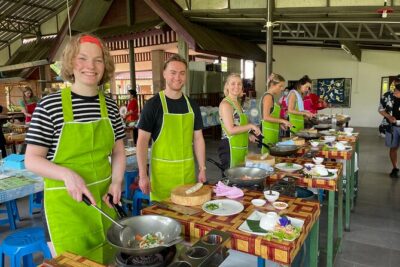
Half-Day Thai Cooking Class at Organic Farm in Chiang Mai
Read our review →
Elephant Sanctuary, Waterfall & Bamboo Rafting
Read our review →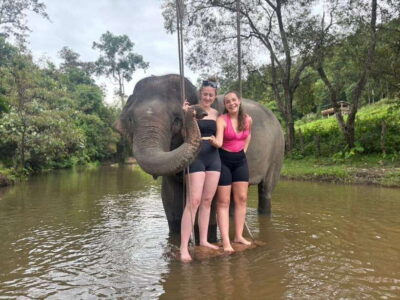
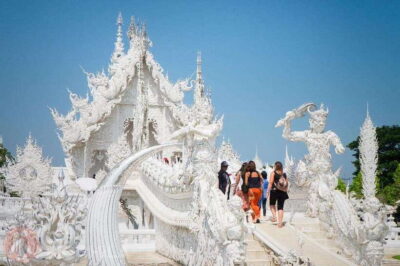
Chiang Rai Temples, Karen Tribe and Hot Springs
Read our review →
Cooking Class, Market & Thai Herbs Garden Tour
Read our review →
Authentic Cooking Class with Market & Farm Visit
Read our review →
Elephant Sanctuary Feeding Program Half-Day Tour
Read our review →