
Review · ELEPHANT SANCTUARY TOURS
Khao Sok: Ethical Elephant Sanctuary Visit
The best part of this Khao Sok elephant visit is that you do not simply pose beside an elephant and leave. You help prepare its food, learn why nutrition matters, then watch the animals play and approach them calmly. I especially like the use of orchard and community-forest produce, which connects elephant care with local livelihoods.
I also like that the program puts the elephant’s choice first. You may feed, walk beside, scratch an itchy back, or help scrub an animal, but the staff do not present contact as a guaranteed performance. The main drawback is the short advertised two-hour duration, since the visit can run longer and the pickup area is limited to Khao Sok rather than Phuket.
In This Review
- Key points to know before you book
- Preparing elephant food from orchard and forest produce
- Meeting the elephants at their own pace
- Watching, washing, and the question of animal welfare
- A small center with a personal feel
- What the $41 price includes
- Practical preparation for a comfortable visit
- How this fits into a Khao Sok trip
- Should you book the Khao Sok elephant visit?
- FAQ
- How long does the Khao Sok elephant visit last?
- What does the $41 price include?
- Where is pickup available?
- Can I feed the elephants?
- Can I wash or scrub an elephant?
- Is the activity suitable for everyone?
Key points to know before you book
- Food preparation starts with local produce: You help cut orchard and banana trees for the elephants’ meals, with ingredients also sourced from the nearby community forest.
- Contact is guided, not forced: Feeding, scratching, walking, and washing depend on the elephant’s comfort and mood.
- Dan explains the bigger picture: The owner shares his family’s connection with elephants and the center’s plans for their care.
- Shade is part of the experience: You spend time simply watching the elephants play, not rushing from one activity to the next.
- The price is modest for a small animal-care visit: At $41 per person, transport, activities, and water are included, but lunch is not.
- Pickup is local only: Transport is provided around Khao Sok, about 1 to 2 kilometers from the national park entrance, not from Phuket.
Preparing elephant food from orchard and forest produce
The visit begins with a useful task rather than a staged greeting. You help sustainably cut orchard and banana trees, then use the ingredients to prepare food for the elephants. The nearby community forest also supplies some of the produce, allowing money connected with the activity to reach local people.
That detail matters. Elephant care requires a steady supply of suitable food, and this activity shows you at least one part of that work instead of reducing the animals to photo props. You can see what goes into their diet, how much preparation is involved, and why healthy food is central to their daily care.
The activity includes making protein balls for the elephants, according to the experience details shared by visitors who took part. This gives you a hands-on job and helps explain that feeding an elephant is not just about handing over a banana. Nutrition, quantity, and the animal’s condition all matter.
I like this opening because it slows the pace. You are not rushed straight into touching an elephant. You begin by doing something connected to its welfare, then move toward direct contact with a better sense of responsibility.
The work may be less polished than a standard sightseeing stop. You should expect simple, practical activity rather than a cooking class with a long presentation or a formal farm tour. Wear clothes you can work in, and bring sunscreen, a hat, and sunglasses for the outdoor portions.
More elephant sanctuary tours in Surat Thani:
- Koh Samui: 4×4 Sightseeing Safari & Elephant Sanctuary Tour
★ 4.5 · 364 reviews - Chiang Mai: Elephant Sanctuary, Waterfall & Bamboo Rafting
★ 4.9 · 9,160 reviews - Chiang Mai: Elephant Sanctuary & Waterfall Group Tour
★ 4.9 · 5,780 reviews
Meeting the elephants at their own pace
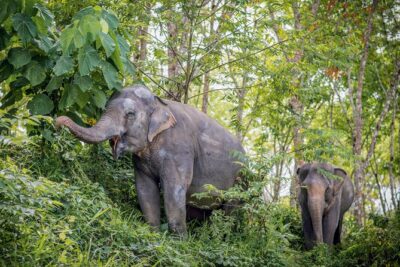
After the food preparation, you watch the elephants while resting in the shade. This is one of the most important parts of the visit, even if it sounds less exciting than feeding or washing. An elephant is a large, social animal with its own mood and habits. Time spent observing helps you notice the difference between an animal choosing to approach and one being directed into position.
You may feed the elephants bananas and sugar cane. You may also walk with one of them, depending on the way the session is organized that day. The contact is close, but it is not presented as a guaranteed sequence of tricks.
The staff explain elephant behavior as you go. Dan, the center’s owner, also speaks about his family’s history with elephants and his commitment to keeping them healthy and safe. That personal background gives the conservation talk more weight than a generic speech about wildlife.
You can scratch an itchy place on an elephant’s back, including spots it cannot reach easily itself. This is a small action, but it shows the difference between contact that serves the animal and contact designed only for a photograph. The staff guide your position and movements, so pay attention and do not treat the elephant like a large domestic pet.
The program’s central promise is simple: the elephant comes first. If an animal does not want to be washed, walked, or handled, you should expect the activity to change. That flexibility is a strength, though it also means you should not arrive expecting every advertised interaction to happen exactly as pictured.
Watching, washing, and the question of animal welfare
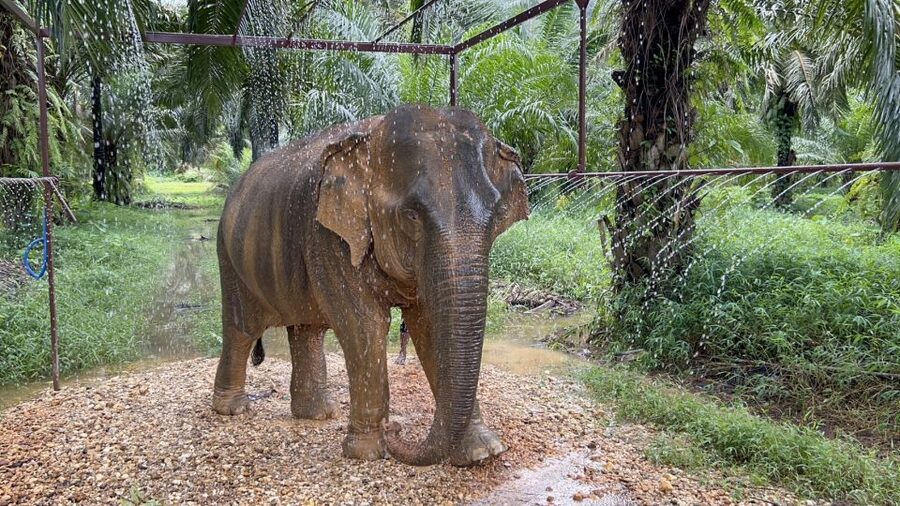
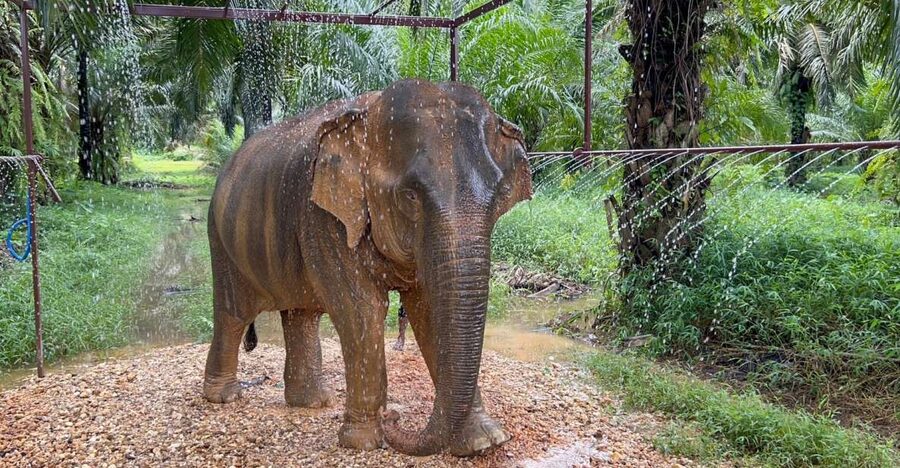
Some visits include a mud bath and washing an elephant in the river. These activities are described as optional and dependent on the elephant’s willingness. Bring a bathing suit and towel if you want the chance to take part in the water, although the basic preparation list only calls for sunglasses, a sun hat, and sunscreen.
This is also where you should keep your expectations sensible. The supplied activity details focus on feeding, watching, scratching, and learning, while individual outings have included walking, a mud bath, river washing, and even a playful hug. Treat those extra moments as possibilities, not promises.
The important question is how the staff handle the animal when conditions change. The program presents washing and contact as something done for the elephant’s benefit, such as cleaning or reaching an itchy area, rather than as a forced show. You should still watch closely for signs that the animal wants space.
The center’s conservation message also addresses the difficult position of elephants in Thailand. The activity aims to care for domestic elephants and support a model where welfare comes before entertainment. You hear about sustainability, local income, and the future goals of the center, not only about the animals’ names or appearance.
I would not judge an elephant program by the word ethical alone. I would look at what actually happens during the visit. Here, the useful signs are the emphasis on free choice, the time spent explaining nutrition and behavior, and the option to simply watch from the shade. Those are better indicators than a busy schedule packed with constant touching.
A small center with a personal feel
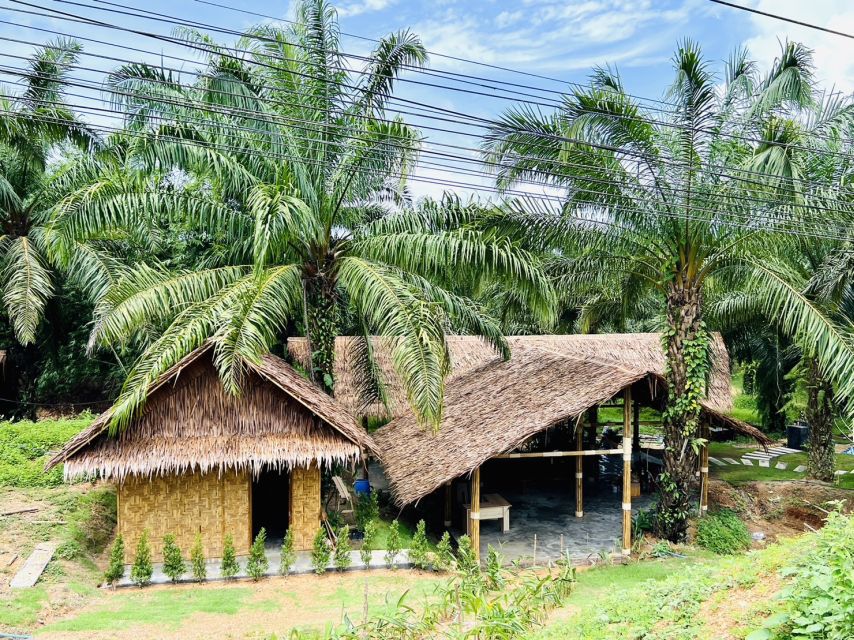
The group size is not fixed in the details, but one visit had only four people, creating plenty of personal time with the elephant. You might find the same intimate setup, though you should not assume every departure will have exactly that number.
A smaller group changes the experience. You can hear the guide more clearly, ask questions, and avoid the line of people that often forms around a single animal. If you are traveling alone, the staff may help with photos and videos, which is useful since handling a phone while feeding or washing an elephant is awkward.
The staff are described as friendly and attentive, with time to answer questions. That matters here because the quality of the explanation is as important as the contact. A short photo stop can leave you with a picture. A good guide can help you understand why the animal behaves as it does and why certain actions are allowed or avoided.
English is the listed language for the host or greeter. Dan’s talk about his family’s elephant background adds a direct human story to the visit, while the working staff handle the practical parts of feeding and care.
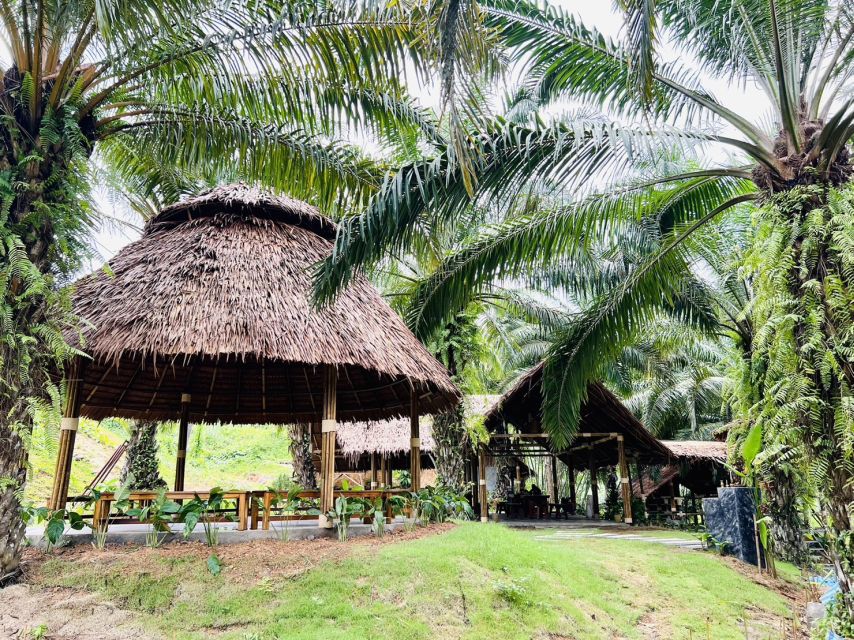
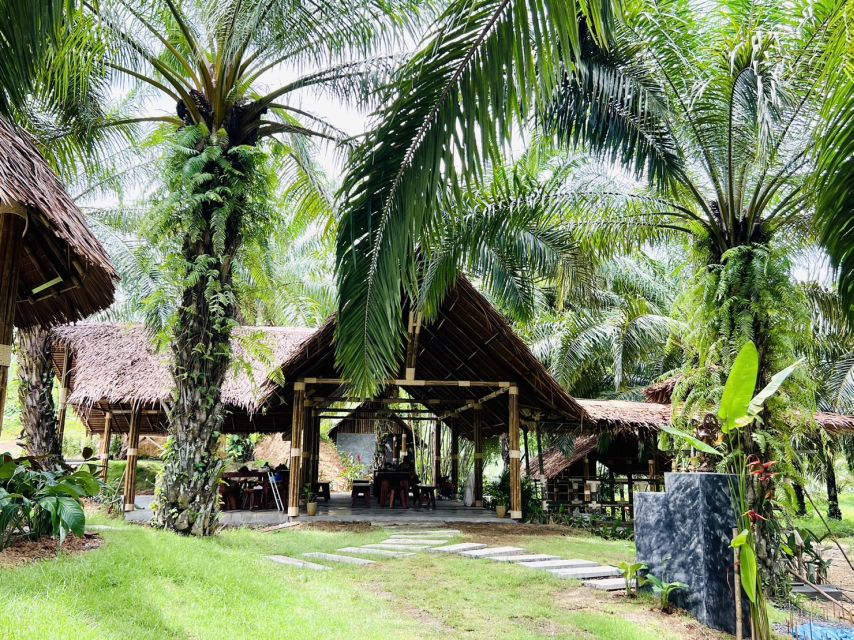
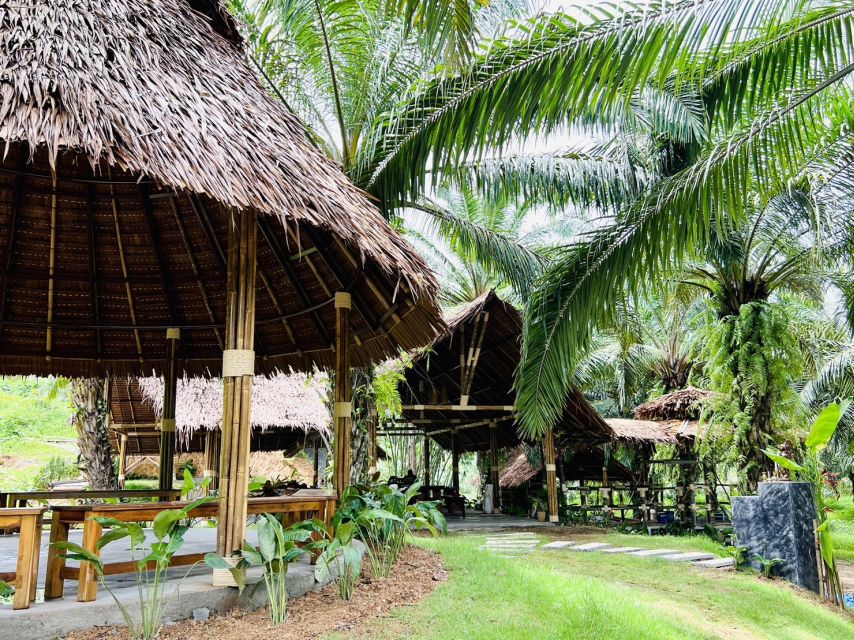
You should still be ready for an informal setting. This is not a large visitor center with a long list of indoor exhibits. The value comes from the people, the animals, and the chance to see some of the daily work up close.
More national park tours in Surat Thani:
- Chiang Mai: Doi Inthanon National Park Eco-Friendly Tour
★ 4.6 · 6,667 reviews - Doi Inthanon Waterfall and Royal Project Chiang Mai
★ 5.0 · 1,735 reviews - From Bangkok: Erawan Park & Kanchanaburi Small-Group Tour
★ 4.5 · 1,582 reviews - 3-in-1: Doi Inthanon Tour, Elephant Sanctuary, and Trekking Trail
★ 5.0 · 1,087 reviews
What the $41 price includes
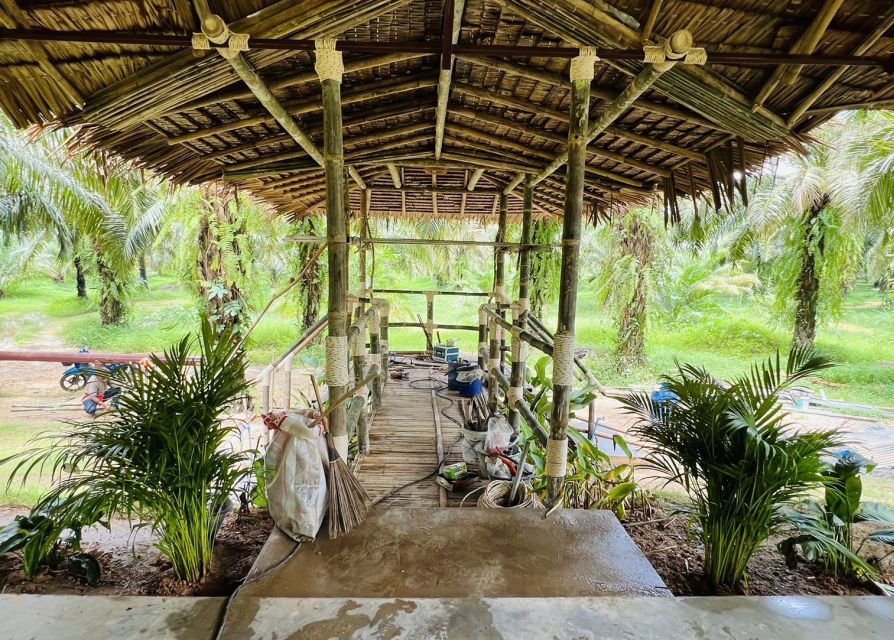
At $41 per person, the visit is fairly priced if you want a short, focused elephant experience near Khao Sok. The fee includes round-trip transport from the local meeting area, all elephant activities, and drinking water.
That transport is useful because it removes the need to arrange a separate local ride. It does not mean you can be collected from anywhere in southern Thailand. Pickup and drop-off are for the Khao Sok area, about 1 to 2 kilometers from the national park entrance, and Phuket hotel pickup is specifically not available.
Lunch is not included. For a two-hour activity, that is not a serious problem, but plan your meal around the visit rather than assuming food will be served at the center. You receive water, yet it is sensible to bring your own bottle if you prefer to stay well hydrated in Thailand’s heat.
The price becomes better value if the program runs beyond the stated two hours. One outing lasted closer to three and a half hours, so keep some flexibility in your schedule. Do not book a tight connection or a fixed afternoon appointment immediately afterward.
The high transport score suggests that local transfers are usually handled well, but you should confirm the exact pickup point and timing with Bigcountry Andaman. The supplied details do not specify a hotel list or a standard pickup time.
Practical preparation for a comfortable visit
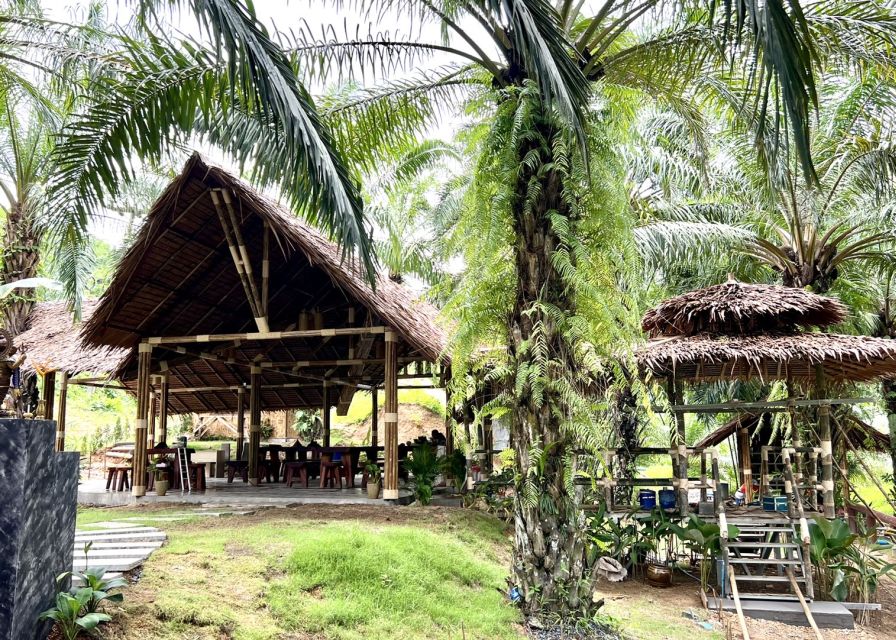
Wear clothes and shoes that can handle outdoor work, food preparation, and possible water or mud. A bathing suit and towel are wise additions if you hope to help wash an elephant. The official suggestions are sunglasses, a sun hat, and sunscreen, and I would take all three seriously.
Do not bring only your best white outfit for photographs. Banana sap, soil, mud, and water can make a quick change of clothes useful, though the provided information does not promise changing facilities.
The activity is not recommended for pregnant women or people with mobility impairments. The visit involves outdoor movement and close work around large animals, so take those restrictions seriously rather than treating them as minor booking notes.
Because the animals may choose when to approach, patience helps. If you want a guaranteed hug, a fixed bathing sequence, or constant handling, this is not the right expectation. If you are happy to spend part of the time watching and learning, the program makes more sense.
Bring a phone or camera if you like, but keep it secondary. The best moments may happen when you are paying attention to an elephant’s behavior rather than trying to record every movement.
How this fits into a Khao Sok trip
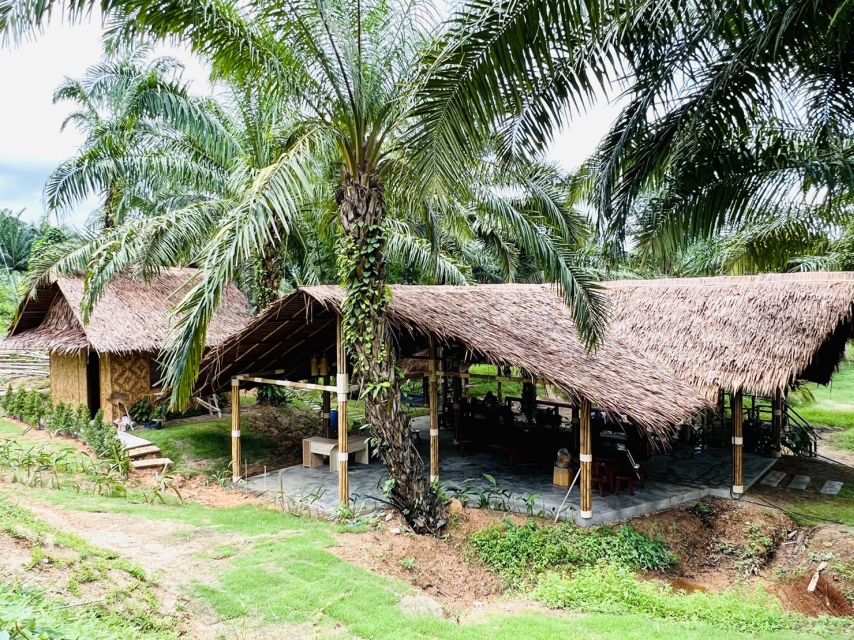
The center is designed for people staying in or near Khao Sok, with pickup close to the national park entrance. It works well as a compact wildlife-focused activity that you can pair with other local plans.
The two-hour format looks easy to fit into a busy itinerary, but I would leave extra room. Activities involving animals rarely run like a train timetable, and the supplied experience has sometimes lasted notably longer than two hours.
This is also a good choice if you want more than a standard jungle outing. Khao Sok is famous for forests, limestone scenery, and lake trips, but an elephant visit gives you a different look at Thailand’s relationship with working elephants and conservation.
You should not book it as a substitute for seeing wild elephants. These are cared-for domestic elephants at a conservation center. The value is learning about their welfare and spending controlled time near them, not finding animals living independently in the forest.
Should you book the Khao Sok elephant visit?
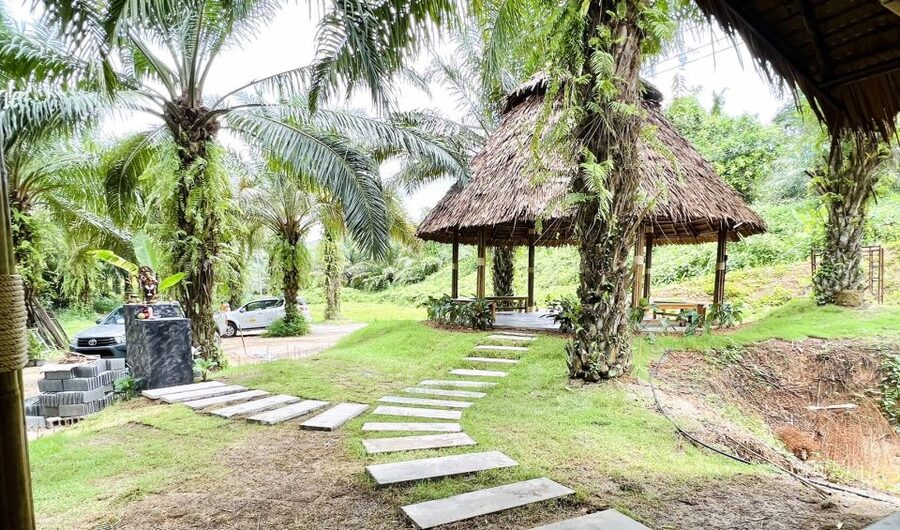
I would book this experience if you want close contact with elephants but care about how that contact is managed. The strongest parts are the food preparation, the clear focus on health, the chance to watch without pressure, and the staff’s effort to let the elephants set the pace.
It suits couples, families with suitable mobility, solo visitors, and anyone who wants a personal activity rather than a large staged show. It is especially useful for first-time elephant visitors who want an explanation of Thai elephant care alongside the feeding and grooming.
I would pause if you need Phuket pickup, have limited mobility, are pregnant, or need the visit to finish precisely after two hours. I would also skip it if your main goal is guaranteed bathing, riding, or a sequence of posed photographs.
For $41, with local transport, water, and the elephant activities included, this is a sensible Khao Sok choice. Confirm the pickup details, leave your schedule open, bring sun protection and a towel, and approach the animals with patience. That is how this visit works best.
FAQ
How long does the Khao Sok elephant visit last?
The advertised duration is two hours. The visit may run longer, so leave extra time in your schedule.
What does the $41 price include?
The price includes round-trip transportation from the local meeting point, all elephant activities, and water. Lunch is not included.
Where is pickup available?
Pickup and drop-off are available in the Khao Sok area, about 1 to 2 kilometers from the national park entrance. Hotel pickup in Phuket is not available.
Can I feed the elephants?
Yes. The activity includes preparing food and feeding the elephants, including bananas and sugar cane.
Can I wash or scrub an elephant?
You may be able to scrub an itchy area or help wash an elephant, depending on the animal’s comfort and the activities arranged that day. Bring a bathing suit and towel if you want to take part in the water.
Is the activity suitable for everyone?
The activity is not suitable for pregnant women or people with mobility impairments. The listed language for the host or greeter is English.
Just added around Surat Thani
- Temple Tour Around Koh Samui Full Day Excursion★ 5.0 · 11 reviews
- Sukhothai: 2.5-Hours Guided Countryside Sunset Bike Tour★ 5.0 · 49 reviews
- Sukhothai: Half-Day Countryside Bike Tour★ 5.0 · 36 reviews
- Samui Go-Karting Experience – Sodikart RT10 Outdoor Race★ 4.1 · 24 reviews
- Koh Samui: Zipline Adventure with Hotel Transfer★ 4.5 · 10 reviews
- Koh Samui Jungle Adventure: 4×4 Off-Road Safari & Lunch★ 4.4 · 32 reviews
- Koh Samui Day and Night Fishing Experience★ 4.4 · 37 reviews
- Cycling Sukhothai Full Day Countryside Tour★ 4.9 · 26 reviews
Elephant Sanctuary Tours, compared.
Elephant Sanctuary, Waterfall & Bamboo Rafting
Read our review →
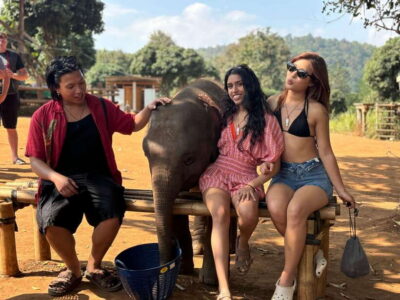
Elephant Sanctuary Feeding Program Half-Day Tour
Read our review →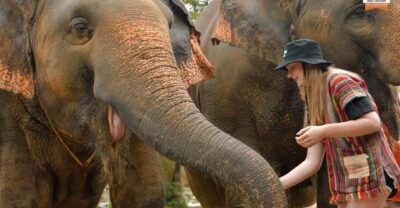
Elephant Jungle Sanctuary Ethical Feeding Experience
Read our review →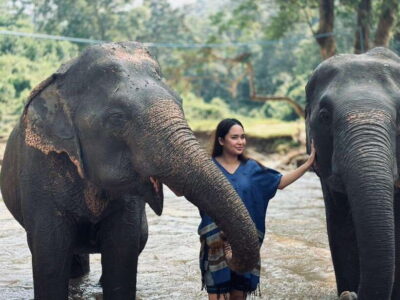
Elephant Sanctuary, Long Neck & Sticky Waterfall
Read our review →
Elephant Sanctuary Guided Tour with Hotel Transfers
Read our review →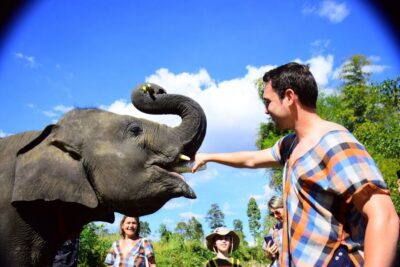
A Morning with the Elephants at Phuket Elephant Sanctuary
Read our review →Browse the lists this tour appears in